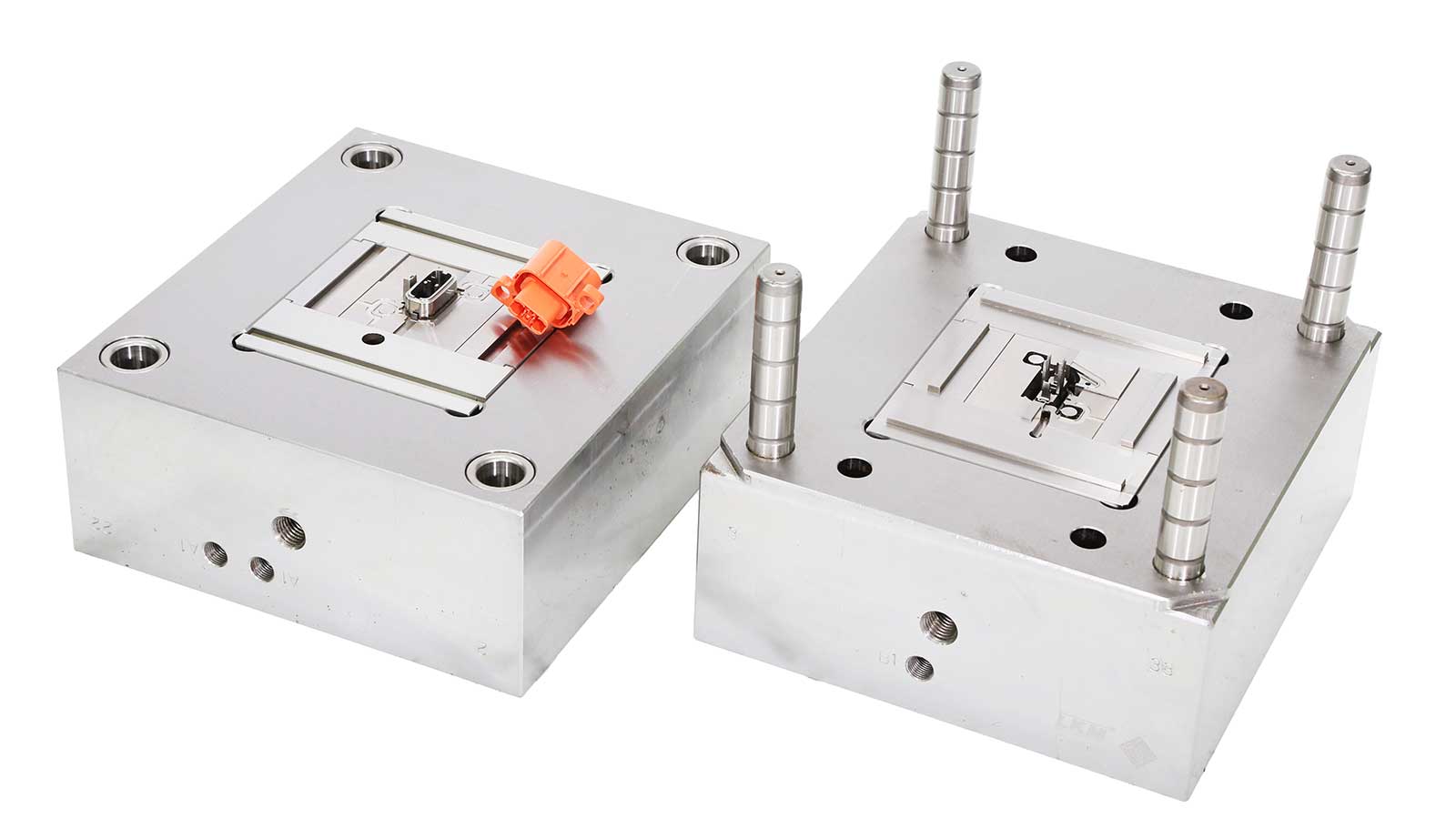
In the application and production of plastic injection molds, main runner adhesion is a relatively common and challenging issue. It not only affects production efficiency but may also lead to product defects and increase production costs. Below, we will delve into the phenomenon and causes of main runner adhesion and provide practical solutions.
Definition
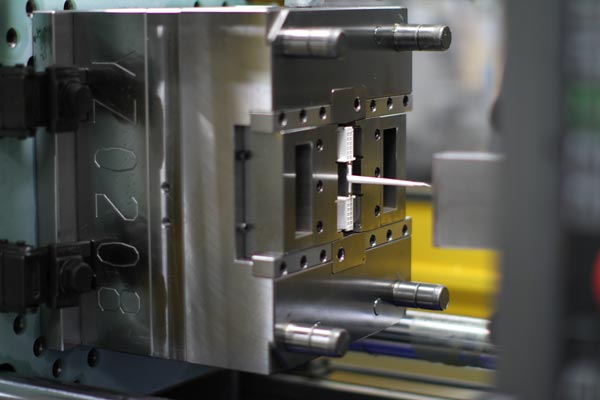
When a plastic injection mold is subjected to prolonged pressure, the size of the main runner increases, or when there are scratches on the main runner part of the mold, significant resistance is generated. This resistance prevents the main runner from detaching smoothly during mold opening, resulting in main runner adhesion.
Causes of Main Runner Adhesion
Main Runner Solidification Issues
When the main runner has not fully solidified, its shrinkage is minimal, and it adheres closely to the mold with low strength. If an attempt is made to remove the main runner at this stage, it is highly likely to break, leaving residues in the mold. Factors such as resin temperature, mold temperature, and cooling time all influence the solidification process of the main runner.
Excessive Packing Pressure
The main runner part of a plastic injection mold is close to the barrel nozzle, making it convenient to apply packing pressure. However, when high packing pressure is applied, the size of the main runner increases, and the resistance during demolding also rises accordingly, leading to the defect of main runner adhesion.
Mold Structure Defects
If the taper of the main runner part in a plastic injection mold is too small, the demolding resistance on the fixed side increases significantly, which is also an important factor contributing to main runner adhesion.
Countermeasures
Fully Cool the Main Runner During Injection Molding
Ensure that the main runner is fully cooled before opening the mold during the injection molding process. This can be achieved by lowering the mold temperature and extending the cooling time, which is an effective way to reduce the risk of main runner adhesion.
Reasonably Reduce Packing Pressure
Reducing the packing pressure is also an effective approach. The packing pressure applied to the product cavity becomes zero after the gate is sealed. If no packing pressure is applied thereafter, the main runner will not be subjected to unnecessary pressure. However, it should be noted that excessive reduction of packing pressure may lead to unstable injection volume and affect product quality.
Optimize Mold Structure
Although there are no specific mandatory regulations regarding the taper of the main runner, when main runner adhesion occurs, increasing the taper angle of the main runner can effectively reduce the demolding resistance and solve the adhesion problem.
FAQ
Q1: What are the specific impacts of the adhesion on product production?
A1: Main runner adhesion reduces production efficiency, may cause product defects, increase production costs, and can also damage the mold, affecting subsequent production.
Q2: Are there any other preventive measures for main runner adhesion besides those mentioned in the article?
A2: You can also optimize the plastic formula by selecting plastics with lower shrinkage and better flowability. Regularly maintain the mold to ensure a smooth surface and reduce scratches.
Q3: How can I determine whether the main runner is fully solidified?
A3: You can observe the appearance of the main runner, such as whether its surface is smooth and free of deformation. You can also use professional hardness testing instruments to check if the hardness of the main runner meets the specified standards.