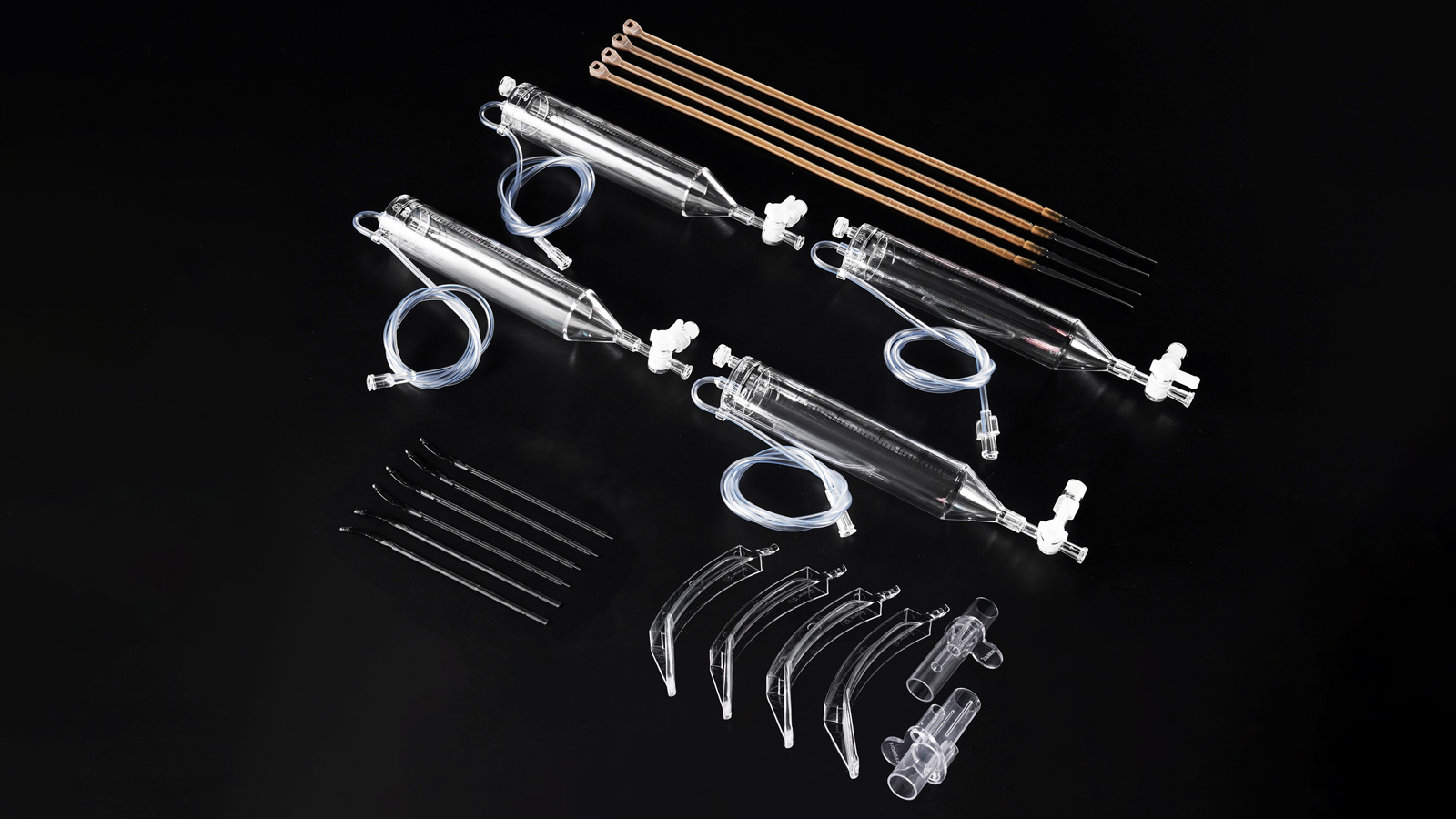
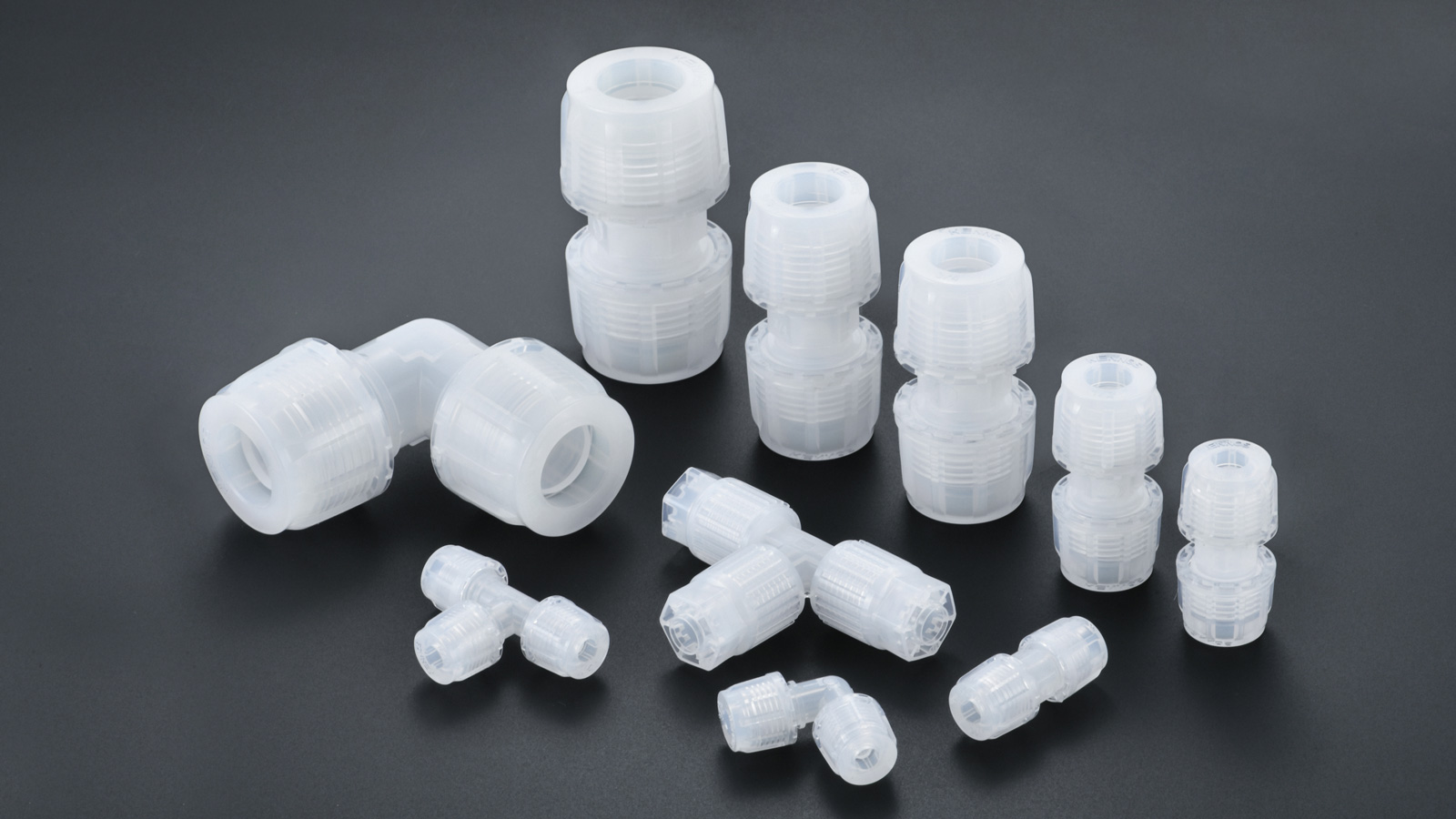
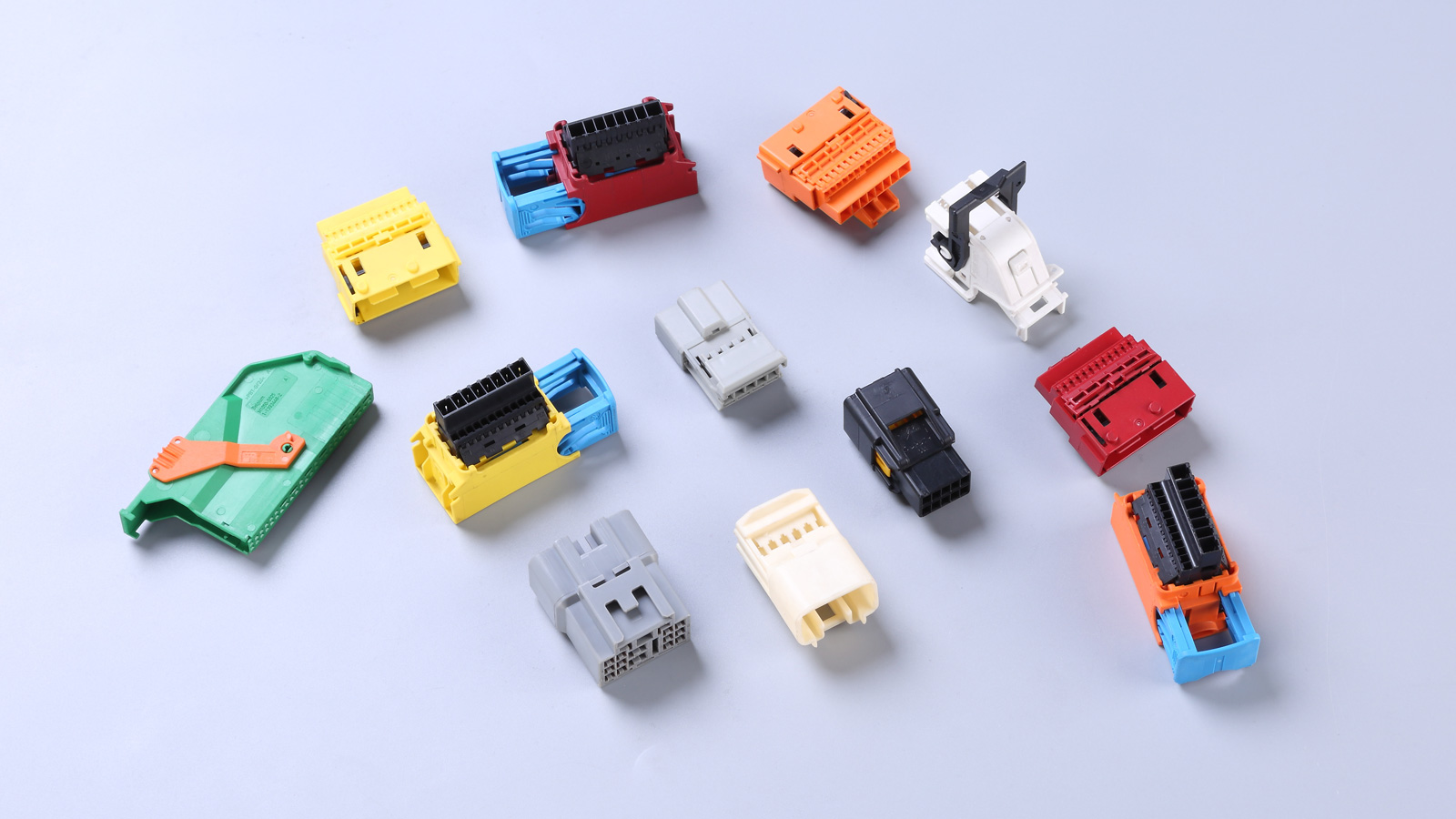
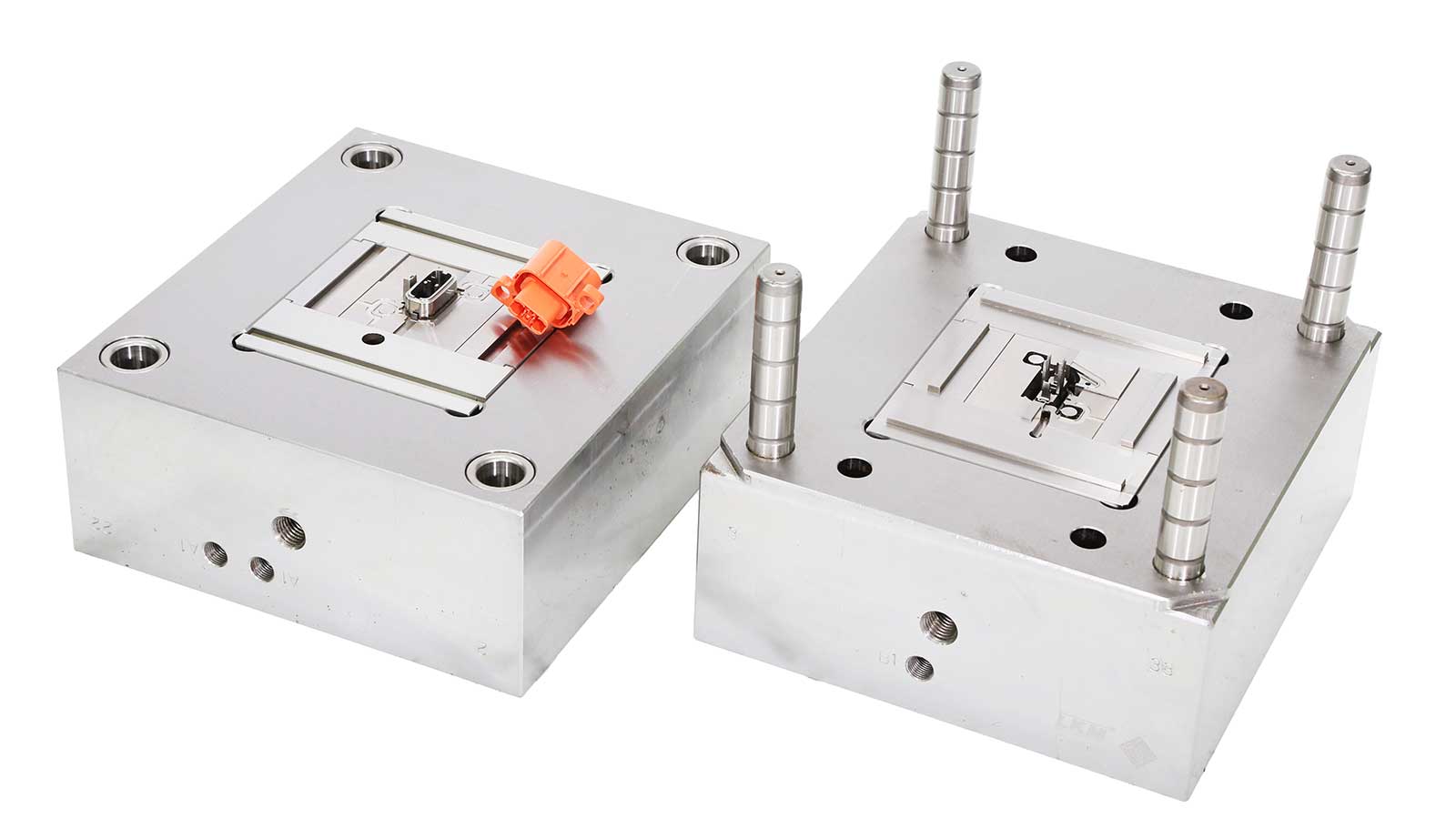




In today’s manufacturing industry, plastic parts processed by thin-wall injection molds are widely used, ranging from daily kitchenware and utensils to sophisticated mechanical components and electronic device housings. Especially for plastic parts like electronic device housings that have high precision requirements, great importance must be attached to precision right from the mold processing stage during the injection molding production process, as precision directly affects the product’s quality, performance, and market competitiveness. So, what exactly determines the processing accuracy of parts in thin-wall injection molds, and how can it be improved?
Key Influencing Factors
Clamping Force
In principle, the clamping force should be greater than the total pressure of the plastic injected into the mold to prevent flash (burrs). An appropriate clamping force ensures that the mold remains tightly closed during the injection process, preventing the plastic melt from overflowing and thus guaranteeing the dimensional accuracy and surface quality of the parts. Insufficient clamping force can lead to flash, affecting the appearance and assembly of the parts; while excessive clamping force may damage the mold and increase production costs.
Pressure and Speed
Pressure and speed are interrelated and jointly act within the mold to ensure that the raw material evenly, fully, and appropriately fills every corner of the mold. If the pressure and speed are set too low, problems such as short shot (underfilling) and shrinkage will occur, resulting in non-compliant part dimensions and surface depressions. If set too high, issues like flash, overfilling, mold sticking, scorching will arise, which not only affect the appearance of the parts but may also damage the mold and increase the internal thermal stress of the parts, reducing their mechanical properties.
Injection Speed
The injection speed determines the state of the raw material in the runner of the thin-wall injection mold and within the finished product. Excessive speed can easily cause flash, overfilling, scorching, etc., deteriorating the surface quality of the parts. Insufficient speed can lead to short shot, shrinkage, poor bonding, and easy breakage, seriously affecting the integrity and strength of the parts. Therefore, the injection speed needs to be precisely controlled according to the characteristics of the raw material and the structure of the parts.
Temperature Control
Different raw materials have different temperature requirements. If the temperature is too low, the plastic melt will not be fully melted, resulting in uneven color and increased thermal stress in the plastic parts of the thin-wall injection mold. Moreover, excessively low temperature combined with high pressure may cause the extruder screw to break. If the temperature is too high, the product will have flash, and due to cooling-induced temperature differences, uneven shrinkage will occur. The raw material may also decompose, turn yellow, change color, and become brittle. Additionally, the cooling time will be prolonged, affecting production efficiency, and gases will be difficult to discharge, impacting part quality.
Improvement Strategies
In view of the above influencing factors, measures such as optimizing process parameters, selecting high-quality raw materials, and strengthening mold maintenance can be taken to improve the processing accuracy of parts in thin-wall injection molds. For example, determine the optimal combination of pressure, speed, and temperature through experiments; choose raw materials with stable performance and low shrinkage; regularly clean, maintain, and repair the mold to ensure its accuracy and performance.
FAQ
Q1: How can the optimal clamping force for thin-wall injection mold processing be determined?
A: The total pressure of the plastic injected into the mold can be calculated, and then combined with the mold structure and raw material characteristics, the optimal clamping force can be determined through mold testing and adjustment to ensure no flash occurs and the mold is not excessively damaged.
Q2: How significant is the impact of temperature control on the processing accuracy of thin-wall injection molds?
A: Temperature control is extremely crucial. Temperature deviations directly affect the fluidity and shrinkage rate of the raw material, thereby influencing the dimensional accuracy and surface quality of the parts, and may even lead to product defects. Therefore, precise temperature control is required.
Q3: What are the requirements for raw materials to improve the processing accuracy of thin-wall injection molds?
A: Raw materials with stable performance, low shrinkage, and good fluidity should be selected. At the same time, attention should be paid to the purity and quality of the raw materials to avoid affecting the processing accuracy and product quality due to raw material issues.