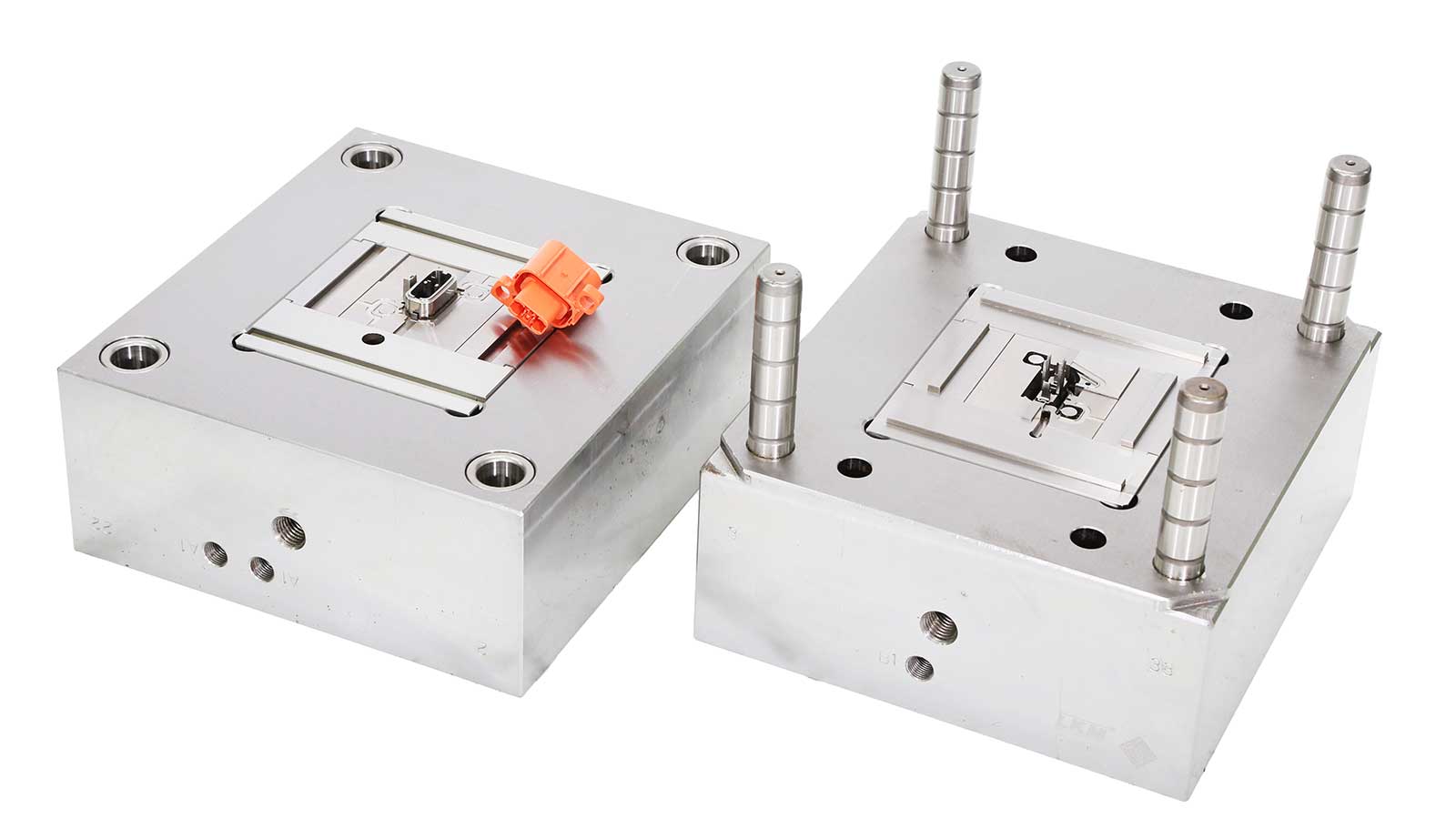
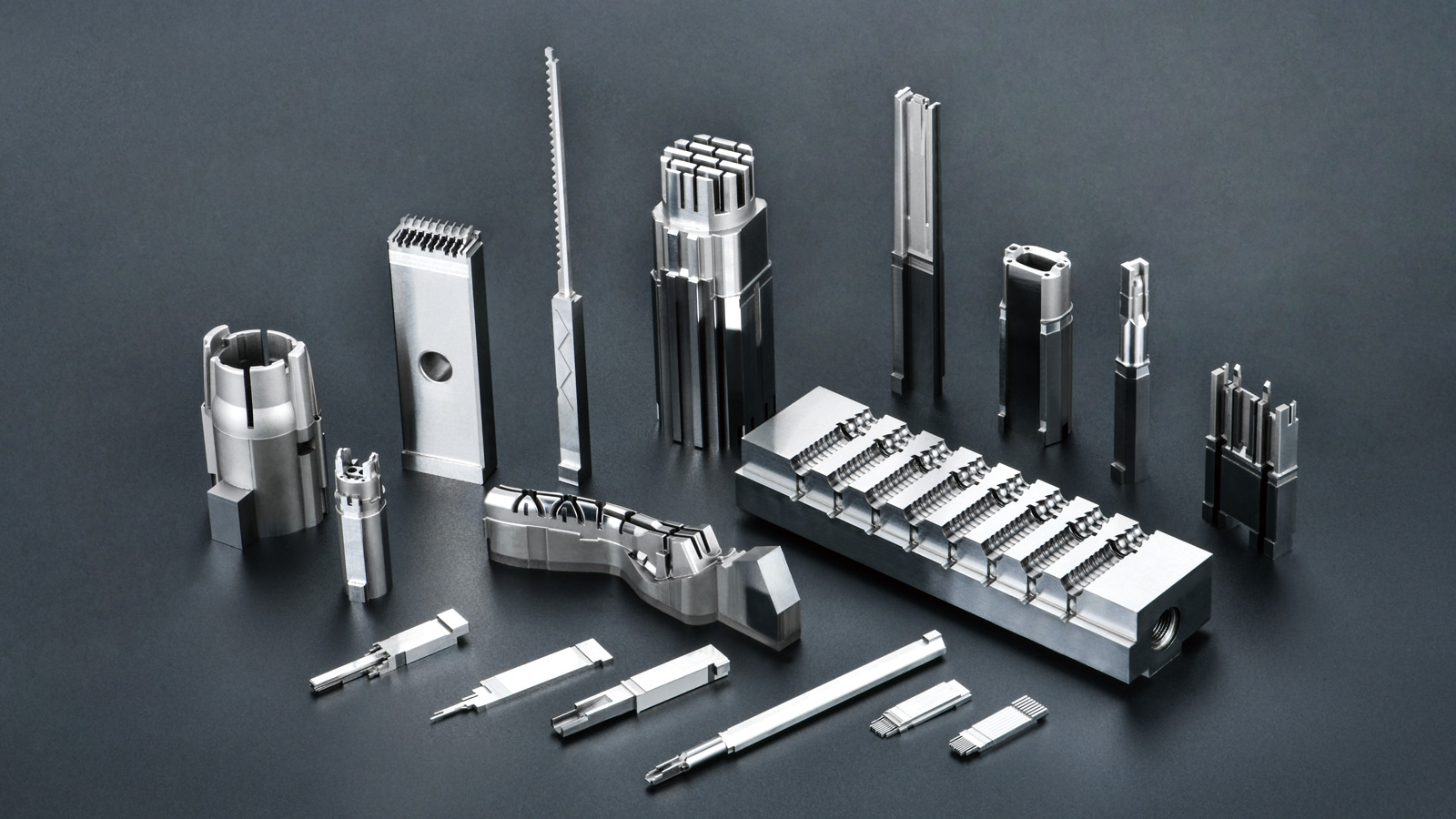
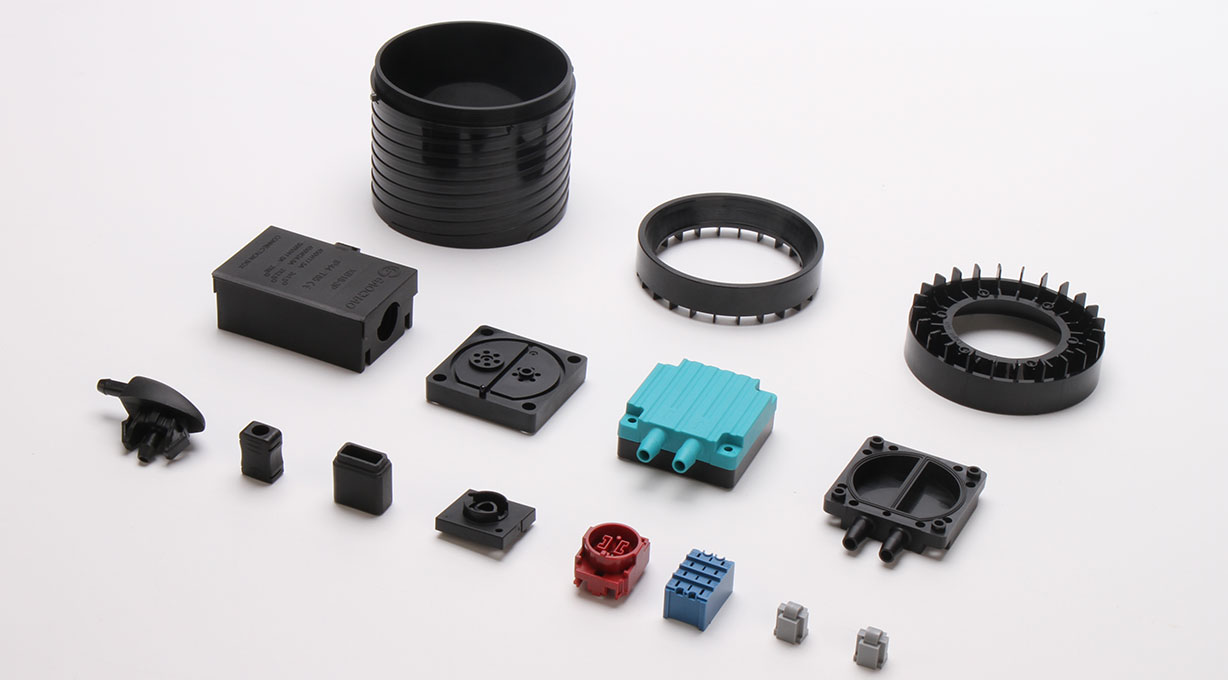




Mold injection molding processing is a core method for the production of industrial plastic products and holds a pivotal position in the manufacturing industry. Injection molding encompasses various types such as injection molding compression molding and die – casting. Among them, the injection molding machine, as a key molding equipment, can transform thermoplastic plastics or thermosetting materials into plastic products of various shapes with the help of plastic molding molds. And the mold, as a crucial tool in injection molding processing, makes its manufacturing machining processes extremely important. So, what machining processes are involved in mold injection molding manufacturing?
- Milling Machine Processing: In mold injection molding processing, milling machines are mainly used for manual milling and cutting of workpieces with relatively simple and regular shapes, such as straight lines and oblique lines. They are often employed for processing workpieces with not – very – high precision requirements, such as mold blank opening, mold core, and slide opening.
- Lathe Processing: Lathes are primarily used for processing circular workpieces, such as nozzles, locating rings, flanges, and circular copper electrodes. They can achieve relatively high processing precision, providing a solid guarantee for the precise manufacturing of circular workpieces.
- Grinding Machine Processing: Grinding machines in mold injection molding are mainly responsible for the precision grinding of steel materials and grinding of datums. They can meet most precision requirements, ensuring the dimensional accuracy and surface quality of mold components.
- Drilling Machine Processing: Drilling machines are mainly used for drilling, tapping, and creating water – cooling holes. In the mold manufacturing process, these operations play a crucial role in the functional realization and cooling effect of the mold.
- CNC (Computer Numerical Control Machining Center) Processing: CNC has become a symbolic processing equipment in the modern mold injection molding industry. It is specifically used for the numerical control machining of complex and irregular curved surfaces. It features high precision, good reliability, and high efficiency. Almost all mold injection molding processes cannot do without it. The processing of cavities, copper electrodes, and other workpieces is completed by it, and it can process workpieces of almost any shape.
FAQ
Q1: What types of workpieces are suitable for milling machine processing?
A1: It is suitable for manual milling and cutting of workpieces with relatively simple and regular shapes, such as straight lines and oblique lines. It is often used for processing workpieces with not – very – high precision requirements like mold blank opening, mold core, and slide opening.
Q2: What level of precision can lathe processing achieve?
A2: Lathe processing can achieve relatively high precision requirements, meeting the precise manufacturing needs of circular workpieces such as nozzles and locating rings.
Q3: What are the advantages of CNC machining centers in mold injection molding processing?
A3: CNC machining centers have high precision, good reliability, and high efficiency. They can process complex and irregular curved surfaces and can process workpieces of almost any shape, making them a key piece of equipment in mold injection molding processing.