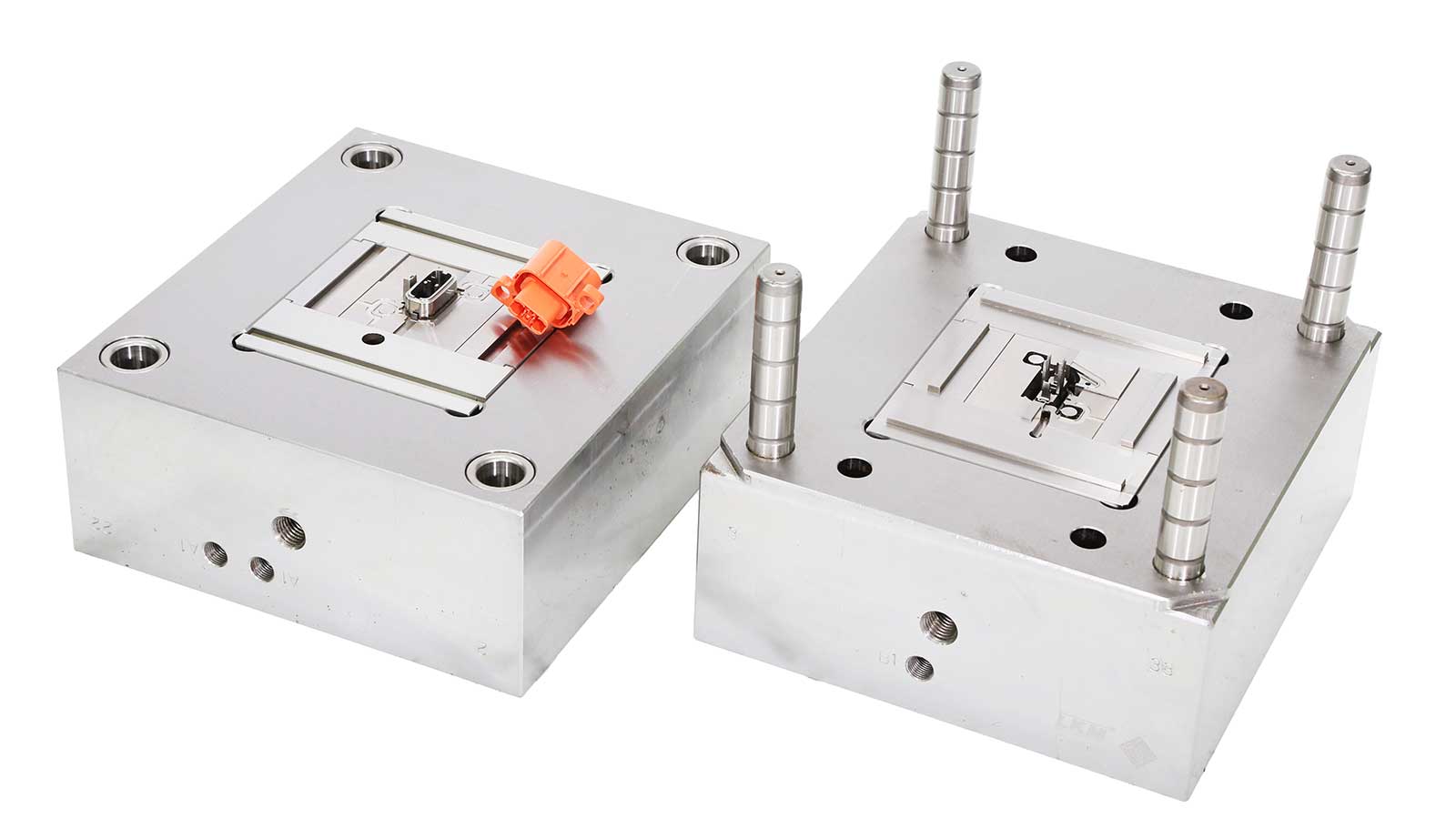
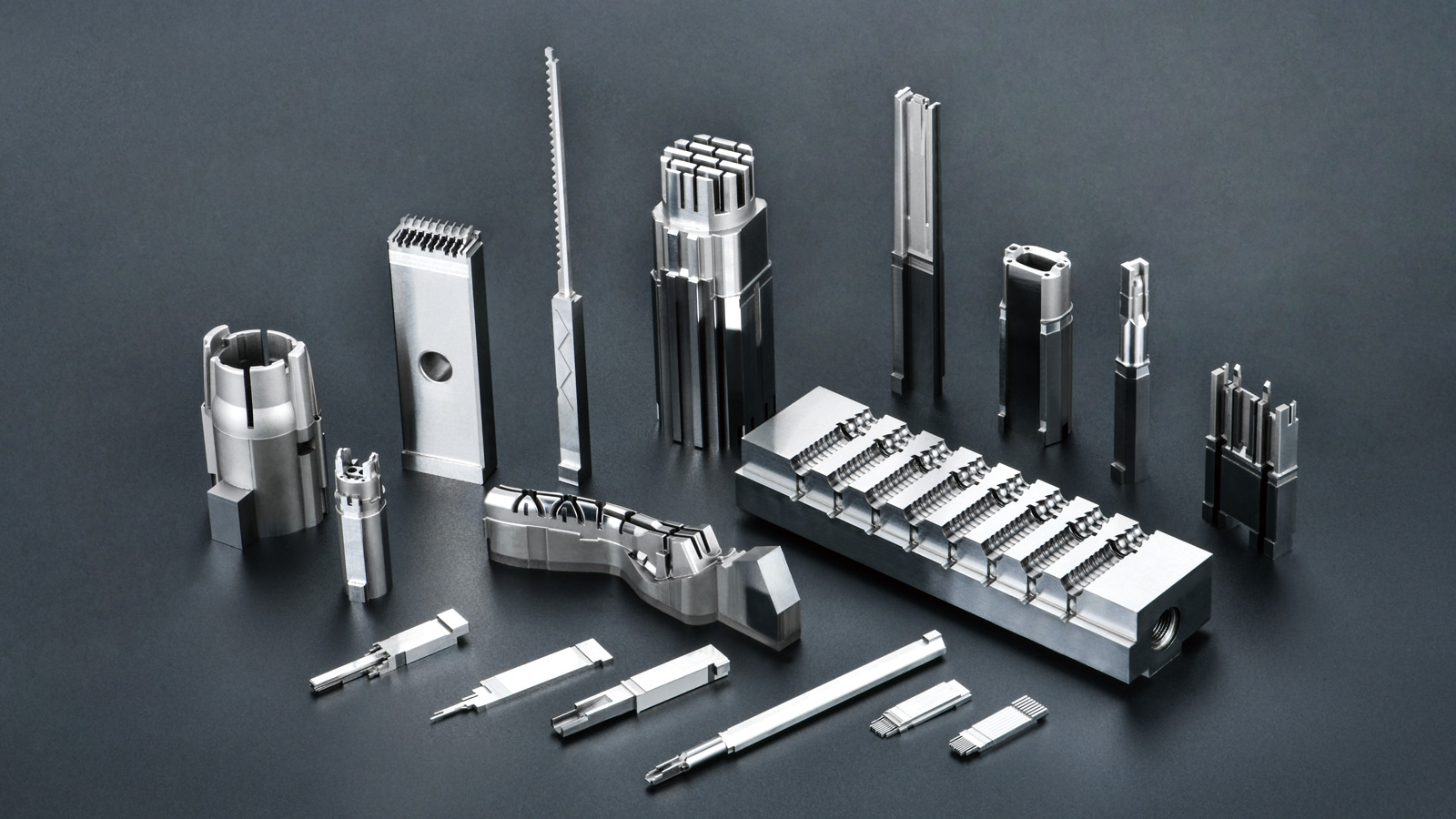
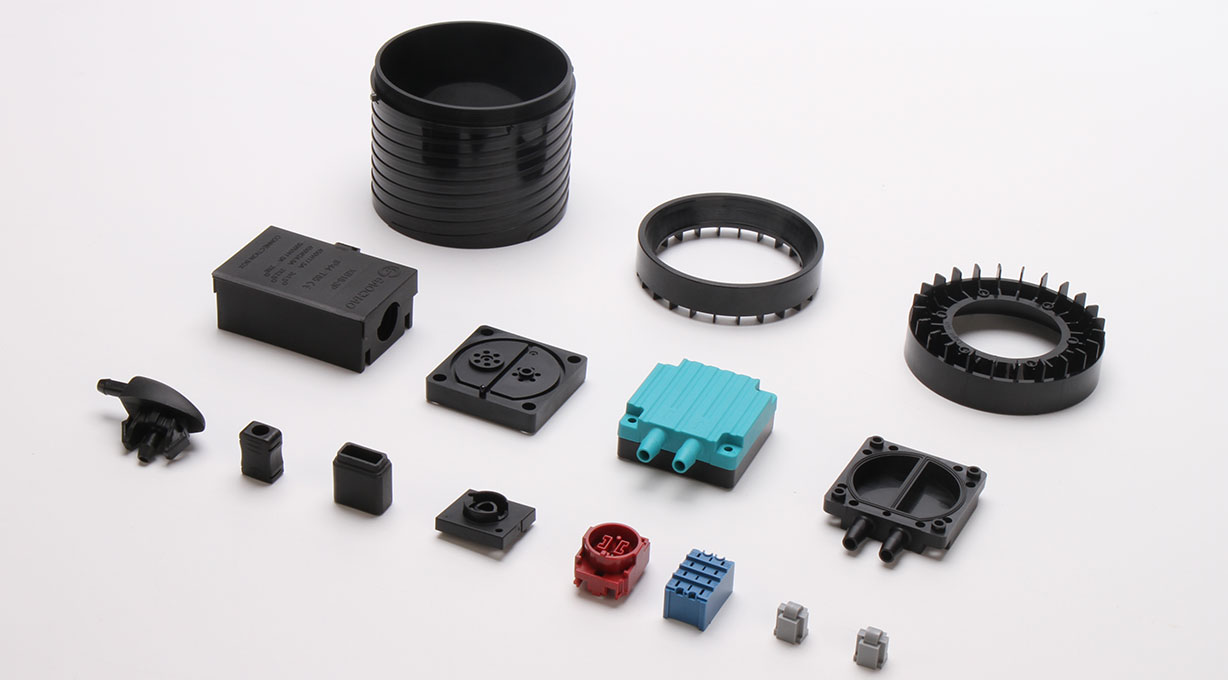





In the field of precision mold processing, the exhaust is of utmost importance. It serves as a crucial indicator for evaluating the overall structural quality of precision molds. Even if a mold is of extremely high quality in injection molding, if the exhaust work is not handled properly, it is impossible to produce products with stable and reliable quality. Therefore, for high-quality precision mold processing, not only must excellent sealing performance be ensured, but also the smooth venting of gases must be guaranteed. So, what are the specific stringent requirements for exhaust in precision mold processing?
Requirements for Full-Circumference Exhaust Structures
Precision mold processing should strive to adopt full-circumference exhaust structures as much as possible. The depth of these structures must be strictly controlled within the plastic flash value range. At the same time, half of the steel material should be reserved on the mold clamping line to compensate for pressure. However, when a precision mold cannot be processed with a full-circumference exhaust structure due to its irregular shape, an exhaust slot can be used to connect to the female mold to solve the exhaust problem. This flexible approach can meet the exhaust needs of molds with different shapes while ensuring their overall performance.
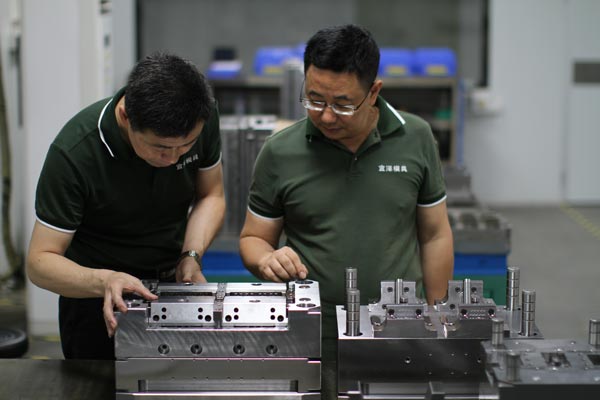
Correct Understanding of Exhaust Misconceptions
There is a common misconception regarding the exhaust issue in precision molds, which is that excessive exhaust can easily lead to flash. In fact, it is unreasonable exhaust settings that require the application of excessive pressure. When gases are vented, the plastic material will flow out along with the gases, which is the real cause of flash formation. Therefore, reasonably designing the exhaust structure and avoiding unreasonable exhaust situations are the keys to solving the flash problem.
Key Points of Ejector Pin Exhaust
For precision mold processing, it is advisable to make full use of all ejector pins for exhaust purposes, especially for large plastic products. Of course, the exhaust effect of ejector pins also depends on their diameters. If effective exhaust cannot be achieved through ejector pins, a flat surface can be ground for exhaust. In this case, the appropriate length and depth of the flat surface need to be determined, and the fit clearance of the ejector pins should be appropriately reduced. Additionally, for long and large runners, exhaust slots must be opened to ensure the smooth venting of gases and prevent gas accumulation from affecting product quality.
Conclusion
The exhaust requirements in precision mold processing involve multiple aspects, from the design of full-circumference exhaust structures to the correct understanding of exhaust misconceptions and the reasonable use of ejector pin exhaust. Each link is of great significance. Only by strictly adhering to these exhaust requirements can high-quality products be ensured in precision mold processing, meeting the stringent requirements of the market for precision plastic products.
FAQ
Q1: Why should the depth of a full-circumference exhaust structure be controlled within the plastic flash value range?
A1: Controlling it within the plastic flash value range can prevent the plastic from overflowing the mold, ensuring the dimensional accuracy and surface quality of the product. At the same time, reserving steel material compensates for pressure, ensuring stable mold clamping.
Q2: Why does unreasonable exhaust lead to flash?
A2: Unreasonable exhaust requires increased pressure. When gases are vented, the plastic material flows out along with the gases, forming excess flash at the mold edges, which affects the product’s appearance and assembly.
Q3: Why should large plastic products try to use all ejector pins for exhaust?
A3: Large products have a large volume, and gases are prone to accumulate. Using all ejector pins for exhaust can increase the exhaust area and improve exhaust efficiency, preventing product defects caused by gas retention.