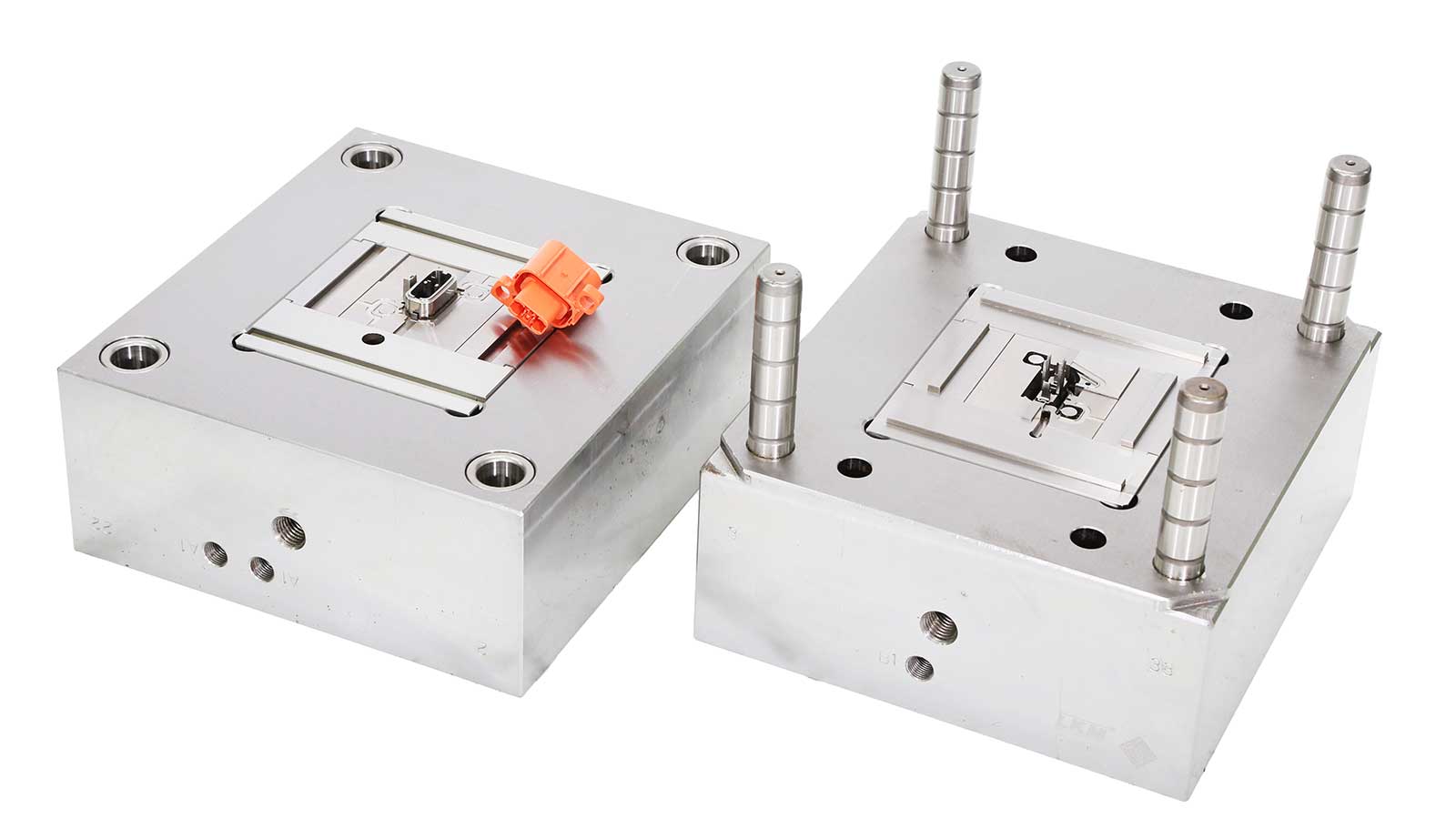



In the field of precision injection mold processing, customers have extremely strict requirements for processing precision, explicitly stipulating that no manual polishing marks are allowed on the parting surface of precision injection molds. This not only pertains to the appearance quality of the mold but also directly affects its service performance and the final quality of the products. So, how can mold factories avoid manual polishing marks on the parting surface? This requires a comprehensive assessment of multiple capabilities and qualities of the mold manufacturer, including engineering capabilities, equipment capabilities, process levels, management capabilities, quality assurance systems, and employee qualities.
Engineering Capabilities: Reasonable Design Lays the Foundation
Engineering capabilities are one of the core elements in precision injection mold processing, primarily reflected in the rationality of mold structure design. An excellent mold design should not only precisely meet the various requirements of customer products but also take into account the ease of processing. For example, when designing the parting surface, complex shapes and sharp corners should be avoided as much as possible. Instead, smooth transition designs should be adopted. This not only reduces the processing difficulty and the likelihood of manual intervention but also improves the service life of the mold. Meanwhile, a reasonable mold structure design can optimize the mold’s cooling system, ensuring uniform temperature during the injection molding process, reducing deformation caused by temperature differences, and further enhancing the processing precision of the mold.
Equipment Capabilities: Guarantee for High-Precision Processing
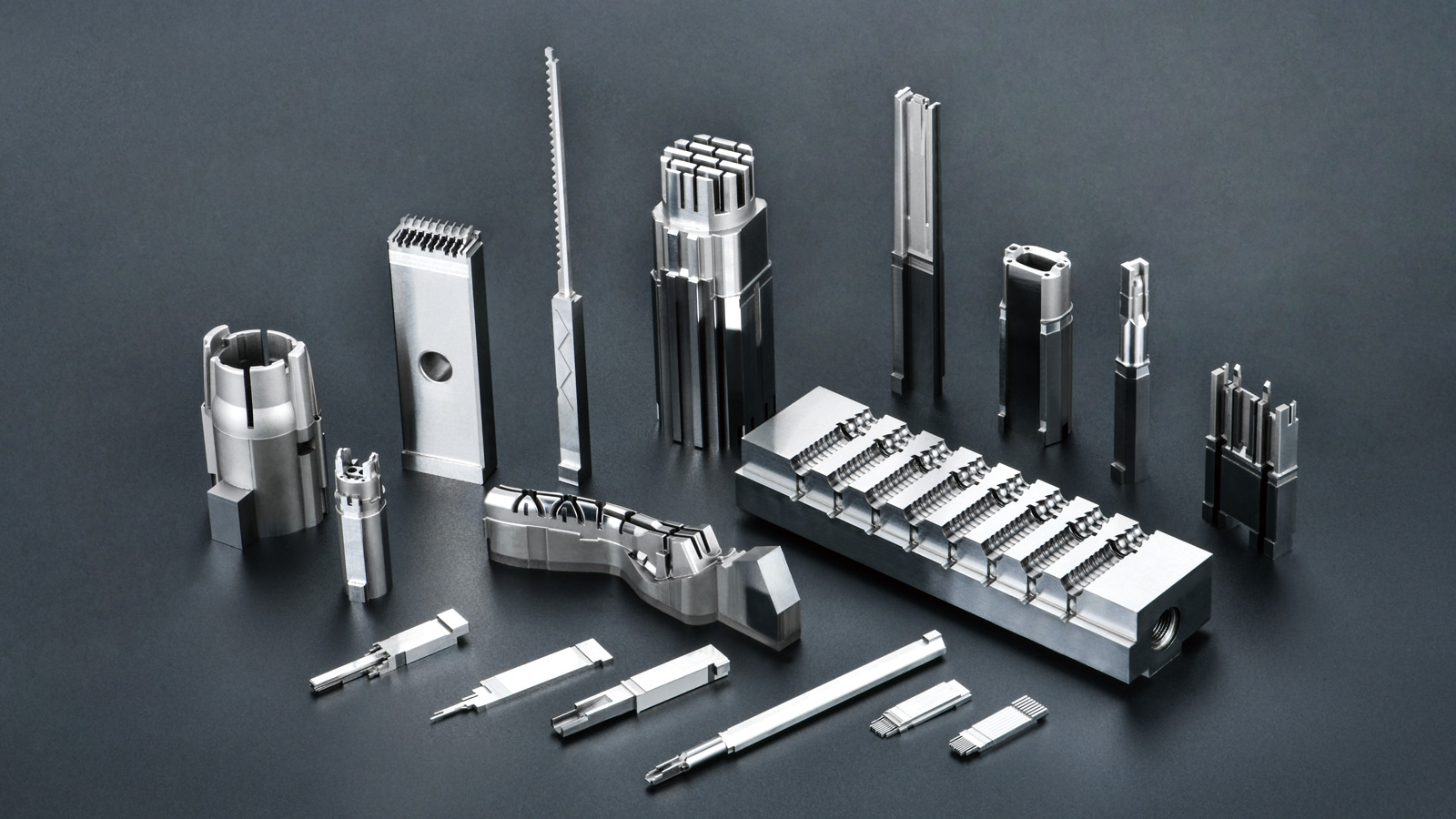
Precision injection mold processing places extremely high demands on the processing precision of molds, which poses a severe challenge to mold processing equipment. Advanced processing equipment is the key to achieving high-precision processing, such as high-precision CNC milling machines, machining centers, and electrical discharge machining machines. These devices are equipped with high-precision positioning systems and stable processing performance, enabling them to ensure dimensional and shape precision during mold processing. Taking CNC milling machines as an example, their high-precision spindles and feed systems can precisely control the tool’s motion trajectory, achieving micron-level processing precision. This effectively avoids processing errors on the parting surface due to insufficient equipment precision and reduces the necessity of manual polishing.
Process Level: Process Control Ensures Quality
Every mold factory should have a complete set of processing process flows, and the more crucial aspect is the strict control over these processes, which fully reflects the process control capabilities of a precision injection mold processing factory. During the mold processing, from raw material selection, blank processing, heat treatment to finishing and assembly, each step should be carried out strictly in accordance with the process flow. For instance, in the finishing stage, appropriate tools and cutting parameters should be selected according to the mold material and processing requirements to ensure that the surface roughness of the processed surface meets the standards. At the same time, adopting advanced processing techniques, such as high-speed machining and five-axis simultaneous machining, can improve processing efficiency and quality, reduce error accumulation during processing, and thus avoid manual polishing marks on the parting surface.
Quality Control: The Lifeblood of a Mold Factory
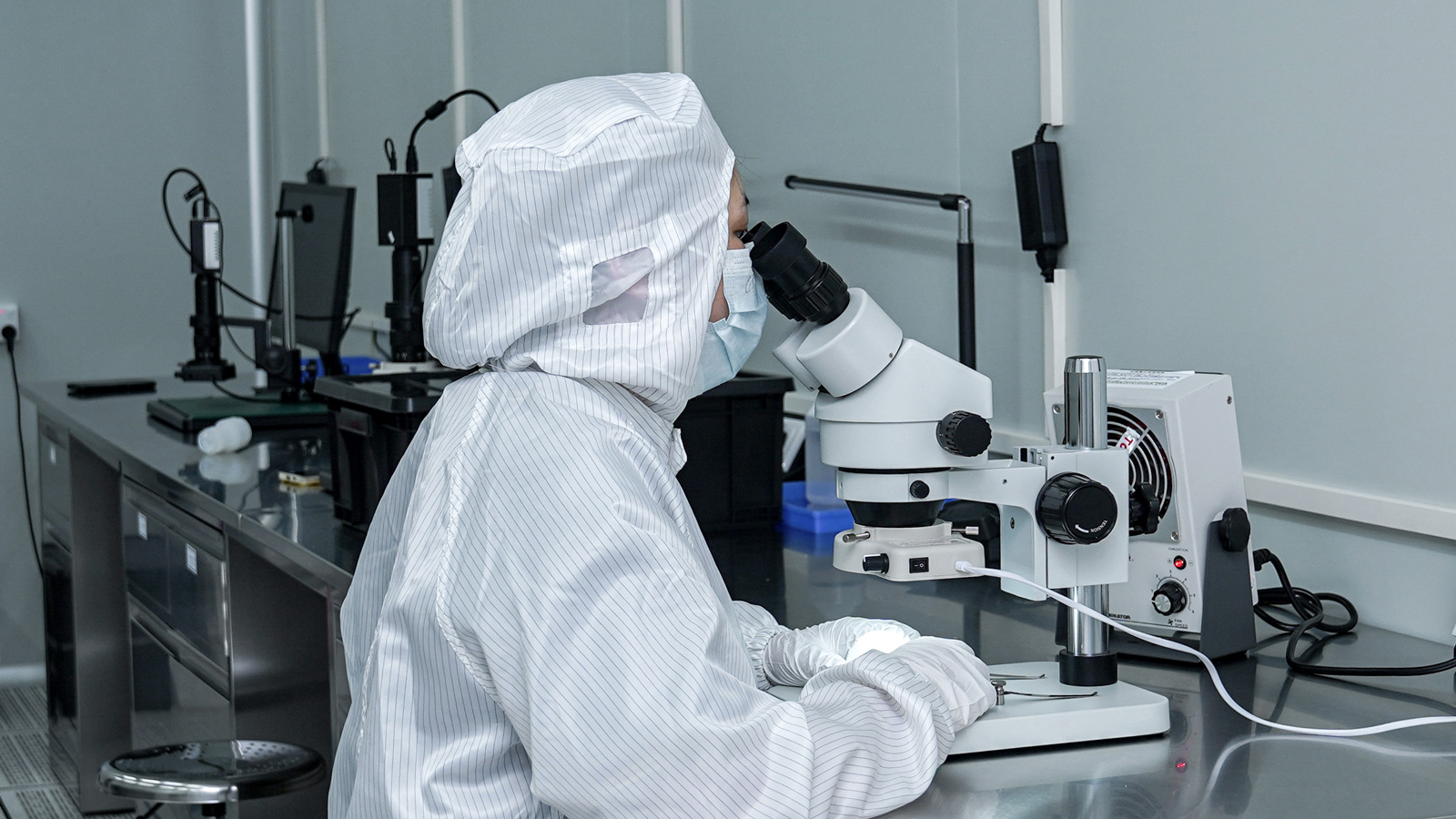
Quality is the lifeblood of a mold factory, directly determining whether it can achieve long-term development in the fierce market competition. During the precision injection mold processing, a comprehensive quality control system should be established, implementing all-round quality monitoring from raw material inspection, in-process inspection to finished product inspection. For example, in the raw material inspection stage, strict tests should be conducted on the chemical composition and mechanical properties of the raw materials to ensure they meet the processing requirements. During in-process inspection, the processing quality of each step should be monitored in real-time to promptly detect and correct quality issues. In finished product inspection, advanced testing equipment and methods should be used to comprehensively inspect the dimensional precision, shape precision, and surface quality of the mold to ensure that the mold quality meets customer requirements. Only through strict quality control can quality issues such as manual polishing marks on the parting surface be effectively avoided.
Dongguan Yize Mould Co., Ltd. has always regarded quality as the life of the enterprise. With our outstanding engineering capabilities, advanced equipment capabilities, exquisite process levels, strict quality control systems, and high-quality employee teams, we provide customers with high-quality precision injection molds. Your expectations will be the direction of our unremitting efforts.
FAQ
Q: What remedial measures can be taken if manual polishing marks have already appeared on the parting surface?
A: If manual polishing marks have appeared on the parting surface, first evaluate the depth and scope of the marks. If the marks are shallow and the scope is small, polishing can be used for repair. However, it is important to control the polishing force and time to avoid excessive polishing causing changes in the parting surface dimensions. If the marks are deep or the scope is large, the parting surface may need to be reprocessed, such as using a CNC milling machine for finishing, to ensure the dimensional precision and surface quality of the parting surface.
Q: How to choose equipment suitable for precision injection mold processing?
A: When choosing equipment suitable for precision injection mold processing, multiple factors need to be considered. First, select the equipment’s precision level according to the mold’s processing precision requirements to ensure that the equipment can meet the processing needs. Second, consider the equipment’s processing range and capabilities, such as the machine’s stroke, spindle speed, and feed speed, to ensure that it can process molds of various complex shapes. In addition, the stability and reliability of the equipment are also very important. Choosing well-known brands and equipment suppliers with good reputations can ensure the long-term stable operation of the equipment.
Q: How to ensure the strict implementation of the process flow during mold processing?
A: To ensure the strict implementation of the process flow, a complete production management system and quality control system need to be established. Develop detailed operation procedures and quality standards for each processing step and train the operators to ensure they are familiar with the process flow and operation requirements. During the production process, set up dedicated inspection positions to conduct real-time inspection of the processing quality of each step and promptly correct any problems found. At the same time, use information management tools, such as manufacturing execution systems (MES), to conduct real-time monitoring and scheduling of the production process to ensure the smooth implementation of the process flow.
Q: What are the unique features of Dongguan Yize Mould Co., Ltd. in terms of quality control?
A: Dongguan Yize Mould Co., Ltd. has multiple unique features in terms of quality control. We have established a complete quality control system, implementing whole-process quality monitoring from raw material procurement to finished product delivery. We have introduced advanced testing equipment, such as coordinate measuring machines and projectors, which can accurately inspect the dimensional and shape precision of molds. Meanwhile, we attach great importance to cultivating employees’ quality awareness, regularly organizing quality training and quality improvement activities to continuously improve employees’ quality awareness and operational skills. In addition, we have established a quality traceability system, which can trace the entire production process of each mold to ensure that quality problems can be promptly resolved.