

Die Steel – The “Invisible Cornerstone” of Manufacturing
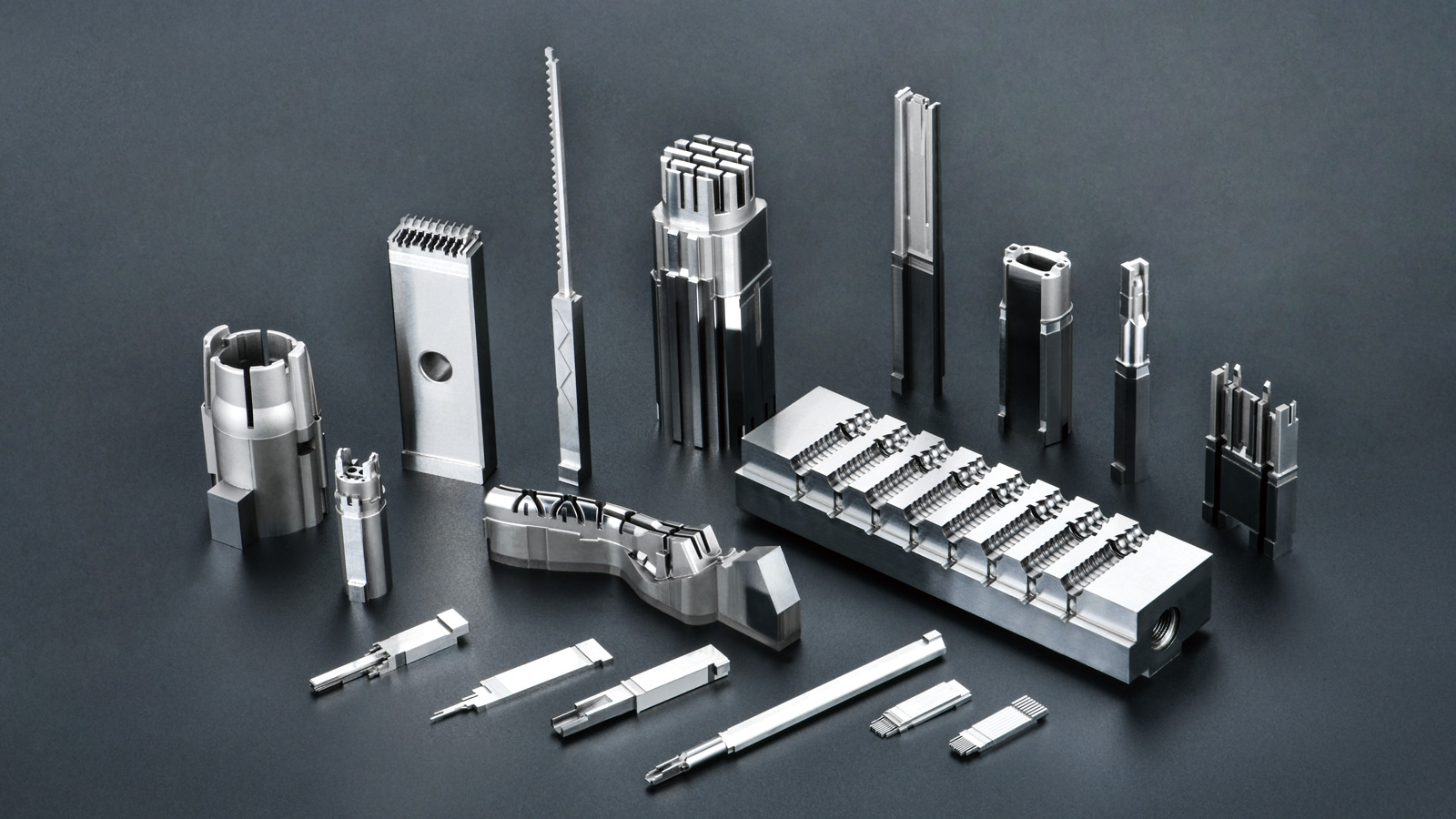
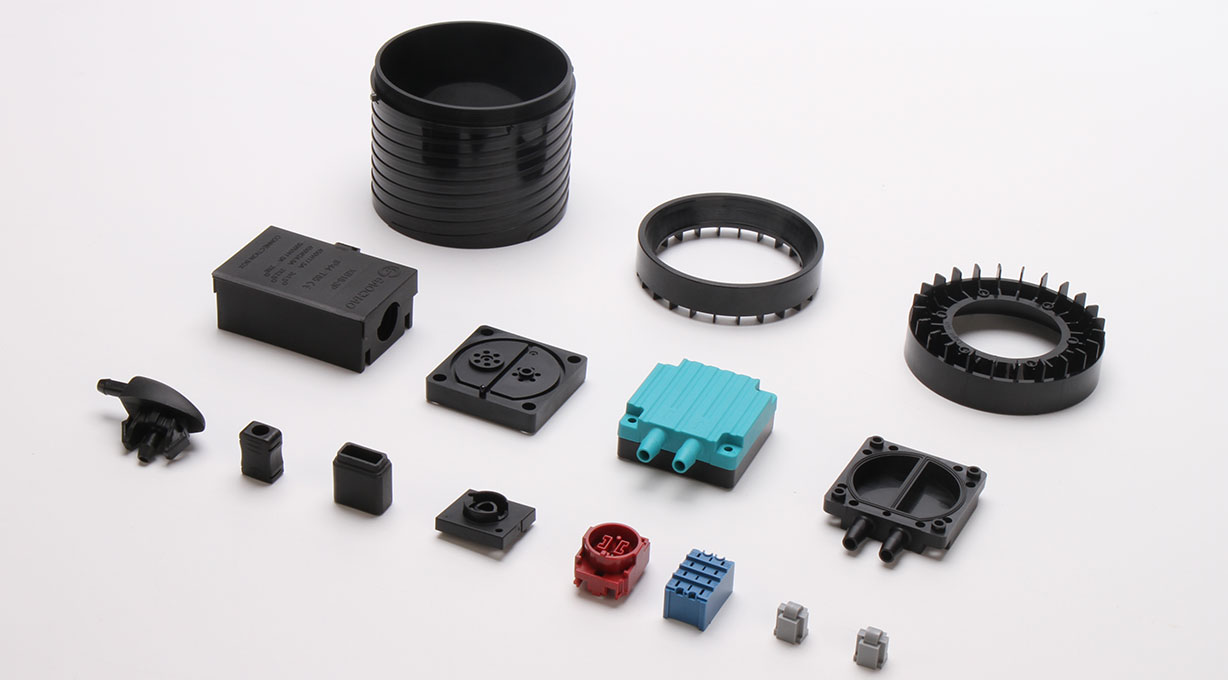
In the modern manufacturing system, dies and molds are known as the “mother of industry,” and die steel is the core material foundation that supports mold performance and service life. From precision die-casting of automotive parts to injection molding of consumer electronics housings, from metal stamping to hot forging of aerospace components, nearly all mass production processes rely on die steel. Data shows that China’s mold output value has exceeded 200 billion yuan, accounting for one-third of the global total. As the primary raw material for mold manufacturing, die steel quality directly determines mold service life, product precision, and production stability.
There is a widely quoted saying in the industry: “Choosing the wrong steel for a mold renders even the most perfect design useless.” This statement profoundly reveals the decisive role of die steel selection in the entire mold development chain. No matter how sophisticated the design or how precise the machining of a mold, if the steel grade does not match the working conditions, it will at best fail to meet expected service life and require frequent repairs, and at worst suffer irreversible failures such as cracking and collapse in the early stages of mass production, causing major losses from entire production line shutdowns. Therefore, correctly understanding the value of die steel and mastering scientific selection methods is a core subject that every manufacturing enterprise must prioritize.
The Cost of Poor Material Selection: Understanding Die Steel’s Core Value Through Early Failures
The losses caused by improper die steel selection are often far higher than the procurement cost of the material itself. Industry statistics indicate that approximately 40% of mold failure cases are directly related to improper material selection, while the rest are associated with heat treatment processes, machining quality, and operation & maintenance factors.
Taking hot forging dies as an example, an automotive parts manufacturer used 5CrNiMo steel to manufacture large crankshaft hot forging dies for forging alloy structural steel at approximately 1150°C. After fewer than 500 uses, the mold developed extensive network thermal fatigue cracks accompanied by local collapse. Failure analysis showed that the red hardness upper limit of 5CrNiMo steel is approximately 550°C, while the instantaneous mold surface temperature can exceed 650°C. At high temperatures, the material rapidly softens, leading to plastic flow and crack initiation. This typical case illustrates that if temperature conditions and material heat resistance matching are overlooked during material selection, what appears to be a cost-saving measure in material procurement actually costs several times more due to premature mold scrapping.
The cold work mold field also has common selection pitfalls. Cr12 steel is known for high hardness and high wear resistance, but its brittleness is relatively high. For molds with complex structures, multiple sharp corners, or those subjected to impact loads, blindly selecting Cr12 often leads to frequent chipping and fracture. After switching to toughness-improved steel grades such as Cr12MoV, mold life can be increased several times. These cases repeatedly confirm a fact: die steel is not the more expensive the better, nor the harder the better – it must precisely match the specific working conditions.
Three Core Dimensions: How to Evaluate Die Steel Quality
The value of high-quality die steel is reflected in the comprehensive balance of multiple performance dimensions rather than the stacking of a single indicator. When evaluating die steel quality, manufacturing enterprises should focus on the following three core dimensions.
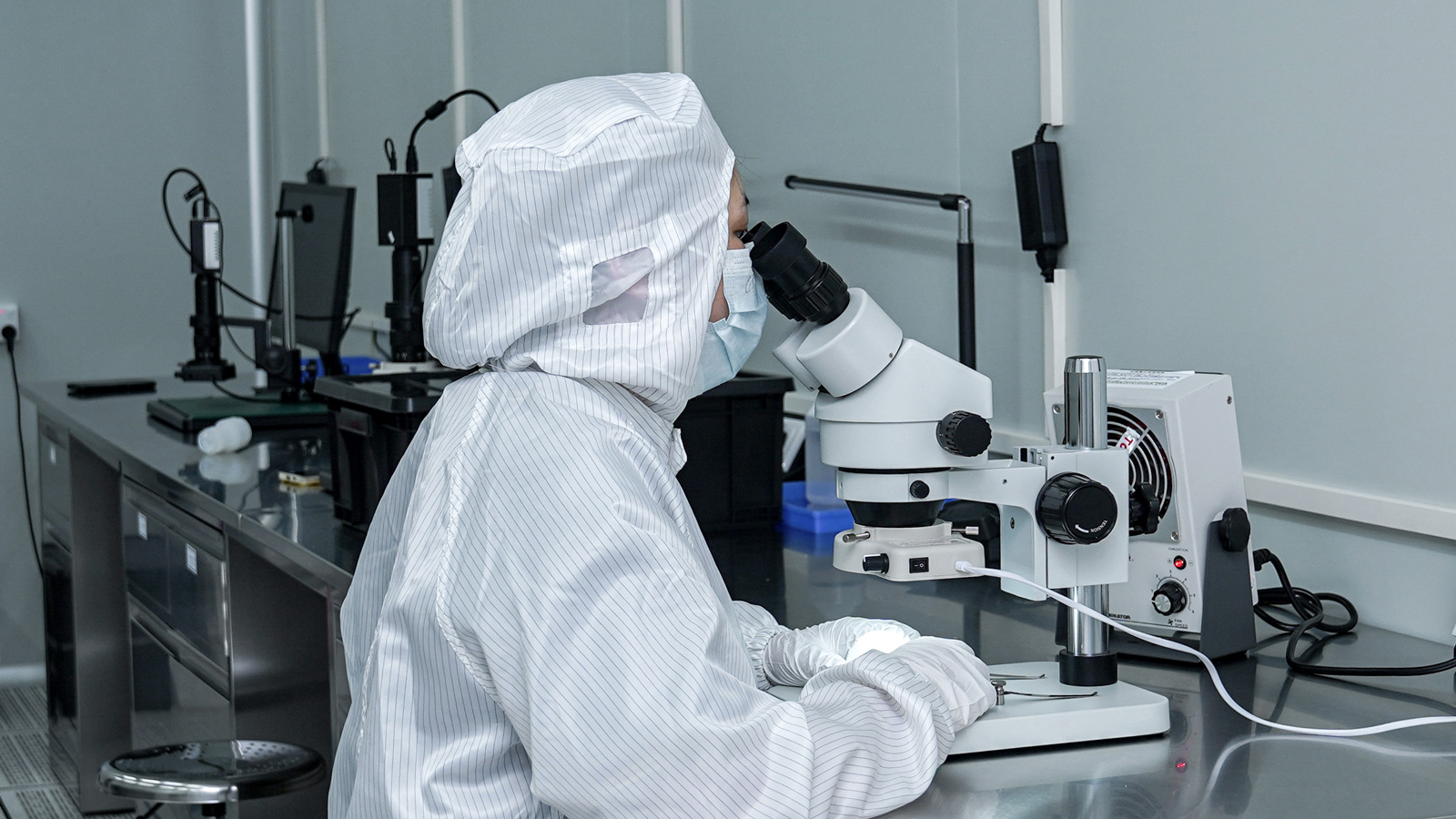
First, material cleanliness and structural uniformity. Metallurgical defects in steel such as non-metallic inclusions, center porosity, composition segregation, and uneven carbide distribution can significantly reduce the strength, toughness, and fatigue resistance of the material. High-end die steel typically employs electroslag remelting (ESR) or vacuum arc remelting (VAR) processes, which effectively reduce inclusion content and improve carbide morphology and distribution, thereby enhancing polishing performance, reducing heat treatment deformation risks, and making mold life more stable. For plastic molds requiring mirror polishing or cold heading molds subjected to high impact, cleanliness is a non-negotiable baseline indicator.
Second, the balance of hardness, toughness, and red hardness. Molds need to serve for long periods under harsh conditions of high temperature, high pressure, and high wear. Simply pursuing high hardness leads to increased brittleness and higher cracking risk, while excessive toughness may result in accelerated wear or deformation. The core value of high-quality die steel lies in finding the optimal balance point between hardness and toughness through scientific alloy proportioning and heat treatment processes. For hot work die steel, red hardness – the ability to maintain hardness at high temperatures – is particularly critical. The reason high-performance hot work steels such as H13 have become the mainstream choice in die-casting and hot forging fields is precisely that they can maintain sufficient strength and hardness at around 600°C.
Third, dimensional accuracy and machinability. For die steel delivered in pre-hardened condition, its hardness uniformity, flatness, and surface quality directly affect subsequent processing efficiency and cost. Good machinability, polishability, and heat treatment stability can significantly shorten mold manufacturing cycles and reduce processing scrap rates. Especially for large molds, the hardenability of steel and cross-sectional hardness uniformity directly determine the consistency of overall mold performance, making them important indicators that cannot be ignored.
Regional Industry Perspective: Material Transformation in Dongguan’s Mold Industry Upgrade
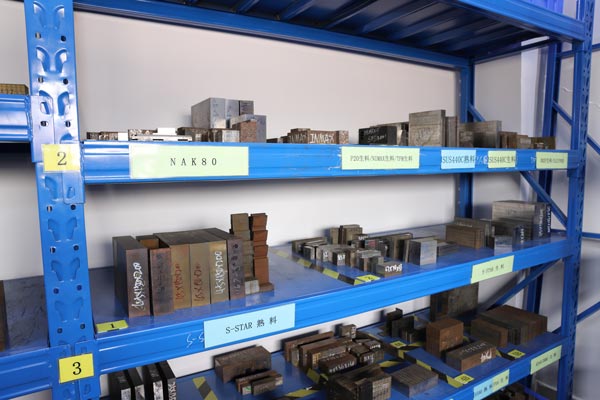
As one of the regions with the highest density of mold industry in China, Dongguan is home to over 21,000 mold and supporting enterprises, with actual die steel consumption of approximately 420,000 tons in 2025 and annual procurement value estimated at 8.76 billion yuan. From the evolution trajectory of Dongguan’s mold industry, the upgrading path of die steel selection concepts can be clearly observed.
Changes in downstream demand structure are forcing a deep transformation of the die steel supply chain. New energy vehicle battery housing die-casting molds have increased thermal crack resistance requirements for hot work steels such as H13 and W302 by more than 20%; folding screen hinge precision stamping molds are driving cold work steels like SKD11 and D2 toward higher dimensional tolerances and lower decarburization layers; medical catheter connector injection molds have significantly increased demand for mirror-polish grade plastic mold steels such as 718H and S136. Typical buyers have expanded from traditional mold factories to supply chain management departments of terminal manufacturers such as BYD, Luxshare Precision, and Mindray Medical, whose procurement decisions focus more on material inspection reports, heat treatment process adaptation recommendations, and the response speed of localized processing services.
This trend indicates that competition in die steel has shifted from simple price competition to comprehensive competition of “material performance + technical service + supply chain efficiency.” When selecting die steel suppliers, enterprises should not merely compare unit prices per ton, but evaluate the true value of materials from a lifecycle cost perspective. A mold with a 30% increase in service life is still the more economical choice overall, even if the steel procurement cost is 15% higher.
Scientific Die Steel Selection Strategy: From Operating Condition Matching to Lifecycle Cost
Die steel selection is a systematic engineering process that requires careful consideration of multiple factors, including working conditions, product requirements, production volume, and cost budget. The following principles can help enterprises make more rational selection decisions.
Working condition adaptation is the first principle. The three major categories of die steel – cold work, hot work, and plastic – each correspond to different working environments, and cross-category mixing should be strictly avoided. Cold work molds focus on wear resistance and toughness, hot work molds emphasize red hardness and thermal fatigue resistance, and plastic molds require attention to polishability, corrosion resistance, and dimensional stability. On this basis, it is also necessary to select steel grades with corresponding performance levels according to specific parameters such as temperature range, load magnitude, impact frequency, and production volume.
Emphasize process synergy. The performance of die steel is highly dependent on heat treatment processes. The same steel grade may perform drastically differently due to different heat treatment parameters. When determining the material grade, enterprises should simultaneously plan the heat treatment scheme and seek technical support from suppliers when necessary. For molds with complex structures or high precision requirements, the impact of forging ratio, carbide distribution, residual stress, and other factors on final performance should also be fully considered.
Establish lifecycle cost thinking. The purchase price is only the starting point of die steel costs. Subsequent machining costs, heat treatment risks, mold repair frequency, service life, and downtime losses together constitute the total cost of ownership. Procuring based purely on the lowest price often leads to uncontrolled late costs. Enterprises should establish an evaluation system centered on mold life and product yield, treating die steel as an investment rather than a simple cost item.
Choose reliable supply chain partners. Even for the same grade, products from different steel mills and different batches may differ in microstructure and performance stability. Selecting suppliers with formal steel mill authorization, complete quality certification documents, and technical service capabilities is an important prerequisite for ensuring mold quality stability. For manufacturing enterprises in Dongguan and the Pearl River Delta region, local suppliers have natural advantages in delivery time, processing support, and technical response.
FAQ
Q1: What is the most fundamental criterion for selecting die steel?
A: The most fundamental criterion is the molding process and working conditions of the mold. Hot working molds (die-casting, hot forging, hot extrusion) should use hot work die steel, focusing on red hardness and thermal fatigue resistance. Cold working molds (stamping, cold heading, cold extrusion) should use cold work die steel, focusing on the balance between wear resistance and toughness. Plastic molding molds require corresponding plastic mold steel selected according to plastic type, surface requirements, and production volume.
Q2: Does higher die steel hardness always mean longer service life?
A: Not necessarily. Hardness and service life do not have a simple positive correlation. Increasing hardness within a certain range does enhance wear resistance, but if hardness is too high, it leads to insufficient toughness, and the mold is instead prone to early failures such as chipping and spalling. The correct approach is to determine a reasonable hardness range based on the primary failure mode: for wear-dominated failures, hardness can be appropriately increased; for fracture-dominated failures, toughness should be prioritized while ensuring a certain level of wear resistance.
Q3: Why is there such a large price difference for the same grade of die steel?
A: Price differences mainly stem from smelting processes, cleanliness levels, brand reputation, and quality assurance systems. Die steel from large, reputable steel mills has stricter alloy composition control, smelting processes, and flaw detection, resulting in better performance stability and more consistent service life. Materials from some smaller mills may only meet the lower limit of standards, or even have issues with composition shortcuts and simplified processes. For high-volume, high-requirement molds, we recommend prioritizing materials from regular channels with guaranteed quality.
Q4: How should I choose between pre-hardened steel and quenched steel?
A: Pre-hardened steel is delivered after heat treatment and can be directly machined. Its advantages are short cycle time and low deformation risk, making it suitable for medium-to-large molds and scenarios with moderate precision requirements. Representative grades include P20, 718H, and NAK80. Quenched steel requires heat treatment after machining to achieve higher hardness and wear resistance, making it suitable for small-size, high-life, or high-wear mold applications. Representative grades include Cr12MoV, H13, and S136. The choice should comprehensively consider mold size, precision requirements, life expectancy, and processing conditions.
Q5: Is the additional investment in electroslag remelted die steel worthwhile?
A: For high-requirement molds, yes. The electroslag remelting process significantly improves steel cleanliness and structural uniformity, reducing inclusions and segregation. The direct benefits include improved polishing performance, reduced heat treatment deformation, enhanced fatigue and crack resistance, and more stable mold life. If the mold requires high surface finish, is subjected to significant thermal shock, or has strict requirements for life consistency, choosing electroslag remelted materials typically offers higher overall cost-effectiveness.