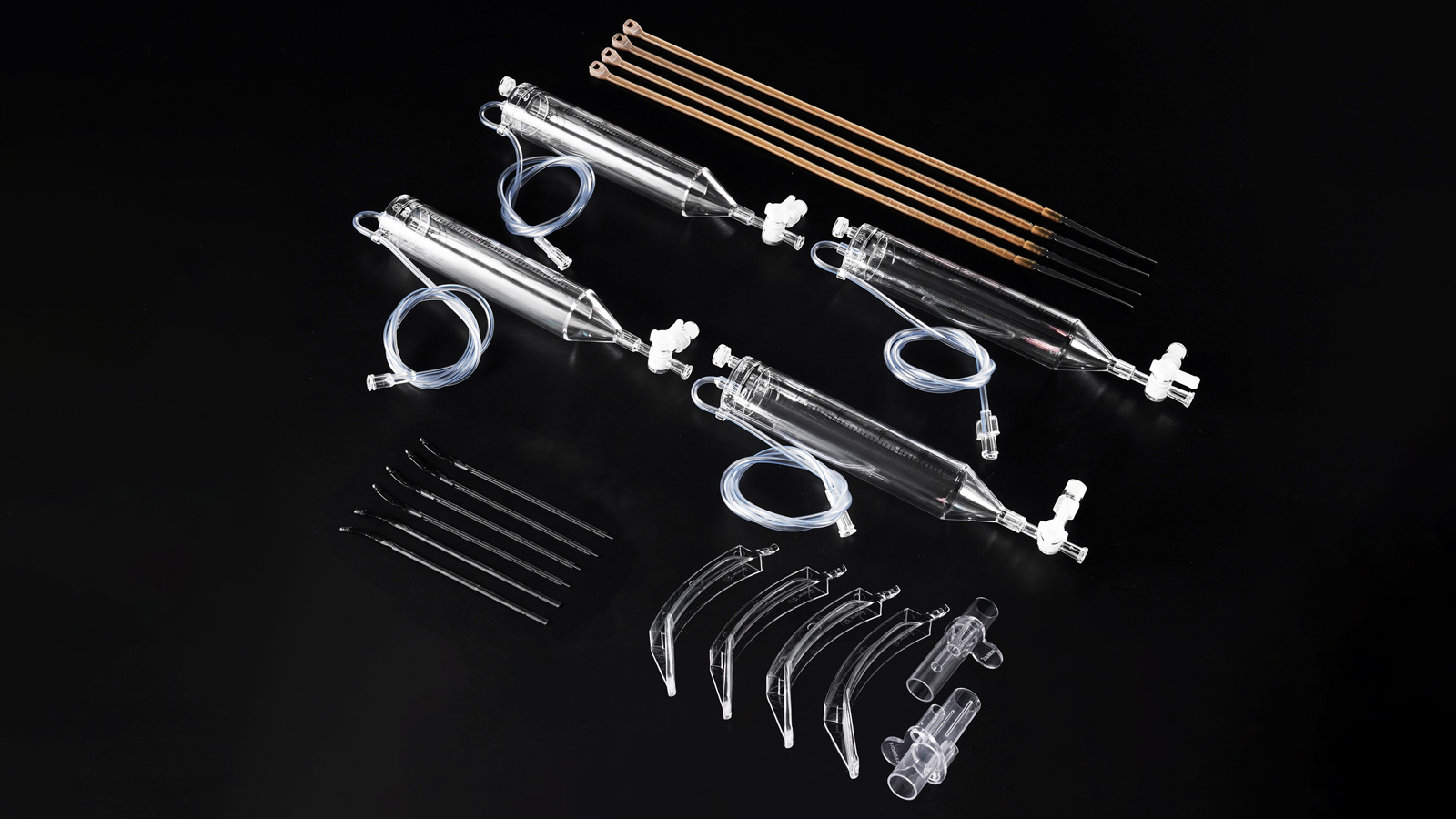
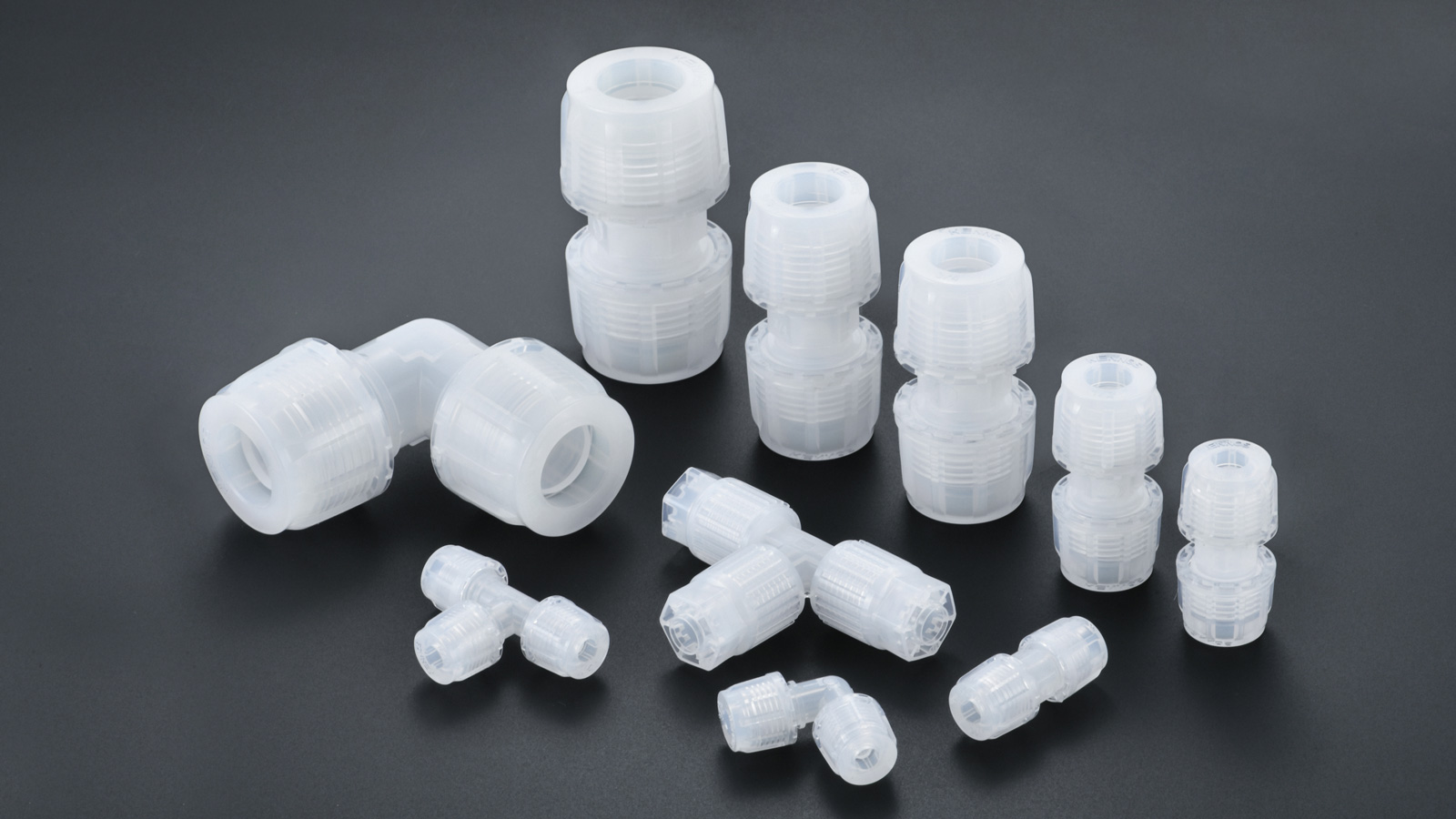
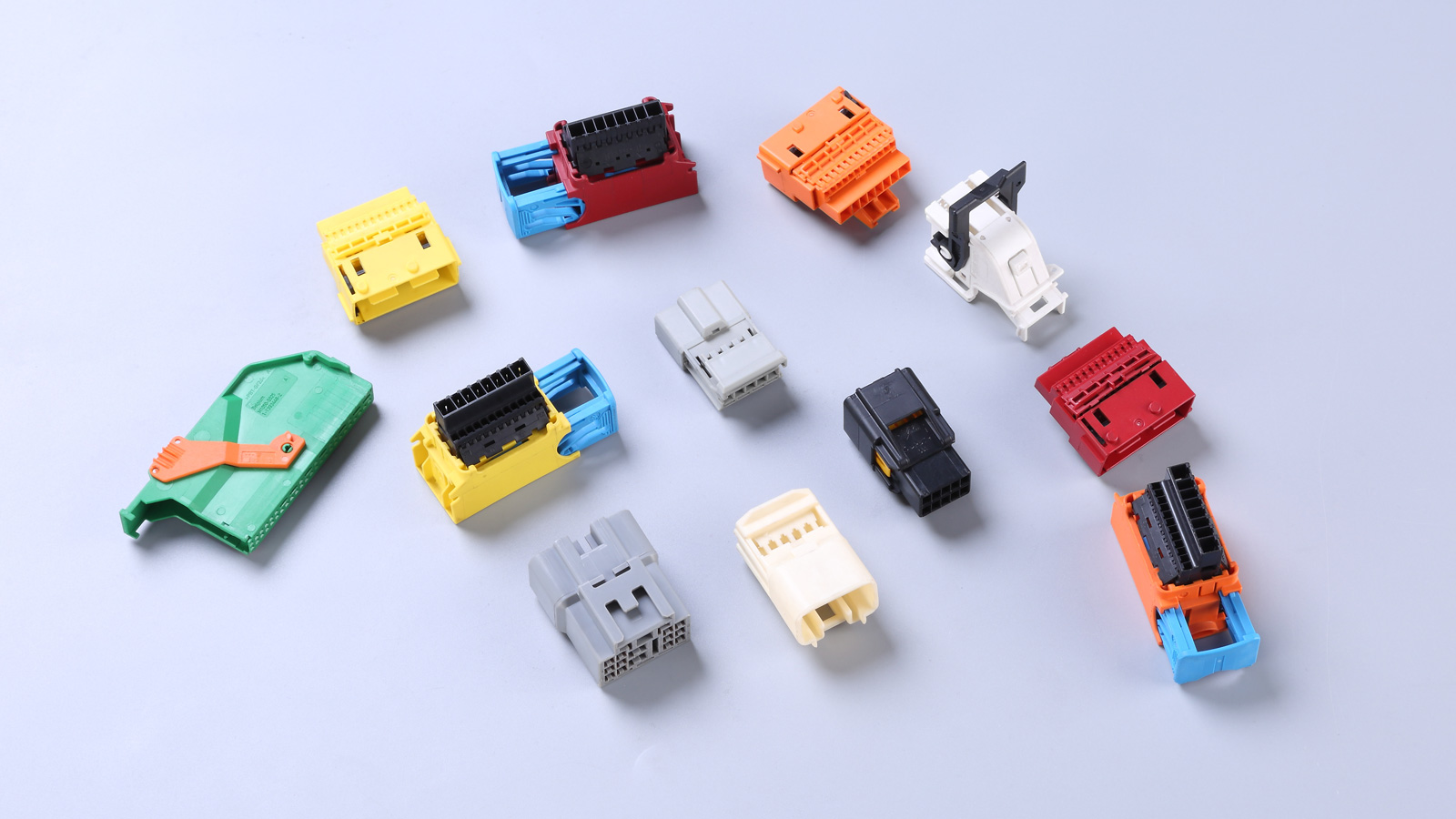
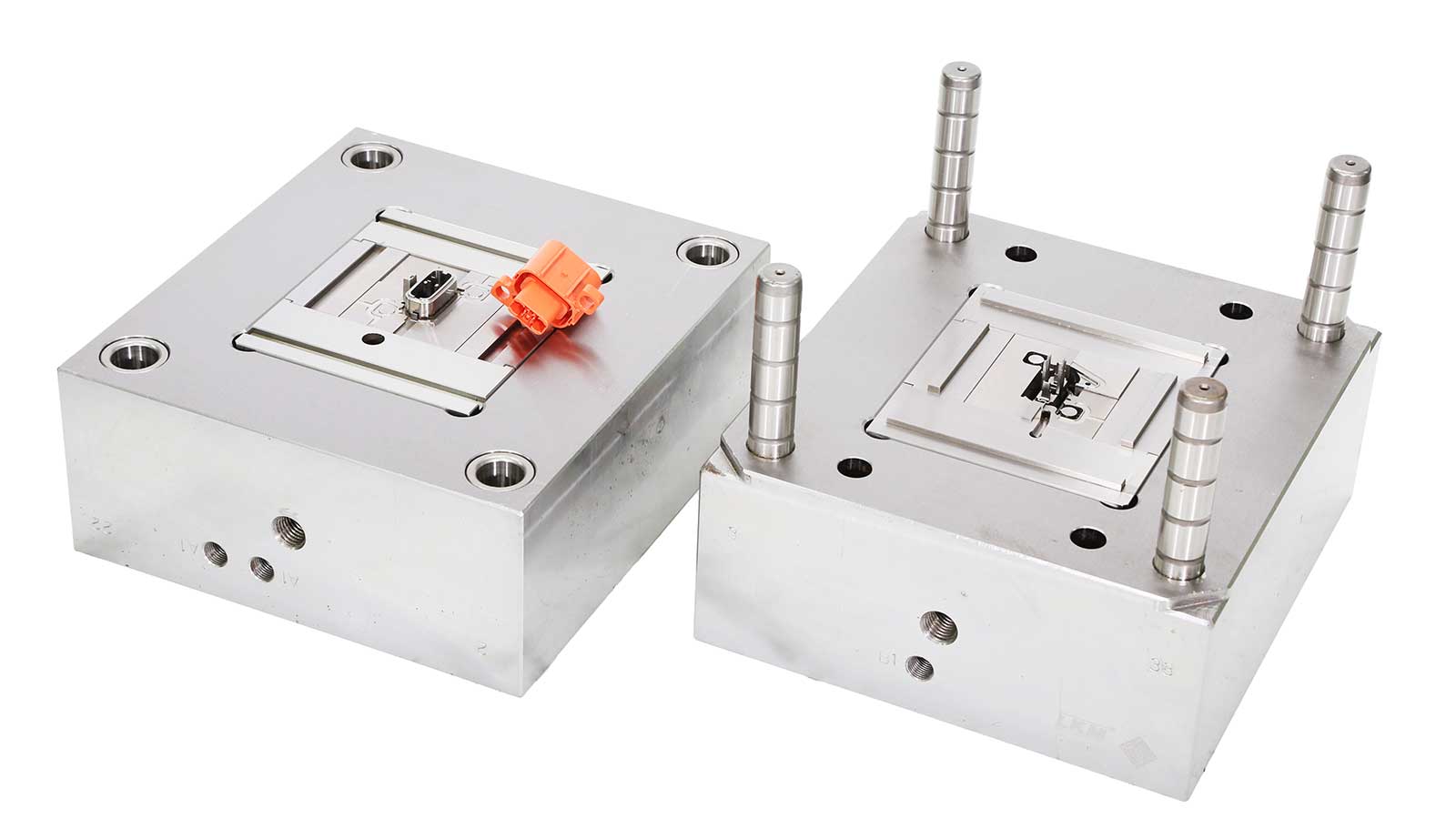



Manufacturing components for the medical device industry requires strict engineering controls, zero-defect quality management, and strict regulatory compliance. Unlike standard consumer goods, medical devices directly impact patient safety, making the selection of an experienced medical injection mold manufacturer critical to product reliability and long-term production stability.
Understanding the core technical requirements of medical mold manufacturing helps engineering teams evaluate tooling suppliers and ensure seamless transition from design to mass production.
Core Engineering Requirements in Medical Mold Fabrication
1. Micron-Level Dimensional Tolerances
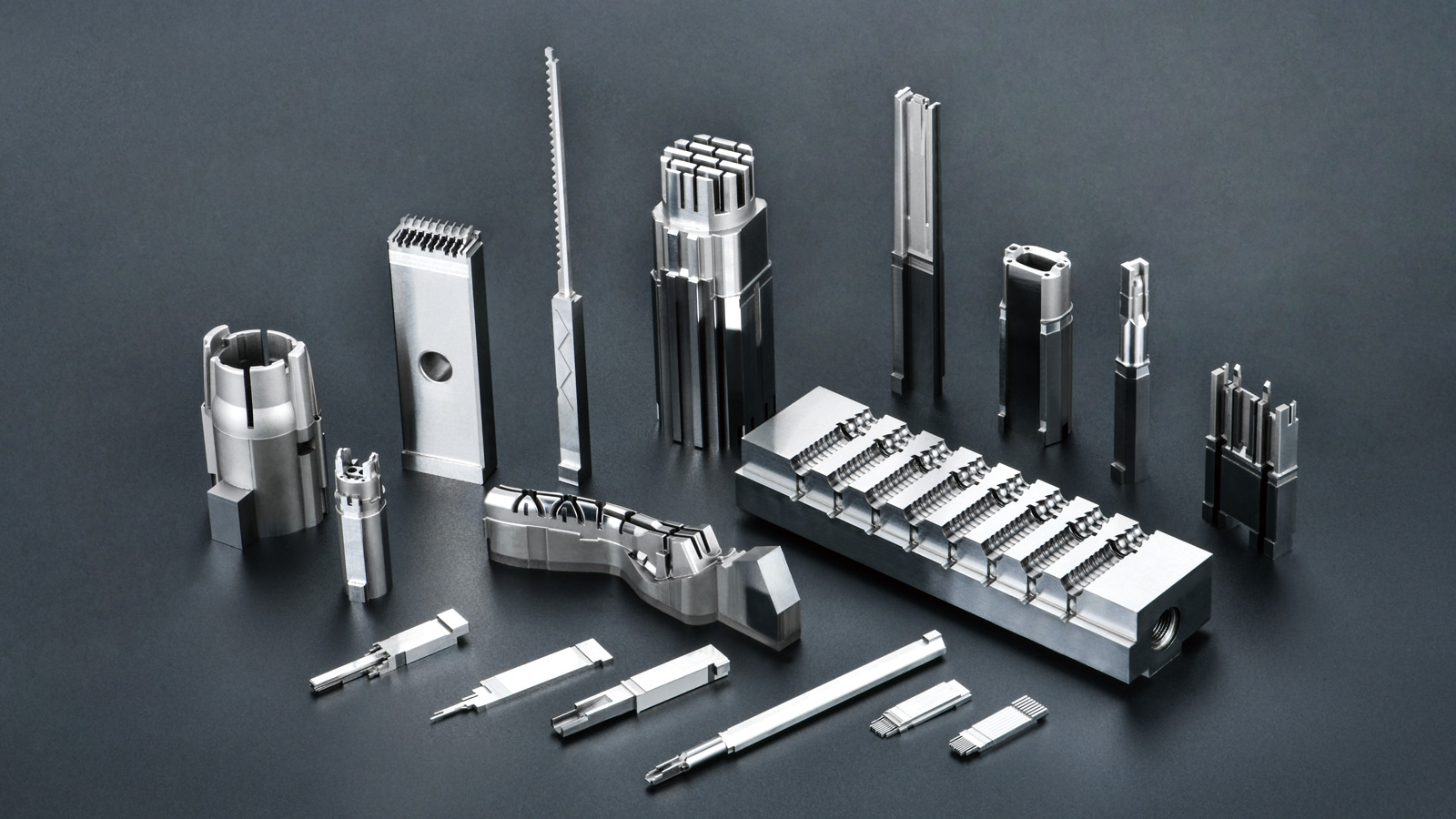
Medical devices, such as micro-fluidic chips, surgical instruments, and fluid delivery systems, often feature intricate internal geometries and mating parts. Tooling must achieve tolerances as tight as ±0.002 mm (2 microns) to ensure part interchangeability and prevent fluid leakage or mechanical failure under operating pressure. Achieving this level of accuracy requires high-speed CNC milling, precision wire EDM, and temperature-controlled machining environments.
2. Biocompatible Steel Selection and Traceability
Tooling materials must withstand abrasive, corrosive, or high-viscosity medical polymers, including PEEK, Polycarbonate (PC), Polysulfone (PSU), and Liquid Silicone Rubber (LSR). Premium mold steels—such as S136, NAK80, and 1.2083 stainless steel—are standard due to their resistance to rust, wear, and chemical erosion during steam or chemical sterilization cycles. Every batch of steel requires full material certification and heat treatment traceability.
3. Cleanroom Compliance and Lubrication Controls
Contamination prevention starts at the mold design phase. Molds operating in ISO Class 7 or Class 8 cleanrooms must feature specialized surface coatings (such as Titanium Nitride or Chrome plating) and stainless steel base plates to prevent particulate shedding. Mold designs must eliminate the need for liquid lubricants on moving components, utilizing self-lubricating graphite bushings or sealed mechanical mechanisms to keep parts sterile.
4. High-Gloss Mirror Surface Finishing
Surface integrity affects biocompatibility, fluid flow dynamics, and cleanability. SPI A-1 to A-3 mirror finishes remove micro-cavities where bacteria or residue can gather. Ultra-smooth cavity polishing allows effortless part ejection without relying on external mold release sprays, which can contaminate medical components and compromise downstream bonding or sterilization.
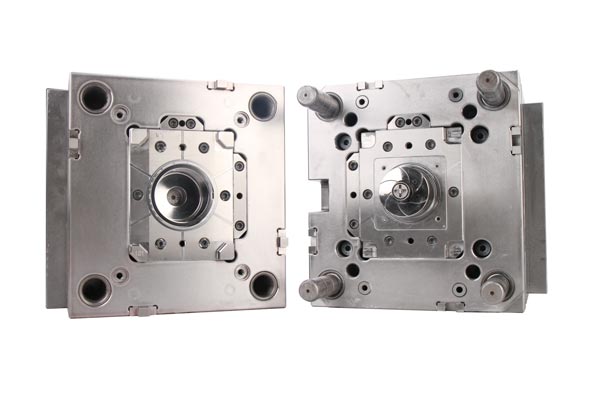
5. DFM and Moldflow Simulation Analysis
Before steel cutting begins, comprehensive Design for Manufacturability (DFM) reviews and Moldflow simulation analysis are mandatory. These engineering steps analyze:
-
Wall thickness uniformity and shear stress distribution
-
Air trap formation and venting locations
-
Gate placement to eliminate weld lines in high-stress areas
-
Conformal cooling channel layout to minimize cycle times and prevent part warpage
Validation and Quality Assurance Protocols
Partnering with a qualified medical injection mold manufacturer ensures full compliance with validation frameworks required by international regulatory bodies:
-
Installation Qualification (IQ): Confirms that mold design specifications, steel certifications, cooling layouts, and critical mold components conform to engineering drawings.
-
Operational Qualification (OQ): Establishes the process window by testing the mold under extreme pressure, speed, and temperature conditions to confirm operational stability.
-
Performance Qualification (PQ): Verifies that the mold produces consistent, defect-free parts across high-volume production runs and multiple material lots.
Why Choose Yize Mould?
Selecting the right tooling partner dictates the success of a medical device program. Dongguan Yize Mould Co., Ltd. provides specialized tooling solutions for global medical OEMs and Tier-1 medical manufacturers.
-
Ultra-Precision Machining Capability: Dongguan Yize Mould Co., Ltd. utilizes advanced Swiss and Japanese CNC milling, Makino EDM, and Sodick wire-cutting machinery to manufacture mold inserts with tolerances within ±0.001 mm to ±0.002 mm.
-
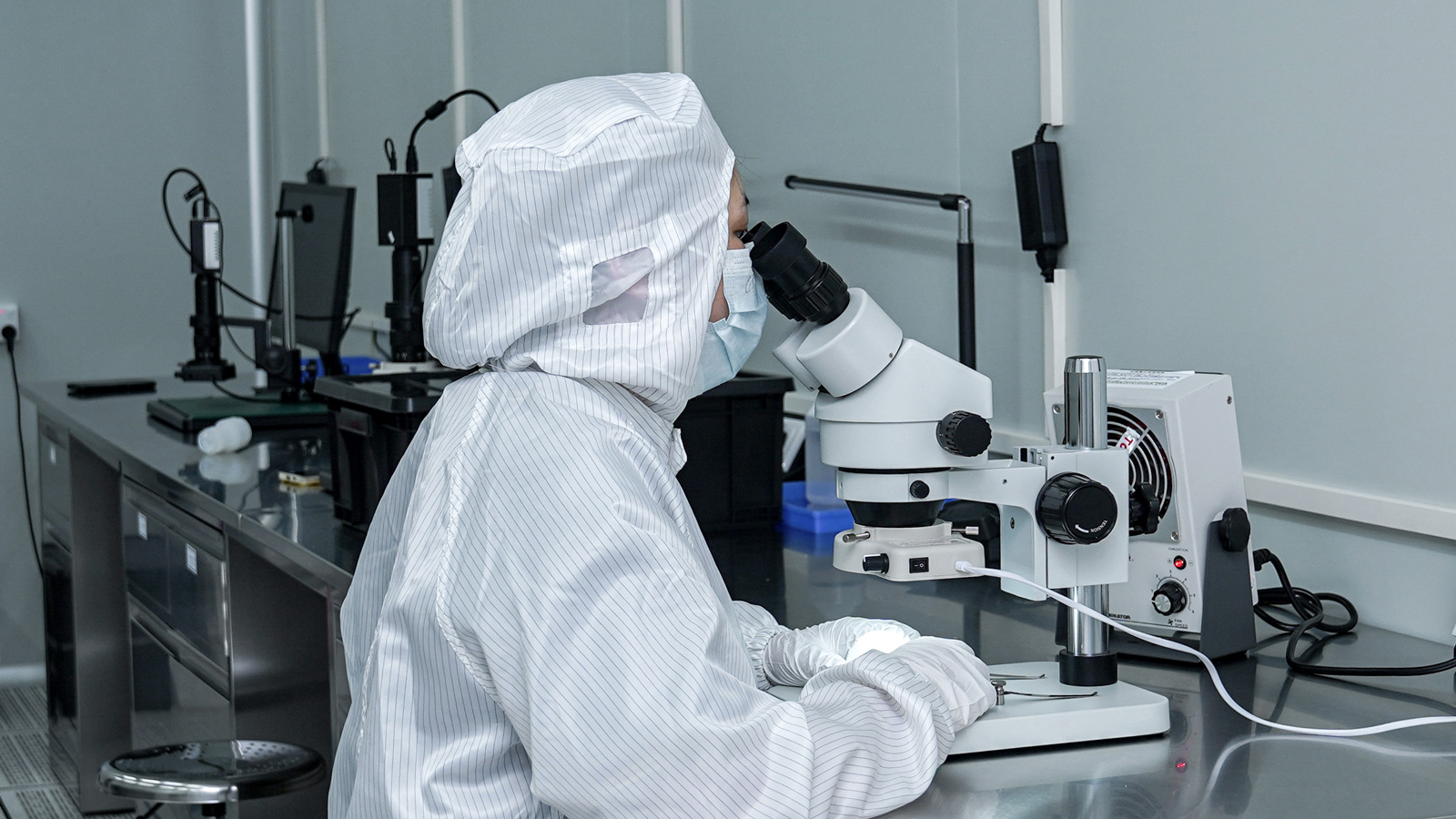
Strict Quality Control: Certified under ISO 9001 quality management standards, Dongguan Yize Mould Co., Ltd. performs 100% measurement inspection using Zeiss coordinate measuring machines (CMM) and optical projectors, providing complete dimensional reports and steel certificates with every mold.
-
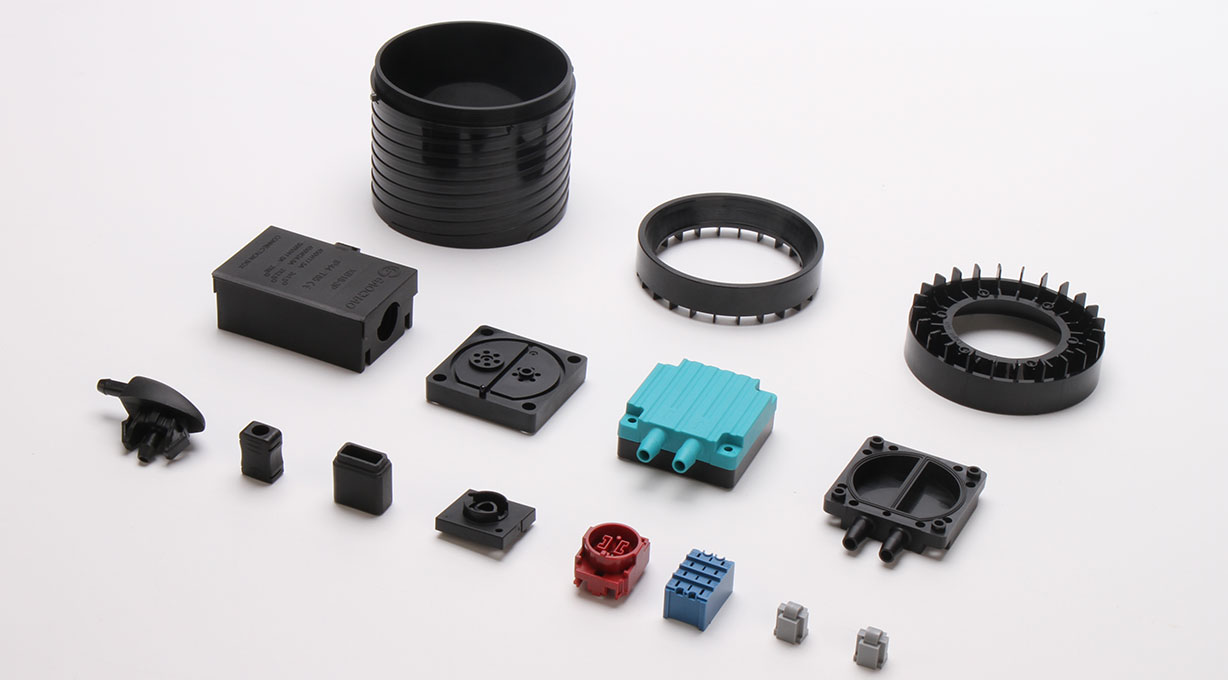
Medical Tooling Specialization: Dongguan Yize Mould Co., Ltd. has extensive experience building custom molds for surgical handles, diagnostic housings, IV components, and high-cavitation syringe parts using premium anti-corrosive stainless steels (S136H, NAK80).
-
Global Technical Support: Dongguan Yize Mould Co., Ltd. supports medical device clients throughout Europe, North America, and Asia with complete DFM consultation, rapid T1 sample validation, and post-delivery mold maintenance support.
Frequently Asked Questions (FAQ)
What steel grades are recommended for medical injection molds?
Stainless steel grades such as S136, NAK80, and 1.2083 are standard choice for medical injection molds due to high corrosion resistance, high hardness after heat treatment, and superior polishability required for cleanroom-grade components.
How does Dongguan Yize Mould Co., Ltd. maintain micron-level precision?
Dongguan Yize Mould Co., Ltd. maintains tight tolerances by conducting machining processes in temperature-controlled workshops, using ultra-precision Japanese and Swiss machinery, and conducting final verification on Zeiss CMM inspection equipment.
Can medical molds operate without mold release agents?
Yes. Medical molds are designed with high-grade optical mirror polishing (SPI A-1) and optimized draft angles, allowing smooth part ejection without chemical lubricants, preventing part contamination.
What documentation accompanies a completed medical mold from Yize Mould?
Dongguan Yize Mould Co., Ltd., as a professional medical injection mold manufacturer, delivers a complete documentation package with every tool, including initial DFM analysis, steel heat treatment records, full CMM dimensional inspection reports, Moldflow analysis, and T1 sample inspection data.