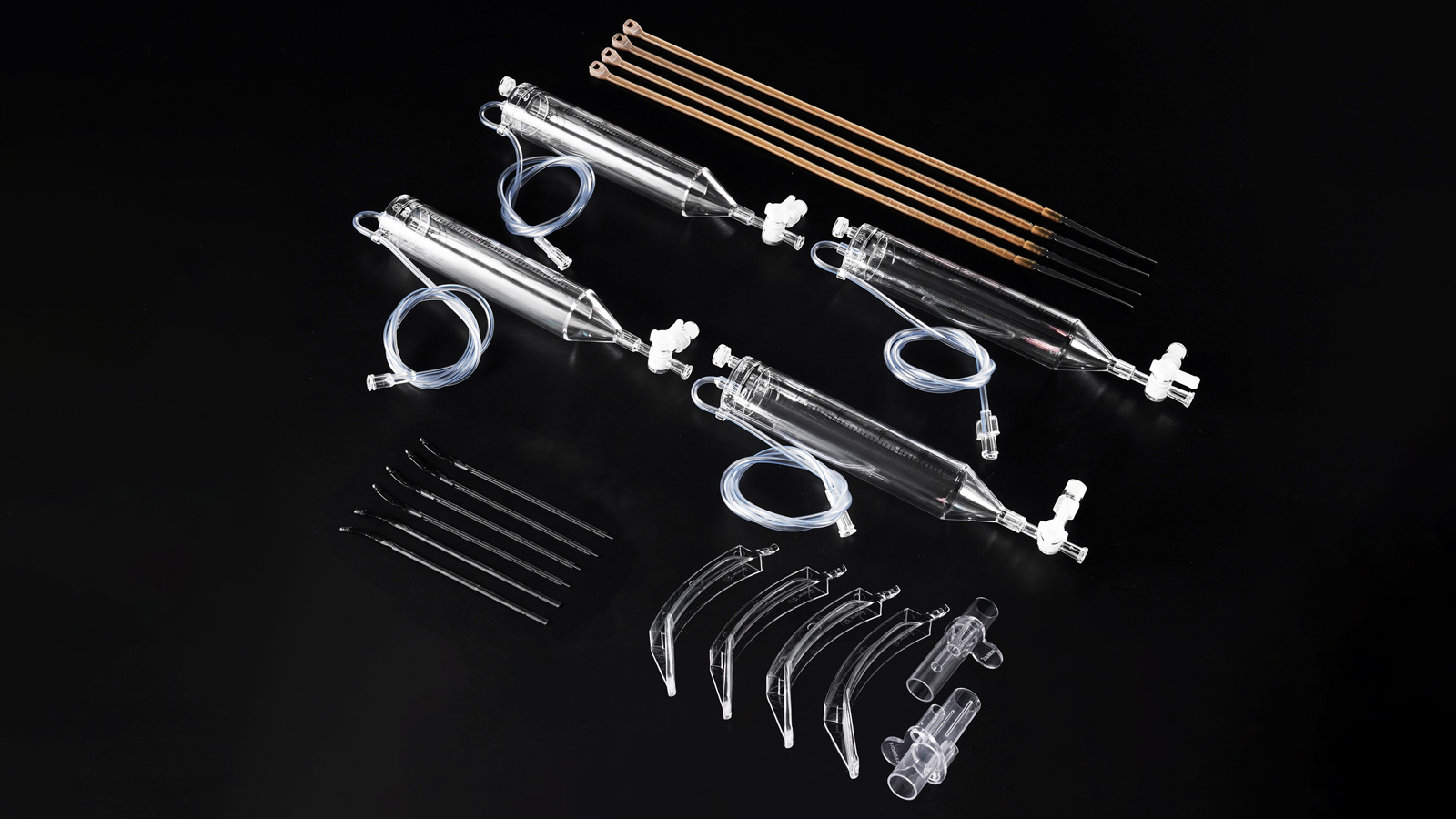
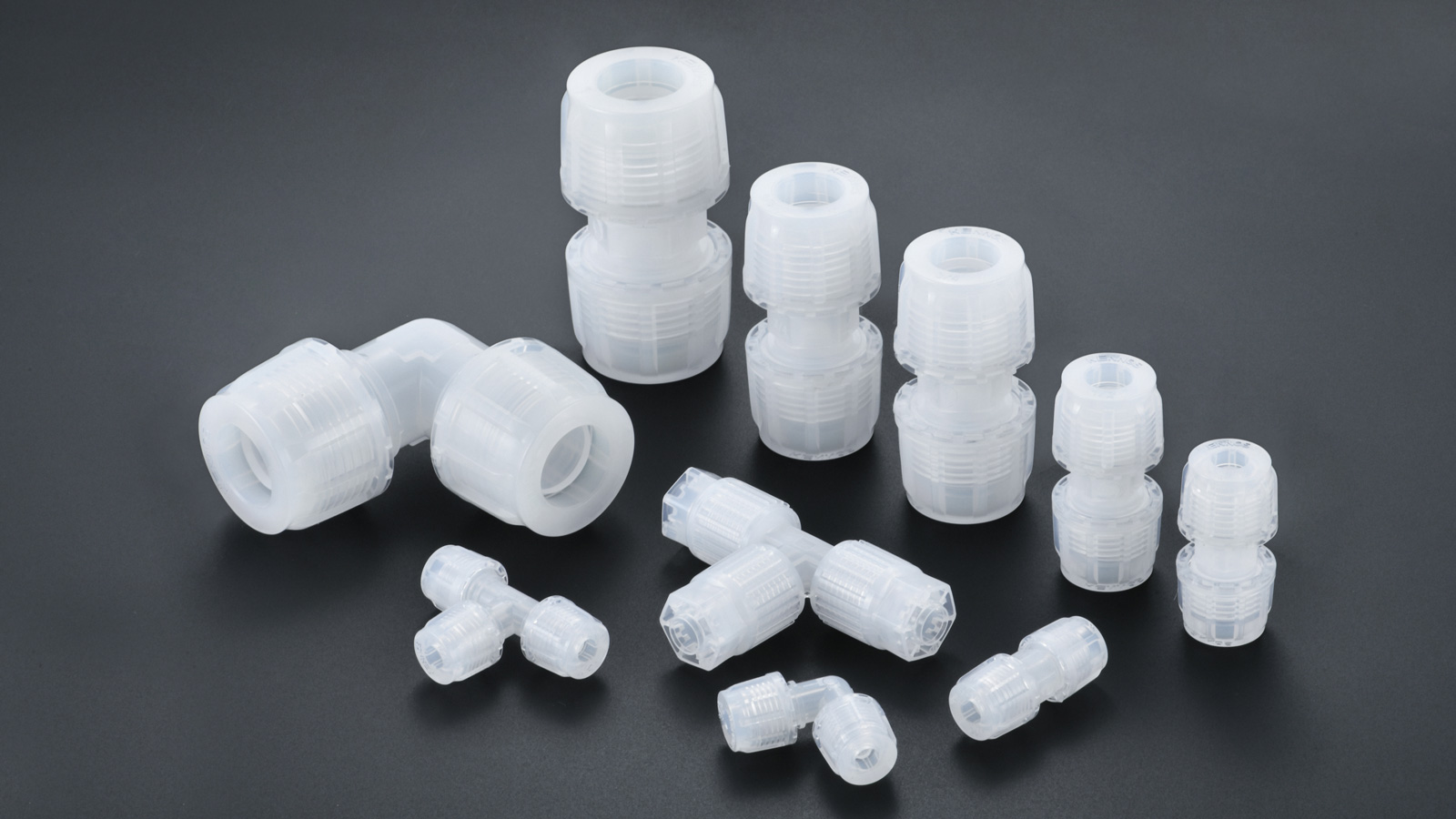




Injection molding and blow molding are two of the most widely used plastics manufacturing processes in custom component manufacturing. The fundamental difference between them lies in the final product geometry: whether it is a solid component with complex features or a hollow container.
Working Principles and Molding Mechanisms
Injection Molding
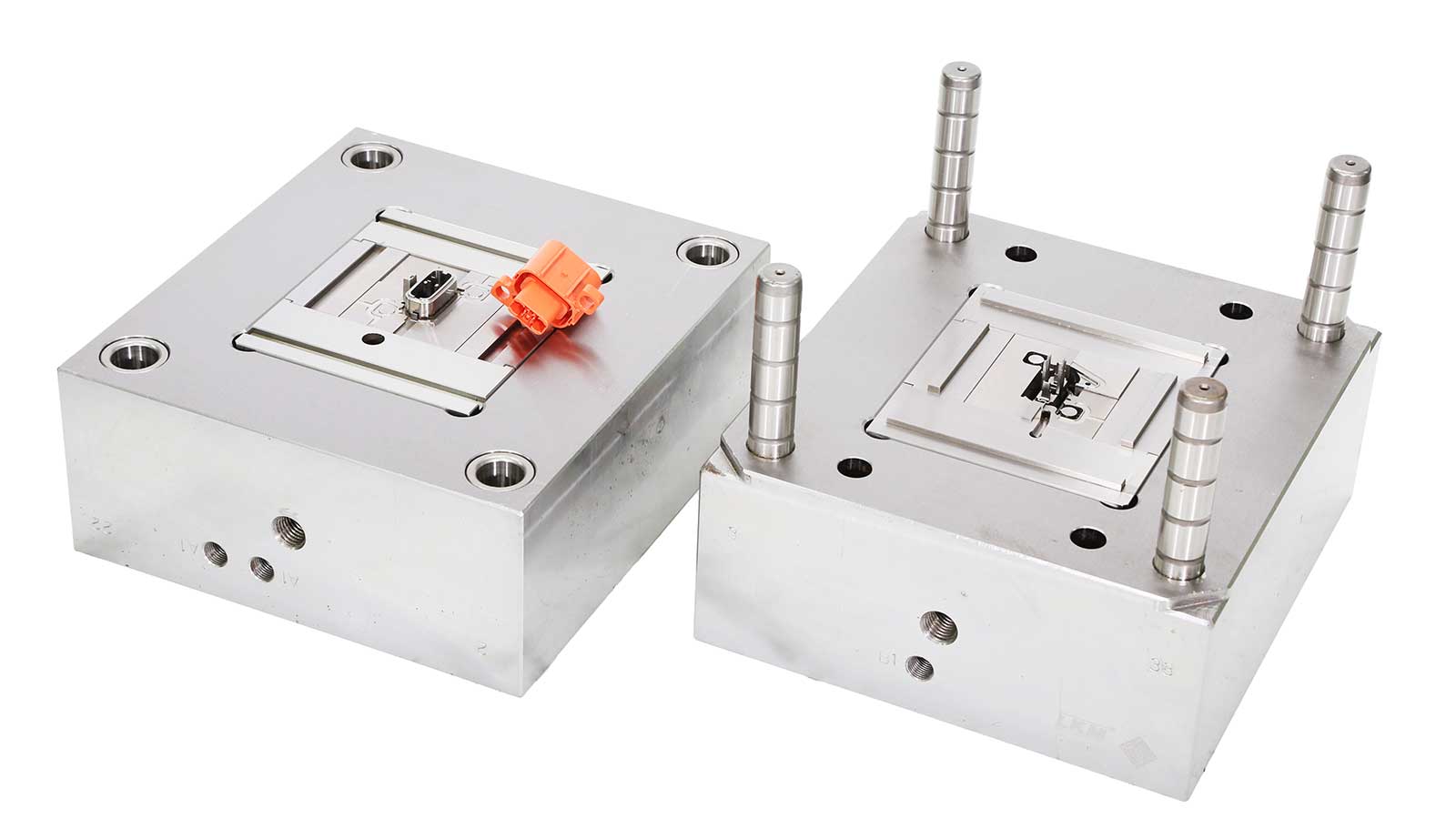
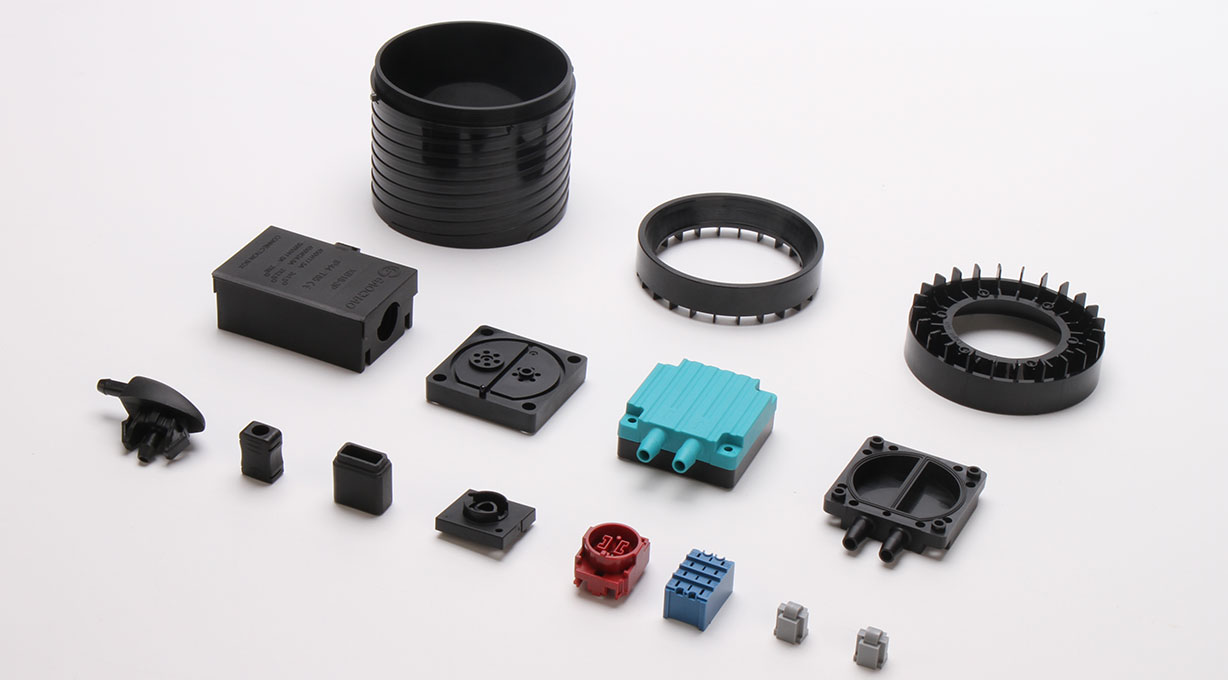
Injection molding injects molten plastic under high pressure into a closed steel or aluminum mold cavity. Once the polymer cools and solidifies, the mold opens to eject the finished part. This process accurately replicates fine mold details, making it ideal for producing solid or semi-solid components with complex geometries and tight dimensional tolerances.
Blow Molding
Blow molding begins by extruding molten plastic into a tubular preform called a parison. As the mold closes around the parison, compressed air is injected inside, expanding the plastic against the internal mold walls. After cooling, the mold opens to release a hollow part. By using air inflation, blow molding specializes in manufacturing sealed or narrow-neck hollow structures.
Engineering Characteristics and Cost Differences
Tooling Design and Upfront Investment
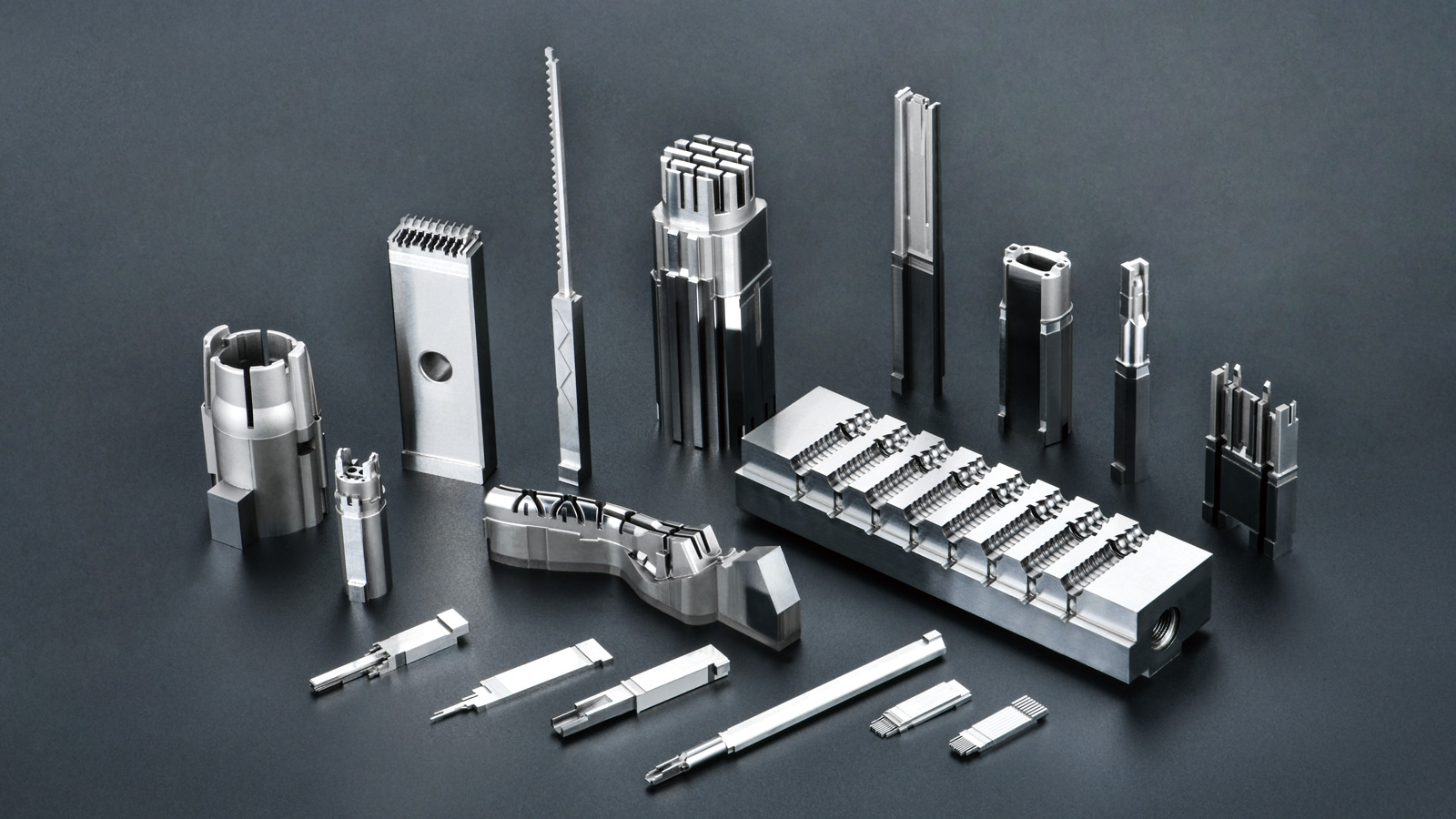
Injection molds must withstand extreme injection pressures and are typically crafted from hardened tool steel with precise CNC machining and EDM requirements. Consequently, upfront tooling investment is higher, and lead times are longer. In contrast, blow molding operates under significantly lower clamping and forming pressures, allowing toolmakers to use aluminum or softer alloys. This lowers initial tooling costs considerably compared to injection molds.
Dimensional Accuracy and Wall Thickness Control
Injection molding delivers precise wall thickness control throughout the entire part, enabling structural features like reinforcing ribs, snap fits, internal threads, and undercuts with tight tolerances. In blow molding, air expansion causes material to stretch at corners and edges, leading to uneven wall thickness distribution. As a result, blow molding suits applications with moderate tolerance requirements.
Material Efficiency and Processing Speed
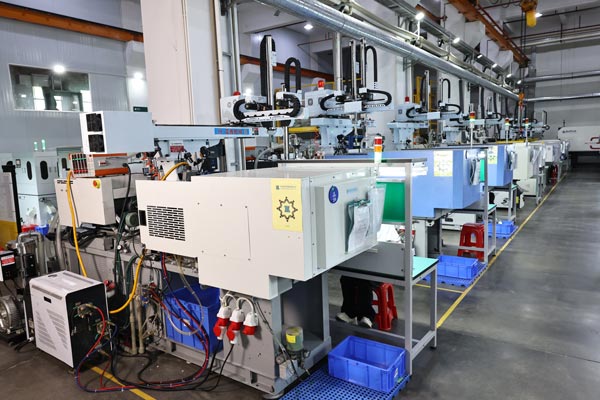
Injection molding generates minimal runner waste when paired with hot runner systems and maintains short cycle times suited for high-volume standardized production. Blow molding produces flash material at mold seam pinch-offs; while trim waste can be reground and recycled, removing flash requires additional post-processing steps.
Typical Industrial Applications
Process selection depends primarily on part geometry and functional requirements.
Injection Molding Applications
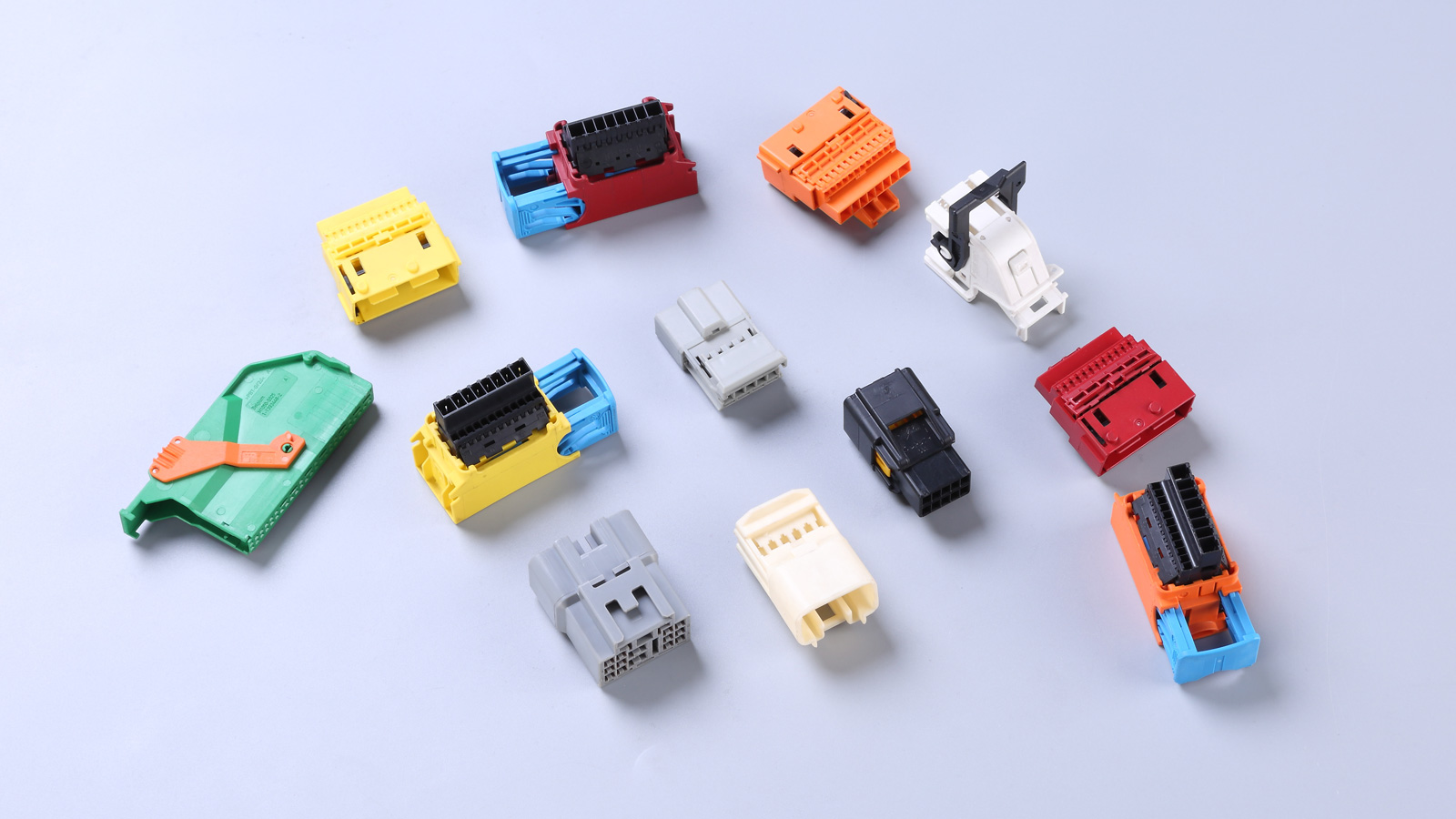
Injection molding sees widespread use in automotive components (dashboards, interior trim panels), electronics enclosures (housings, connectors), medical device components, and precision industrial gears. It remains the preferred choice for parts requiring high mechanical strength, tight assembly fits, or detailed surface finishes.
Blow Molding Applications
Blow molding dominates the hollow container market, including water bottles, chemical packaging, industrial storage drums, automotive fuel tanks, and hollow toys. Whenever the primary function involves containing fluids or reducing structural weight, blow molding offers clear cost efficiencies.
Decision Framework for Sourcing and Design
When evaluating manufacturing routes, procurement and engineering teams can consider the following criteria:
-
Part Geometry: Determine whether the internal volume must be hollow. If the component must store liquids or gas without internal complex structures, blow molding is appropriate. If the design includes assembly snaps, threaded bosses, or structural ribs, injection molding is required.
-
Upfront Budget: For low-to-medium production runs or initial prototyping, lower tooling costs make blow molding less capital-intensive. For high-volume orders, the amortized tooling cost of injection molding drops significantly per unit.
-
Tolerance and Surface Finish: Parts demanding millimeter-level assembly precision or high aesthetic detail benefit from injection molding to ensure exact fit and finish.
Frequently Asked Questions (FAQ)
Q1: Why are blow molds typically less expensive than injection molds?
Blow molding operates under significantly lower internal air pressures than injection molding. This allows toolmakers to construct molds from aluminum or lower-grade steels rather than hardened tool steels, reducing machining difficulty and material costs.
Q2: Can injection molding produce plastic bottles?
Injection molding can produce bottle preforms or multi-piece body components, but it cannot produce a seamless hollow container in a single step. Most plastic bottles use a two-step process: injection molding creates a precise preform, which is then stretch-blown into the final bottle shape.
Q3: Which process is more cost-effective for small production volumes?
For hollow containers, lower tooling costs give blow molding a clear advantage in small runs. For complex structural parts, injection molding is necessary regardless of volume; in these cases, simplifying tool design or using rapid tooling can help manage the initial investment.