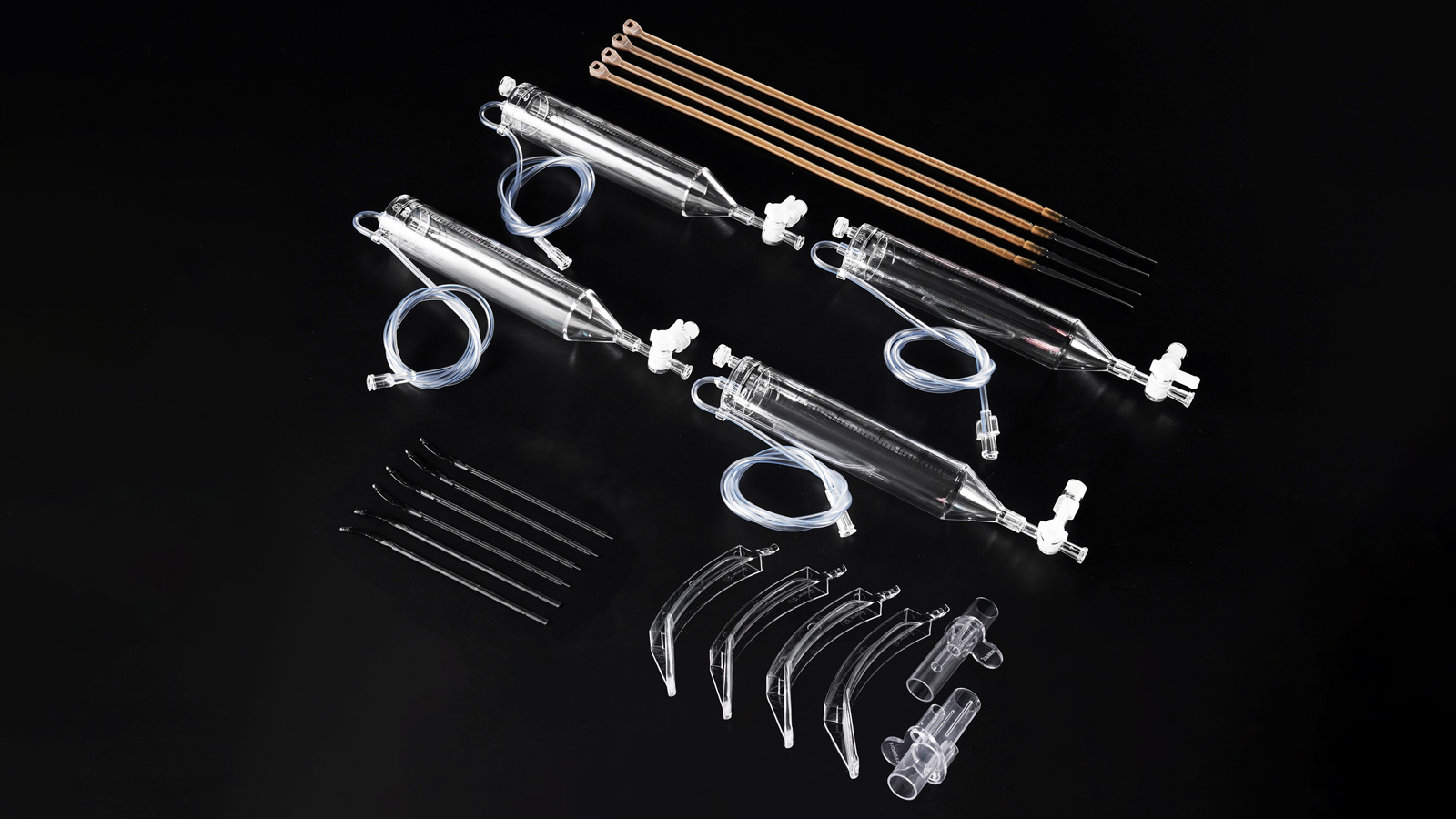
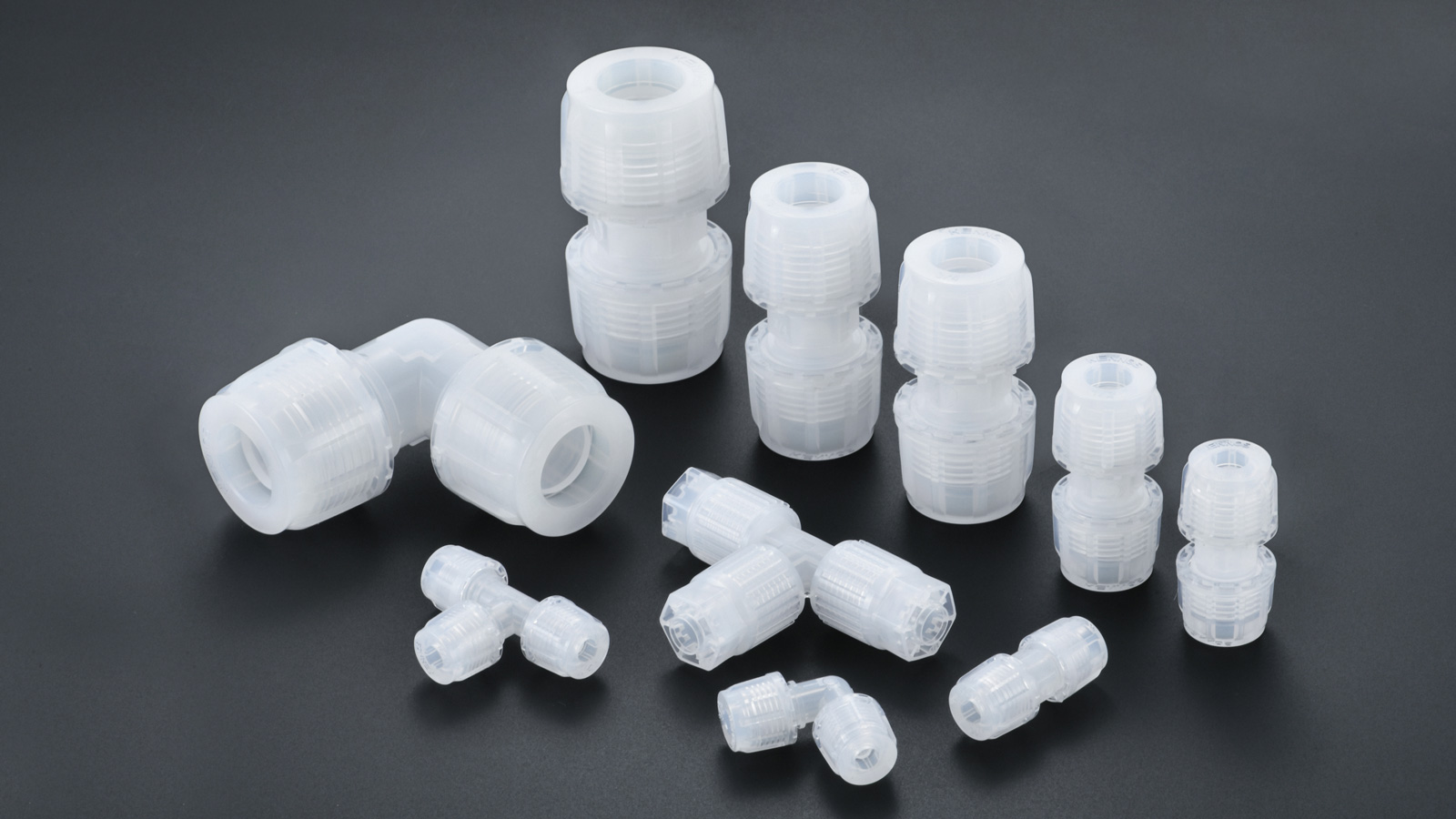
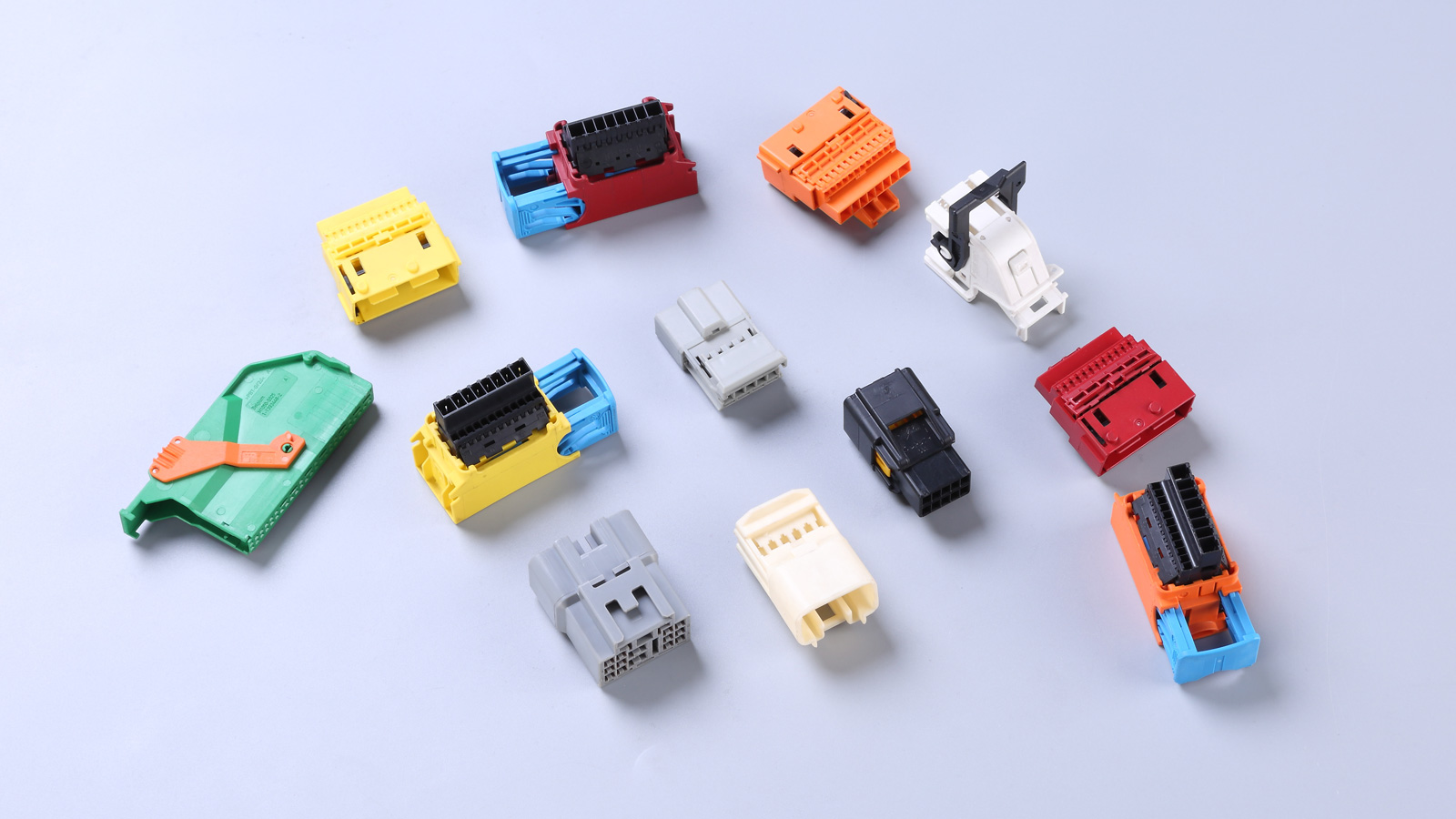
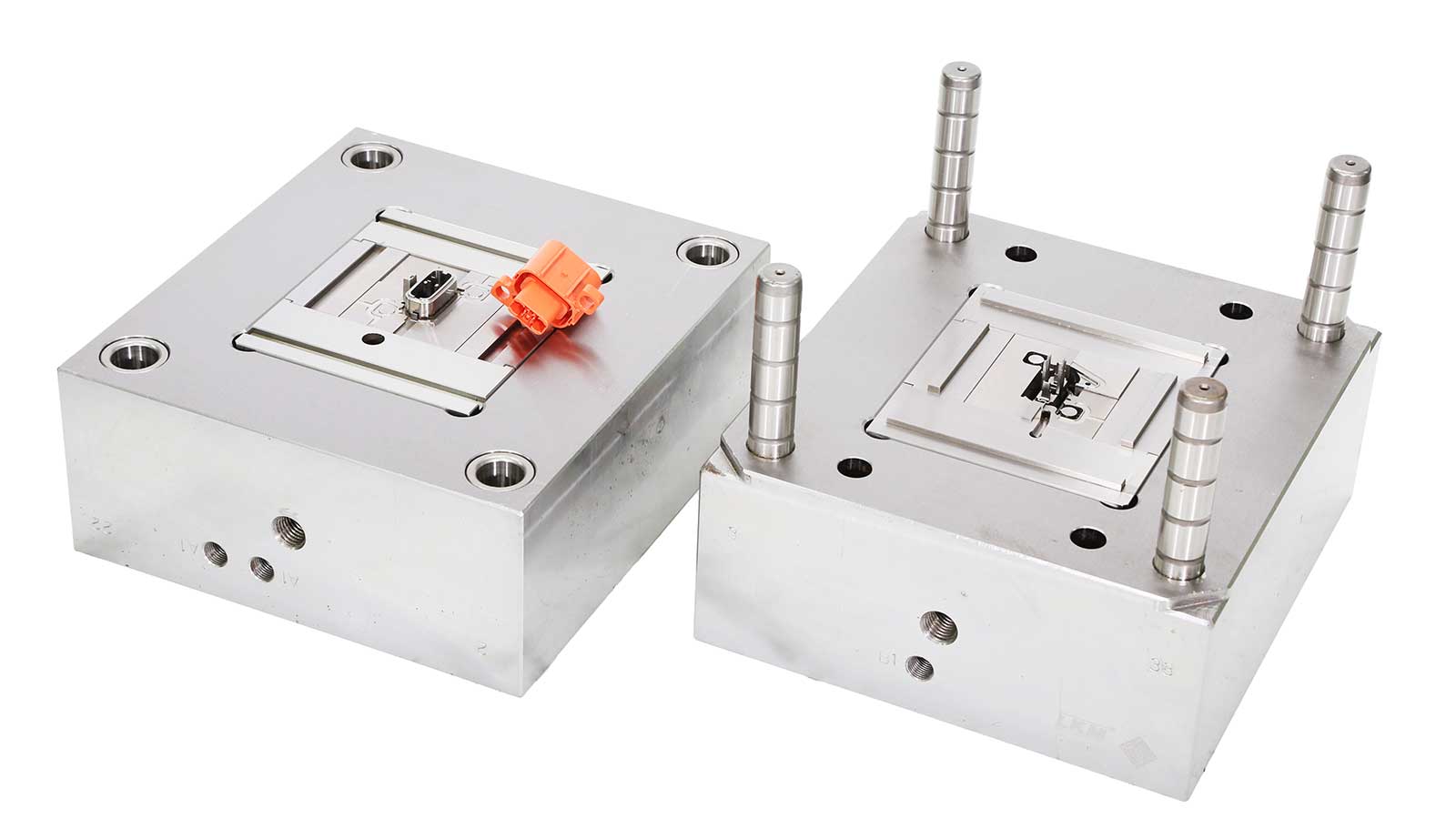
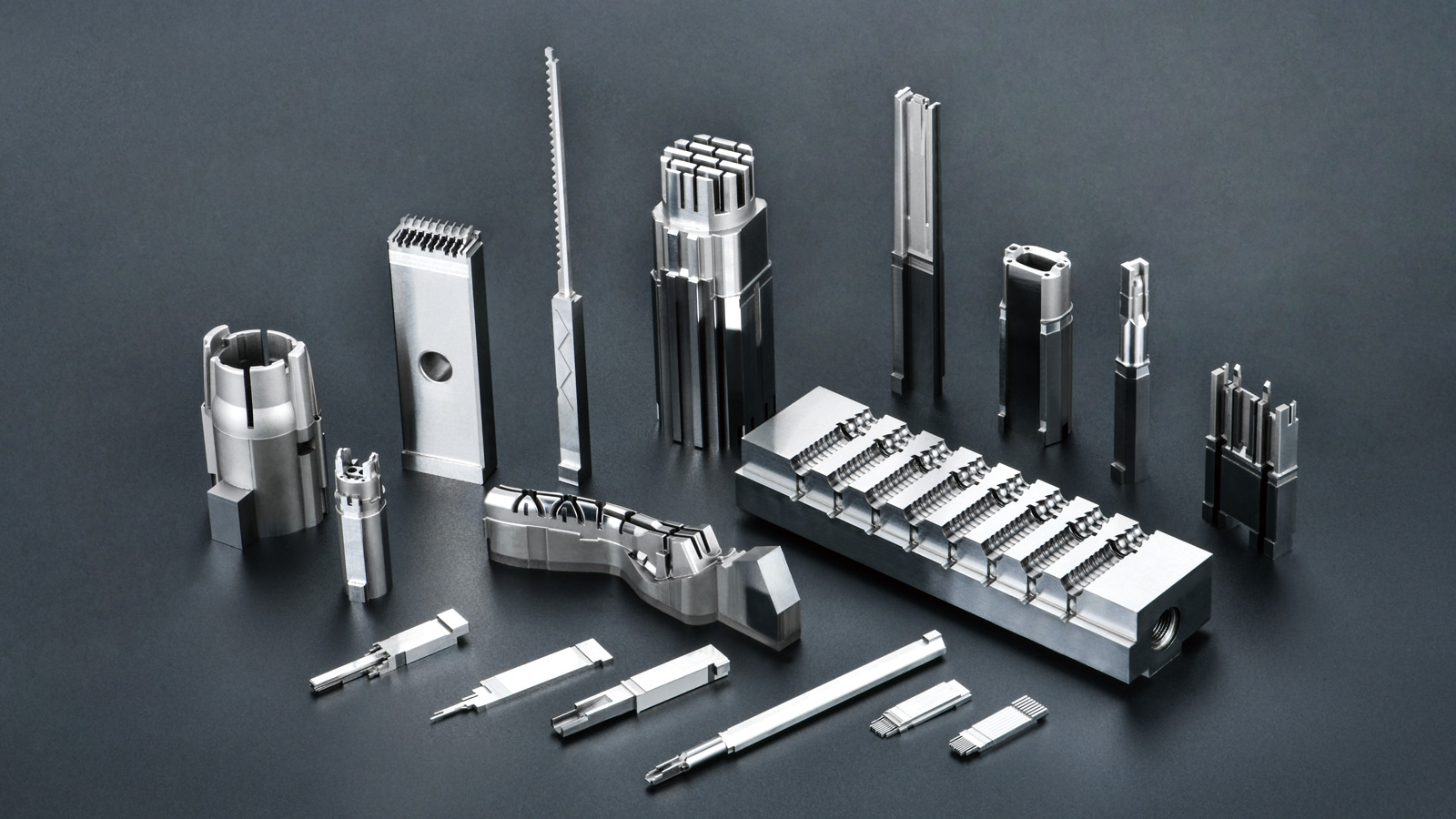
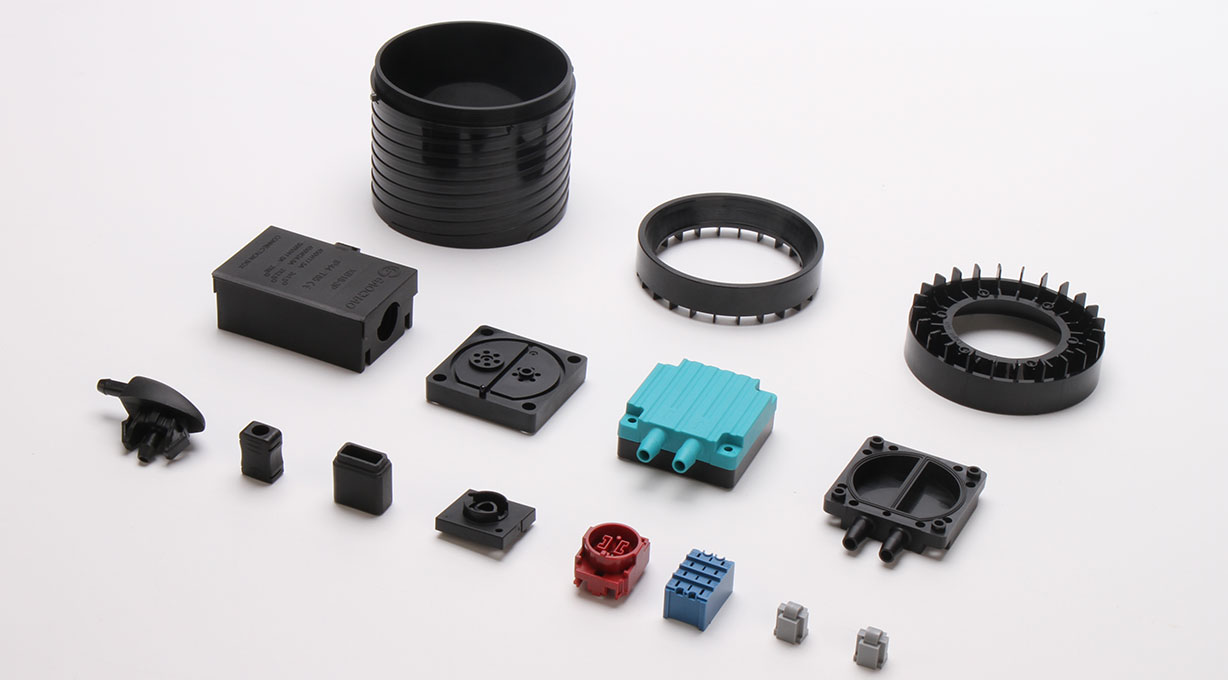
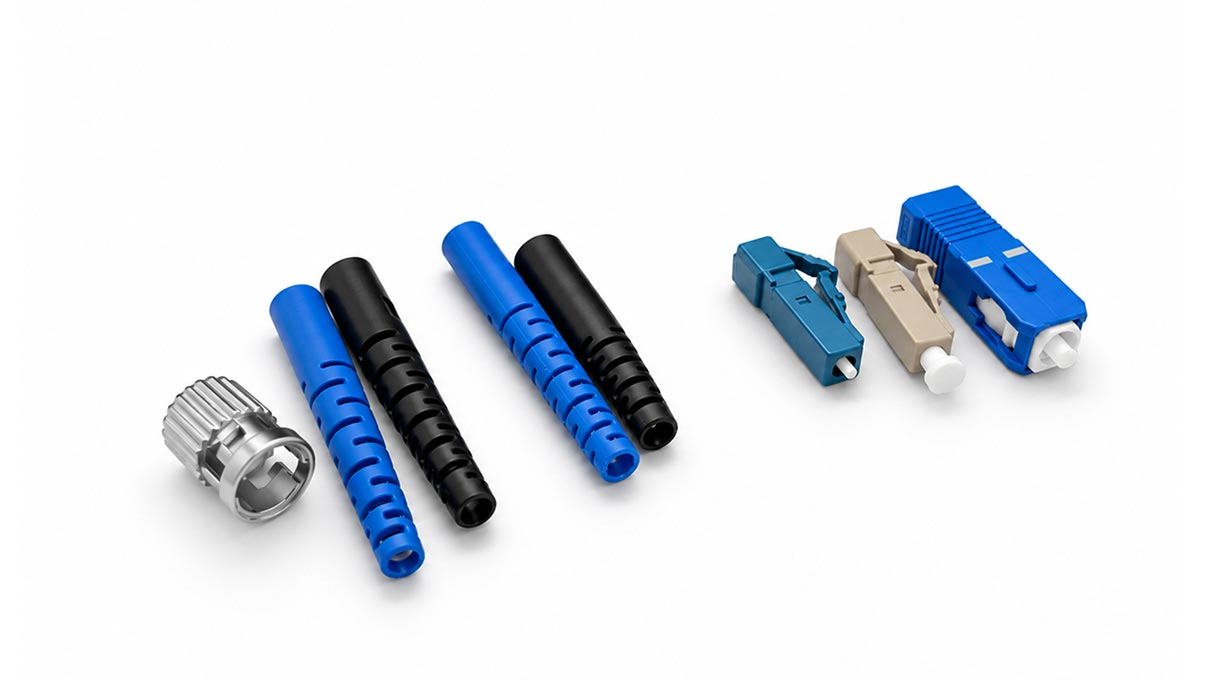




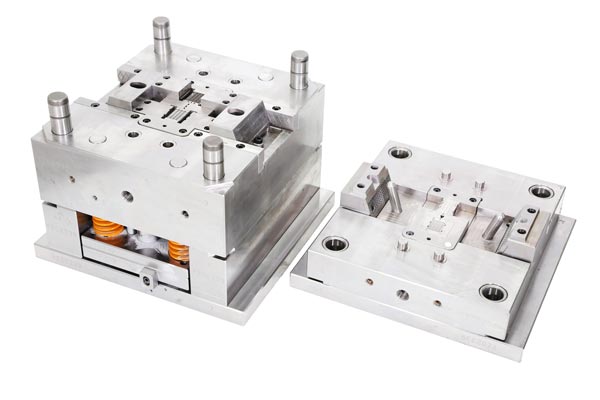
In precision medical mould manufacturing, maintaining exact temperature stability during the injection moulding process determines part quality and dimensional consistency. Medical devices—such as microfluidic chips, syringe barrels, diagnostic cartridge components, and surgical tools—demand strict tolerances, often within micrometer ranges. To achieve this level of repeatability, toolmakers install heat-insulating panels (also known as thermal insulation boards) between the mould plates and the injection machine platens.
Heat-insulating panels serve as thermal barriers that control heat distribution, protect moulding machinery, and preserve the structural integrity of complex mould inserts. Understanding their specific functions clarifies why they remain a standard requirement in medical tooling design.
Stabilizing Cavity Temperature for High-Performance Resins
Medical components frequently use high-performance engineering thermoplastics such as PEEK, polycarbonate (PC), cyclic olefin copolymer (COP), and medical-grade polypropylene (PP). Processing these materials requires precise, elevated mould operating temperatures to ensure proper melt viscosity, uniform shrinkage, and optical clarity.
Without insulation panels, thermal energy dissipates rapidly from the mould plates into the ambient air and the metallic platens of the moulding press. This heat loss creates temperature fluctuations across the cavity surface, leading to defects such as internal stress, sinks, voiding, or warpage.
Installing high-grade heat-insulating panels keeps heat trapped within the mould core and cavity plates. This stable thermal environment ensures predictable material flow, uniform cooling, and consistent part dimensions across long production runs.
Protecting Injection Moulding Machinery and Reducing Energy Costs
Continuous heat transfer from hot moulds into machine platens damages injection moulding equipment over time. Uncontrolled thermal radiation warms the machine’s clamping unit, expanding tie bars unevenly and degrading hydraulic fluid performance. Over extended cycles, this heat causes alignment drift in the moulding machine itself.
Heat-insulating panels eliminate unnecessary heat transfer to the press structure. By containing thermal energy within the tool:
-
Hydraulic systems run cooler, extending seal and fluid life.
-
Machine tie bars maintain uniform mechanical strain and alignment.
-
Heating elements consume less electricity to maintain required operating temperatures, lowering total operational energy expenditure.
Preserving Ultra-Tight Alignment and Mould Component Life
In precision medical mould manufacturing, core pins, ejector sleeves, micro-cavity inserts, and slide mechanisms operate under micro-level clearance tolerances. Uneven thermal expansion of the mould base plates causes localized distortion, which alters shut-off angles, misaligns guide bushings, and accelerates component wear.
Insulation plates restrict heat expansion to the active molding plates rather than the entire mould structure. Preventing unintended thermal expansion of the rear clamping plates helps maintain alignment between moving and stationary mould halves. This protects delicate core pins and high-precision inserts from premature scuffing, flashing, or breakage.
Enhancing Process Repeatability for Regulatory Compliance
Medical device manufacturing operates under stringent regulatory frameworks, including ISO 13485 standards. Process validation requires manufacturers to demonstrate that every injection moulding cycle yields identical parts within defined specification limits.
Heat-insulating panels shorten thermal stabilization times during cold starts and prevent temperature drop-offs during routine cycle pauses. By eliminating thermal variance, medical moulders reduce scrap rates, speed up cycle validation, and ensure that every production lot meets strict dimensional and structural criteria.
Why Choose Yize Mould?
Dongguan Yize Mould Co., Ltd. specializes in precision medical mould manufacturing, custom mould components, and high-tolerance tooling solutions for global medical device manufacturers.
Engineers at Yize Mould incorporate comprehensive thermal management strategies into every mould design. By selecting premium thermal insulation materials and applying advanced CNC grinding, EDM, and high-speed machining techniques, Yize Mould delivers tooling solutions capable of achieving tolerances up to ±0.001 mm.
Key advantages of partnering with Yize Mould include:
-
Extensive experience crafting complex multi-cavity moulds for syringe components, IV connectors, diagnostic cartridges, and micro-medical parts.
-
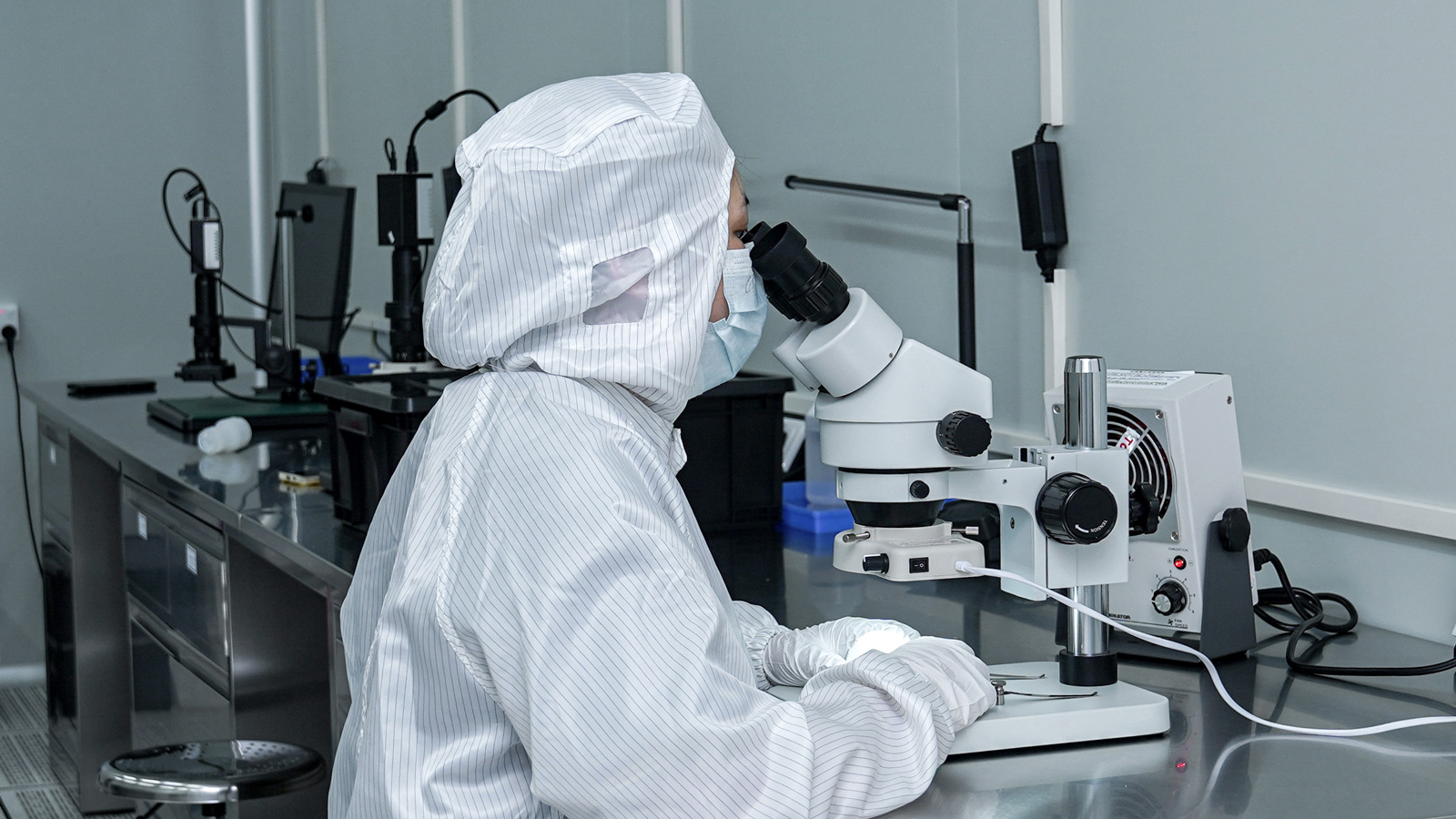
Strict adherence to international quality standards, backed by state-of-the-art CMM and optical inspection equipment.
-
Customized material selection for insulation panels, mould bases, and specialized cavity inserts tailored to specific medical resin requirements.
-
Full-service technical support from early-stage design for manufacturability (DFM) through sampling and full-volume production validation.
FAQ
What materials are typically used for heat-insulating panels in medical moulds?
Heat-insulating panels are constructed from high-density composite materials, glass-fiber reinforced synthetics, or specialized resin-bonded laminate boards. These materials offer high compressive strength to withstand clamping forces while providing low thermal conductivity and resistance to thermal degradation up to 200°C to 400°C.
How do insulation plates directly prevent defect formation in medical parts?
Insulation plates maintain an even, consistent temperature profile across all mould cavities. This prevents localized cooling differences, which cause uneven volumetric shrinkage, sink marks, stress whitening, or part distortion in thin-walled medical components.
Can heat-insulating panels be integrated into existing precision medical moulds?
Yes, insulation panels can be retrofitted onto existing mould bases by machining mounting locations on the top and bottom clamping plates, provided nozzle contact lengths and machine daylight stack heights are adjusted accordingly.