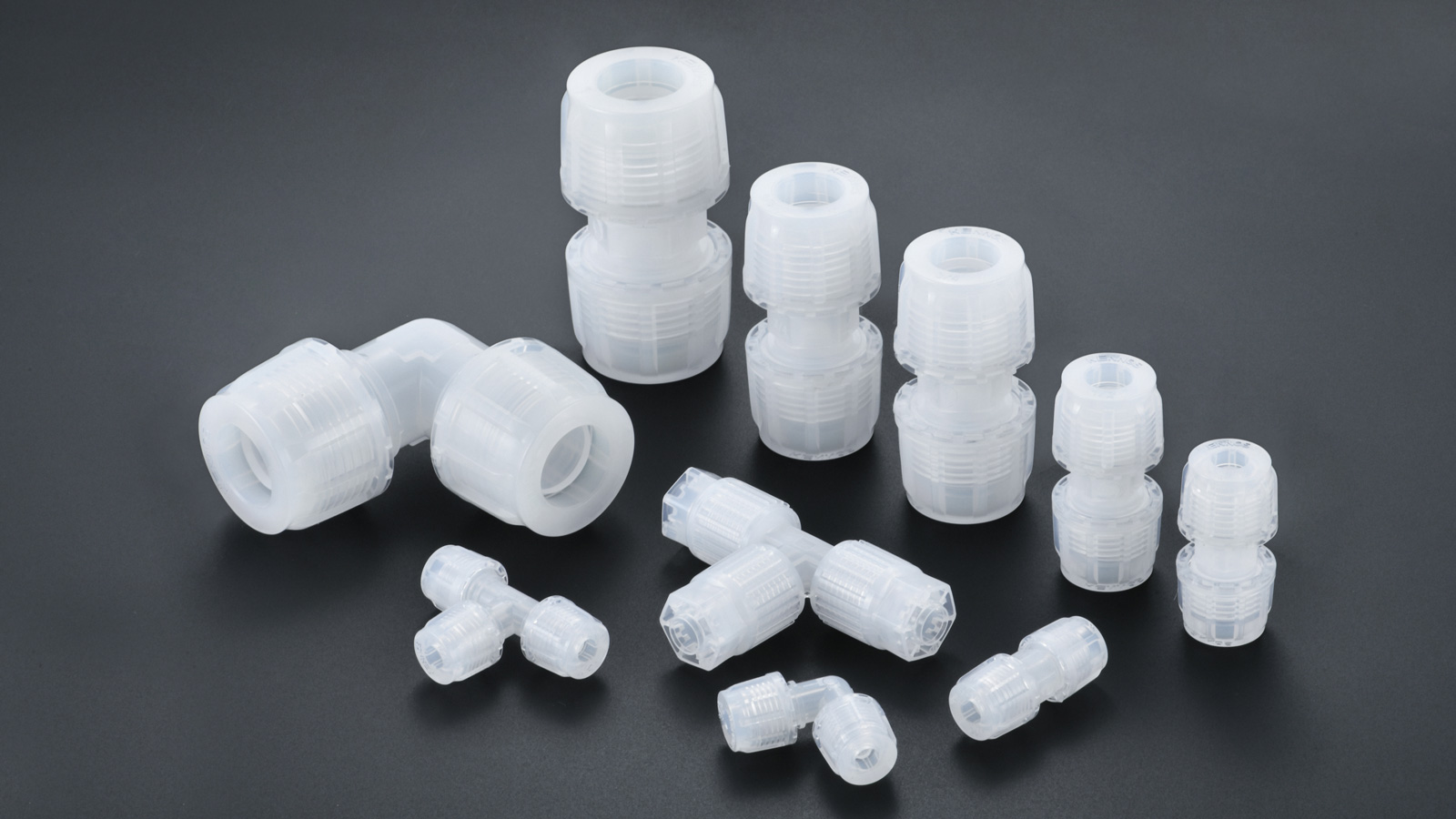
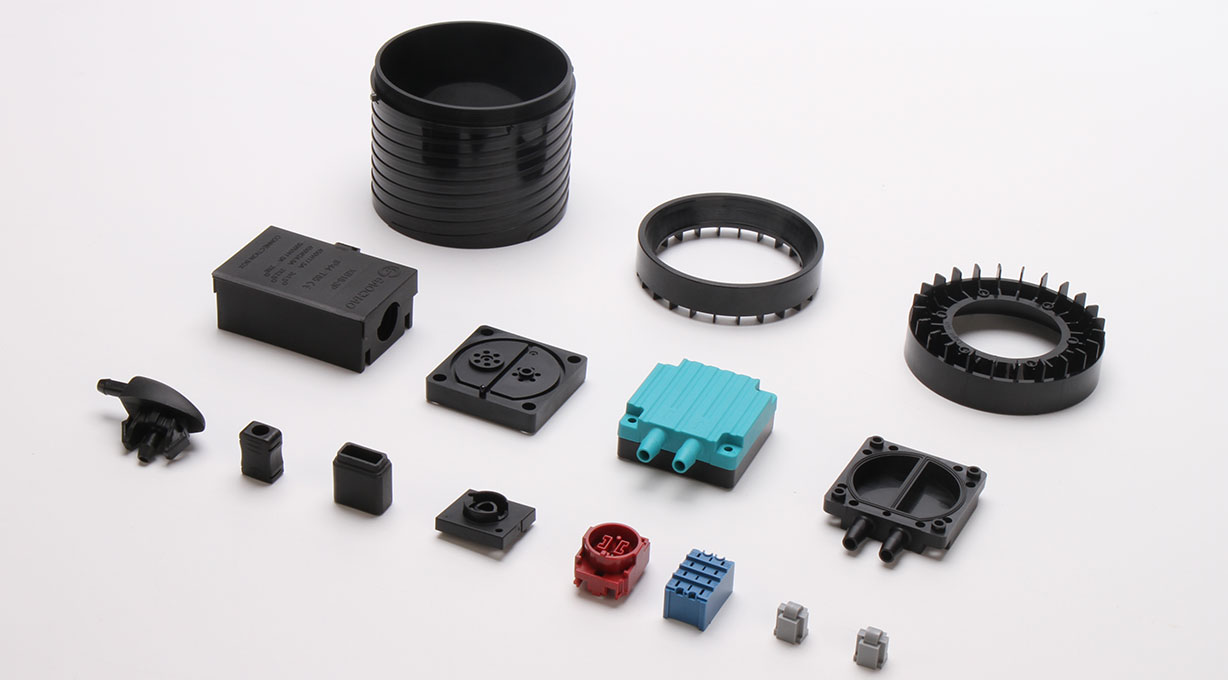



Precision injection molding is a high-accuracy manufacturing process designed to produce complex plastic components with tight dimensional tolerances, often measured in micrometers. Standard plastic molding accommodates broader dimensional variations, whereas precision injection molding maintains consistent part weight, wall thickness, and mechanical integrity across high-volume production runs. Industries requiring exact fit and zero-defect performance—such as medical devices, automotive electronics, and optics—rely on this process for mission-critical parts.
Key Elements of Precision Injection Molding
Achieving micron-level repeatability requires precise control over four core areas of the manufacturing system:
-
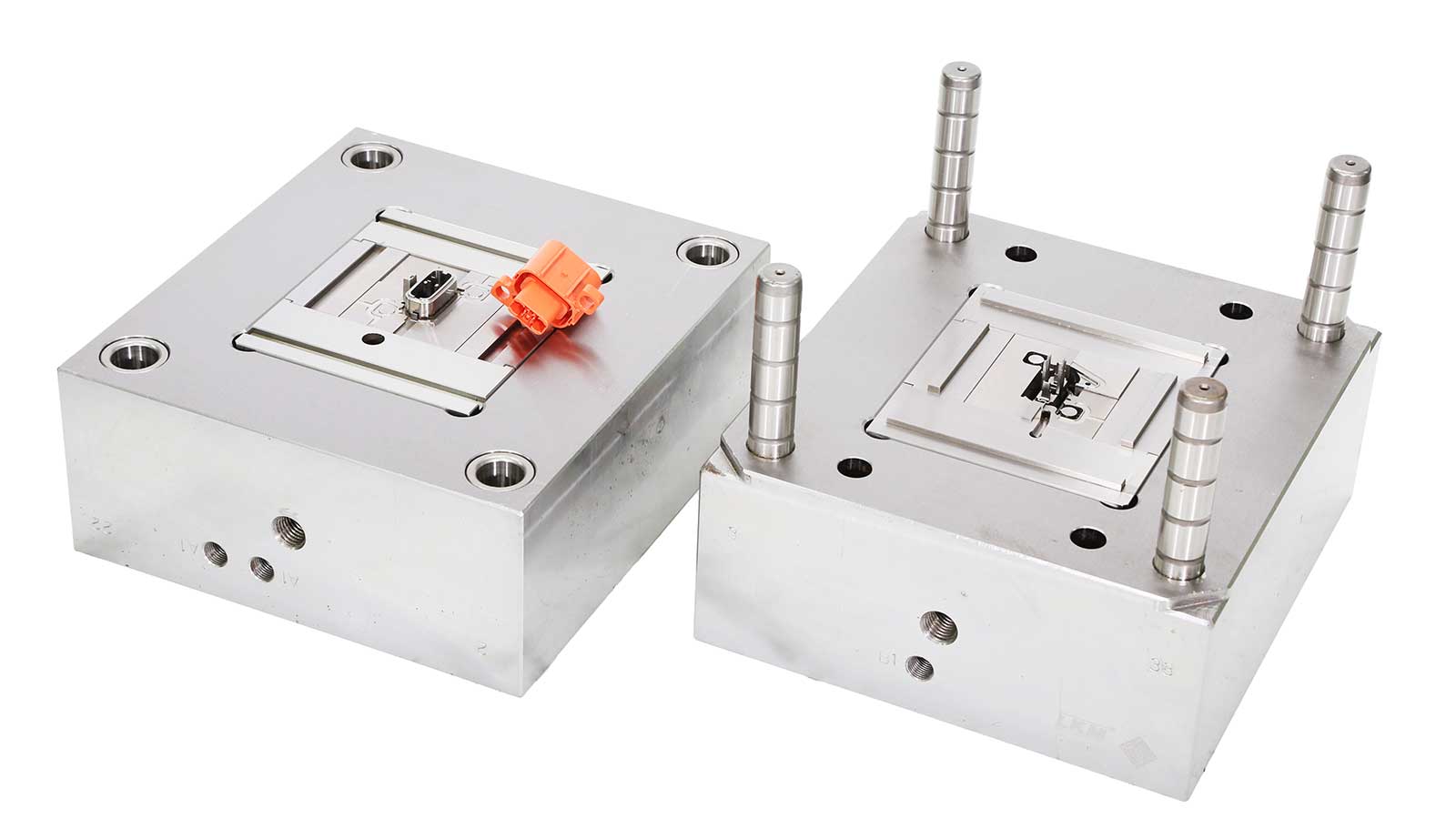
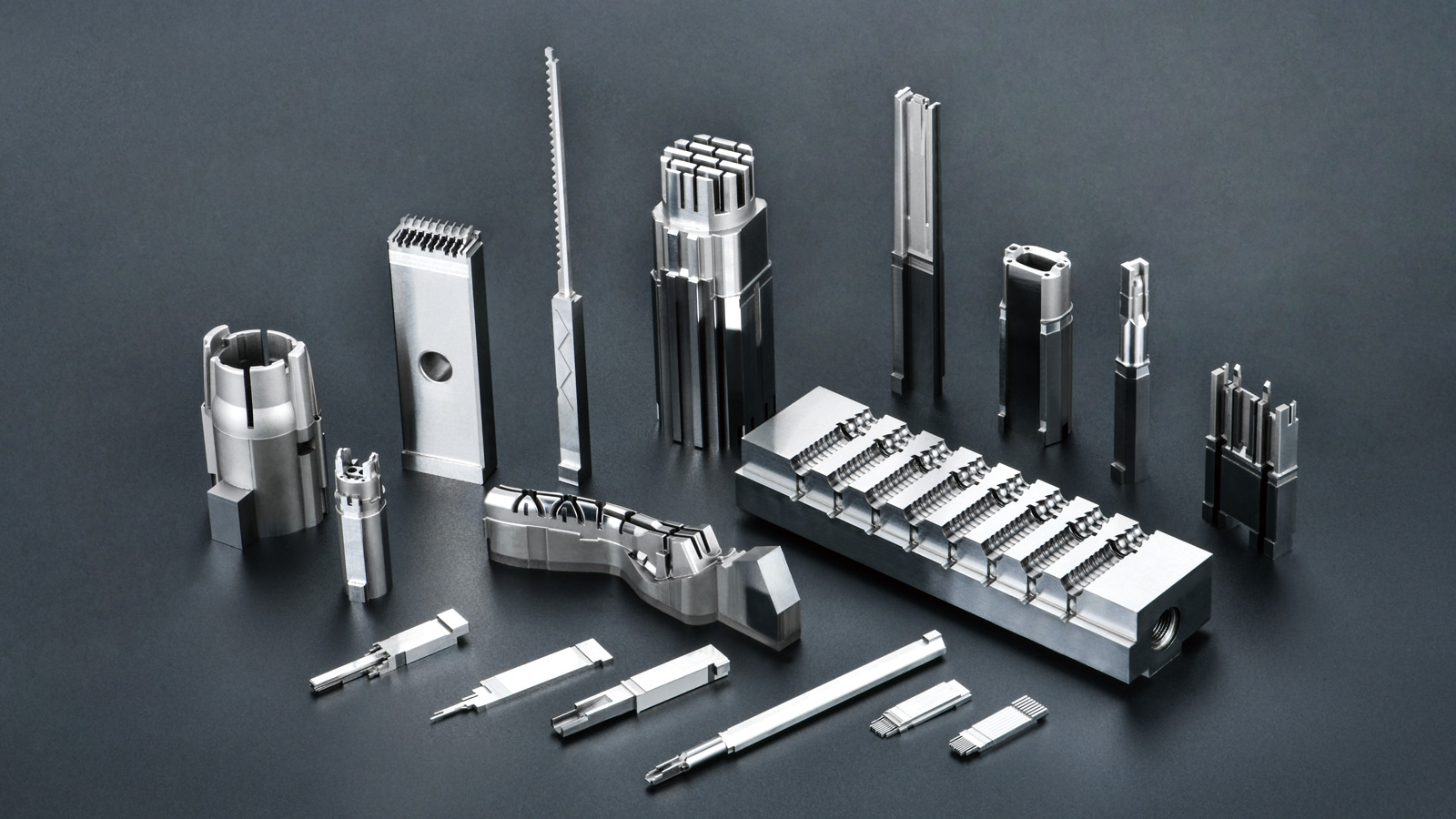
Tooling Design and Construction: The mold tool dictates final part dimensions. Toolmakers build precision molds from hardened steel alloys using high-speed CNC milling and electrical discharge machining (EDM). Molds feature tolerances below ±0.005 mm, optimized cooling channels to prevent uneven thermal contraction, and uniform venting to eliminate air traps.
-
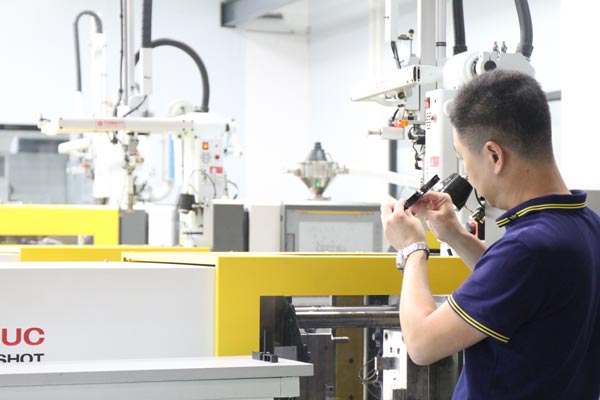
Closed-Loop Processing Machinery: Precision molding relies on electric or servo-hydraulic injection molding machines. These units feature advanced microprocessors that monitor pressure, temperature, velocity, and shot volume in real time, preventing variance from cycle to cycle.
-
Engineering Polymer Selection: Material choice directly affects part stability due to volumetric shrinkage during cooling. Manufacturers select engineering polymers with low, predictable shrinkage profiles, such as PEEK, Liquid Crystal Polymers (LCP), Polycarbonate (PC), and Polyoxymethylene (POM).
-
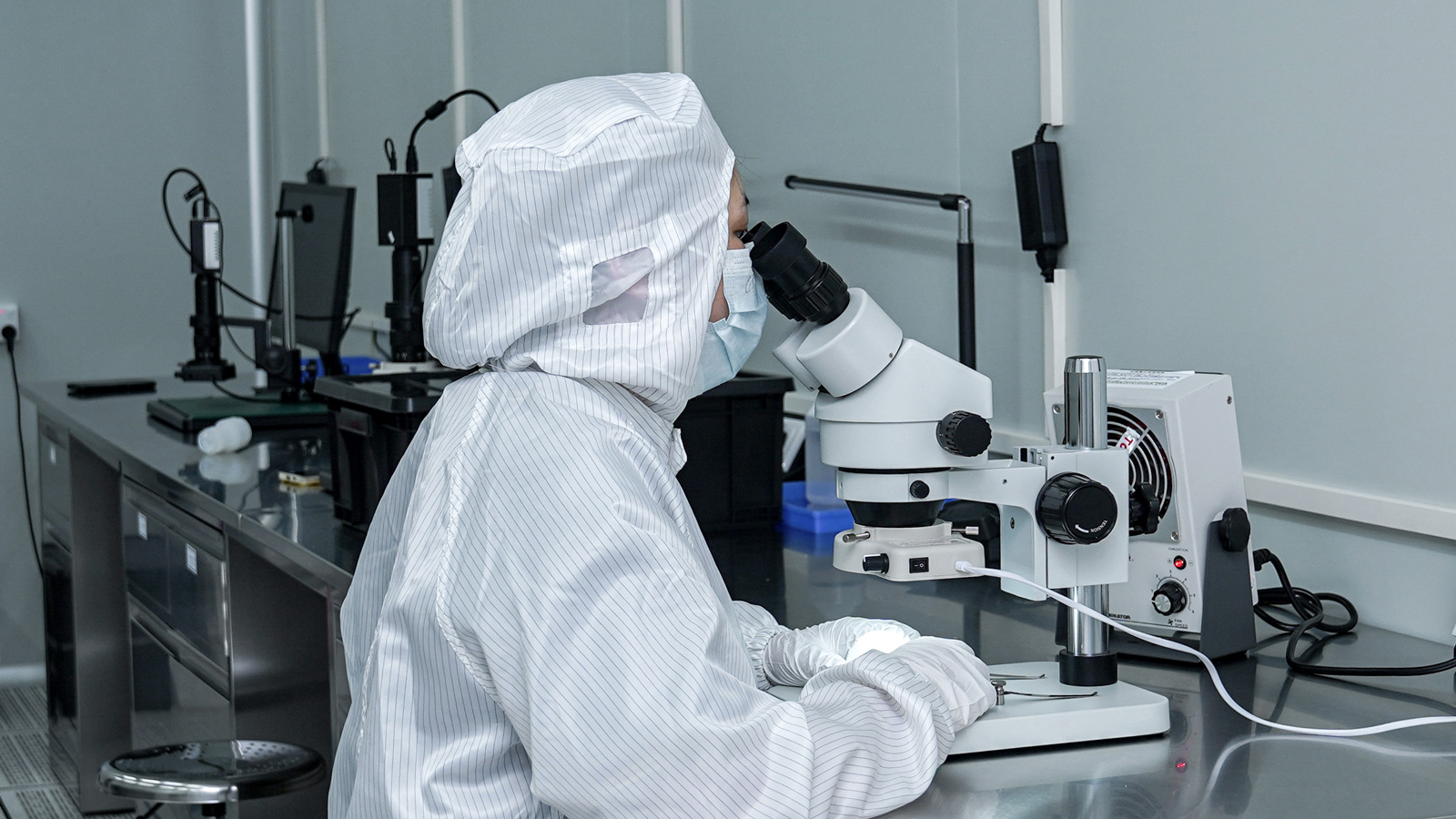
Controlled Manufacturing Environment: External temperature and humidity shifts disrupt melt temperature and dimensional stability. Precision molding facilities often operate inside cleanrooms with controlled ambient conditions to eliminate contamination and moisture variations.
Core Industry Applications
-
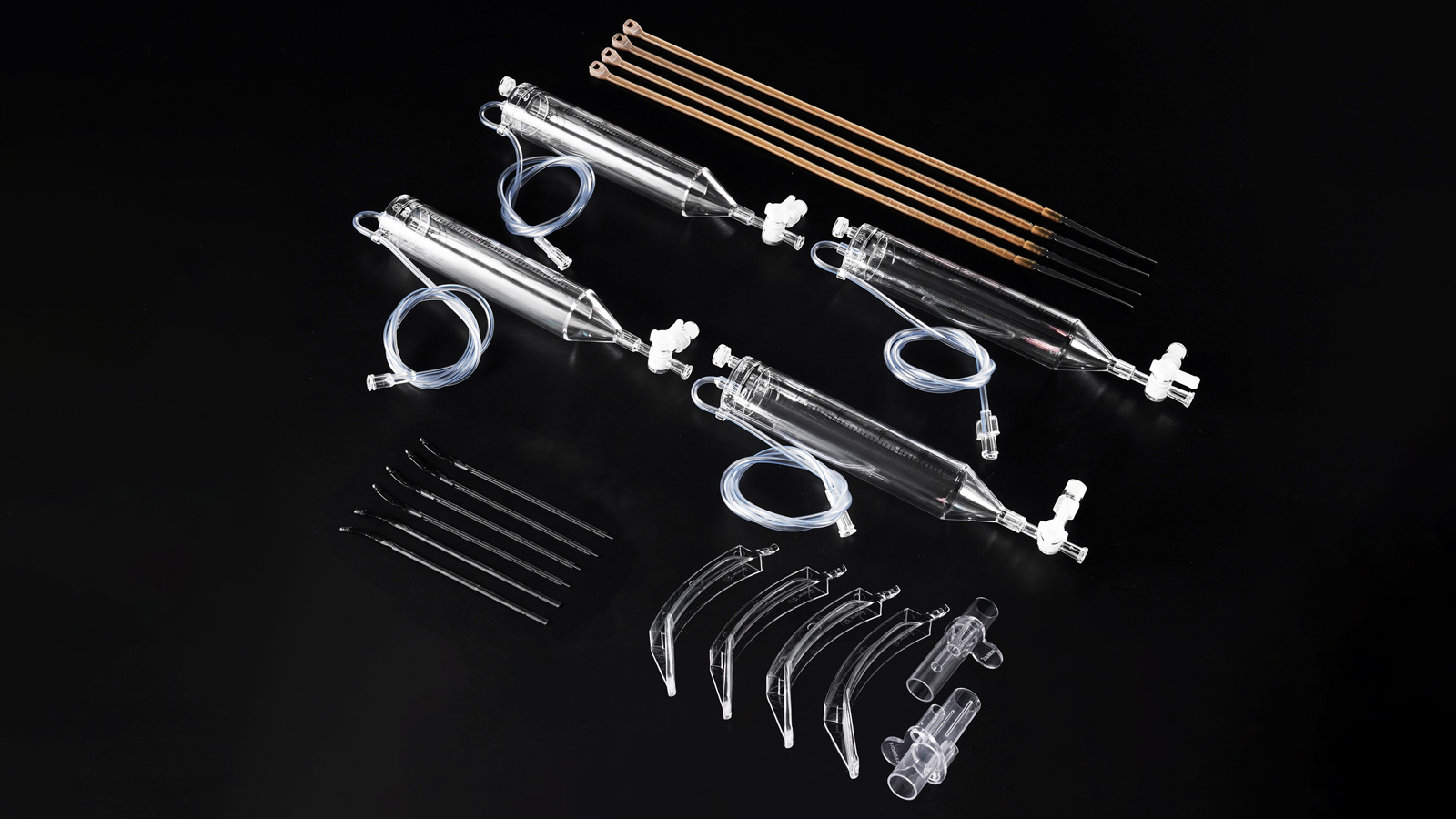
Medical Devices: Micro-fluidic chips, surgical instrument housings, syringe components, and drug delivery systems require biocompatibility, high chemical resistance, and exact dimensional accuracy.
-
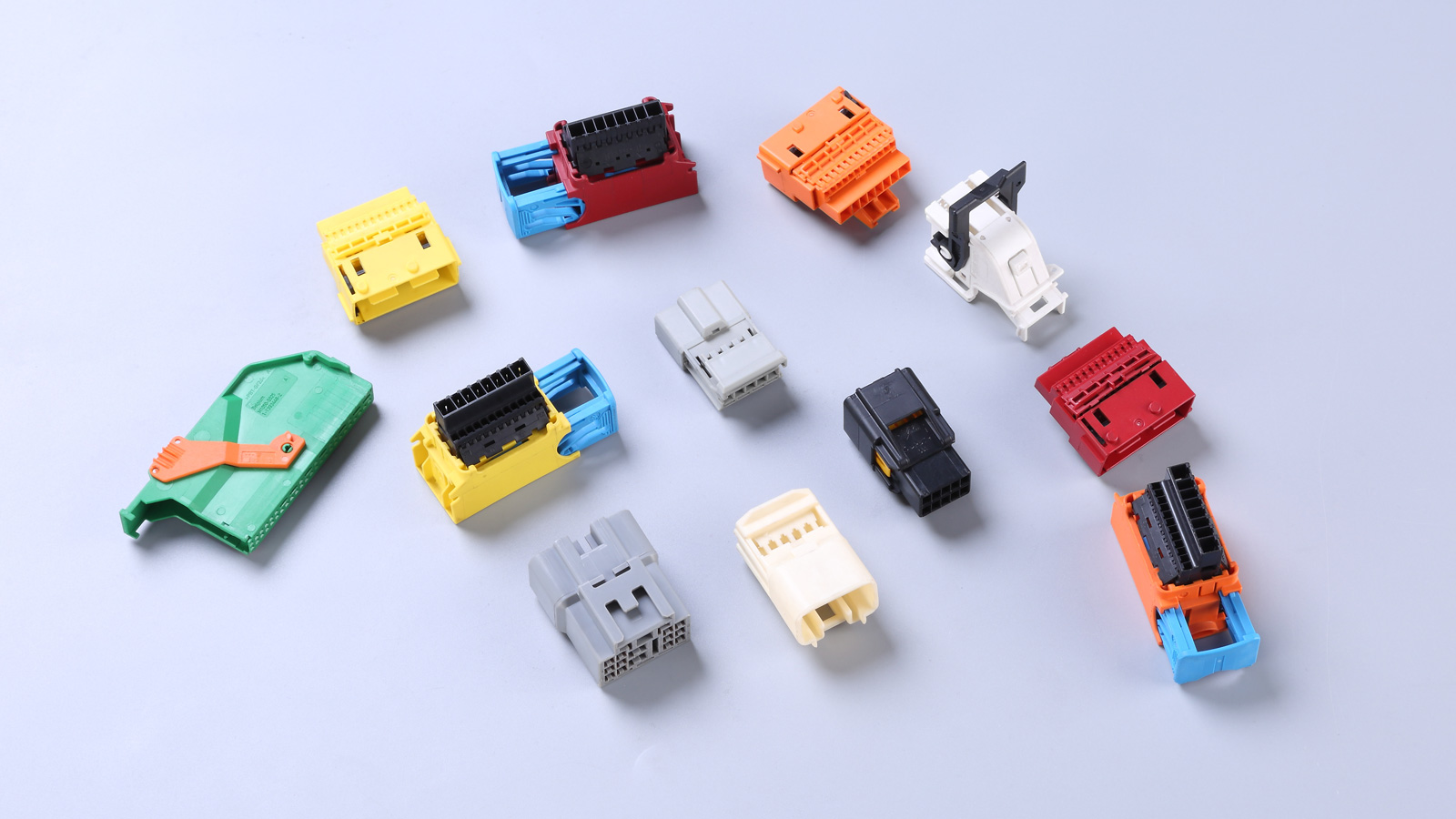
Electronics and Connectors: Board-to-board connectors, fiber optic housings, and micro-switches demand ultra-thin walls and tight pitch tolerances to ensure reliable electrical conductivity.
-
Automotive Systems: Sensors, fuel injectors, and power steering components must withstand high thermal stress while maintaining precise mechanical alignments.
-
Optical Devices: Lenses, prisms, and light guides require pristine surface finishes, uniform refractive indices, and zero structural distortion.
Technical Factors Influencing Dimensional Accuracy
-
Polymer Shrinkage Control: Thermoplastics contract as they transition from a liquid to a solid state. Precise CAD modeling must compensate for resin-specific volumetric shrinkage based on gate design, packing pressure, and mold temperature.
-
Uniform Cavity Pressure: Maintaining balanced pressure across all mold cavities ensures consistent density and prevents warpage or sink marks in finished parts.
-
Thermal Stability: Precise temperature zones along the barrel and mold plates prevent material degradation and differential cooling stresses.
Frequently Asked Questions
What tolerances are achievable in precision injection molding? Typical tolerances in precision molding range between ±0.002 mm and ±0.01 mm, depending on resin selection, tool construction, and part geometry.
How does precision injection molding differ from standard molding? Standard molding focuses on high-volume production with tolerances around ±0.1 mm. Precision molding utilizes tighter tool tolerances, specialized electric machinery, high-performance resins, and strict climate controls to achieve micron-level accuracy.
Which materials perform best in precision molding? Engineering thermoplastics with low shrinkage rates perform best. Common options include PEEK, Liquid Crystal Polymers (LCP), Polycarbonate (PC), and filled grades of Nylon or PPS.