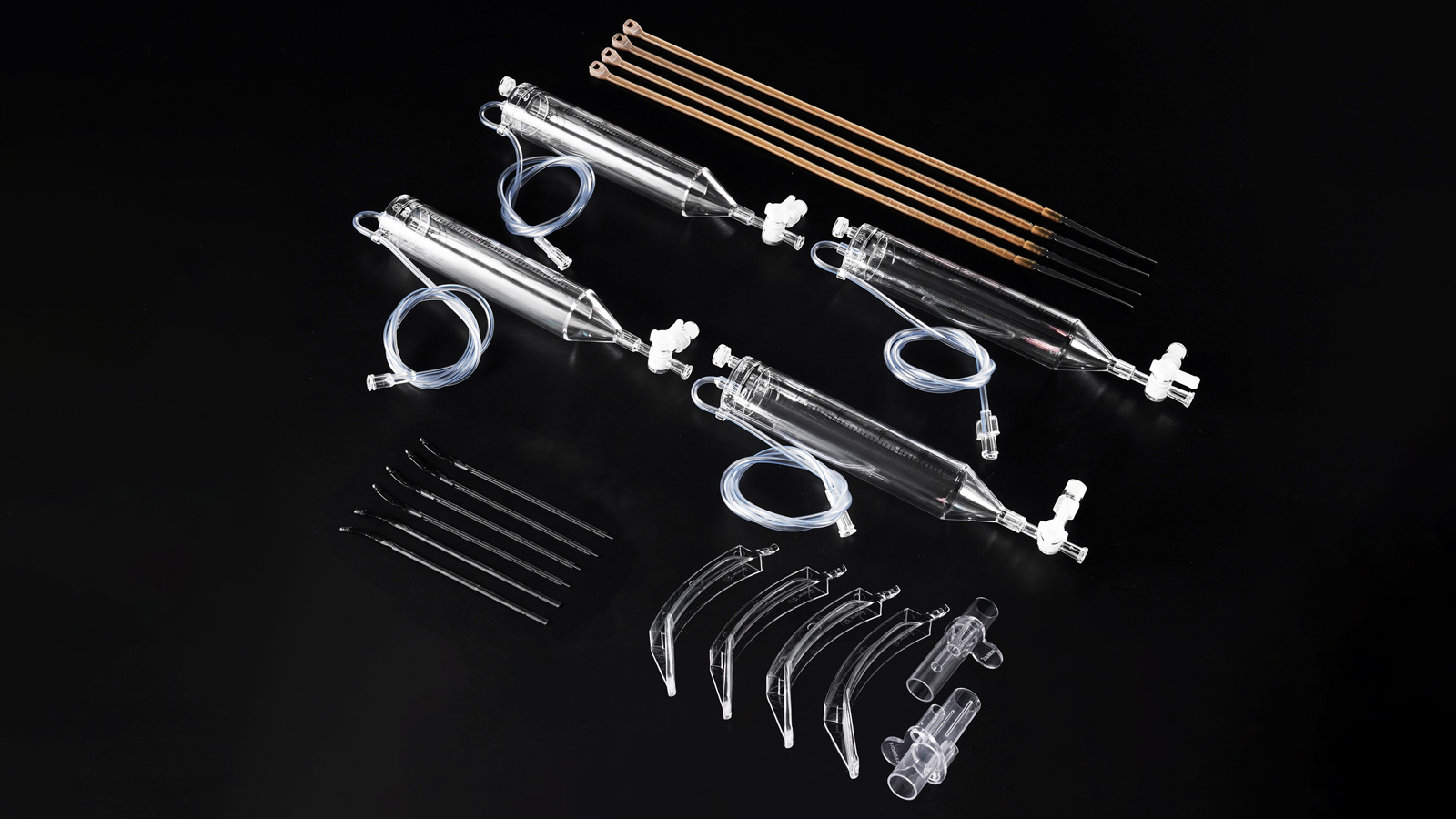
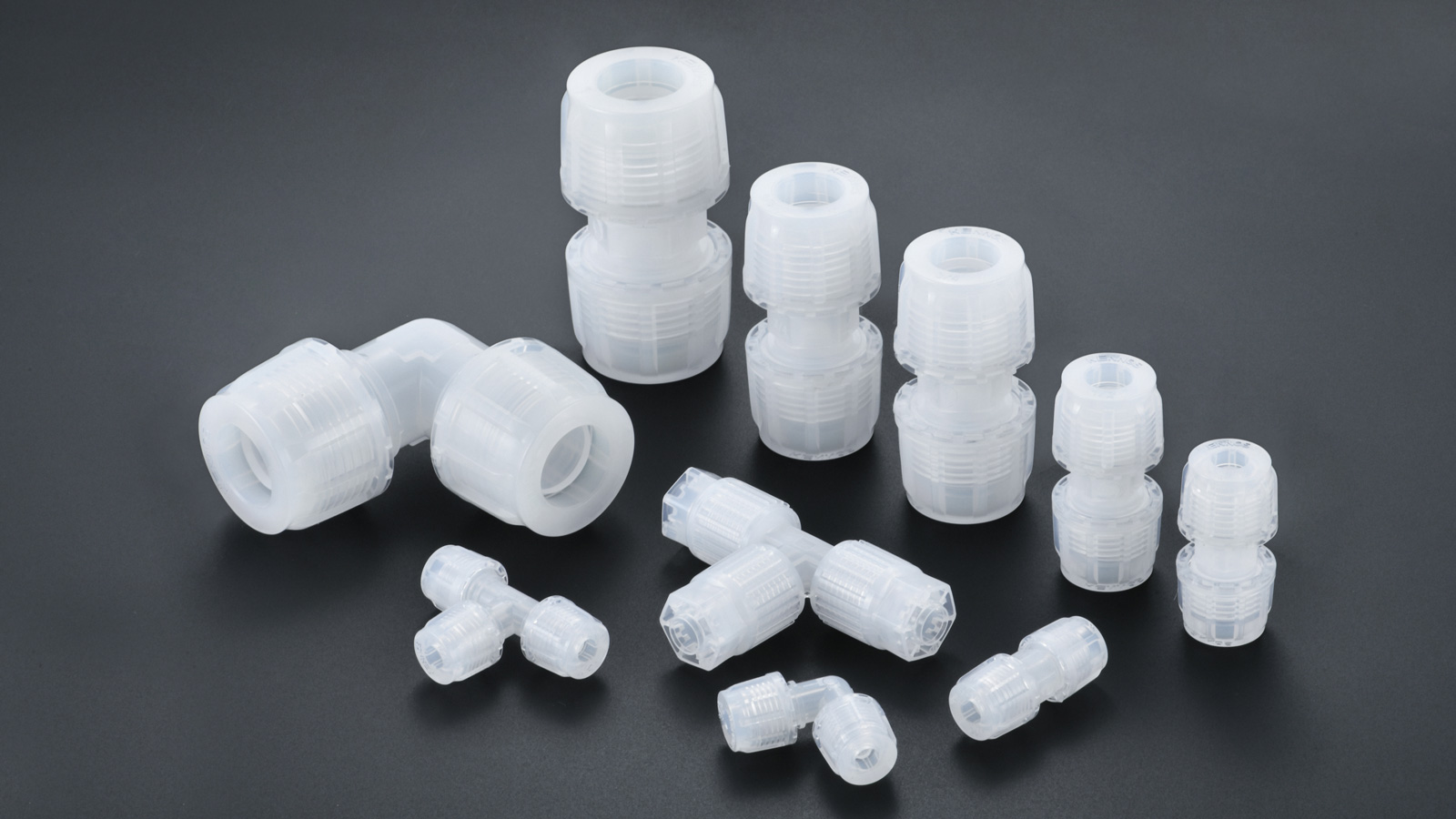
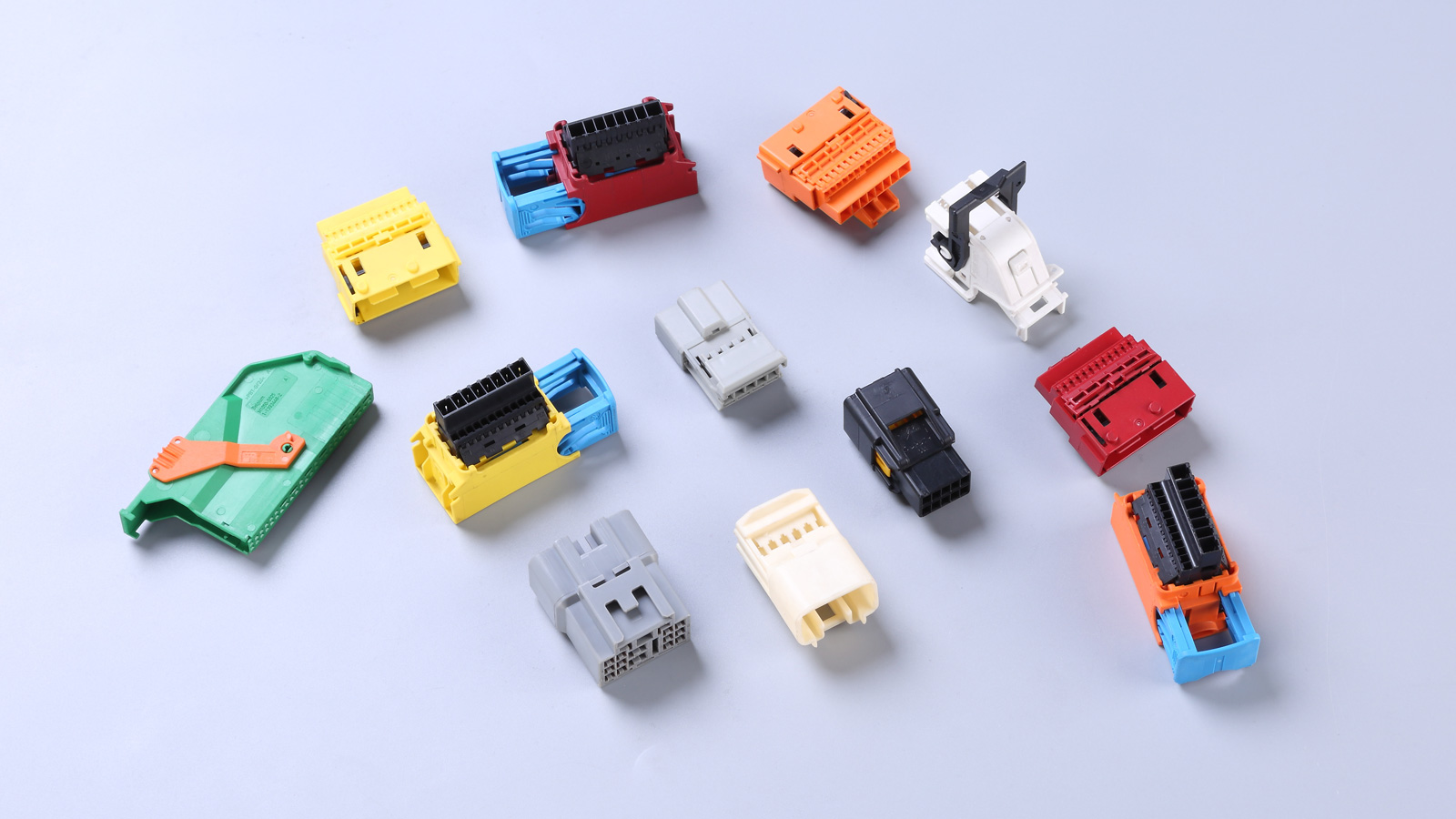



The medical device industry demands exceptional precision, strict cleanliness, and predictable quality control. Components used in diagnostic equipment, surgical instruments, drug delivery systems, and healthcare monitors must conform to rigorous biological and dimensional standards. Choosing an experienced medical plastic parts manufacturer helps device developers translate complex CAD models into compliant, production-ready components.
Understanding the end-to-end manufacturing process clarifies how raw resins become functional, life-critical medical parts.
Key Steps in the Medical Plastic Parts Manufacturing Process
1. Medical-Grade Material Selection
The manufacturing sequence starts with material evaluation. Medical components require polymers capable of withstanding sterilization processes—such as autoclaving, gamma radiation, or Ethylene Oxide (EtO)—without losing structural strength or releasing volatile organic compounds.
Common polymers used in healthcare components include:
-
Polyetheretherketone (PEEK): Selected for high mechanical strength, chemical inertness, and heat resistance in surgical implants and reusable tools.
-
Polycarbonate (PC): Used where optical clarity, impact resistance, and rigidity are mandatory, such as in fluid reservoirs and blood oxygenators.
-
Polypropylene (PP): Frequently chosen for laboratory consumables, syringes, and hinges due to chemical resistance and flexural durability.
-
Liquid Crystal Polymers (LCP): Applied in micro-sized, thin-wall components requiring tight dimensional stability.
A qualified medical plastic parts manufacturer reviews biocompatibility classifications such as USP Class VI and ISO 10993 to ensure raw materials do not interact negatively with human tissue or medical fluids.
2. Mold Tooling Design and Engineering
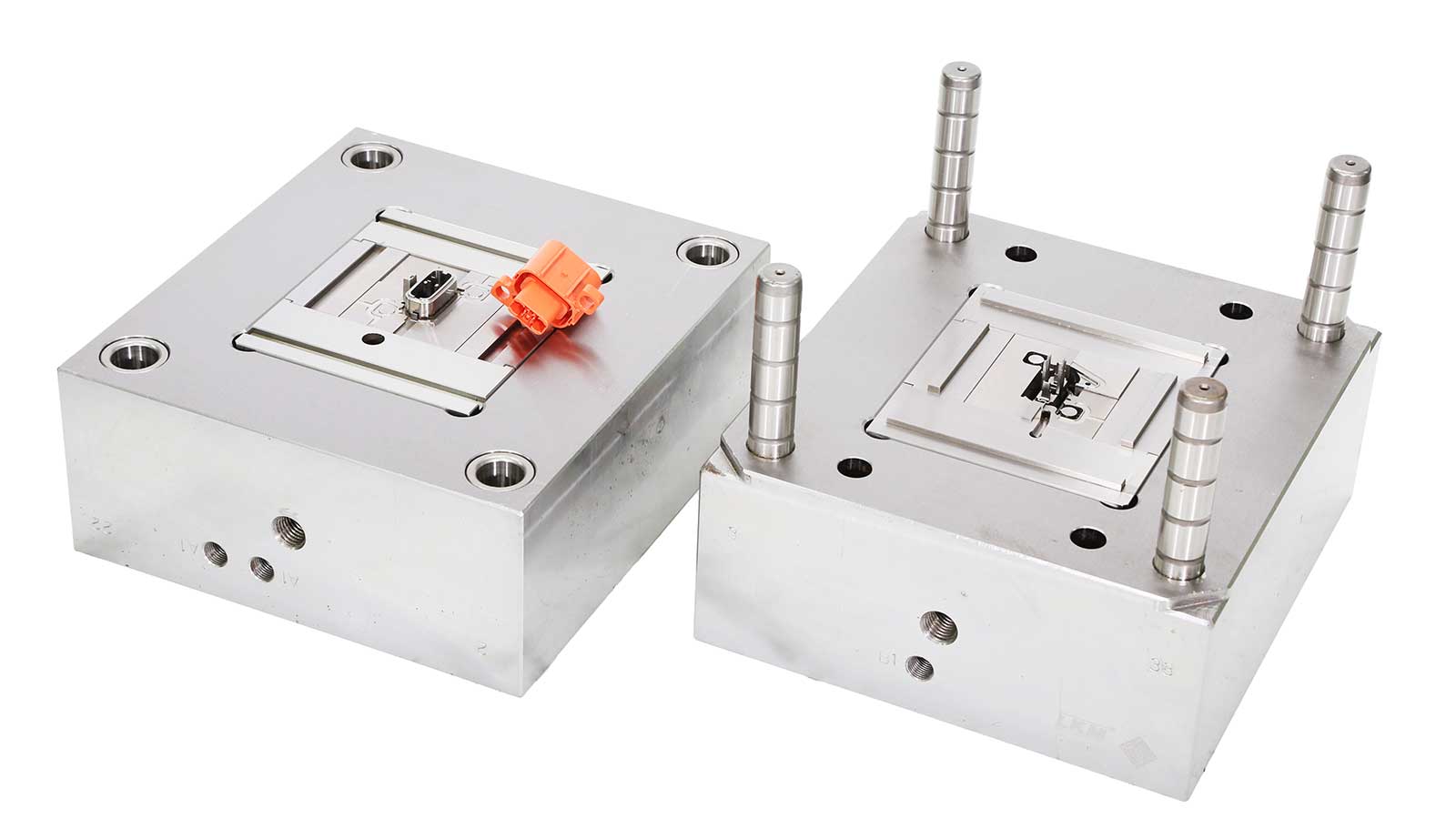
Precision molding begins with accurate tooling design. Mold engineers apply Computer-Aided Engineering (CAE) and mold flow analysis to simulate resin injection into mold cavities. This analysis identifies potential air traps, weld lines, and differential shrinkage before cutting steel.
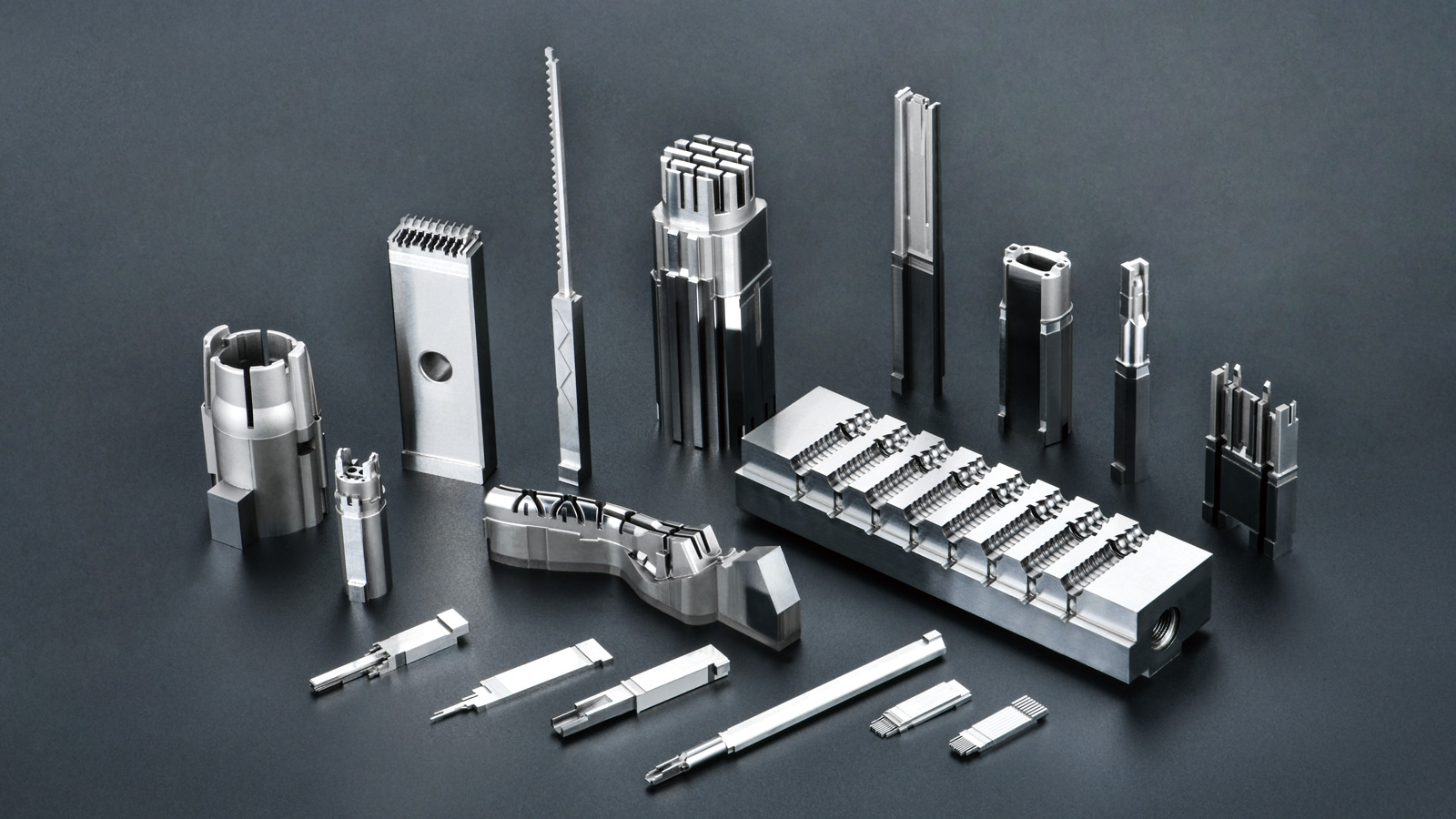
Tooling for medical parts often uses hardened stainless steels or specialized carbide inserts to maintain tolerances within a few microns over long production cycles. Features like multi-cavity layouts, side-actions, and hot runner systems optimize cycle times while maintaining uniform wall thickness across every cavity.
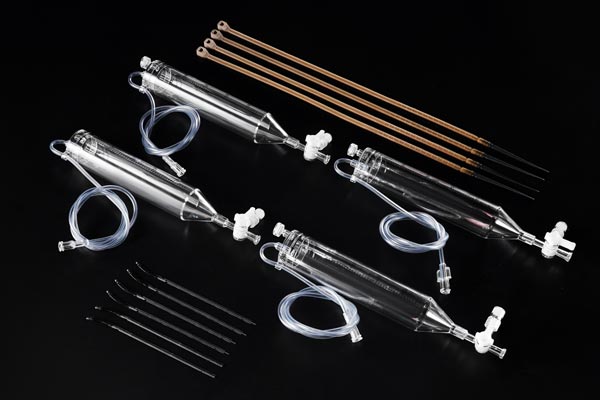
3. Cleanroom Injection Molding
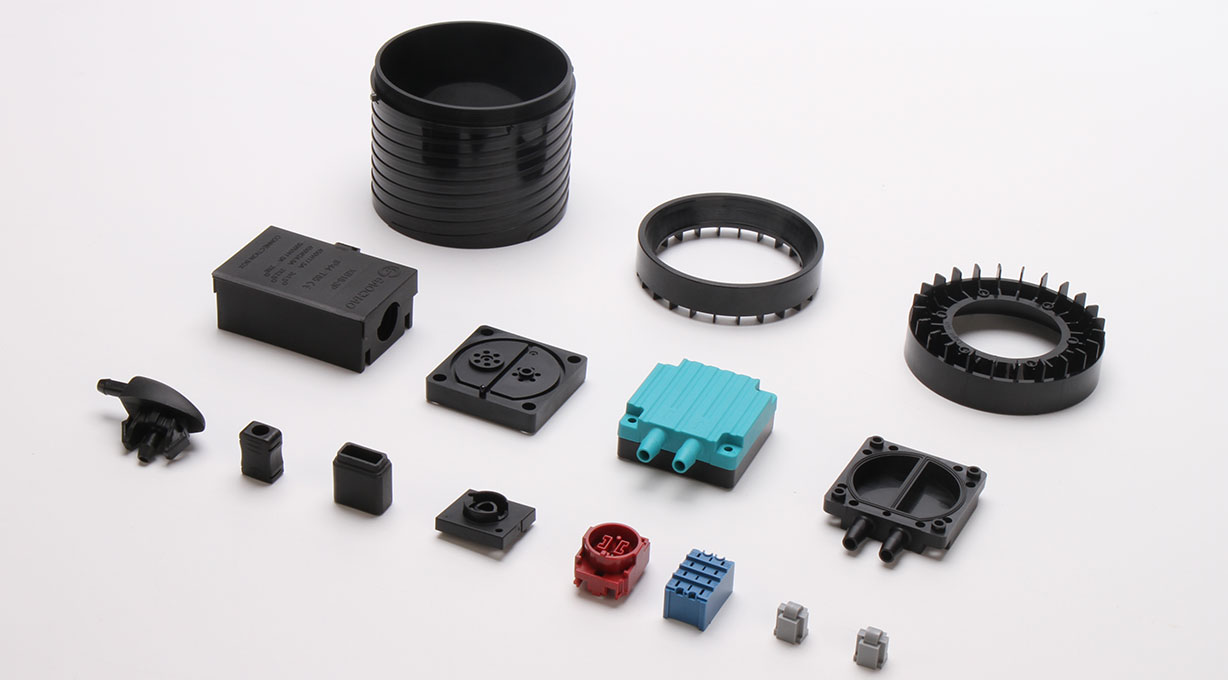
Contamination control is critical when producing components for clinical environments. Medical injection molding typically occurs in certified ISO Class 7 or Class 8 cleanroom environments.
Cleanrooms maintain regulated particulate counts, stable ambient temperatures, and controlled relative humidity. Automated resin feeding systems, electric injection molding machines, and robotic pickers minimize human handling. This automation reduces particulate contamination and maintains low bioburden levels throughout high-speed molding runs.
4. Process Validation and Quality Assurance
In medical device manufacturing, process repeatability is as vital as part accuracy. A reliable medical plastic parts manufacturer implements a structured validation methodology consisting of three steps:
-
Installation Qualification (IQ): Confirms that processing equipment, utility connections, and mold tooling meet original specifications and are installed correctly.
-
Operational Qualification (OQ): Tests the machine parameters across upper and lower boundary limits to determine a stable processing window.
-
Performance Qualification (PQ): Verifies that the process consistently produces compliant parts across multiple extended production runs under regular operating conditions.
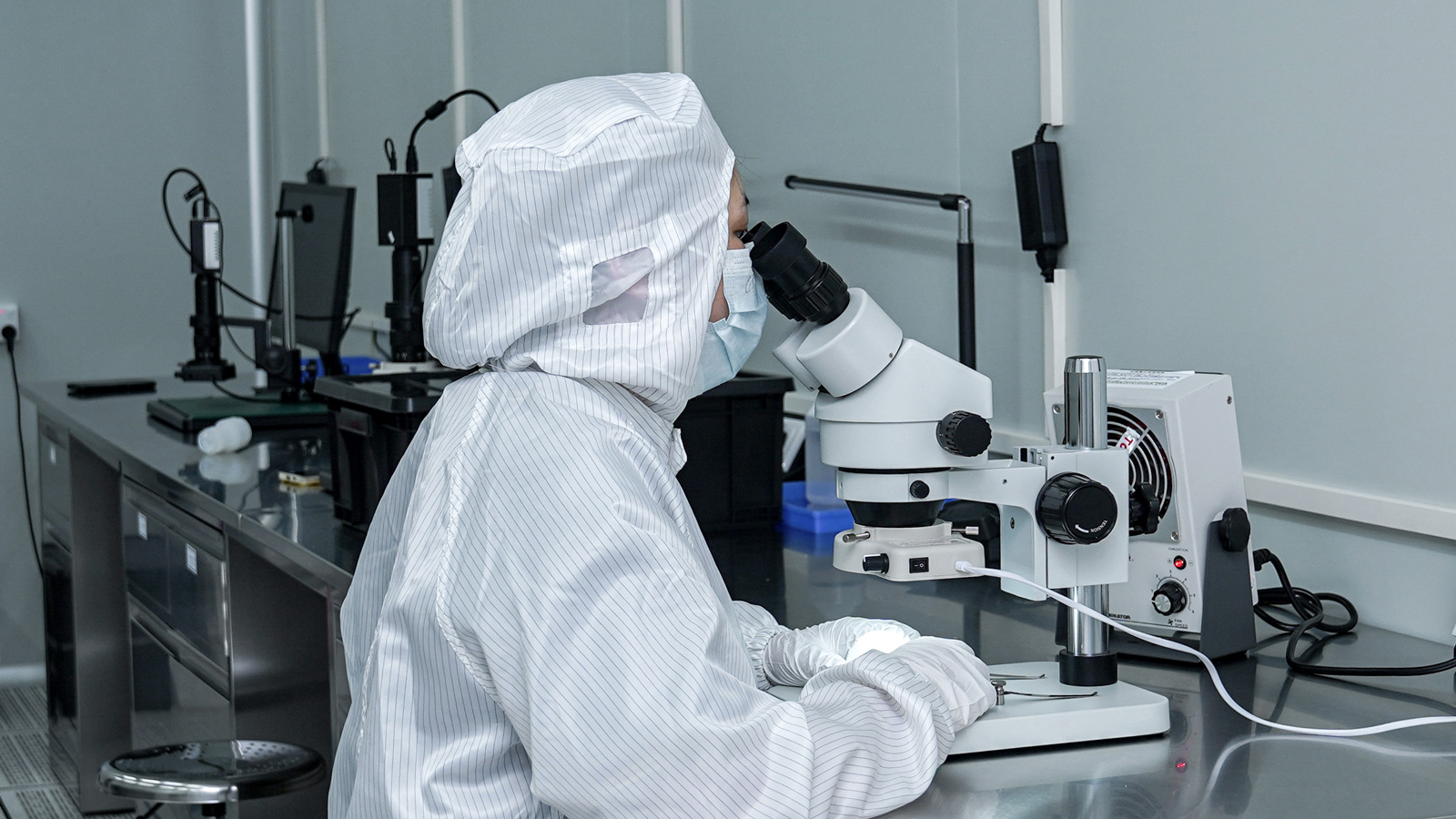
During production, coordinate measuring machines (CMM), optical measuring systems, and automated vision systems inspect critical dimensions, surface finishes, and part geometries against engineering drawings.
5. Secondary Operations and Assembly
Once molded, components may require post-processing steps before final packaging. Secondary operations include:
-
Ultrasonic Welding: Joining plastic housing halves without chemical adhesives.
-
Laser Marking: Applying permanent, non-contaminating Unique Device Identification (UDI) codes or lot numbers for product traceability.
-
Cleanroom Assembly & Packaging: Assembling multi-component devices and sealing them into sterile barrier packaging to preserve cleanliness during transit.
Why Choose Yize Mould?
Dongguan Yize Mould Co., Ltd provides high-precision mold engineering and specialized component fabrication tailored to demanding industrial and medical applications. The company combines advanced toolmaker skills with strict quality management to support clients from early-stage prototyping through full-scale production.
-
Micron-Level Tooling Precision: Yize Mould utilizes advanced CNC machining centers, optical profile grinders, and precision EDM machinery to fabricate mold components with tolerances held tightly down to ±0.002 mm.
-
Design for Manufacturability (DFM) Support: Technical engineers at Dongguan Yize Mould Co., Ltd perform thorough DFM evaluations early in the design cycle, identifying potential molding defects and recommending geometry adjustments to improve production yield.
-
Material Handling Versatility: Yize Mould possesses extensive experience processing engineering resins, high-temperature polymers, and tight-tolerance micro-molded parts.
-
Traceable Quality Management: Dongguan Yize Mould Co., Ltd adheres to rigorous inspection standards, employing CMM and optical measurement instruments to verify dimensional accuracy for every batch delivered.
Frequently Asked Questions (FAQ)
What certifications should a medical plastic parts manufacturer possess?
A qualified manufacturer typically operates under an ISO 13485 certified quality management system, which specifies requirements for medical devices. ISO 9001 compliance and cleanroom facilities adhering to ISO Class 7 or Class 8 cleanliness benchmarks are also key indicators of manufacturing capability.
How do you determine the best sterilization method for molded medical parts?
Sterilization compatibility depends on the polymer’s thermal and chemical limits. For instance, PEEK withstands repeated steam autoclaving, whereas Polycarbonate handles gamma radiation or Ethylene Oxide. The selected resin must retain its mechanical properties and dimensional stability post-sterilization.
What is the role of DFM in medical plastic component manufacturing?
Design for Manufacturability (DFM) identifies potential production risks—such as uneven wall thickness, draft angle deficits, or sharp internal corners—before tooling fabrication begins. Addressing these factors early reduces scrap rates, shortens development lead times, and stabilizes unit costs.
How does Dongguan Yize Mould Co., Ltd maintain dimensional consistency across large orders?
Dongguan Yize Mould Co., Ltd achieves consistency through high-precision mold steel processing, controlled tool assembly, and systematic dimensional inspection using advanced CMM and optical equipment throughout the production lifecycle.