
I. Core Design Principles of Injection Molds
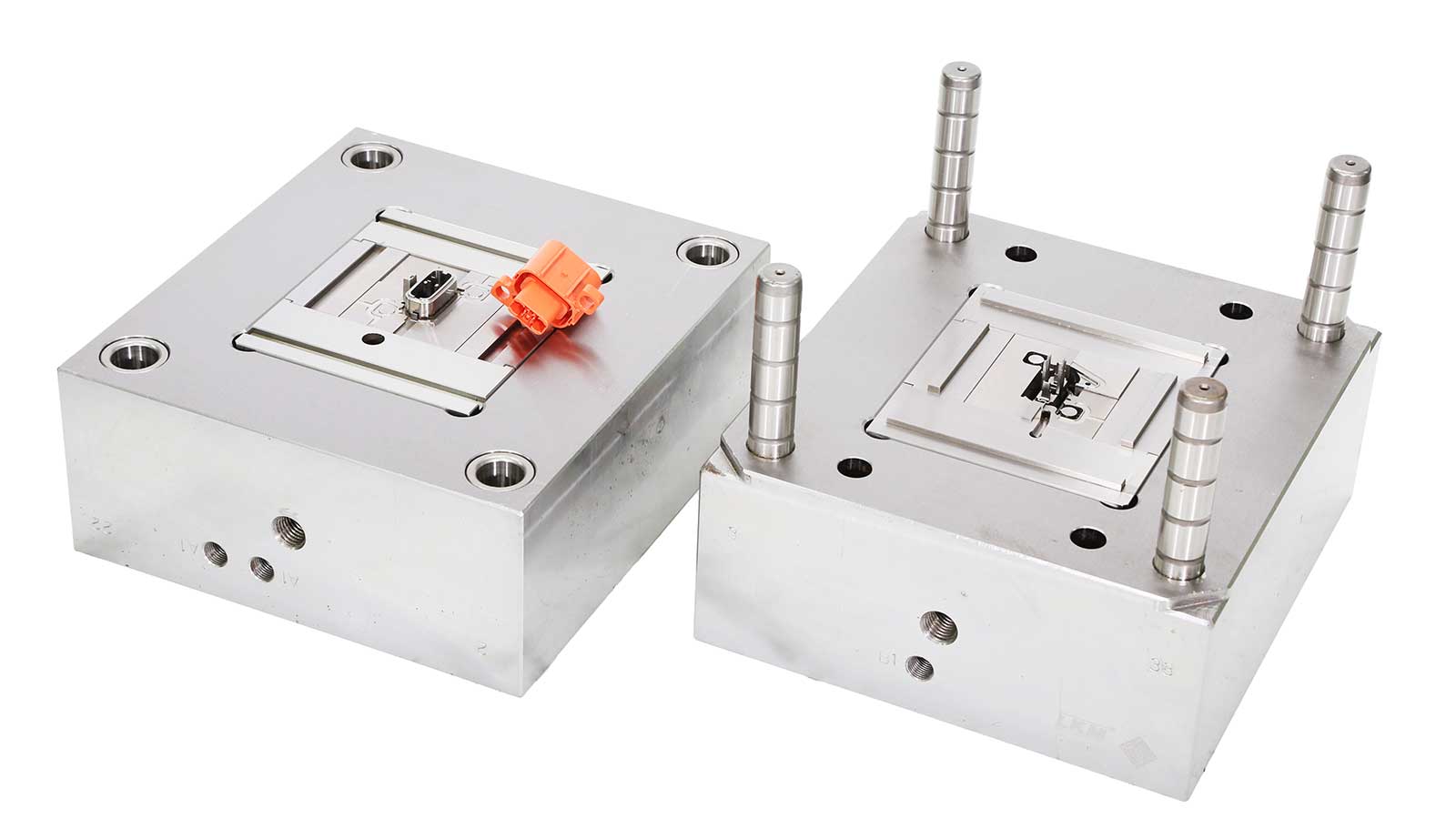
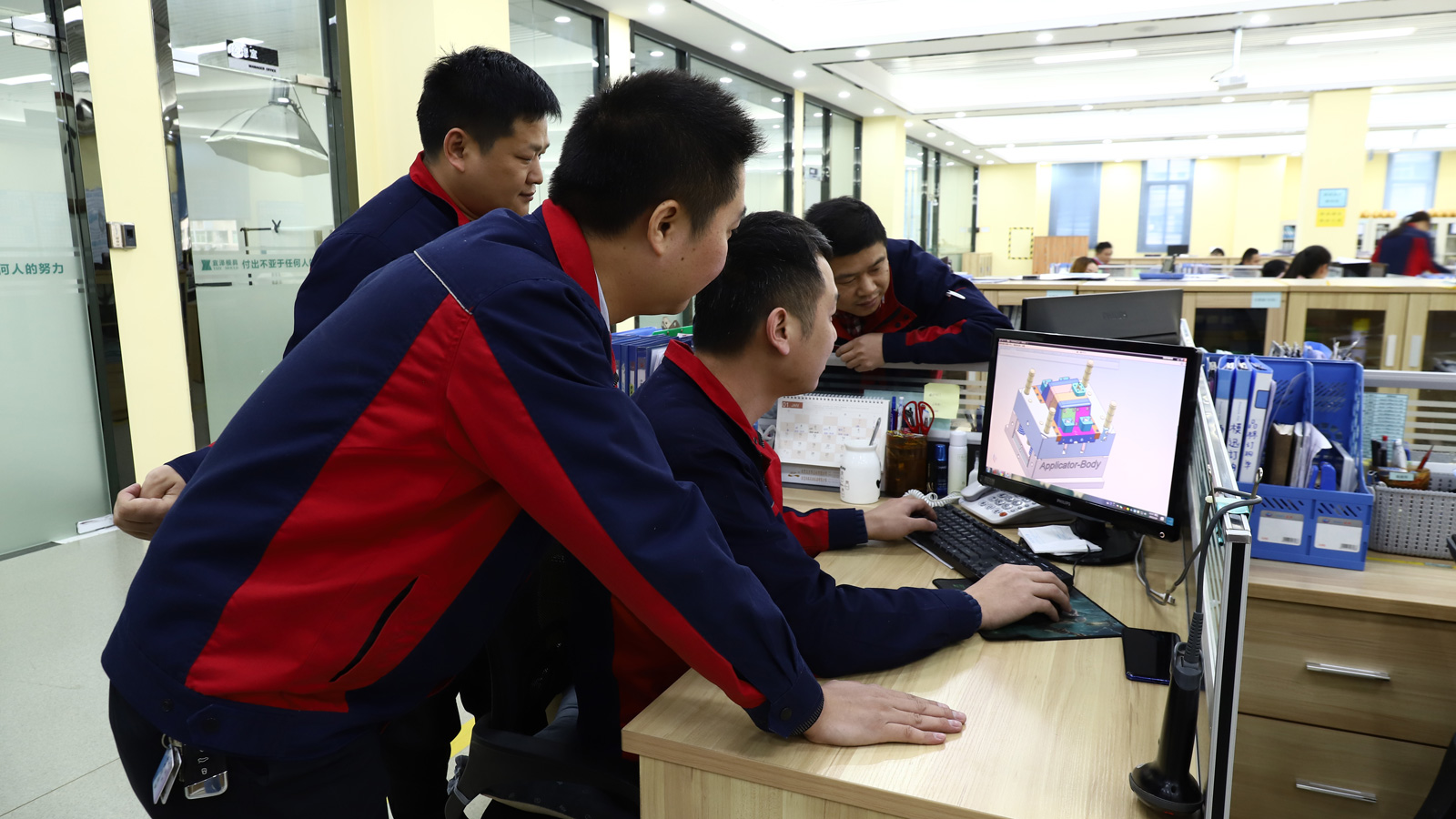
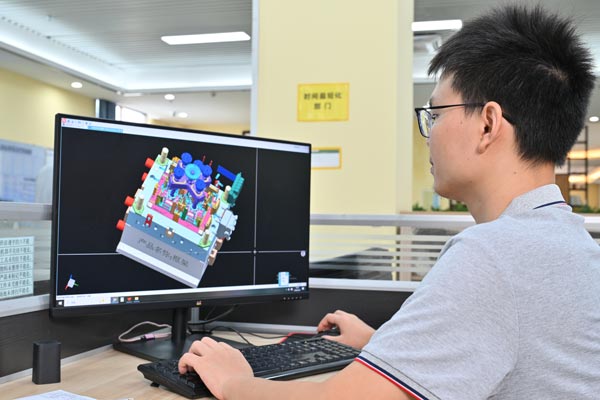
The success of molds depends on precision injection mold design and precise engineering execution. The following eight critical principles must be strictly observed:
- Rational Overall Layout: Ensure compact structural design with efficient spatial allocation, facilitating machining, assembly, and maintenance.
- Optimized Parting Line Selection: Choose the parting line based on product geometry and ejection direction to minimize draft path length and projected area, reducing flash risk.
- Precise Runner and Gate Placement: Implement a balanced runner system, aligning gate type (e.g., pin gate or side gate) with wall thickness and melt flow characteristics to achieve uniform filling.
- Reliable Ejection System: Position and number ejector pins to cover high-deformation zones, ensuring even ejection force and preventing white marks or pin breakage.
- Scientific Cooling Channel Design: Follow the principle of “closer to gate, reinforced at distant areas” to maintain uniform mold temperature, shorten cycle time, and enhance dimensional stability.
- Effective Venting Configuration: Install vent grooves (depth: 0.02–0.05 mm) at melt end-fill points, insert gaps, and parting lines to prevent air trapping, burning, or short shots.
- Draft Angles and Insert Handling: Apply a minimum 1° draft angle on all vertical surfaces; ensure insert extraction paths are interference-free, and transition sharp edges with radii to reduce stress concentration.
- Comprehensive Machining Drawings: Include full annotations—tolerances, surface finish, heat treatment specs, and material grades—to guarantee manufacturability, not simplification.
II. Material Selection Standards for Molds
Material choice directly impacts mold lifespan, precision, and cost. Functional zones require differentiated material specifications:
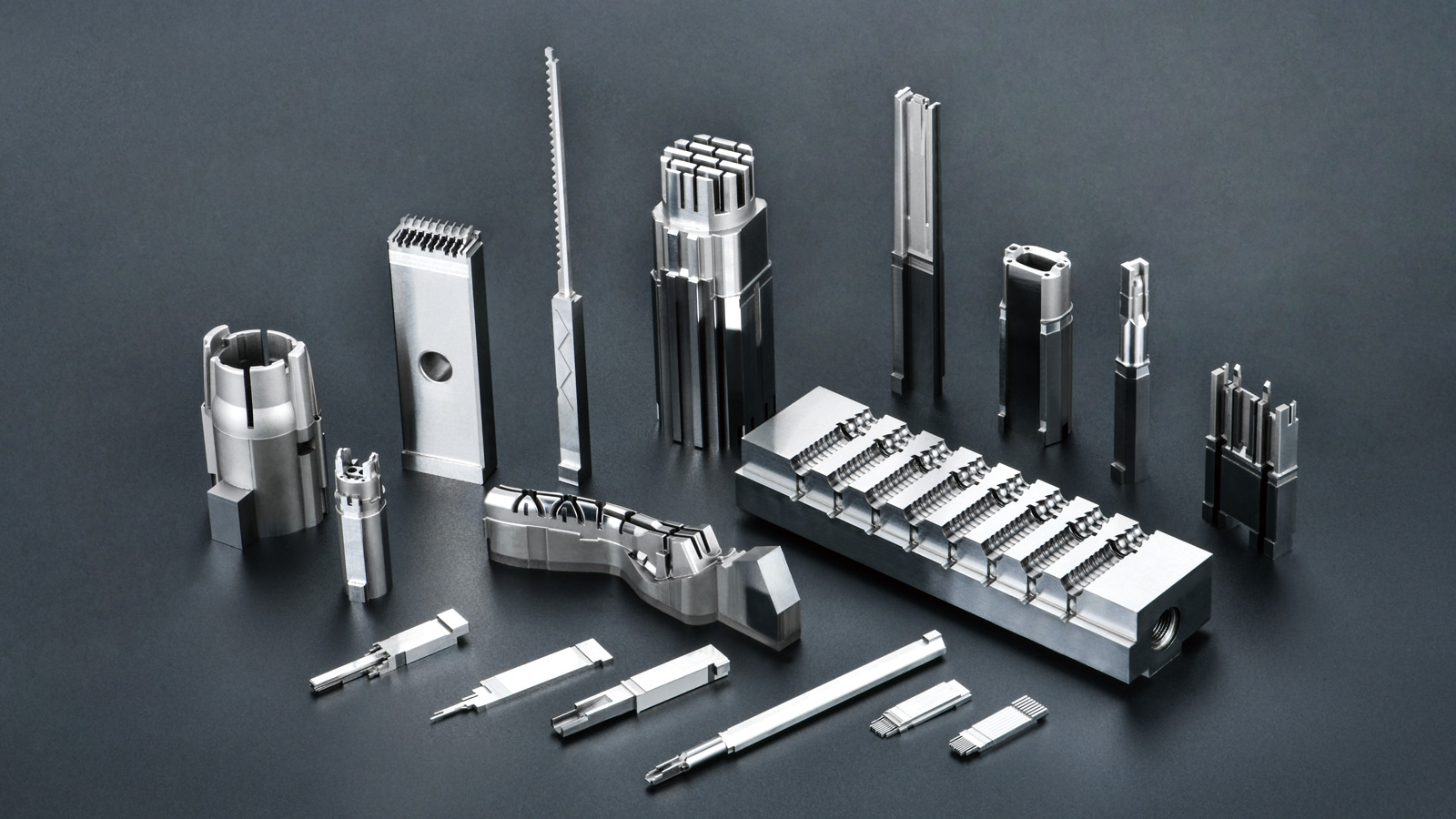
- Cavity and Core Materials: H13 (Chinese: 4Cr5MoSiV1, European: 2344, Japanese: SKD61) is recommended. After vacuum quenching, hardness reaches 52–56 HRC, suitable for production runs exceeding 300,000 cycles, with superior thermal strength, wear resistance, and thermal fatigue performance.
- Ejector Pin and Sliding Core Materials: Use NAK80 pre-hardened steel (hardness: 38–42 HRC) to balance surface hardness with core toughness. Avoid matching the same material as the cavity. If the customer insists on identical material, the ejector pin’s hardness must be at least 5 HRC lower than the cavity after heat treatment to prevent galling and enhance wear resistance.
- Material Certification Requirements: All steels must be accompanied by an original Mill Test Certificate (MTC) verifying chemical composition and heat treatment compliance with international standards, eliminating risks from substandard materials.
III. Why Choose Yize Mold?
Yize Mold, based in Dongguan, Guangdong, has specialized in precision injection mold design and manufacturing for over a decade, grounded in the philosophy of “Technology as Foundation, Service as Priority.” We deliver end-to-end mold solutions:
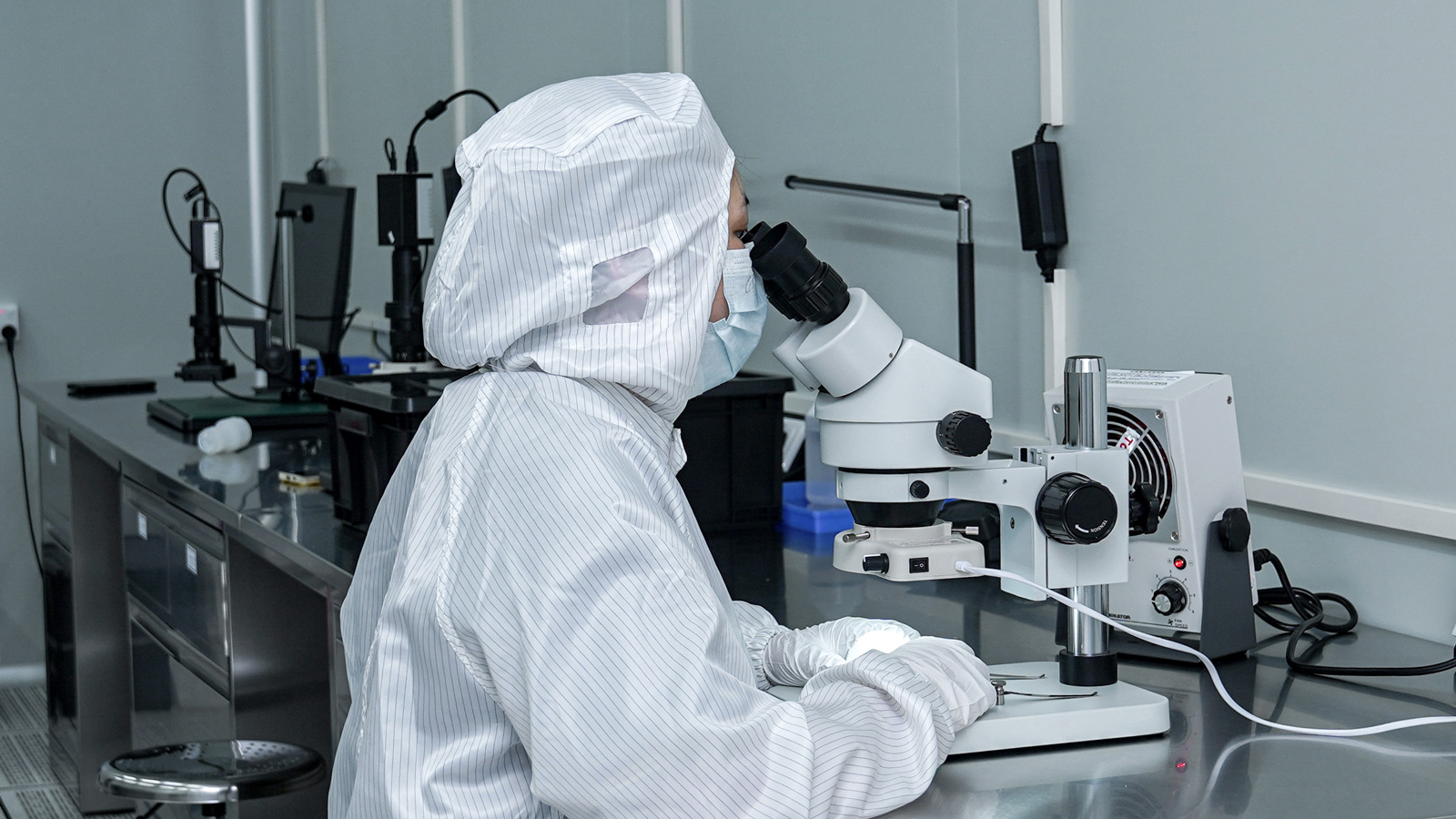
- Rigorous Technical Standards: Design accuracy controlled within ±0.01 mm; all molds undergo at least three trial runs to ensure production stability.
- Controlled Material Sourcing: Core materials such as H13 and NAK80 are procured directly from Baosteel, Hitachi, and other original manufacturers, each batch accompanied by material certification.
- Rapid Service Response: Yize Mould enables 48-hour response to maintenance requests, with complimentary trial molding, lifetime technical consultation, and mold frame refurbishment services.
- Strong Production Capacity: Equipped with 12 high-precision CNC machining centers and 3D inspection systems, supporting small-batch customization and fast turnaround, with an on-time delivery rate exceeding 98%.
Choosing Yize means choosing a professional precision injection mold design solution provider and verifiable commitment to quality and localized service support.
IV. Frequently Asked Questions (FAQ)
Q1: What is the typical service life of an injection mold?
A: With proper maintenance, molds made from H13 steel and designed with optimized cooling and venting can reliably produce 300,000 to 1,000,000 cycles. Actual lifespan depends on product complexity, plastic material properties, and environmental conditions such as temperature and humidity.
Q2: How can flash (burrs) be prevented?
A: Flash primarily results from insufficient clamping force, parting line wear, or inadequate venting. Solutions include calibrating the injection machine’s clamping pressure, repairing worn parting surfaces, optimizing vent groove depth and location, and regularly inspecting mold closure integrity.
Q3: What is the typical lead time for mold delivery?
A: For standard molds, the timeline from design confirmation to first trial run is 25–35 days. Complex or high-precision molds (e.g., medical or optical components) require 40–50 days. Yize Mold provides real-time project milestone tracking for full transparency.
Q4: What should be done if ejector pins or slides become stuck?
A: Sticking is often caused by high-temperature oxidation, insufficient lubrication, or tight fit tolerances. Regular lubrication with high-temperature anti-seize oil (e.g., HTN-1001) is recommended, along with ensuring precise guidance alignment for slides and pins. If jammed, do not force ejection—shut down the machine, disassemble, and inspect to avoid cavity damage.
Q5: Do you provide material certification?
A: Yes. All mold steels are delivered with an original Mill Test Certificate (MTC), including chemical composition, heat treatment parameters, and hardness test data, fully compliant with ISO 9001 and customer audit requirements.
Q6: How are sink marks or warpage resolved?
A: Sink marks typically result from insufficient holding pressure or uneven cooling; solutions include extending holding time and optimizing water channel layout. Warpage is addressed by improving wall thickness uniformity, adding ribs, or using glass-fiber-reinforced materials, while maintaining mold temperature fluctuations within ±2°C.