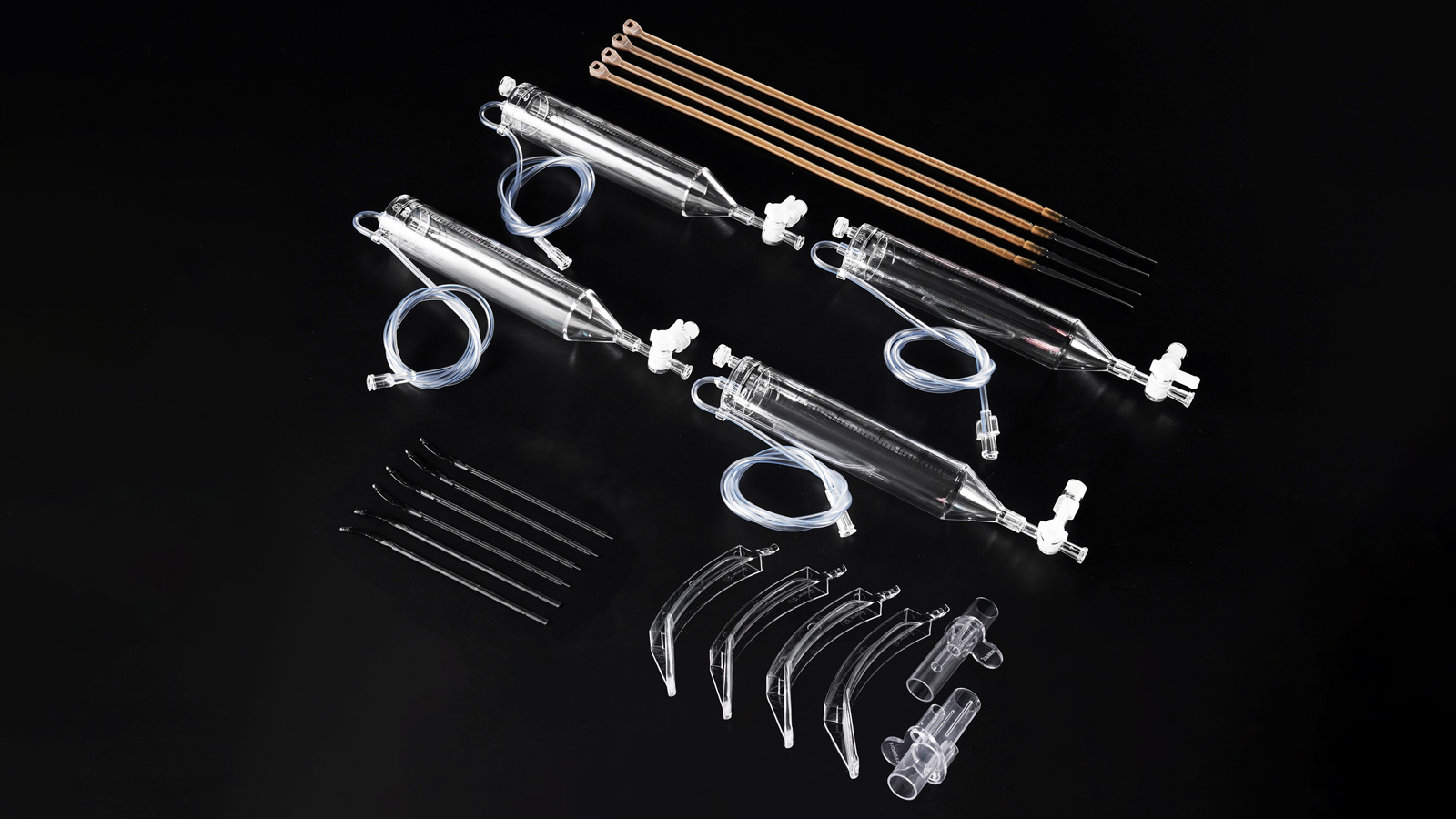
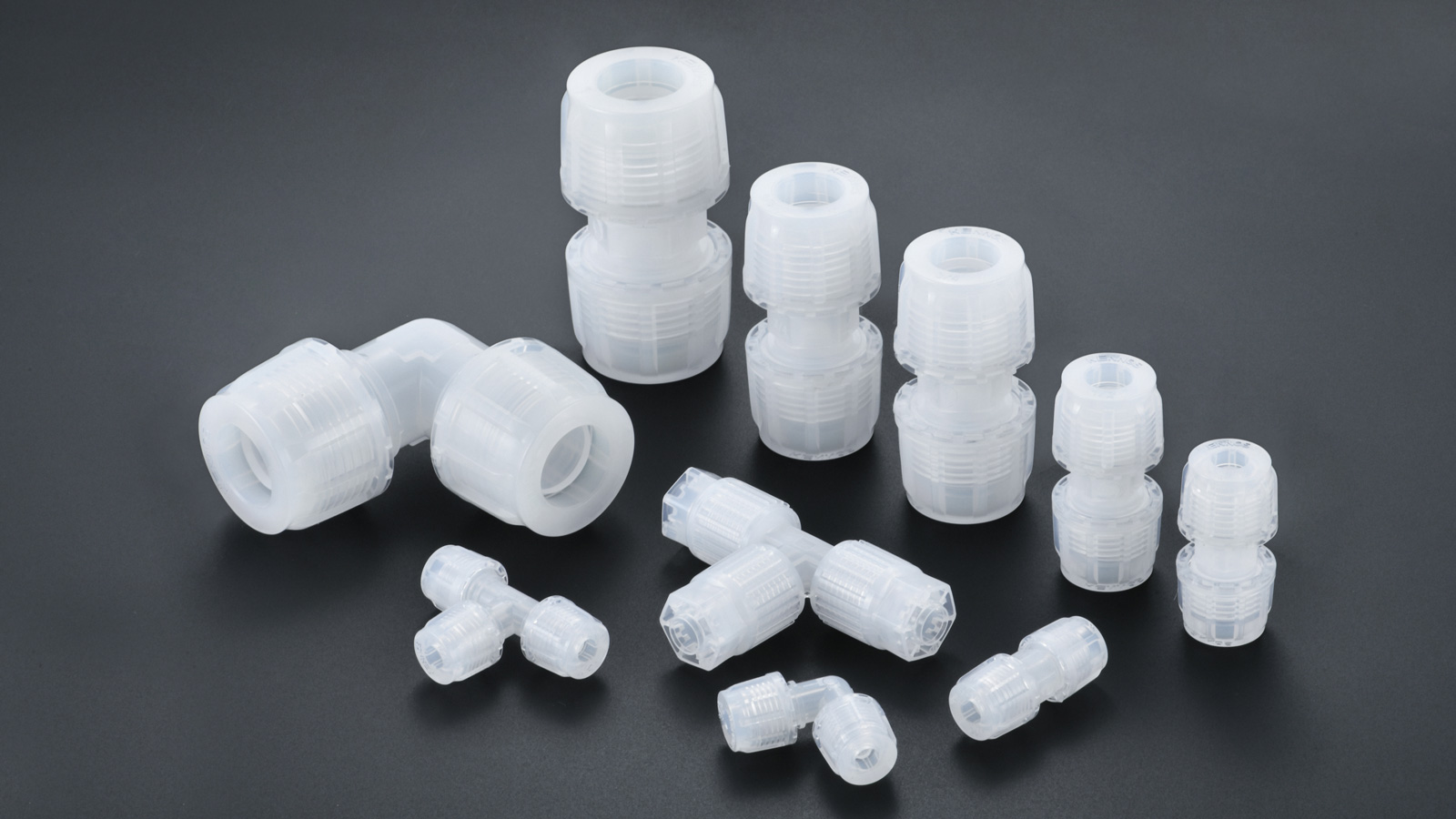
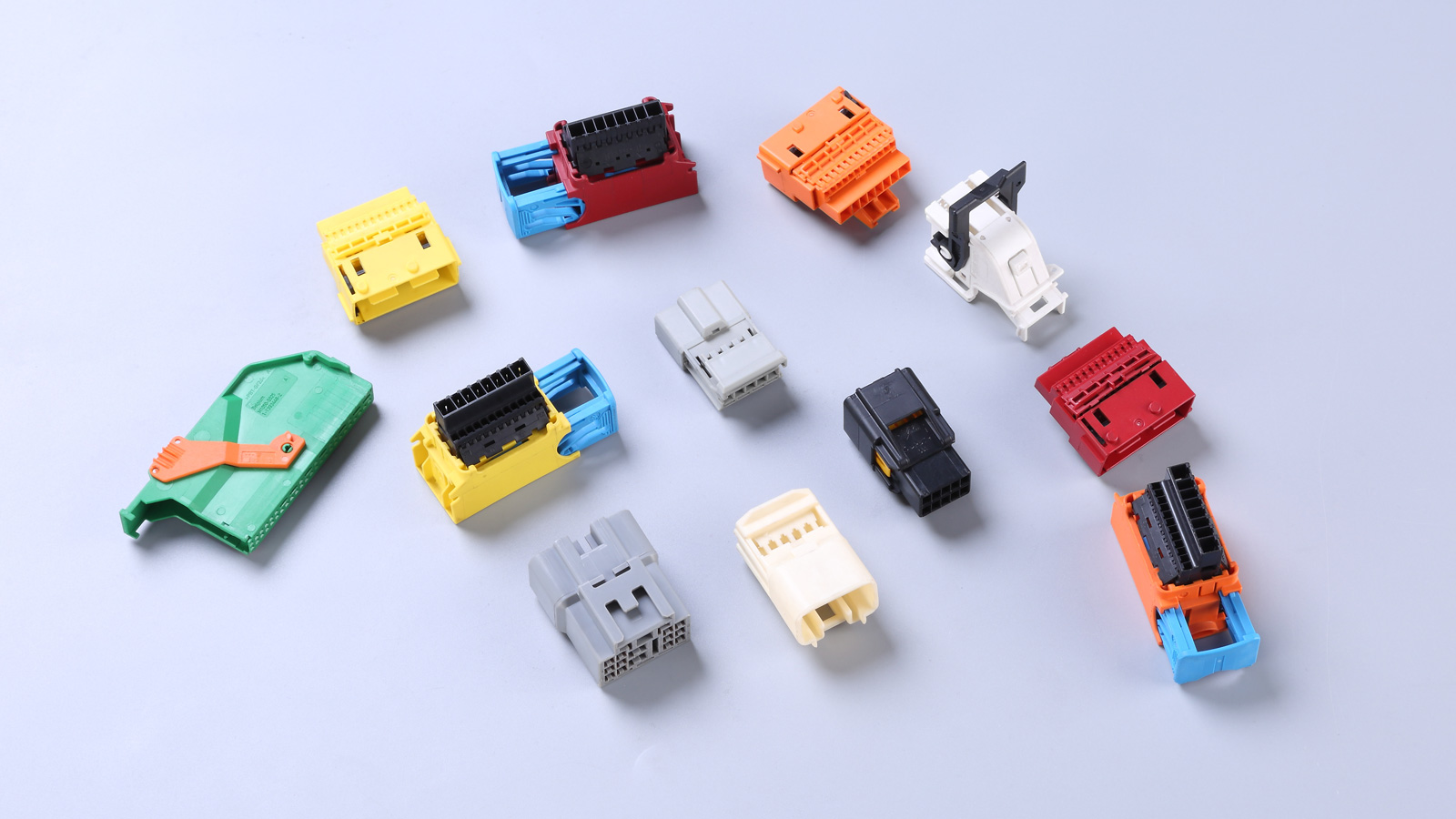
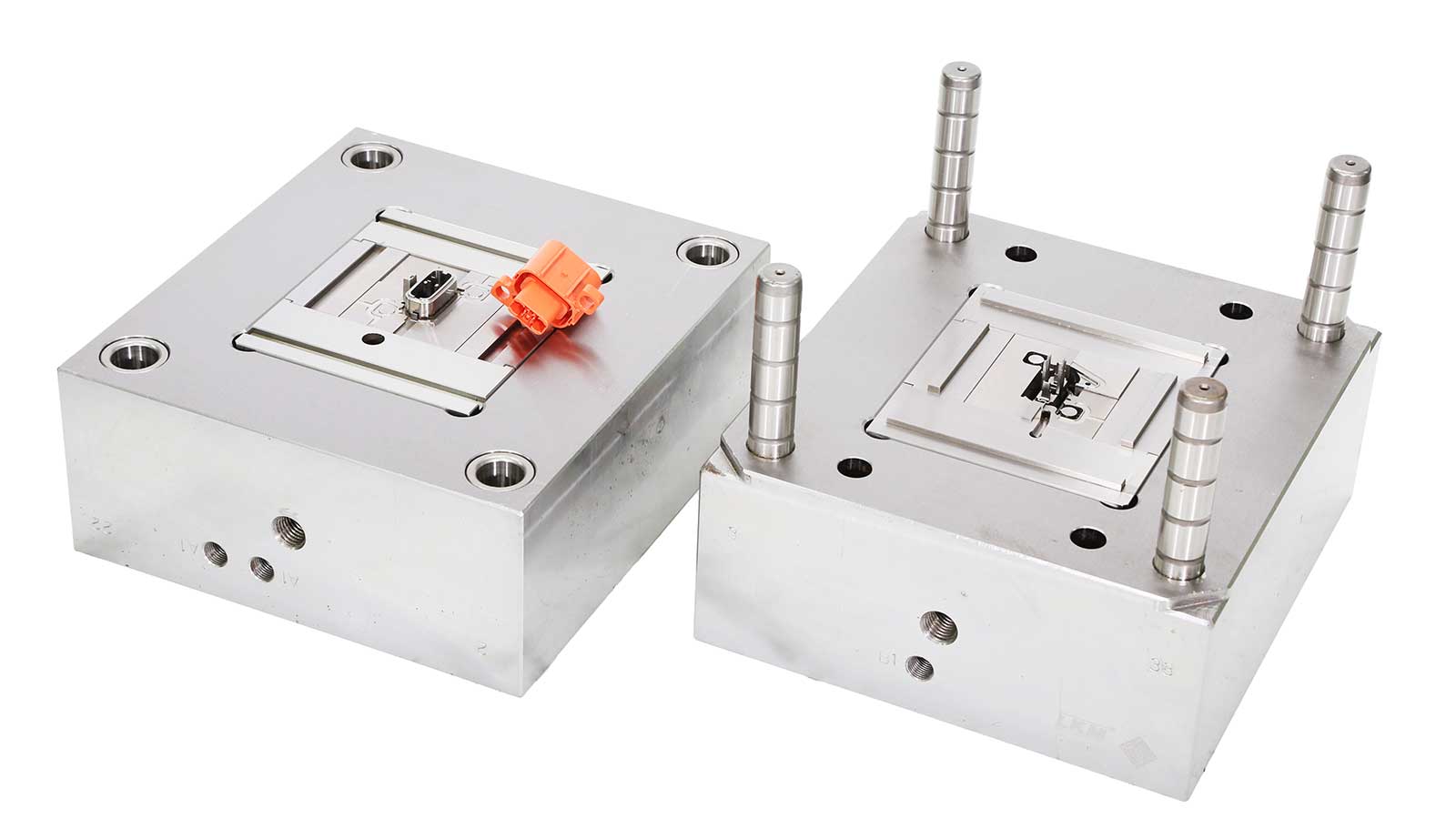
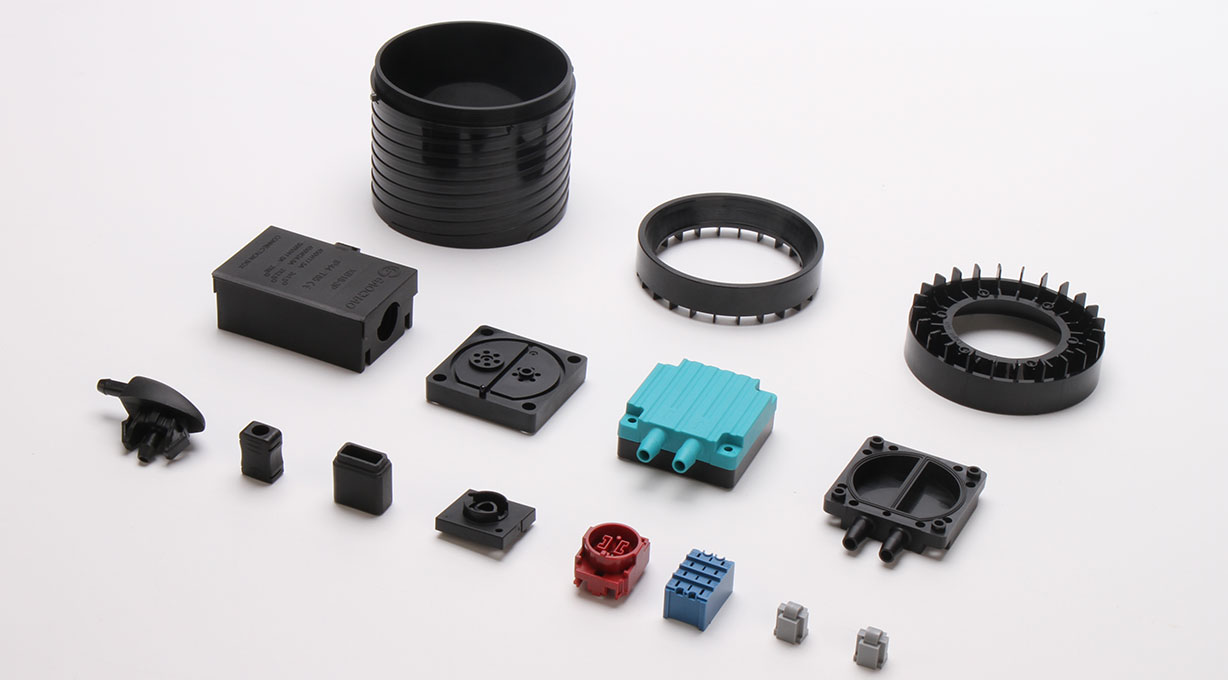



In the field of high-precision injection molding, the final quality of products directly determines the adaptability and reliability in downstream application scenarios. The industry generally sets two core evaluation indicators for high-precision injection molds: processing equipment accuracy and mold deviation. The processing equipment accuracy is difficult for cross-scenario direct comparison due to variables such as product size and wall thickness, which essentially represents the comprehensive performance level of the injection molding machine. In current industry standards, the weight repeat error of ordinary injection molding machines is about 1%, and equipment with excellent performance can control this value within 0.8%. Equipment with an error below 0.5% can be defined as a high-precision injection molding machine, and those with an error less than 0.3% fall into the category of ultra-high-precision injection molding machines.
Combined with full-process production practices, the core factors affecting the final accuracy of high-precision injection molding products can be summarized into four points:
First, the shrinkage characteristics of plastic materials. Different types of plastic raw materials have differentiated shrinkage properties, which directly determine the dimensional stability of products after molding, and are the core parameters that must be prioritized in the early process design stage.
Second, the structural form and dimensional specifications of products. The geometric complexity, overall size and local wall thickness distribution of products will directly affect the melt flow and pressure transfer during the injection molding process, and ultimately act on the molding accuracy of products.
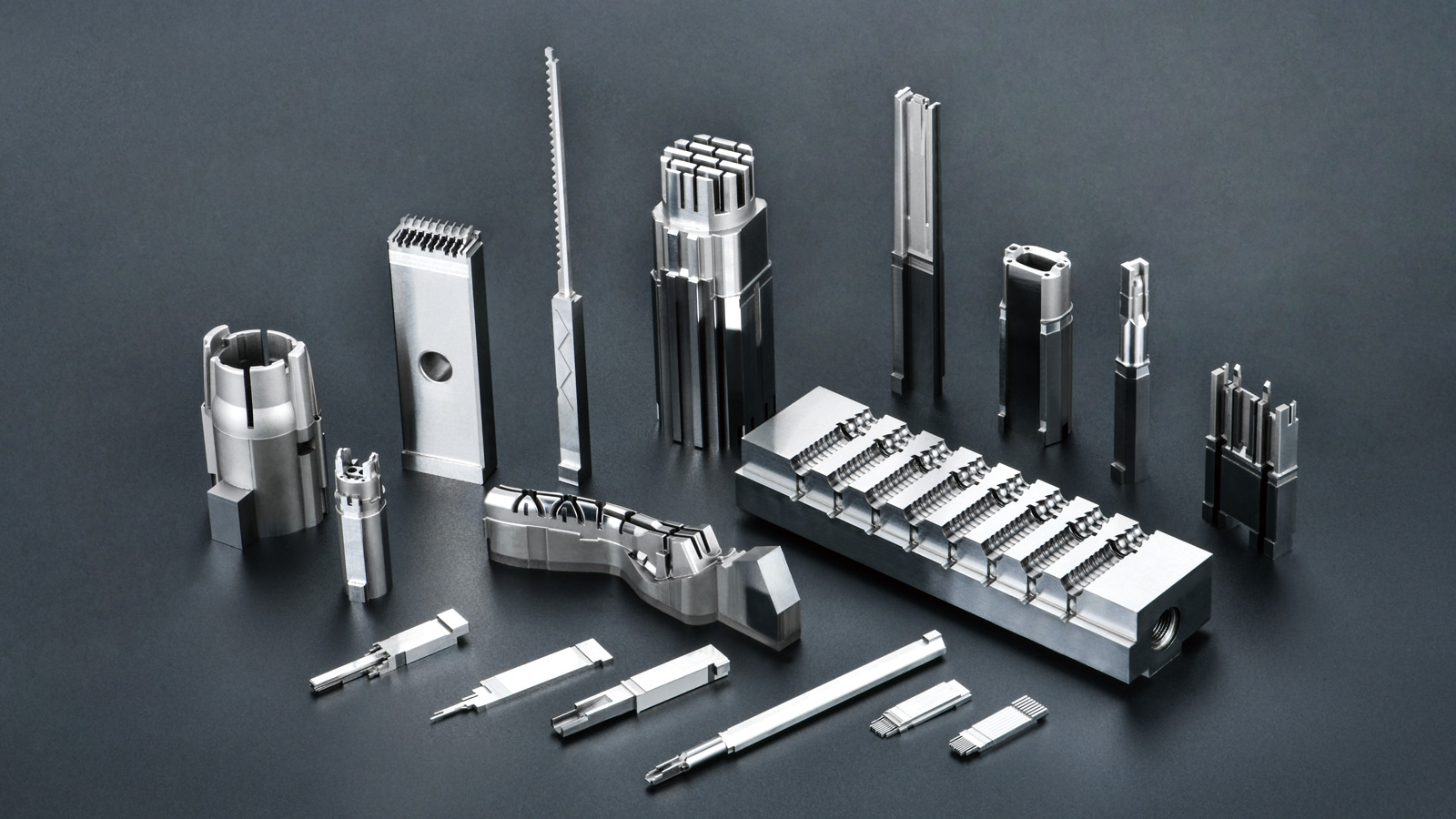
Third, the manufacturing and processing accuracy of molds. As the direct carrier for product molding, the machining accuracy of mold cavities, the fit tolerance of parting surfaces and the structural rigidity of the mold itself are the core basic conditions to ensure product accuracy.
Fourth, the performance matching degree of injection molding equipment. For the production demand of high-precision products, injection molding machines of corresponding accuracy levels must be selected to ensure the stable output of core parameters such as injection pressure, injection speed and metering accuracy, so as to meet the high-precision production requirements of products.
FAQ
Q1: What specific requirements does high-precision injection molding have for the shrinkage rate of plastic raw materials?
A1: High-precision injection molding scenarios usually prioritize plastic raw materials with a shrinkage rate lower than 0.5%, and it is necessary to test the batch stability of raw materials in advance to avoid product accuracy deviations caused by raw material shrinkage fluctuations.
Q2: How to judge whether the existing injection molding machine meets the production requirements of high-precision products?
A2: You can conduct more than 20 consecutive empty-shot weight repeat tests to calculate the weight deviation. If the deviation is stably controlled within 0.5%, the equipment can be judged to meet the basic production requirements of high-precision injection molding.
Q3: When the mold processing accuracy is insufficient, can the product accuracy deviation be compensated by adjusting the injection molding process?
A3: Only fine adjustment and compensation can be carried out within a very small tolerance range. If the processing deviation of the mold itself exceeds the reasonable range, relying solely on process adjustment cannot stably ensure the product accuracy of mass production, and the mold accuracy correction must be completed first.