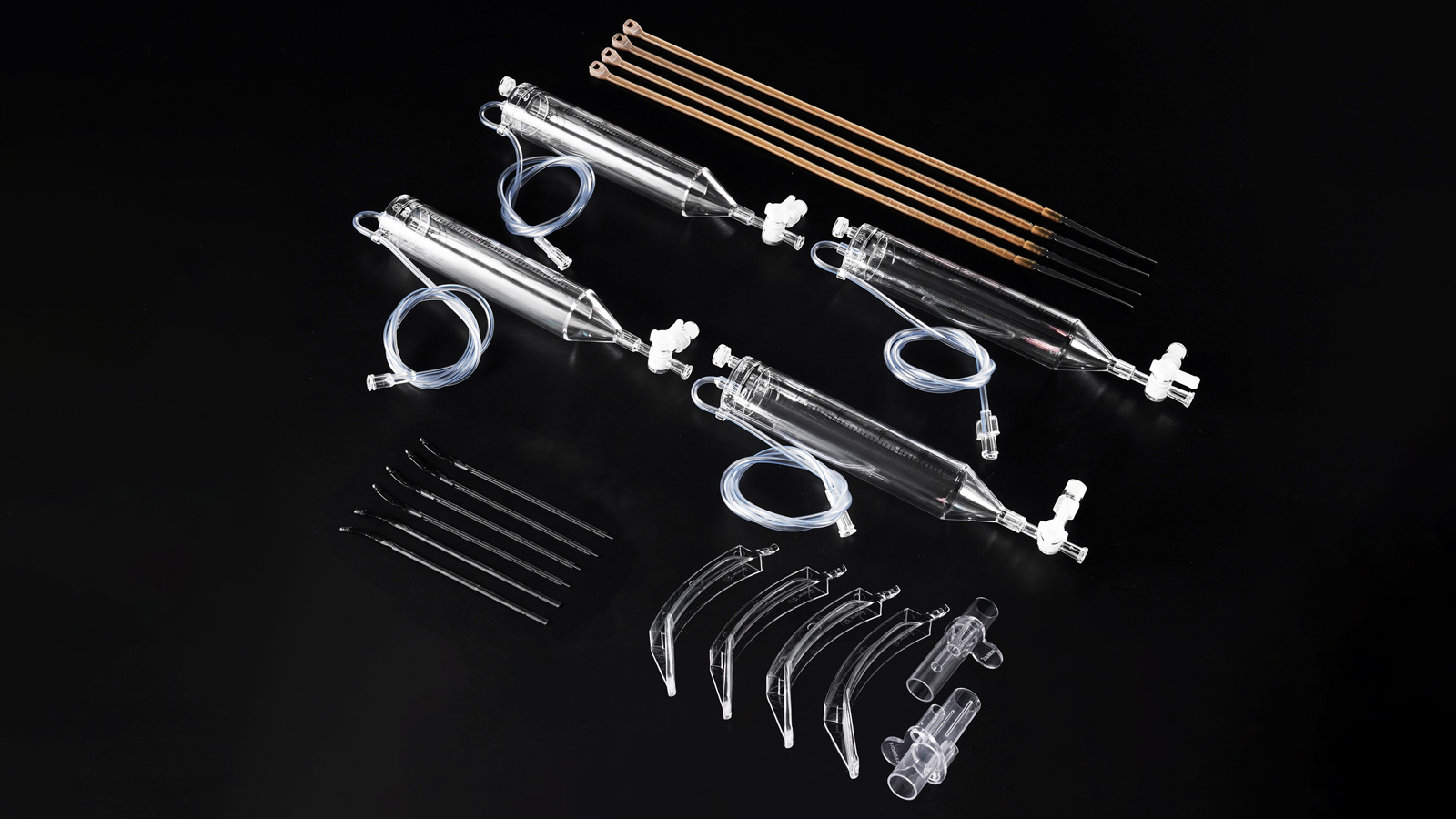
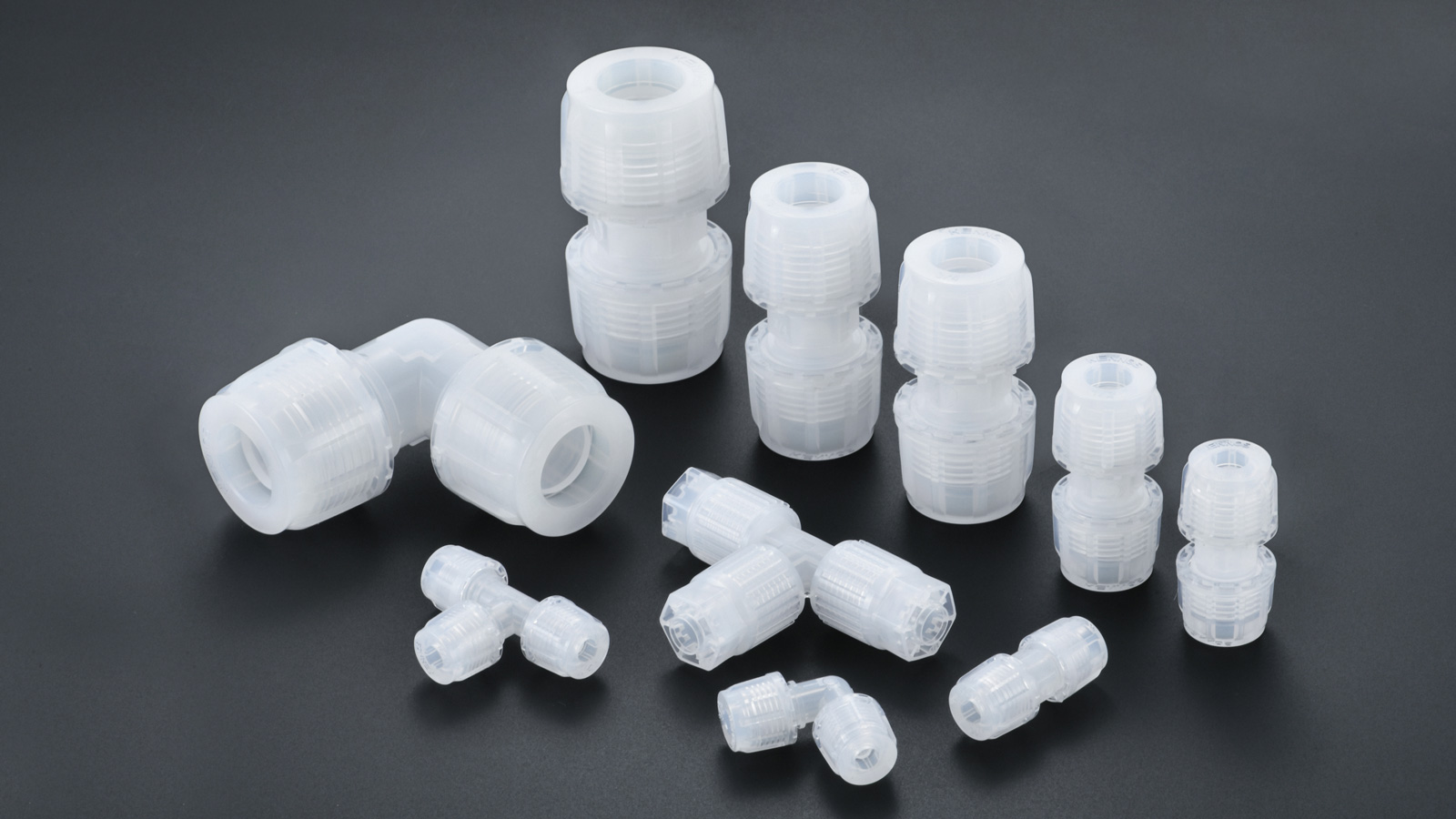
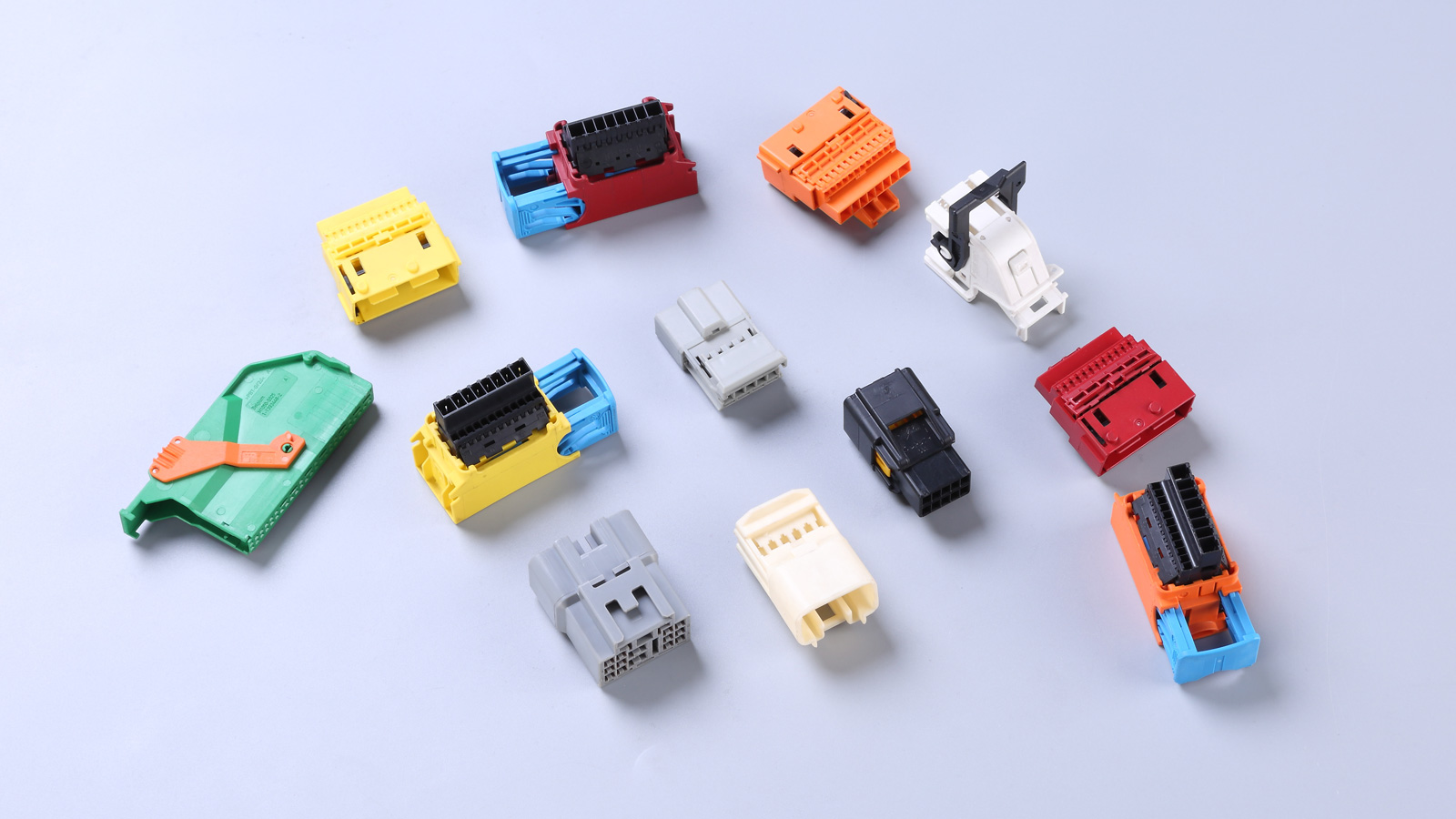
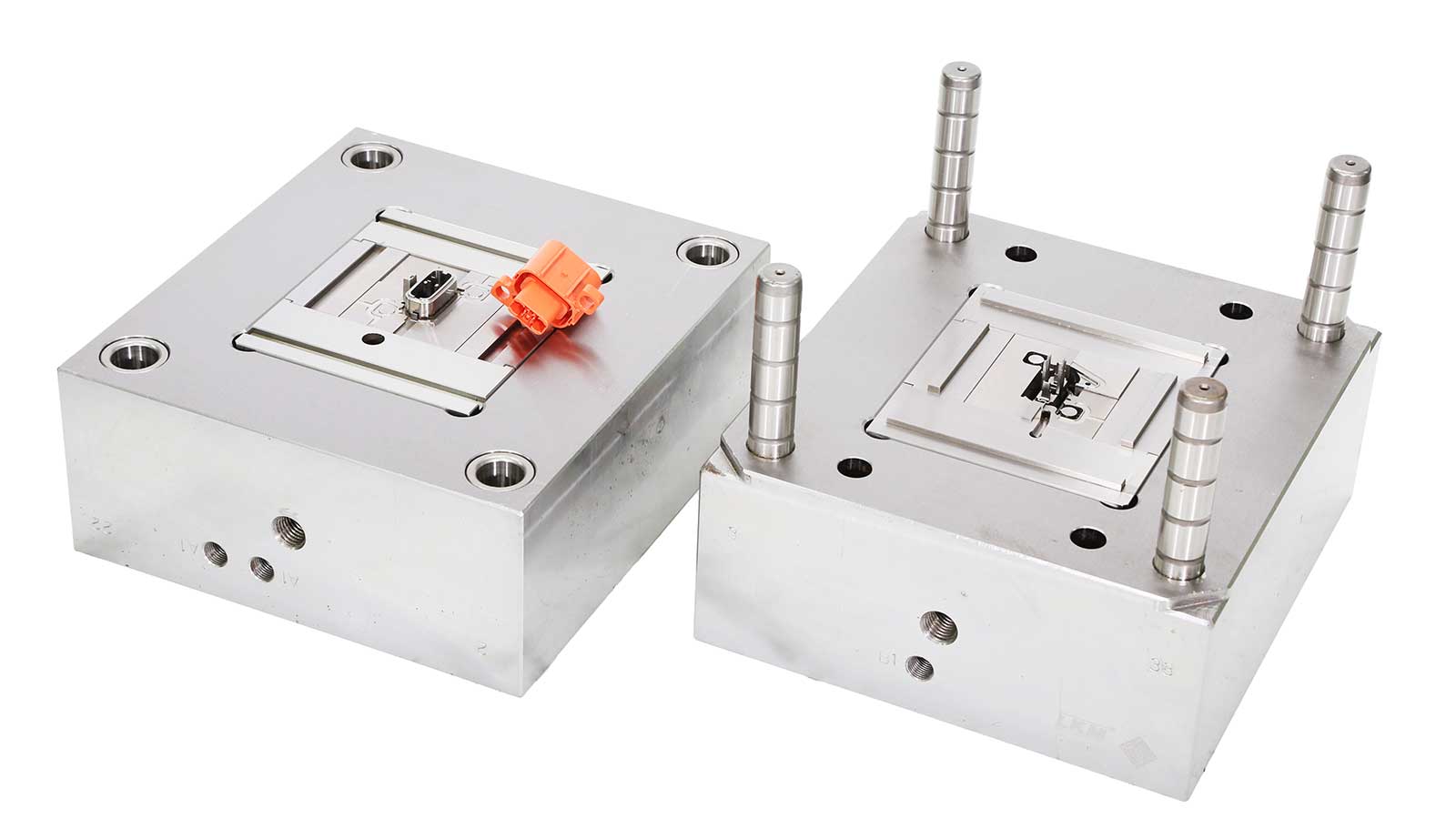
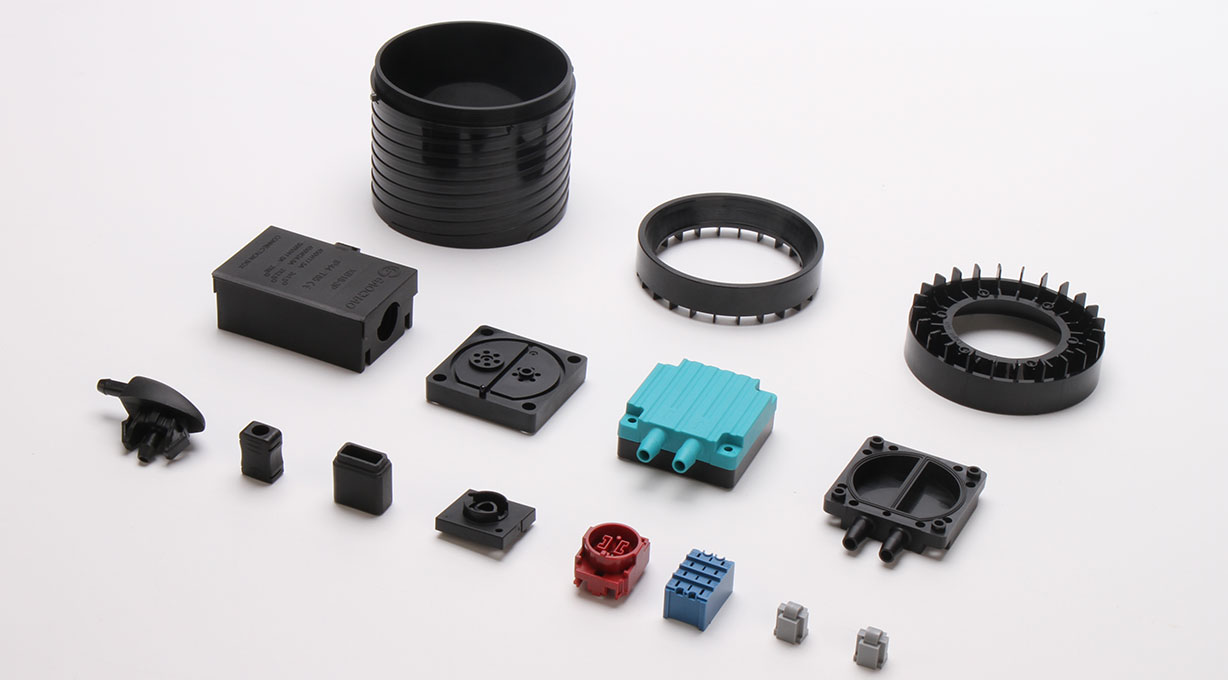


Precision injection molding is a core manufacturing process in modern high-end industries, widely applied in medical, electronic, automotive, and aerospace sectors, with dimensional tolerances reaching ±0.001 mm. Achieving this level of precision relies on the coordinated control of four systems: material, mold, process, and equipment. Among these, precision injection mold serve as the physical foundation and critical determinant of product quality consistency.
Four Core Factors Influencing Precision Injection Molding
1. Material Characteristics: Irreversible Shrinkage Constraints
The thermal shrinkage rate, crystallinity, orientation, and post-shrinkage behavior of plastic materials directly affect dimensional stability. Engineering plastics such as PEEK, PPSU, and LCP are preferred due to their low shrinkage, high rigidity, and creep resistance. Variations in molecular weight distribution or moisture content between material batches can cause deviations in shrinkage rates; therefore, strict incoming material inspection protocols are essential to ensure batch-to-batch consistency.
2. Precision Injection Mold: The Ultimate Carrier of Dimensional Accuracy
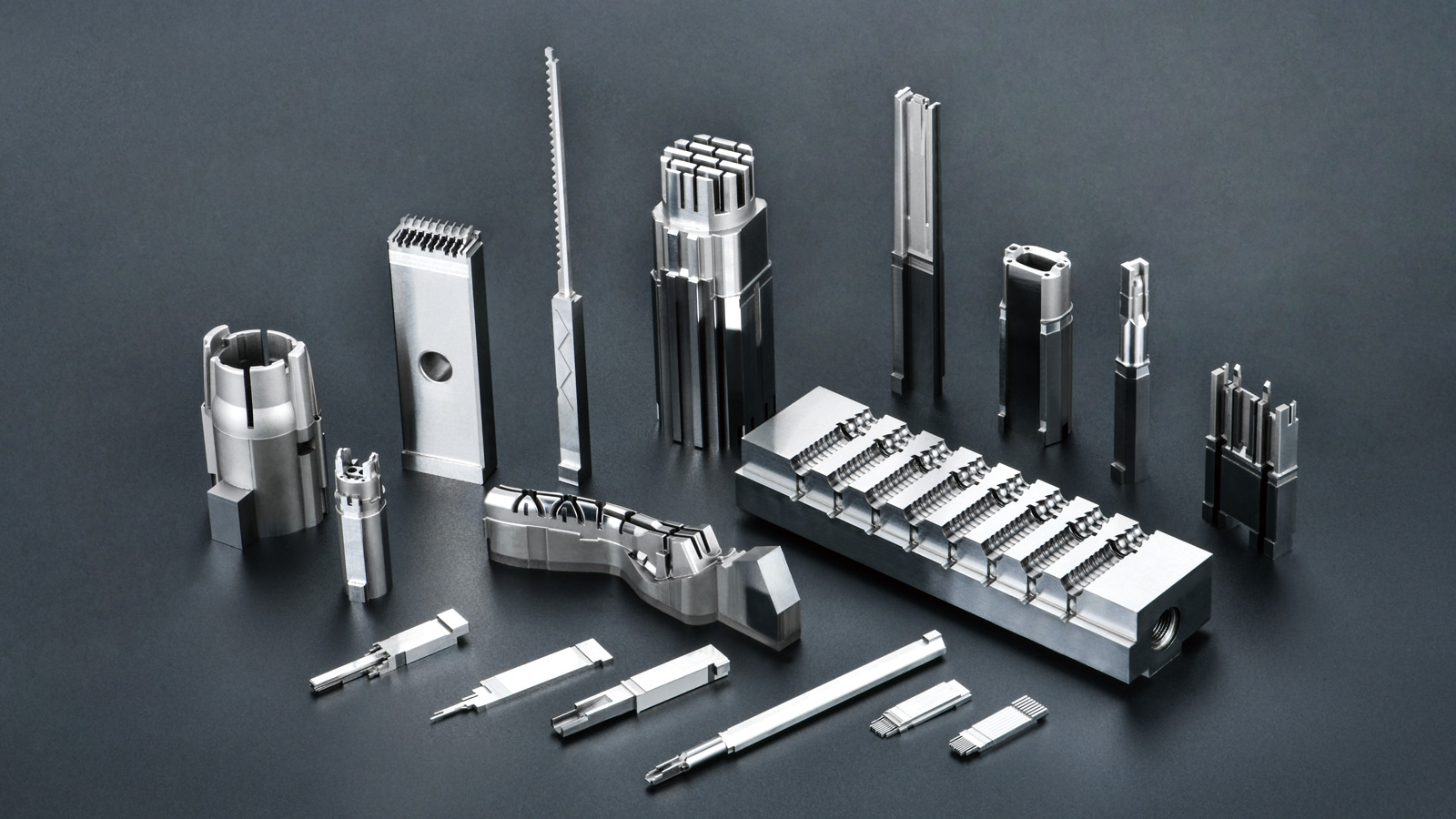
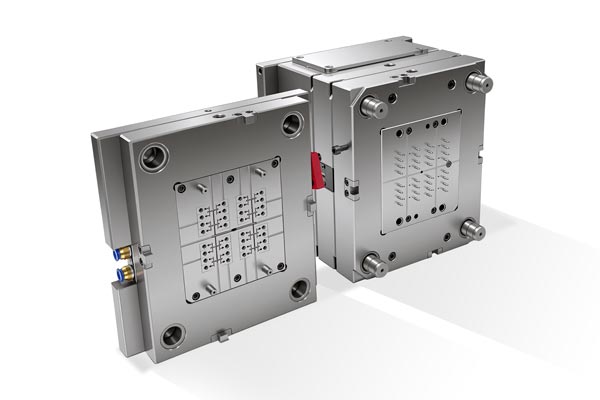
Molds are the physical embodiment of precision. Their design and manufacturing accuracy directly determine part tolerances and surface finish.
- Cavities and Parting Lines: Must be machined from high-hardness alloy steels (HRC52+), using precision EDM and five-axis CNC machining to achieve cavity tolerances within one-third of the part tolerance, with surface roughness Ra ≤ 0.025 μm.
- Runner Systems: Hot runner systems eliminate cold slugs and reduce scrap, enabling uniform melt flow. Gate locations must be optimized via Moldflow simulation to prevent weld lines and orientation stress concentration.
- Cooling Systems: Cooling channels must follow the principle of “uniform distribution, close proximity to the cavity.” Conformal cooling designs can reduce cycle times by over 30% and significantly mitigate warpage.
- Venting Systems: Micro-scale venting grooves must be placed at melt flow endpoints to prevent trapped air, which causes burning, short shots, or internal stress anomalies.
- Structural Rigidity: Template thickness, support pillar layout, and guide pin/bushing clearance (≤0.002 mm) collectively ensure mold stability under high clamping pressure, preventing flash due to elastic deformation.
3. Process Parameters: Dynamic Equilibrium in Control
The molding process is a multivariable system coupling temperature, pressure, speed, and time.
- Temperature: Barrel temperature must be precisely maintained within the material’s flow-to-degradation window. Mold temperature fluctuation must be held within ±1°C to stabilize shrinkage behavior.
- Pressure: Injection pressure must exceed 25 MPa; holding pressure must compensate for material shrinkage without inducing excessive internal stress or warpage.
- Speed: Multi-stage injection speed profiles optimize melt front flow, avoiding shear overheating and melt fracture.
- Time: Cooling time accounts for over two-thirds of the cycle. Insufficient cooling causes deformation; excessive cooling reduces efficiency. Optimal duration must be dynamically calibrated through thermal simulation and empirical data.
4. Equipment Precision: The Foundational Enabler of Process Reproducibility
Ultra-precision injection machines require:
- Injection position repeatability ≤ 0.03 mm
- Clamping force uniformity deviation < 1%
- Temperature control accuracy ±0.5°C
- Fully electric servo systems enabling stepless speed control and high-response dynamics
Equipment stability is the prerequisite for repeatable process parameters and a necessary condition for achieving “ultra-precision” (repeatability < 0.3%).
Why Choose Yize Mould?
Dongguan Yize Mould Co., Ltd., established in 2005 and headquartered in Chang’an Town, Dongguan — the heart of China’s mold manufacturing industry — specializes in high-precision mold components and precision injection molding solutions for global clients.
- Technical Precision: Capable of ±0.001 mm machining accuracy. All molds are manufactured to international standards including GB, JIS, and DIN, with cavity roundness ≤0.0015 mm and straightness ≤0.002 mm over 300 mm.
- Certification Systems: Certified under ISO9001 quality management and ISO13485 medical device quality management systems, enabling compliance with highly regulated industries such as medical, electronics, and automotive.
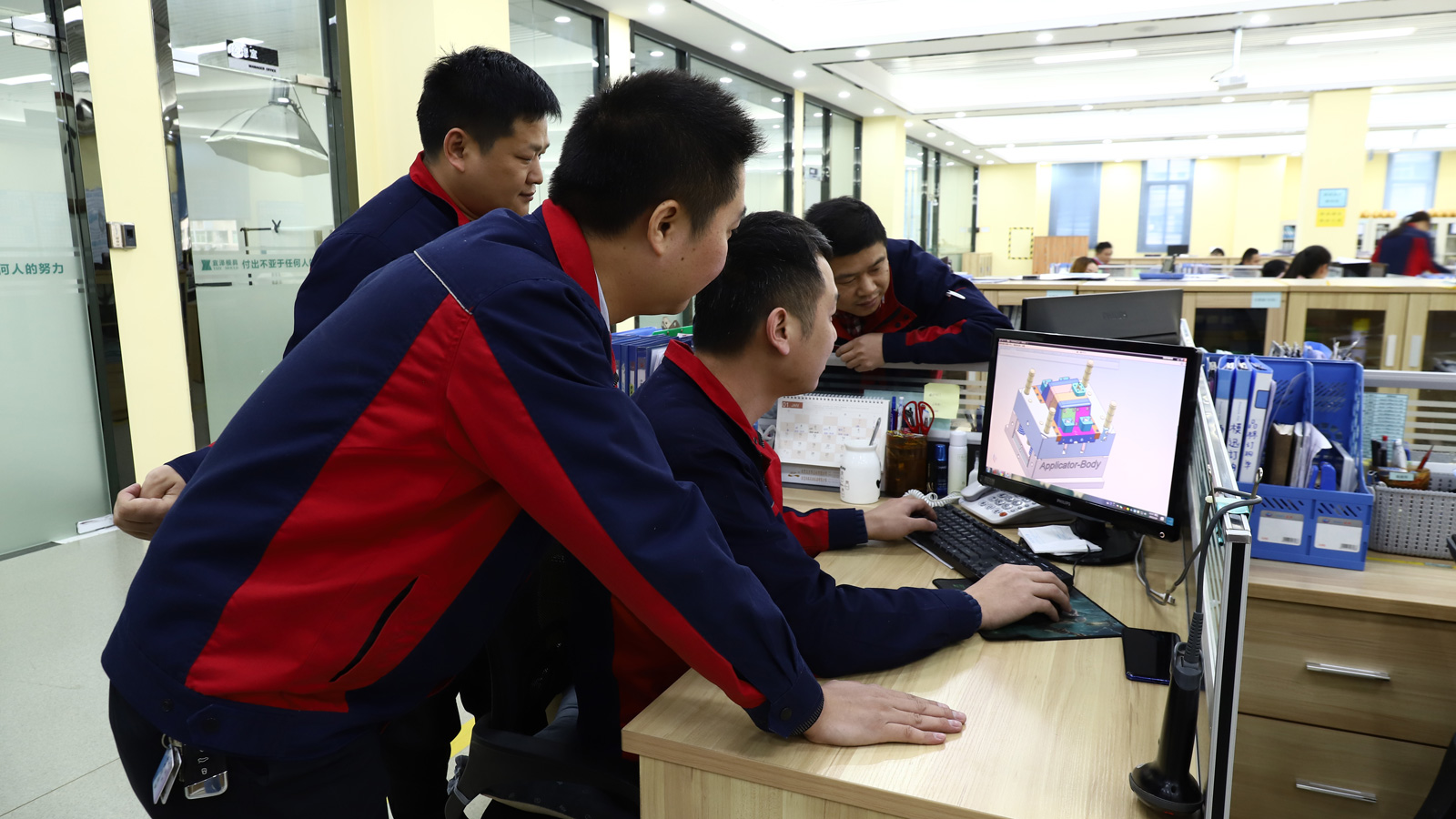
- Industrial Synergy: Leveraging Dongguan’s comprehensive supply chain ecosystem — from raw materials to inspection equipment — we enable seamless coordination from design and machining to trial molding and mass production, reducing development cycles by over 30%.
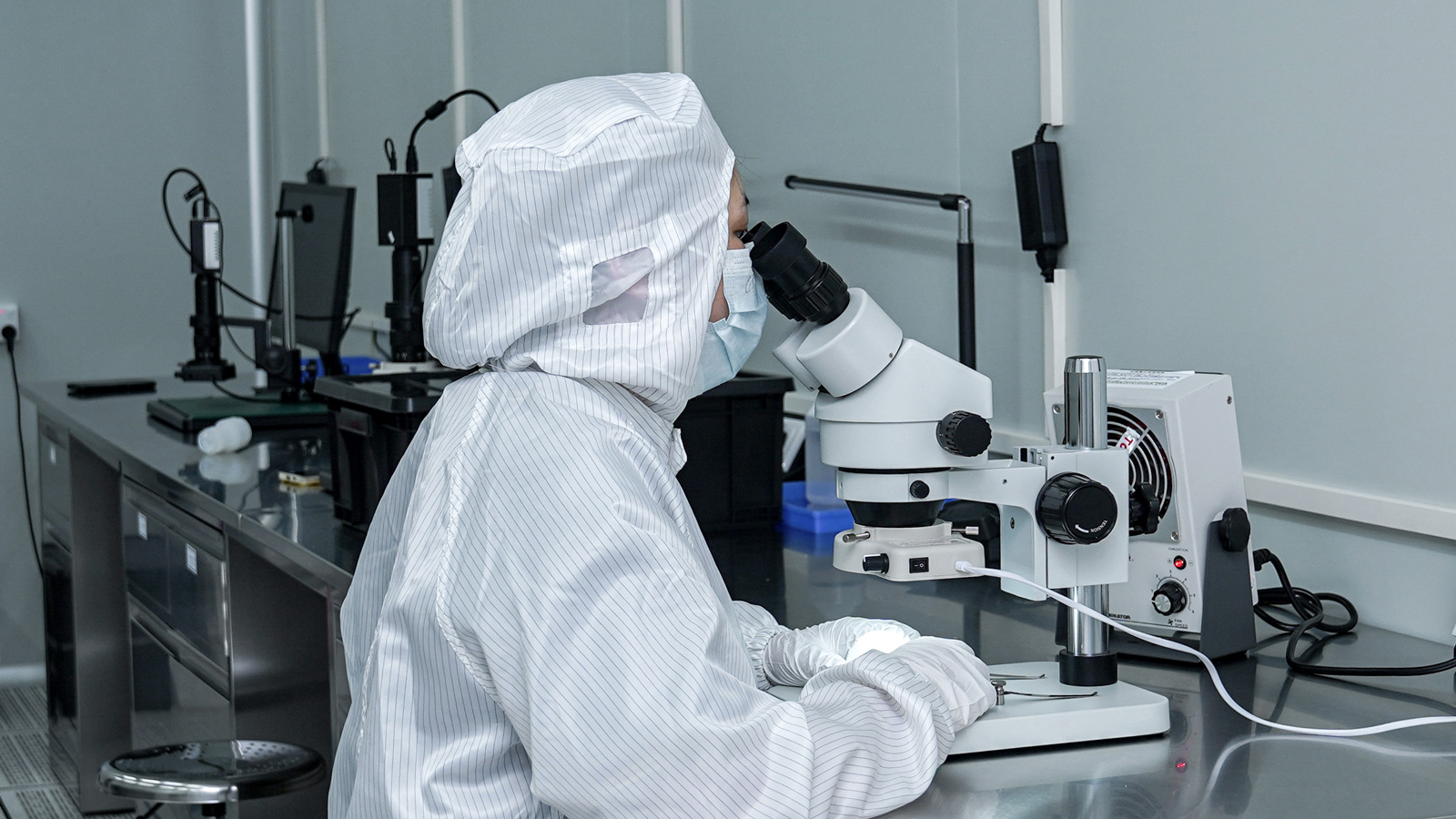
- Service Commitment: Specialized in injection molding of medical-grade PFA, PEEK, LCP, and other high-performance materials. Equipped with a Class 1,000 cleanroom and offering end-to-end engineering support — from DFM analysis to mass production — we ensure risk mitigation and consistent delivery.
We don’t just provide molds — we deliver trusted precision manufacturing partnerships.
Frequently Asked Questions (FAQ)
Q1: What is the typical lifespan of a precision injection mold?
A: Mold lifespan depends on material, usage frequency, and maintenance. With high-hardness steel (HRC52+) and regular polishing and cooling channel cleaning, standard molds can reliably produce 500,000 to 1,000,000 cycles. For high-precision medical and electronic molds, professional maintenance every 3–6 months is recommended to maintain micron-level accuracy.
Q2: How is part dimensional accuracy of ±0.001 mm ensured?
A: Achieved through a three-tiered approach: material stability, mold precision, and process control. Low-shrink engineering plastics are selected; mold cavities are machined using slow-wire EDM and five-axis CNC with tolerances of ±0.0005 mm; injection processes employ closed-loop temperature and pressure feedback systems to dynamically compensate for fluctuations.
Q3: What is the typical lead time?
A: Standard precision mold development takes 25–45 days, including design review, machining, trial molding, and acceptance. Complex structures or multi-cavity molds may extend to 60 days. We provide real-time project tracking for transparent delivery.
Q4: What special materials can you process?
A: We have extensive experience with PFA, PEEK, PEI, PPSU, LCP, and medical-grade silicone (LSR). We specialize in process adaptation and mold surface treatments for high-viscosity, thermally sensitive materials to prevent sticking and degradation.
Q5: Why choose a mold supplier in Dongguan?
A: Dongguan hosts the densest mold manufacturing cluster in China, with over 20,000 enterprises offering a complete ecosystem — from steel suppliers to CNC machining, heat treatment, and inspection equipment. Local collaboration drastically reduces communication overhead and enables rapid response and co-optimization.