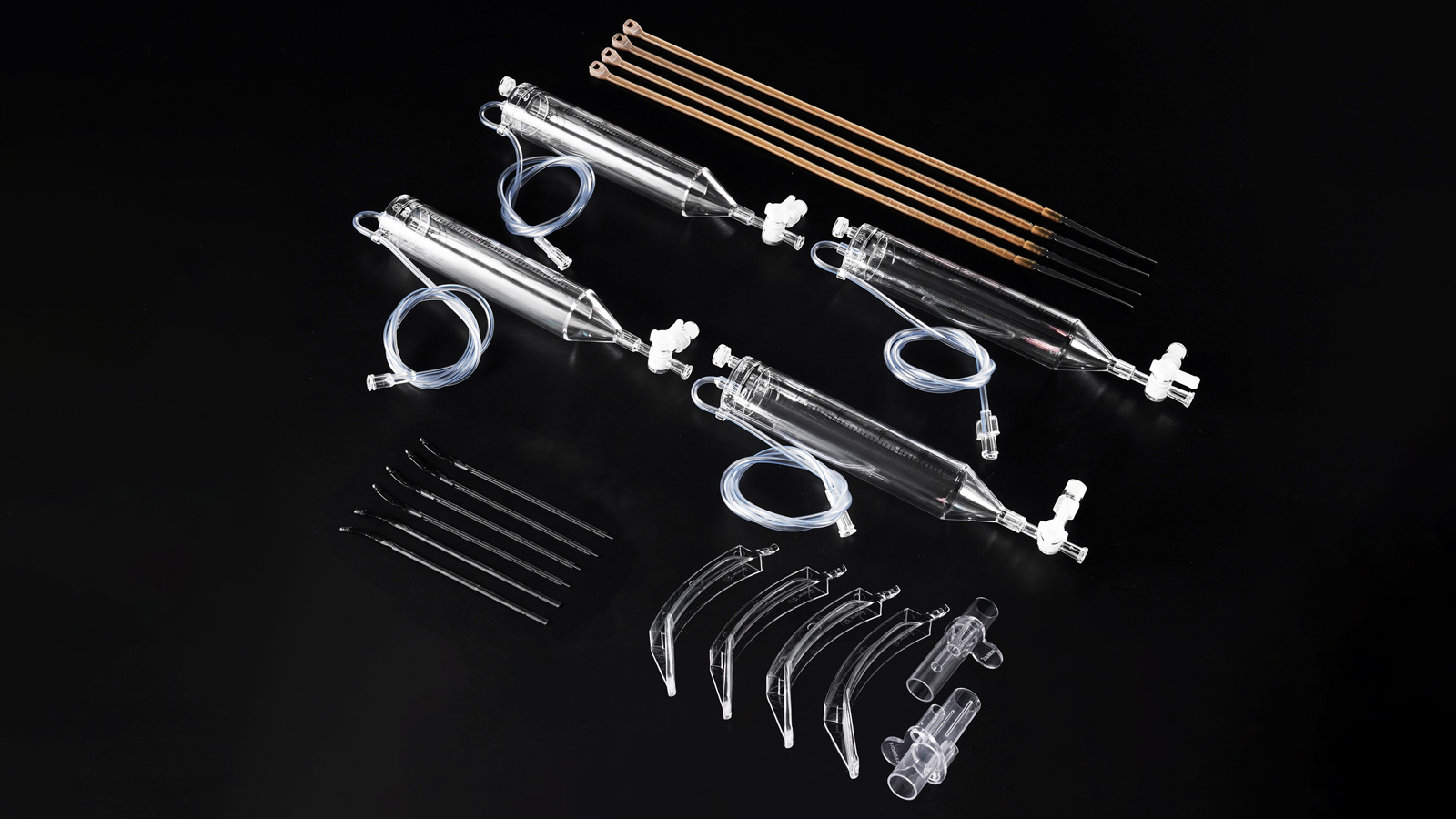
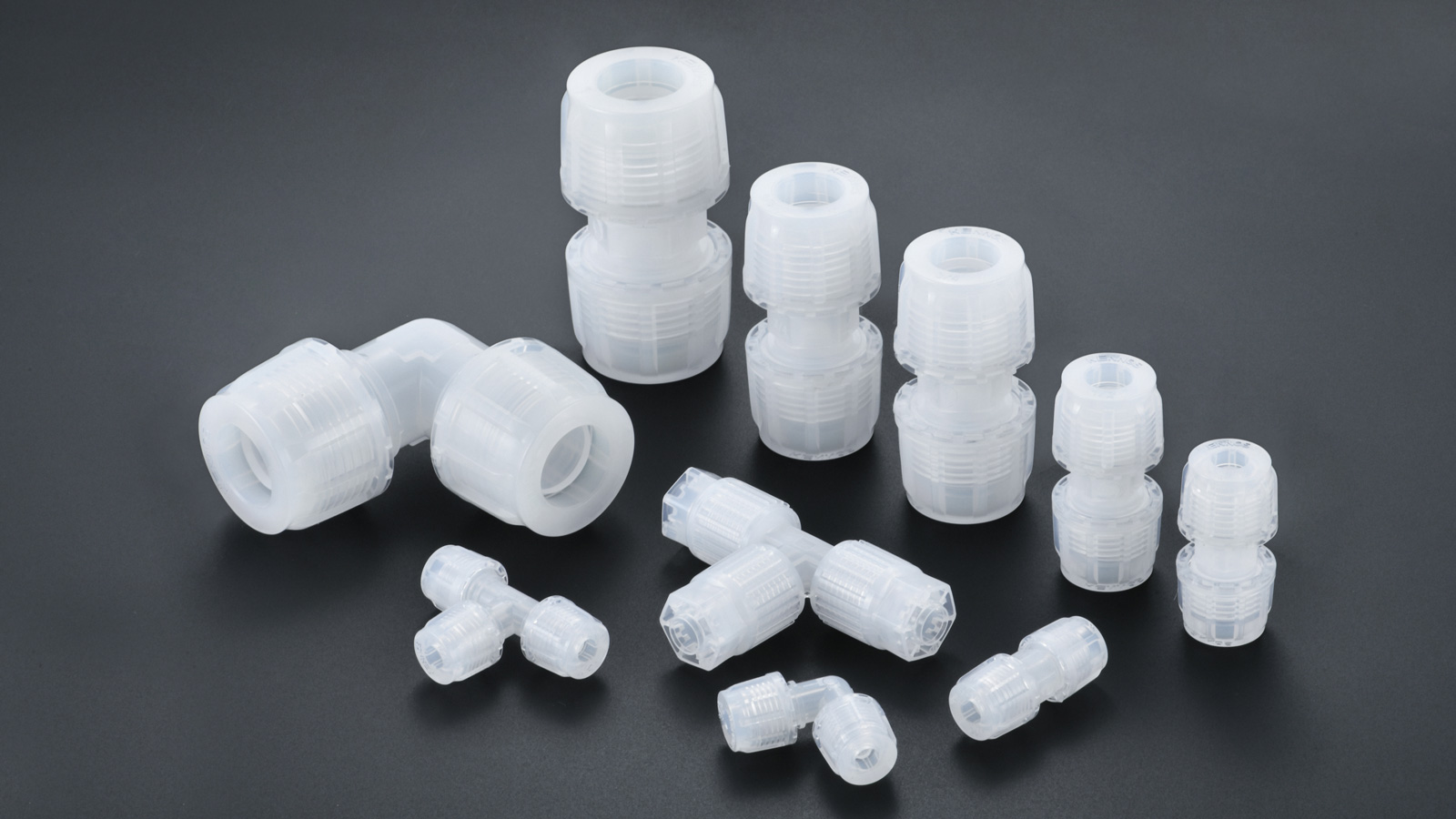
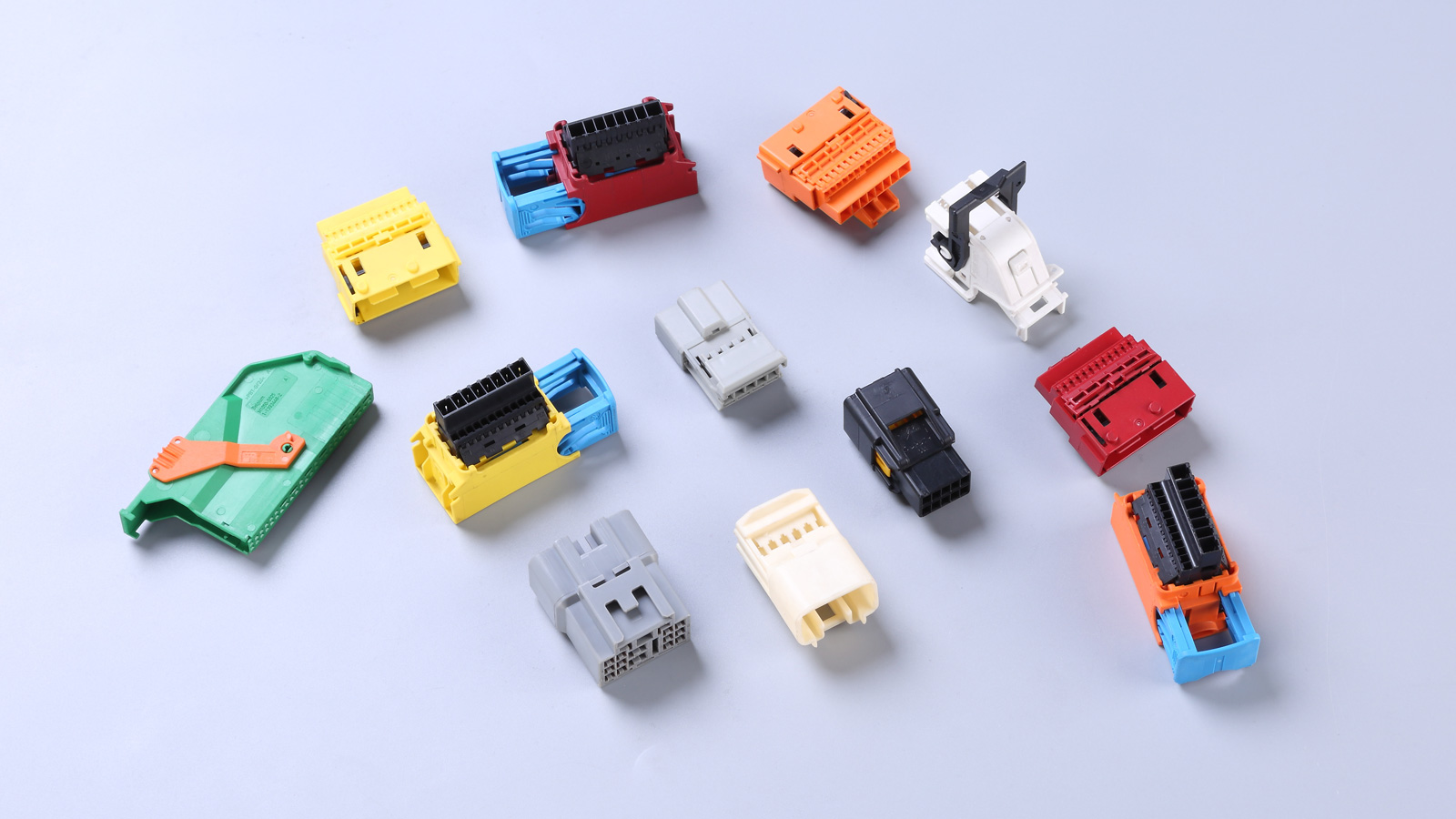
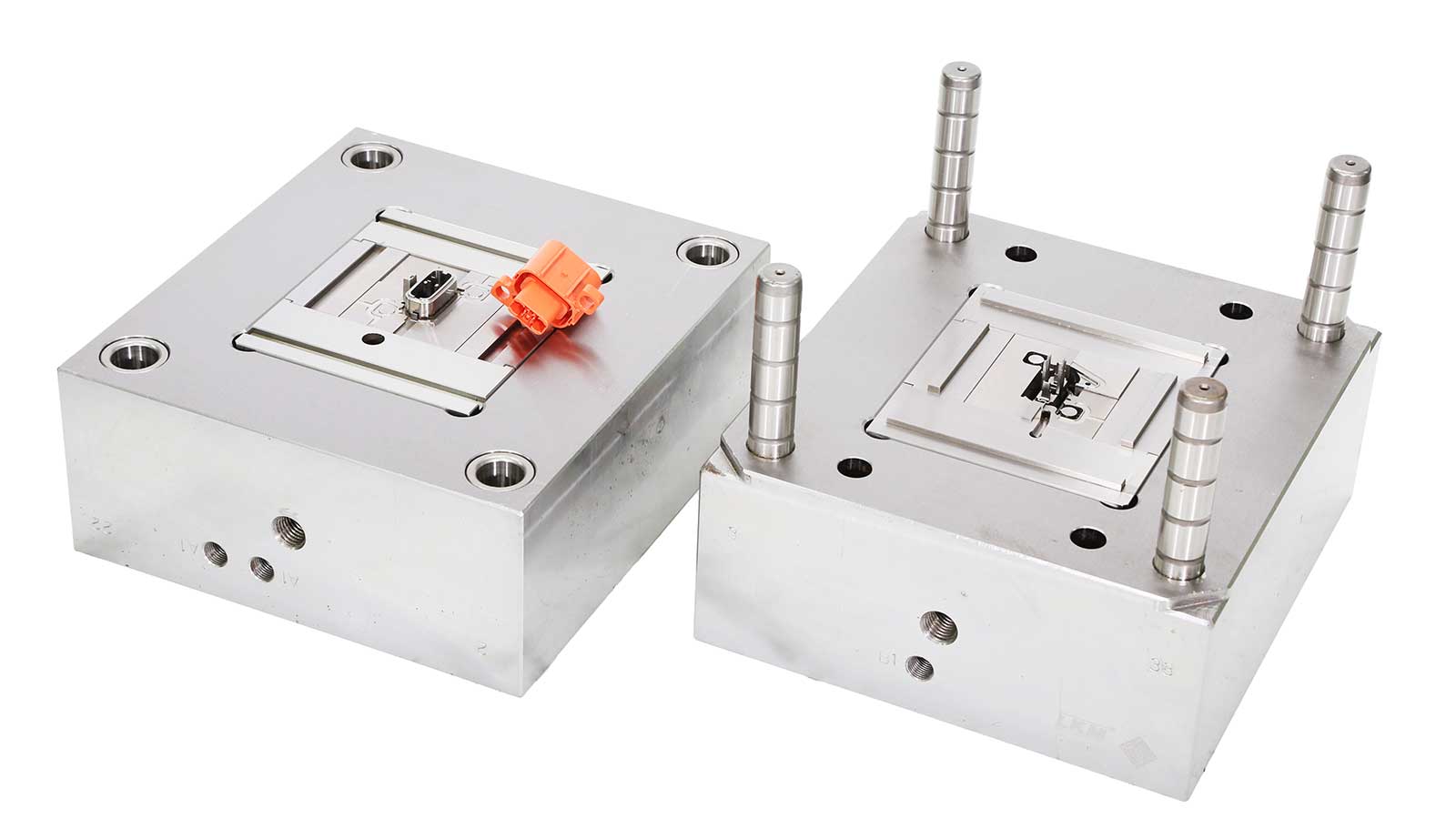



In the medical device industry, even the smallest plastic component can have life-altering consequences. A precision-molded housing for a diagnostic device, a surgical instrument handle, or a single-use consumable part—each must meet uncompromising standards of safety, consistency, and regulatory compliance. This is where ISO13485 injection molding becomes not just a quality benchmark, but an absolute requirement for any manufacturer serious about serving the global medical market. For medical device companies, selecting the right ISO13485 injection molding supplier is among the most critical decisions in their supply chain strategy.
Understanding ISO13485: The Gold Standard for Medical Quality
ISO13485:2016 is an internationally recognized quality management system standard specifically designed for the medical device industry. Its full title—Medical devices — Quality management systems — Requirements for regulatory purposes—underscores its core purpose: to harmonize quality requirements across regulatory jurisdictions worldwide.
Unlike the general-purpose ISO 9001 standard, ISO13485 is built exclusively around the unique risks and regulatory demands of medical device manufacturing. It places far greater emphasis on risk management, documented procedures, traceability, and regulatory compliance. For injection molding operations serving the medical sector, achieving and maintaining ISO13485 certification means every aspect of production—from raw material intake to final shipment—operates under a controlled, auditable system designed to protect patient safety.
How ISO13485 Transforms Injection Molding Operations
An ISO13485 injection molding supplier operates under fundamentally different constraints than a general-purpose molder. These differences translate directly into higher product reliability and regulatory peace of mind for the customer.
Risk-Based Process Control
ISO13485 requires organizations to apply a risk-based approach to every quality management process. In injection molding, this means identifying potential failure modes—from material contamination to process drift—and implementing preventive controls before defects occur. For medical components, this proactive approach is essential: catching a dimensional variation during production is vastly preferable to discovering it after parts have reached the field.
Rigorous Process Validation (IQ/OQ/PQ)
Medical injection molding demands more than just initial sample approval. An ISO13485 injection molding supplier will perform Installation Qualification (IQ), Operational Qualification (OQ), and Performance Qualification (PQ) for each production process. These validation steps prove that the molding process can consistently produce parts within specification under real-world production conditions. The process parameters are then locked in, ensuring that every production run matches the validated baseline.
Complete Traceability and Documentation
ISO13485 mandates comprehensive record-keeping across the entire product lifecycle. Every batch of medical molded parts must be traceable back to its raw material lot, the specific machines and operators involved, and the inspection results at each production stage. In the event of a quality issue or regulatory inquiry, this traceability enables rapid root-cause analysis and targeted containment—protecting both patients and the manufacturer’s brand.
Cleanroom Manufacturing Capability
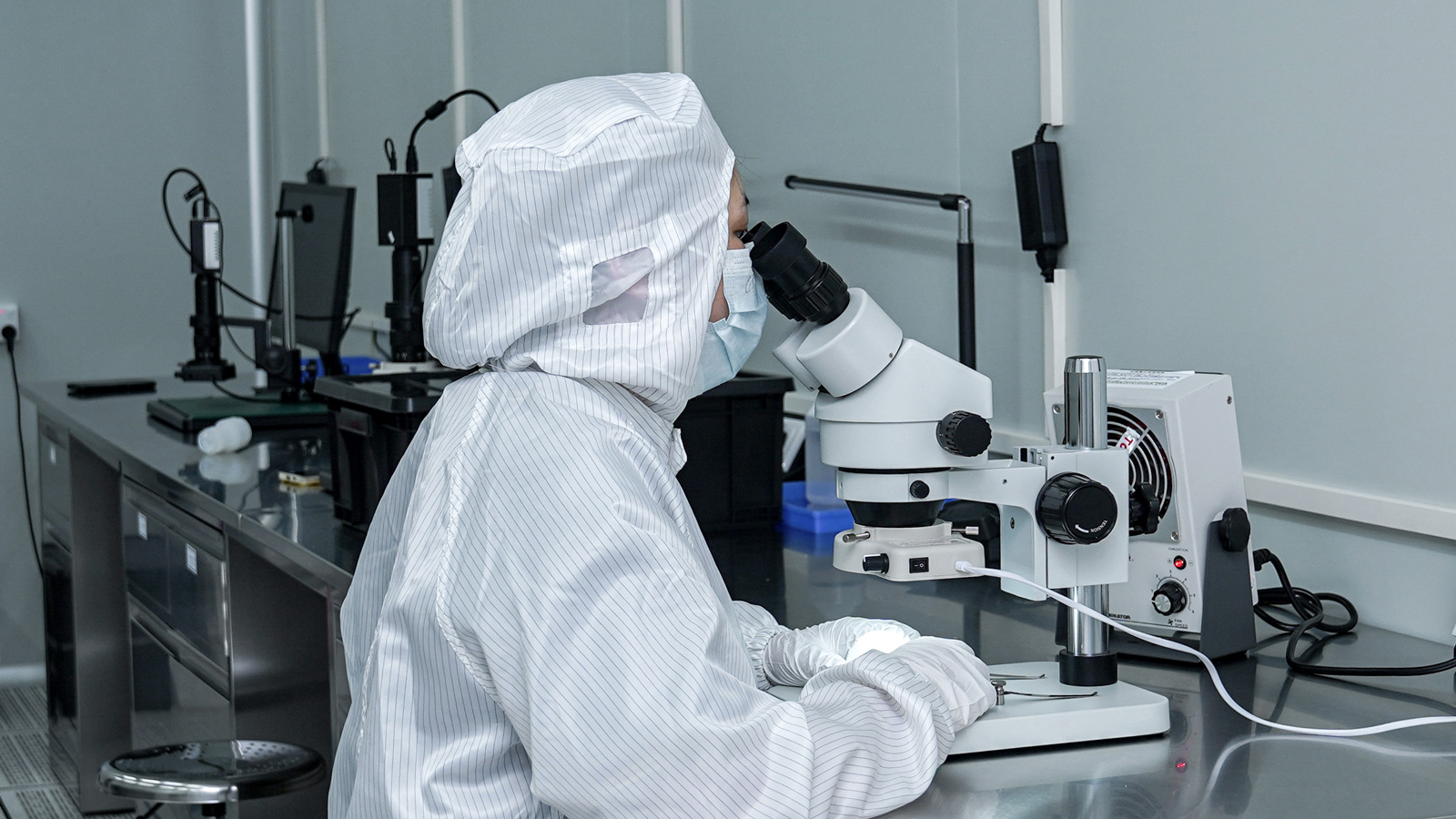
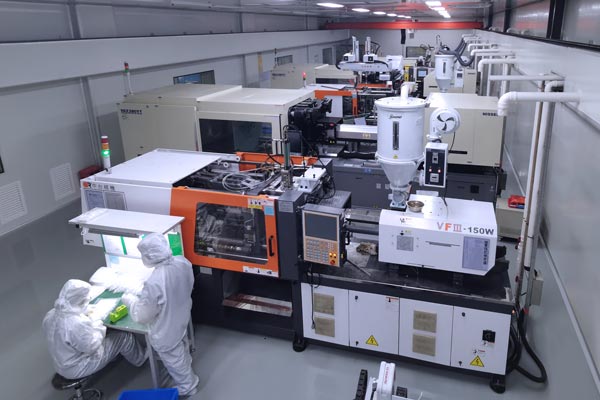
Many medical components require production in controlled environments to minimize particulate and microbial contamination. A qualified ISO13485 injection molding supplier will maintain cleanroom facilities—typically Class 1000 to Class 10000—with regular environmental monitoring, gowning procedures, and material transfer protocols. Cleanroom molding is especially critical for components that will undergo sterilization or come into direct contact with patients.
Strict Supplier and Material Management
ISO13485 extends quality expectations down the supply chain. Medical-grade resins such as PPSU, PC, POM, and medical TPU must be sourced from approved suppliers with documented quality systems. Material certificates, biocompatibility data, and change notification protocols are non-negotiable. An ISO13485 injection molding supplier will maintain approved vendor lists, conduct incoming material inspections, and have formal procedures for managing supplier changes—ensuring that the material going into your parts is always the material you specified.
Why Partnering with an ISO13485 Injection Molding Supplier Is Essential
Regulatory Market Access
ISO13485 certification is widely recognized by global regulatory bodies including the EU (under MDR), China (NMPA), and is increasingly referenced by the US FDA. For medical device companies seeking international market entry, working with a certified ISO13485 injection molding supplier streamlines the regulatory submission process and reduces the risk of audit findings. In many markets, it is effectively a prerequisite for doing business.
Patient Safety and Risk Mitigation
At its core, ISO13485 exists to protect patients. The standard’s risk-based approach, combined with strict process controls and comprehensive traceability, dramatically reduces the likelihood of defective components reaching the market. For medical device manufacturers, this means fewer field failures, lower recall risk, and protection against product liability exposure.
Accelerated Time-to-Market
A competent ISO13485 injection molding supplier brings established quality systems and validation expertise to the project from day one. Rather than building quality infrastructure alongside your product development, you leverage a system that is already in place and proven. This can significantly shorten the path from prototype to validated production, helping medical devices reach patients faster.
Long-Term Cost Efficiency
While ISO13485-certified manufacturing may carry a modest cost premium compared to uncertified alternatives, the total cost of quality tells a different story. Preventing defects avoids scrap, rework, and the far greater expense of field failures or regulatory penalties. Investing in a qualified ISO13485 injection molding supplier from the outset prevents costly re-qualification and supplier changes later in the product lifecycle.
Brand Reputation and Stakeholder Confidence
Quality is the foundation of trust in medical devices. Working with an ISO13485-certified supplier signals to regulators, clinicians, and patients that your company takes quality seriously. It strengthens your brand position and provides a competitive advantage in a market where reliability is everything.
Key Criteria for Evaluating an ISO13485 Injection Molding Supplier
Not all certified suppliers are created equal. When evaluating potential partners, consider the following:
- Valid certification with appropriate scope: Verify that the supplier’s ISO13485 certificate is current and specifically covers injection molding for medical devices.
- Medical industry experience: Look for a track record of producing components for medical applications, with referenceable customers and case studies.
- Cleanroom facilities: Confirm that cleanroom molding is available if your application requires it, with appropriate class ratings and monitoring.
- Validation capabilities: Ensure the supplier can provide IQ/OQ/PQ validation support and understands your regulatory documentation needs.
- Precision capabilities: Medical components often demand tight tolerances. Evaluate the supplier’s machining and inspection equipment, including CMM capability.
- Material expertise: Medical-grade resins have specific processing requirements. A knowledgeable supplier can provide guidance on material selection and processing optimization.
Why Choose Yize Mould?
Dongguan Yize Mould Co., Ltd stands as a trusted ISO13485 injection molding supplier with deep expertise in precision medical component manufacturing. Here is what sets Yize Mould apart:
Certified Quality Management System
Yize Mould holds ISO 13485:2016 certification alongside ISO 9001:2015, ISO 14001:2015, and IATF 16949:2016, demonstrating a comprehensive commitment to quality across multiple regulated industries. Our quality system is not just a certificate—it is embedded in every production process, from mold design through final inspection.
Precision Engineering at Micron Levels
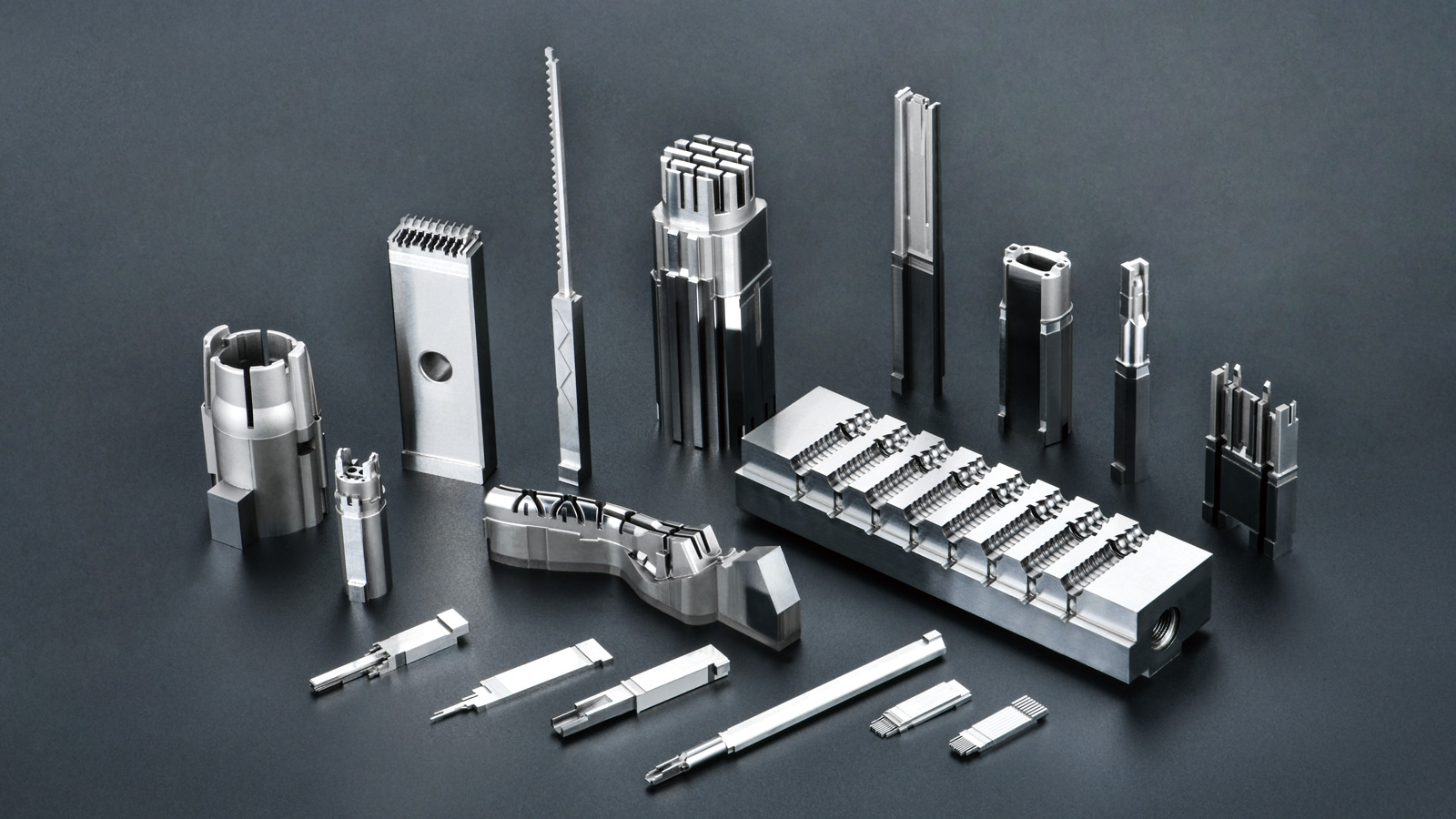
With mold manufacturing tolerances as tight as ±0.001mm and injection-molded part precision down to ±0.002mm, Yize Mould delivers the accuracy that medical devices demand. Our in-house Zeiss CMM with 0.001mm measurement precision ensures 100% dimensional verification of critical features.
Cleanroom Injection Molding
Yize Mould operates Class 1000 and Class 10000 cleanroom injection molding facilities, enabling the production of medical components under controlled environmental conditions. Our cleanroom operations follow strict protocols for personnel gowning, material handling, and environmental monitoring to minimize contamination risk.
End-to-End Medical Molding Solutions
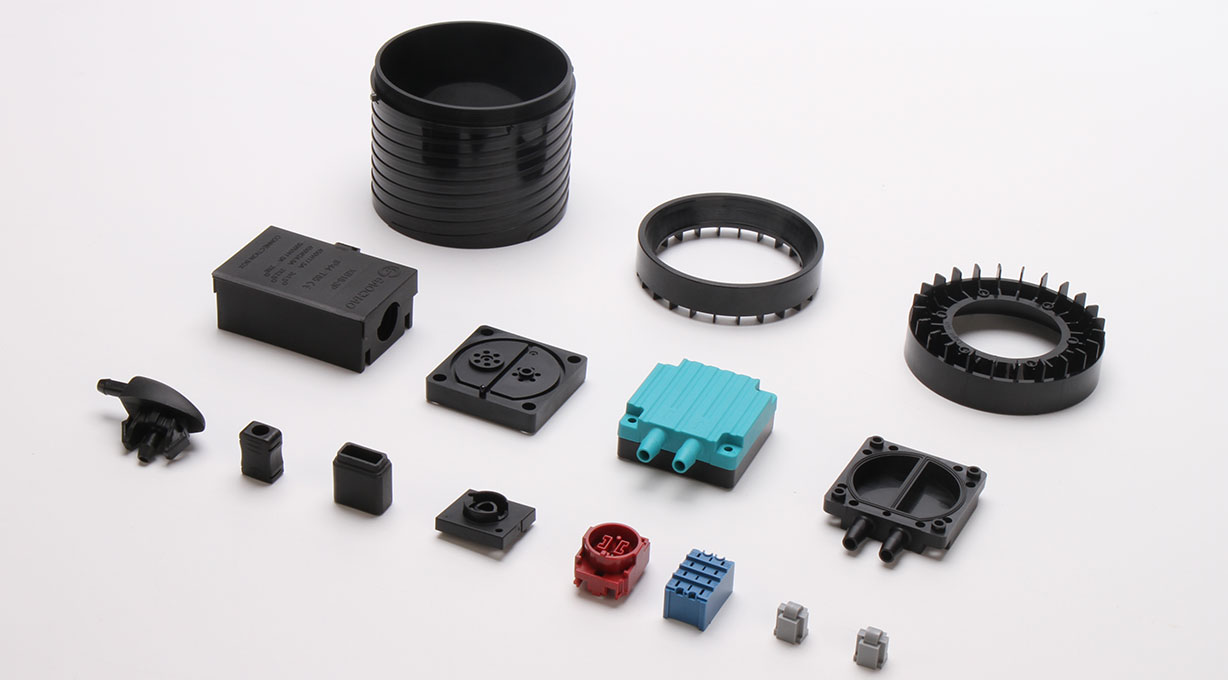
From mold design and prototyping through full-scale production, Yize Mould provides a single-source solution for medical device manufacturers. Our capabilities span precision mold fabrication, medical LSR molding, special resin processing (including PPSU, PEEK, and medical-grade PC), and cleanroom assembly support—all managed under our ISO13485 quality system.
Comprehensive Traceability and Documentation
Every Yize Mould production batch is backed by complete traceability records, material certificates, and dimensional inspection reports. We understand the documentation requirements of medical device regulatory submissions and work closely with our customers to provide the quality records they need for successful product approval.
Decades of Medical Industry Experience
Founded in 2007, Yize Mould has built a reputation for excellence in precision mold manufacturing and injection molding for medical and other high-technology sectors. Our engineering team brings deep expertise in medical device component design for manufacturability, helping customers optimize part designs for both quality and cost-effectiveness.
FAQ
Q: What is the difference between ISO 9001 and ISO 13485 for injection molding?
A: While both are quality management system standards, ISO 13485 is specifically tailored to the medical device industry. It adds requirements for risk management, regulatory compliance, traceability, cleanroom controls, and process validation that go beyond what ISO 9001 requires. For medical components, ISO 13485 is the relevant standard.
Q: Does every medical plastic part need to be produced in a cleanroom?
A: Not all medical components require cleanroom production. The need depends on the device’s risk classification, whether the part comes into contact with the patient or sterile fields, and the sterilization method used. A qualified ISO13485 injection molding supplier can help assess whether cleanroom molding is necessary for your specific application.
Q: How long does it take to validate a medical injection molding process?
A: Process validation timelines vary depending on part complexity and regulatory requirements. Typically, IQ/OQ/PQ validation for a medical molding process takes several weeks following successful prototype approval. Working with an experienced ISO13485 injection molding supplier can help streamline this process by ensuring protocols are correctly designed from the start.
Q: Can Yize Mould help with material selection for medical devices?
A: Yes. Yize Mould has extensive experience processing medical-grade resins including PPSU, medical PC, POM, PEEK, and LSR. Our engineering team can provide guidance on material selection based on your application’s requirements for biocompatibility, sterilization compatibility, mechanical performance, and chemical resistance.
Q: What kind of quality documentation does Yize Mould provide?
A: Yize Mould provides comprehensive quality documentation tailored to medical device requirements, including material certificates, first article inspection reports, in-process inspection records, final dimensional reports with CMM data, process validation protocols and reports, and batch traceability records. We work closely with each customer to ensure documentation meets their specific regulatory submission needs.