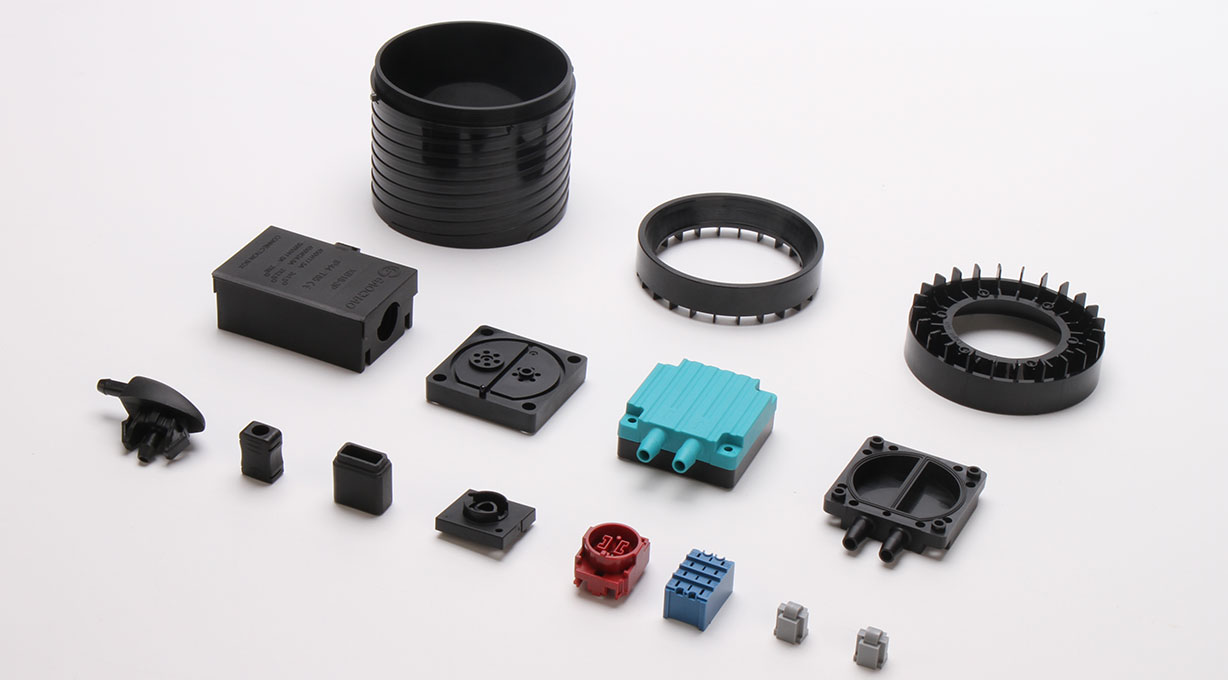



In the production process of plastic injection molds, whether the product surface requires painting treatment is a key question frequently raised by customers at the early stage of a project. From a professional perspective, this decision is not made unilaterally by the mold manufacturer, but requires comprehensive evaluation based on the customer’s final application scenario, appearance standards, and cost budget. Surface painting, as an important post-processing step in injection molding, offers far more value than simply “adding color.”
1. Enhancing Product Appearance Gloss to Meet High-End Aesthetic Requirements
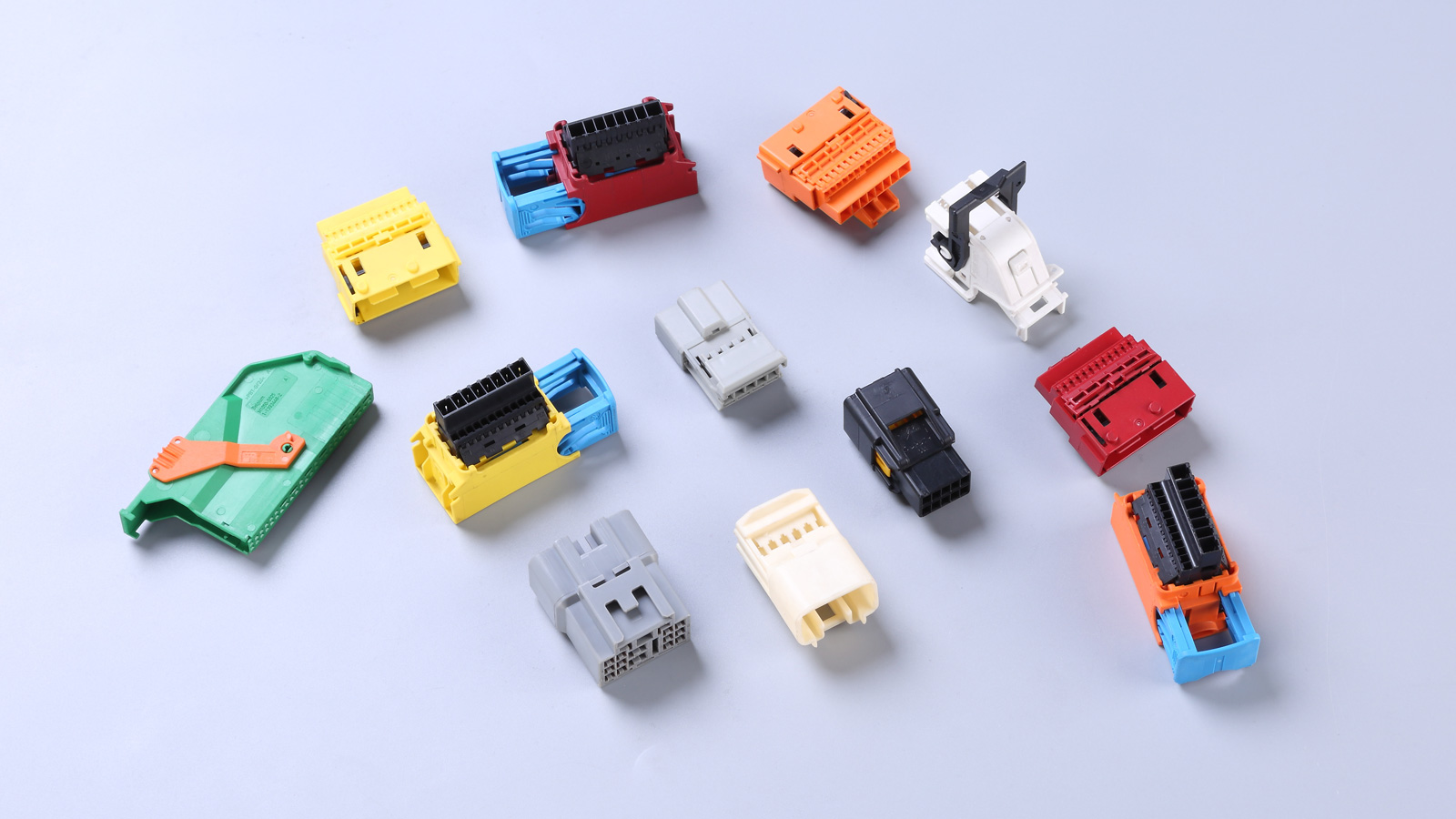
In their original demolded state, plastic injection molded products typically have limited surface gloss. This is especially true for products with textured surfaces, which appear even more matte. In application fields with high appearance demands such as automotive interior components, consumer electronics housings, and medical device panels, customers often require products to exhibit a bright, uniform, and premium surface finish.
By applying a professional coat of paint to the surface of injection molded products, the gloss level and visual texture can be significantly enhanced, enabling the product to meet or even exceed the customer’s expected appearance standards. This process has become an indispensable step before delivery for numerous high-end plastic injection molded products.
2. Effectively Concealing Surface Defects and Significantly Reducing Scrap Rates
In the injection molding production process, the high scrap rate of white and light-colored plastic products has long been a pain point in the industry. Surface defects such as flow marks, weld lines, slight color differences, and gas marks are particularly visible on light-colored substrates, directly resulting in persistently high defect rates.
The surface painting process can effectively cover the minor defects generated during injection molding, converting non-conforming products into qualified ones, thereby significantly reducing the overall scrap rate. From a cost accounting perspective, although the painting process adds a certain amount of processing cost, its comprehensive cost-effectiveness is often more favorable compared to the batch scrap losses caused by appearance defects.
3. Cost Considerations of Painting Process and Decision Recommendations
It cannot be denied that adding a painting process means an extended production cycle and increased labor and material costs. Therefore, whether to choose painting treatment is recommended to be weighed from the following dimensions: First, whether the product’s end-use application scenario has explicit appearance requirements; second, whether the injection molding yield rate is sufficient to meet delivery standards; third, where the balance point lies between the customer’s cost budget and quality expectations.
For plastic injection molded products with clear appearance requirements, surface painting is not merely “useful” but a key process measure to guarantee product quality and customer satisfaction.
Frequently Asked Questions (FAQ)
Q: Will surface painting on plastic injection molded products affect the dimensional accuracy of the product?
A: The thickness of the paint layer is typically controlled between 15 and 30 micrometers, which has a minimal impact on the overall dimensions of the product and generally does not exceed the tolerance range. However, for high-precision mating parts, it is recommended to confirm the dimensional allowance plan with the mold manufacturer before painting.
Q: Which plastic materials are more suitable for surface painting treatment?
A: Materials such as ABS, PC, PC/ABS alloy, and PA have good adhesion with paint and are the preferred substrates for painting processes. Non-polar materials such as PP and PE have poor adhesion and typically require flame treatment or primer application before painting.
Q: Will the painting process increase the product delivery cycle?
A: Yes. The painting process typically requires an additional 3 to 7 working days, depending on the paint type, number of colors, and curing requirements. It is recommended to communicate with the painting supplier in advance during project scheduling and incorporate this process into the overall delivery plan.
Q: Compared with electroplating and silk screen printing, what are the respective advantages and disadvantages of painting?
A: Painting offers lower cost, a wide range of color options, and is suitable for full-area coverage, but its scratch and wear resistance is generally moderate. Electroplating provides a more metallic appearance with stronger wear resistance, but at a higher cost and with stricter environmental requirements. Silk screen printing is suitable for localized markings but not for full coverage. The most appropriate post-processing method should be selected based on the product’s functional requirements and appearance positioning.