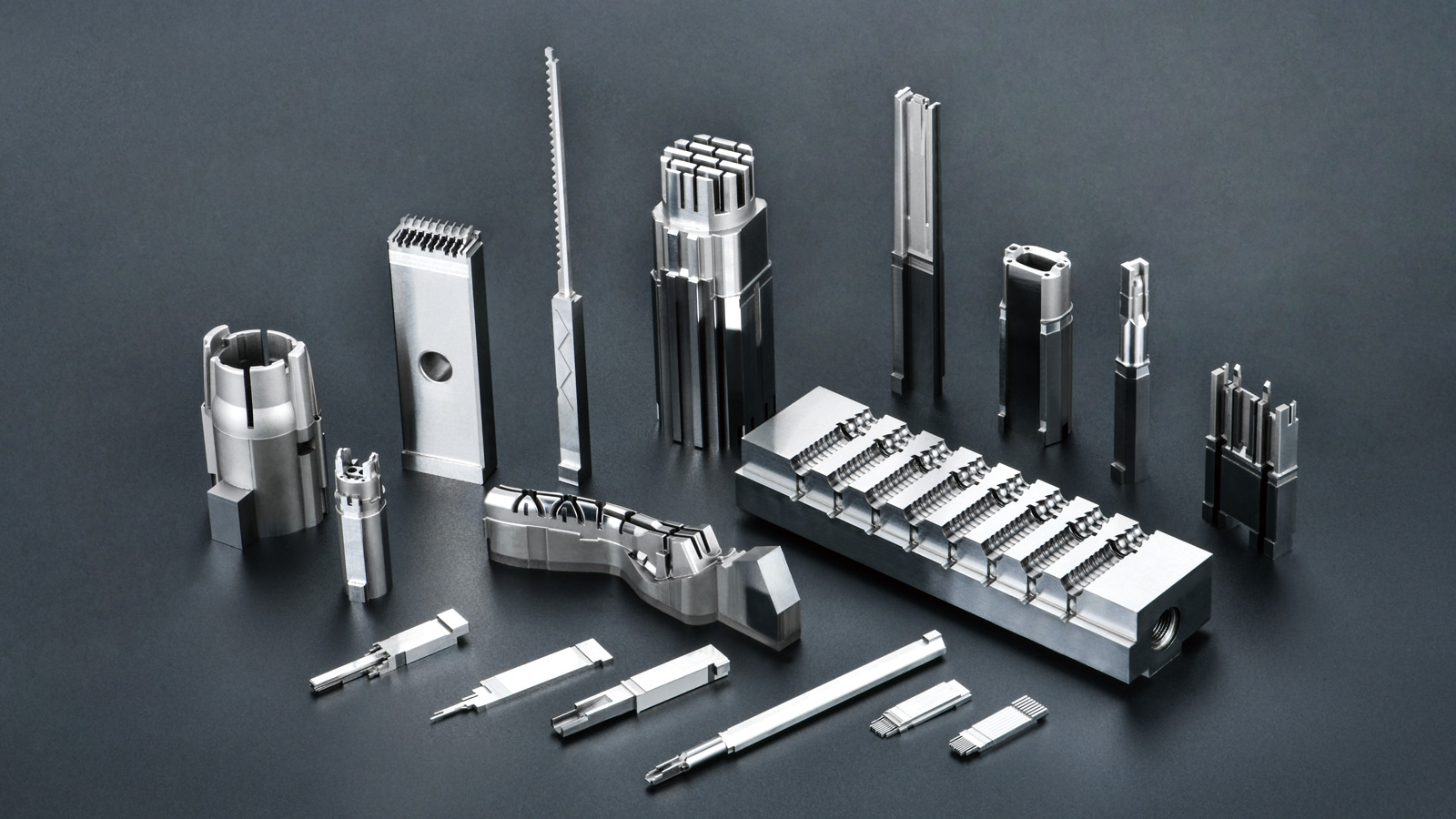
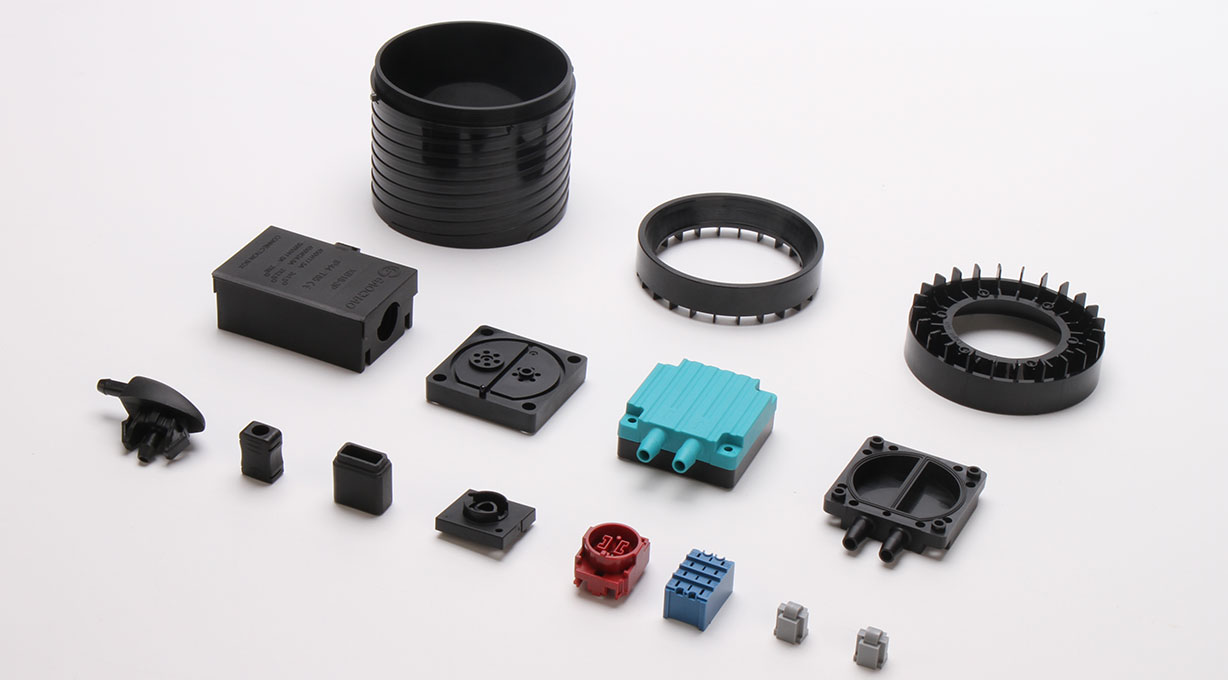
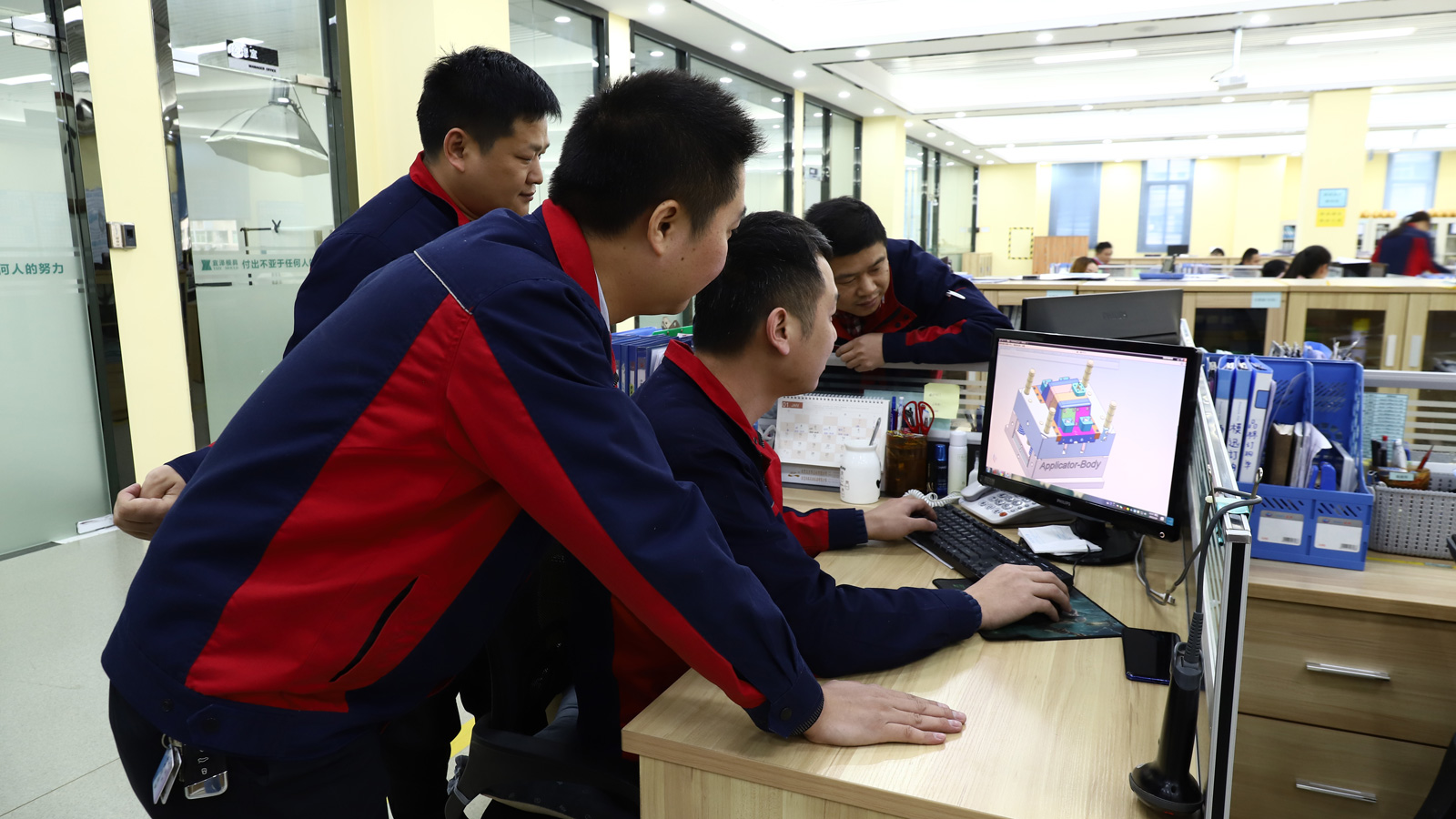



As a professional injection mold manufacturer, a thorough command of the process flow is the fundamental guarantee of quality delivery. The following outlines the complete machining and production process for high-precision plastic molds, from blank to finished product, serving as a reference for industry professionals.
Step 1: Bottom Edge Machining to Ensure Processing Allowance
The first round of machining is conducted using the bottom edge as the datum, strictly controlling the machining allowance on all surfaces. This step serves as the starting point of the entire machining chain. Improper allowance setting will directly affect subsequent precision.
Step 2: Blank Datum Alignment and Surface Allowance Verification
The datum of the blank workpiece is aligned, and 3D and 2D surface allowances are verified using coordinate measuring machines and two-dimensional inspection equipment. This ensures that the reserved allowances on all machining surfaces are uniform and reasonable, preventing scrap in subsequent processes caused by blank deviations.
Step 3: Workpiece Rough Machining
Based on the verification data from the preceding step, rough machining is performed on the workpiece to rapidly remove the bulk of the material allowance and preliminarily form the contour of each machining surface, preparing for semi-finish machining.
Step 4: Side Datum Surface Alignment Before Semi-Finish Machining
Before entering the semi-finish machining stage, the side datum surface is precisely realigned. This step is a critical link in guaranteeing the overall machining precision of the mold. Any datum surface deviation at this stage will result in systematic errors across all subsequent surface machining operations.
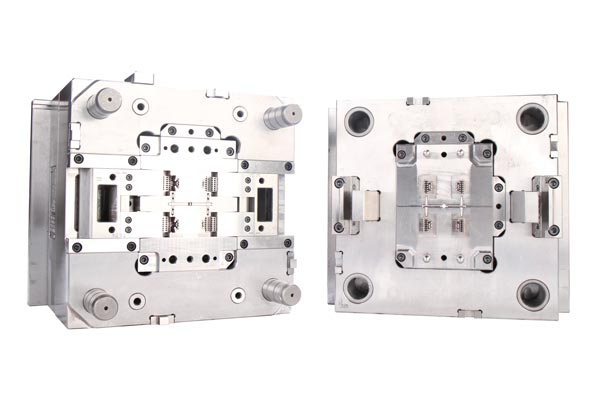
Step 5: Semi-Finish Machining — Systematic Processing of Surfaces, Mounting Faces, and Guide Surfaces
This step involves the largest workload and the highest technical requirements in the entire process. The specific content includes the following:
Semi-finish machining of 3D and 2D surfaces, while simultaneously finish machining various mounting working surfaces, including limit switch block mounting faces and surfaces, insert mounting faces and backing surfaces, punch mounting faces, waste cutting blade mounting faces and backing surfaces, spring mounting faces and surfaces, and various stroke-limiting working table surfaces.
At the same time, semi-finish machining of all guide surfaces and guide holes is completed, with allowances reserved for subsequent finish machining of process datum holes and height datum surfaces. All machining data must be recorded item by item and archived to achieve full-process traceability.
Step 6: Semi-Finish Machining Precision Inspection
A systematic inspection of all critical dimensions and geometric tolerances after semi-finish machining is conducted to confirm whether the precision requirements for entering the finish machining stage are met. Non-conforming items must be immediately reworked and corrected. No deviations are permitted to carry forward into the next process.
Step 7: Fitter Process
Experienced fitter technicians perform trimming, mold matching, grinding, and polishing on the mold prior to assembly, ensuring smooth cooperation of all moving components and adequate parting surface closure. The fitter process is a crucial transition that takes the mold from a “machined component” to a “functional finished product.”
Step 8: Process Datum Hole and Datum Surface Alignment Before Finish Machining
Before starting finish machining, a secondary alignment is performed using the process datum holes and datum surfaces as the core reference. Simultaneously, a final verification of insert allowances is conducted to ensure that the starting precision for finish machining is in optimal condition.
Step 9: Finish Machining — Ultimate Formation of Surfaces, Side Punches, Datums, and Guide Surfaces
Finish machining of the mold surfaces is performed, along with precision machining of side punch surfaces and hole pitches. The process datum holes and height datum surfaces are finish machined, and the guide surfaces and guide holes receive their final machining, bringing all mating surfaces to the highest precision grade required by the drawings.
Step 10: Finished Product Precision Final Inspection
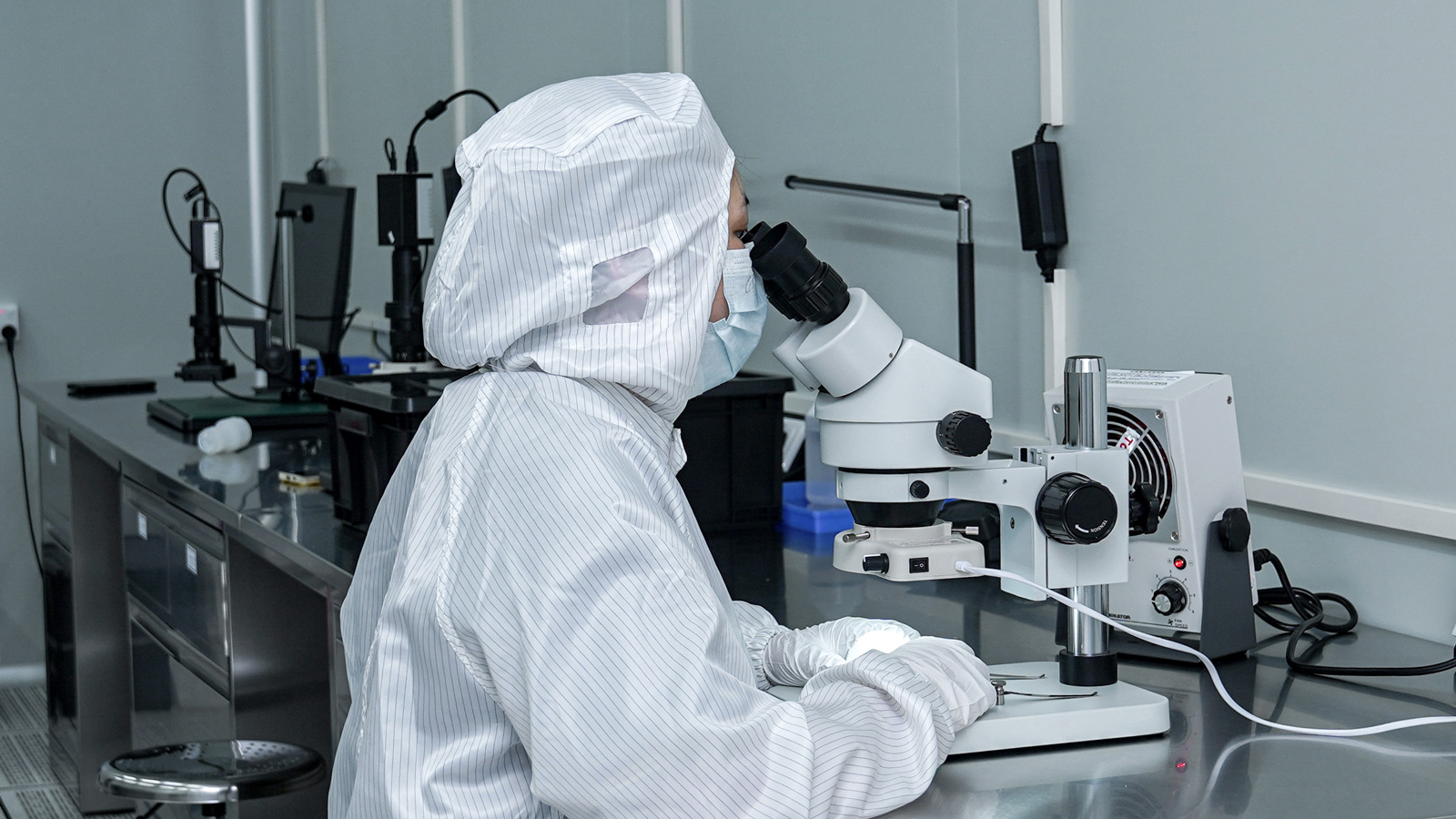
A comprehensive precision inspection of the finish-machined mold is conducted, covering dimensional accuracy, geometric tolerances, surface roughness, and assembly fit. The mold is released for delivery only after all indicators pass inspection.
The above ten steps are interlocked and progressive. Negligence at any single step can lead to precision loss in the final product. This is precisely the fundamental difference between high-precision plastic mold manufacturing and ordinary mold machining.
FAQ
Q: Why is datum alignment required before both semi-finish machining and finish machining in plastic mold processing?
A: After semi-finish machining removes a large amount of material, the datum surface of the workpiece may experience slight deviation due to cutting forces and clamping deformation. If finish machining proceeds without a secondary datum realignment, this deviation will be carried into the final product, causing the entire mold to lose precision control. Therefore, datum re-verification before each high-precision machining stage is a universal quality control practice in the industry.
Q: What role does the fitter process play in the plastic mold machining flow? Can it be omitted?
A: The fitter process undertakes critical tasks such as mold matching, grinding, polishing, and assembly debugging. It directly determines the mold closing precision, parting surface closure, and smooth cooperation of moving components. Especially for high-precision medical molds and optical molds, the fitter process cannot be omitted and requires technicians with extensive experience and a high skill level.
Q: What is the practical significance of data recording during the machining process?
A: The machining data recorded at each process step serves as the core basis for full-process quality traceability. If an anomaly is found in the finished product, the data allows problems to be traced back to the specific process step, significantly reducing troubleshooting time. Meanwhile, the accumulated process data is also a valuable asset for continuously optimizing machining parameters and improving yield rates.