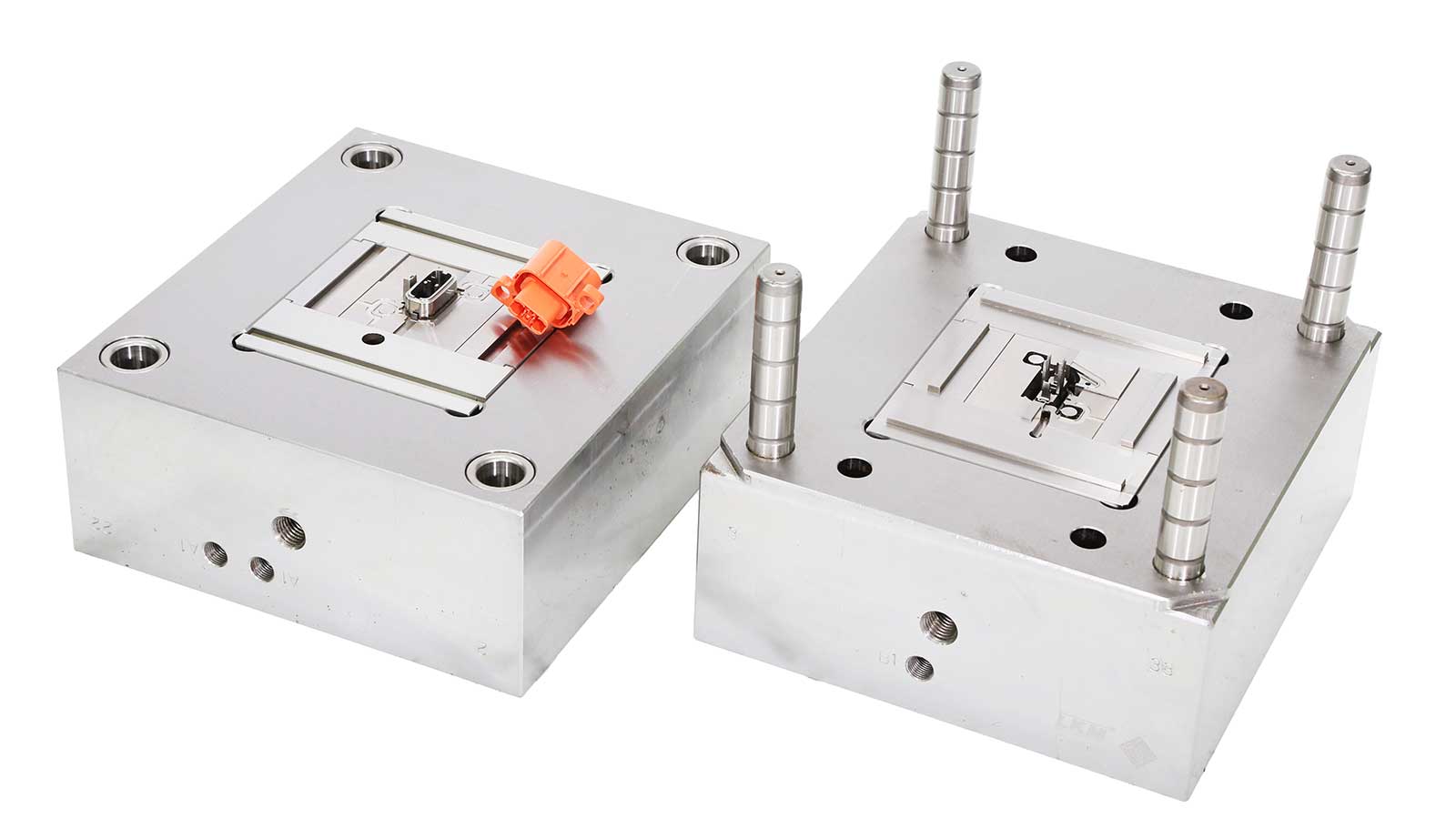



The design of automotive parts molds requires balancing multiple technical dimensions, with the cooling circulation system design being particularly complex. It must ensure cooling effectiveness and uniformity while accounting for the system’s impact on the overall mold structure, including precise positioning and sizing. The following core design requirements are outlined based on the professional analysis by Dongguan Yize Mold Co., Ltd.:
- Through the integrated analysis of mold processing technology and injection molding processes, ensure the service life of automotive parts molds reaches over 1 million cycles.
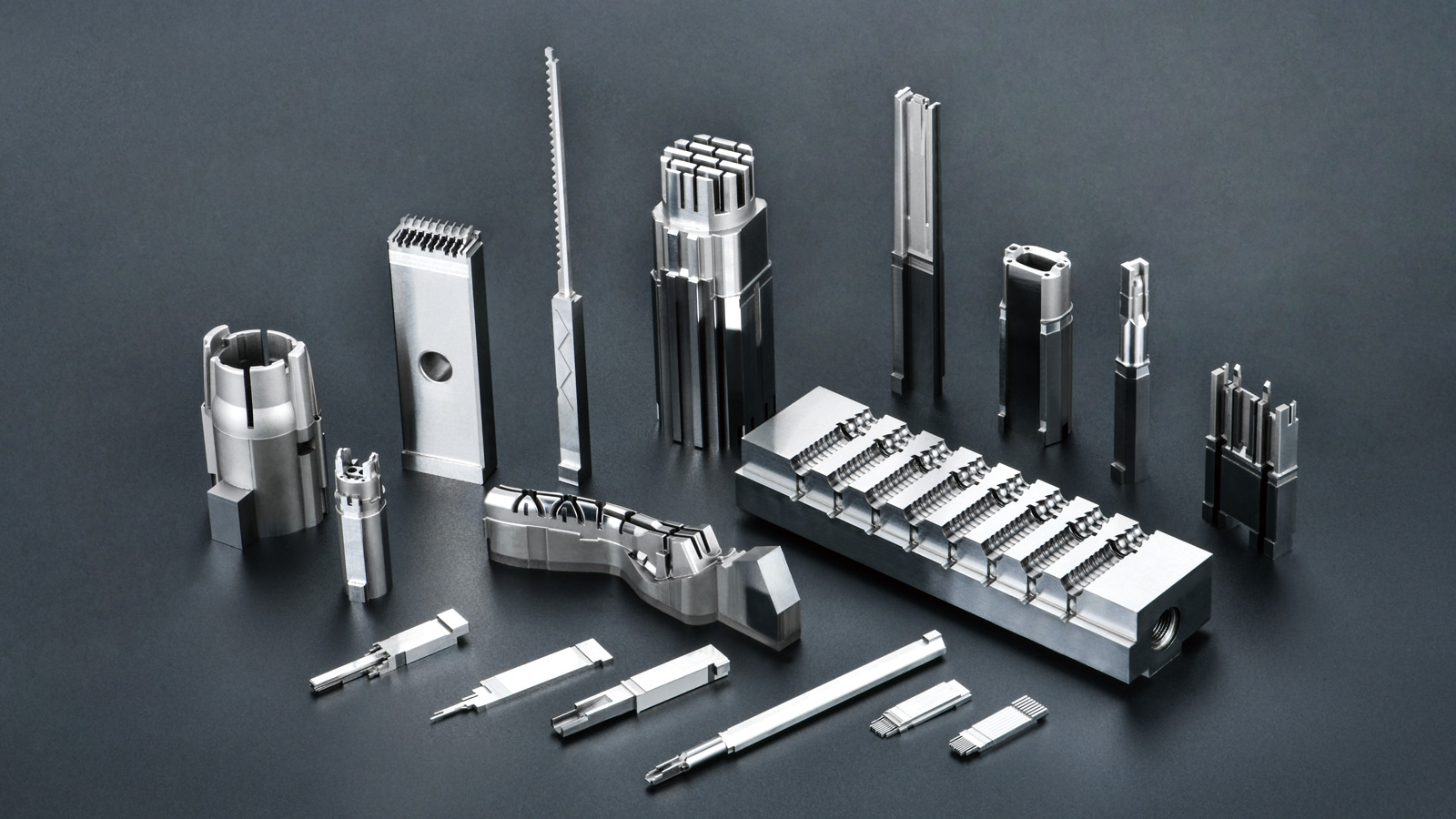
- Design a complete mold structure and all machined components, with clearly defined assembly requirements and injection molding process specifications.
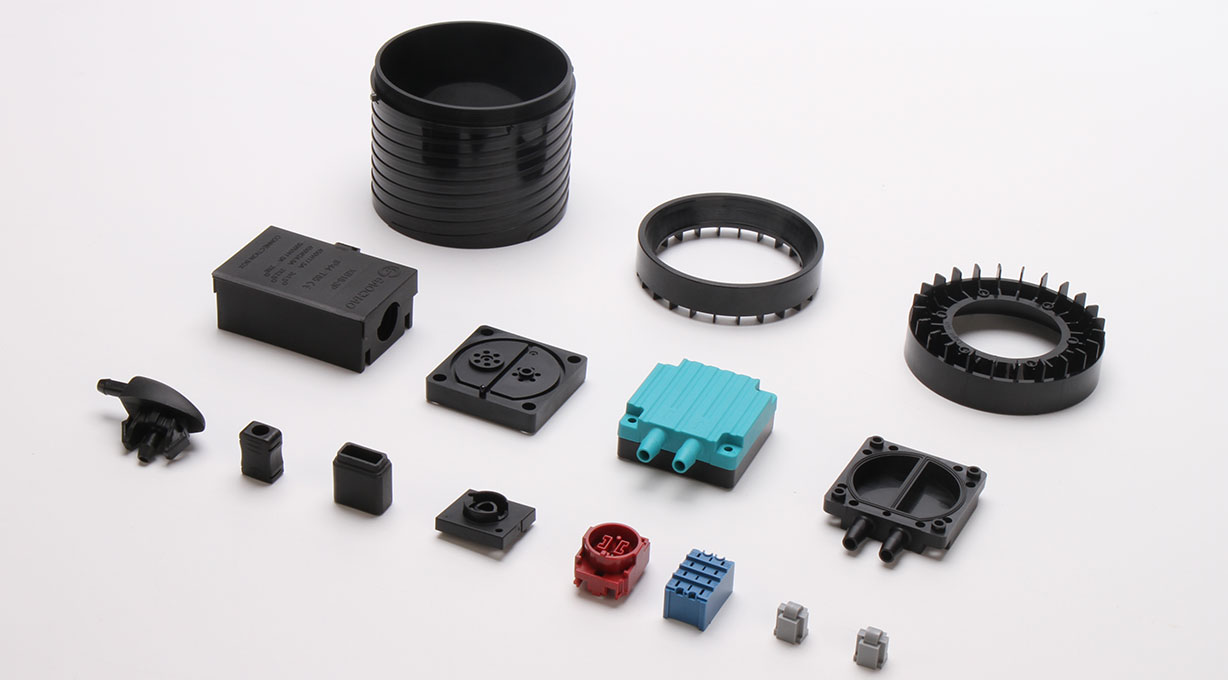
- Conduct systematic analysis and troubleshooting for plastic part surface quality defects or mold structural issues, such as improper parting line setup, gate placement, or inability to guarantee mold service life.
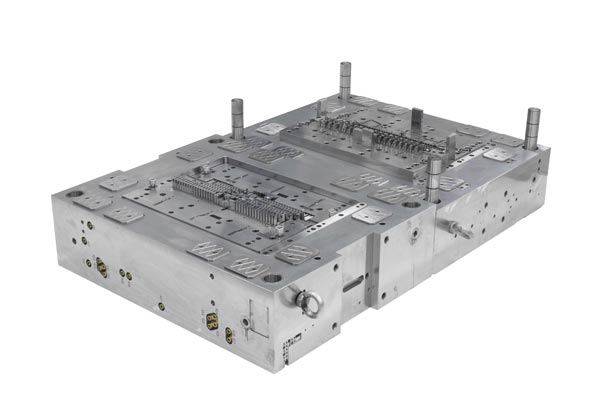
- Mold appearance must meet commercial standards, ensuring no rust, dents, chips, or other defects.
FAQ:
Q: What is the core challenge in designing the cooling system for automotive parts molds?
A: The core challenge lies in balancing cooling effectiveness and uniformity, while considering the cooling system’s impact on the overall mold structure and determining its exact placement and dimensions.
Q: How can the service life of automotive parts molds be guaranteed to exceed 1 million cycles?
A: This requires integrated analysis of mold processing and injection molding processes, with multi-dimensional assurance covering structural design, material selection, and other factors.
Q: Do appearance defects on automotive parts molds affect their performance?
A: Yes. Appearance defects such as rust or dents may compromise assembly precision and operational stability, so strict adherence to defect-free standards is required.