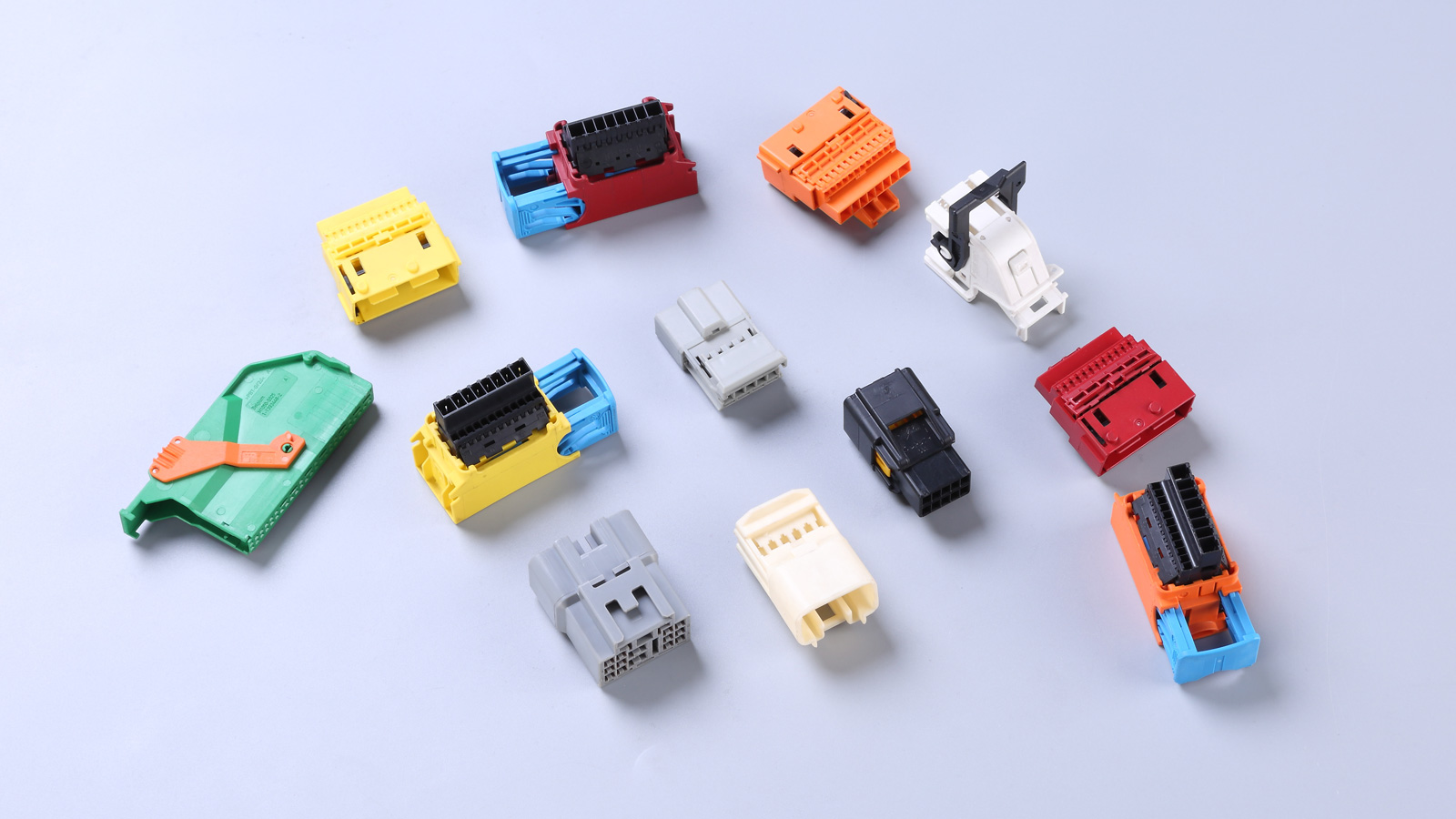
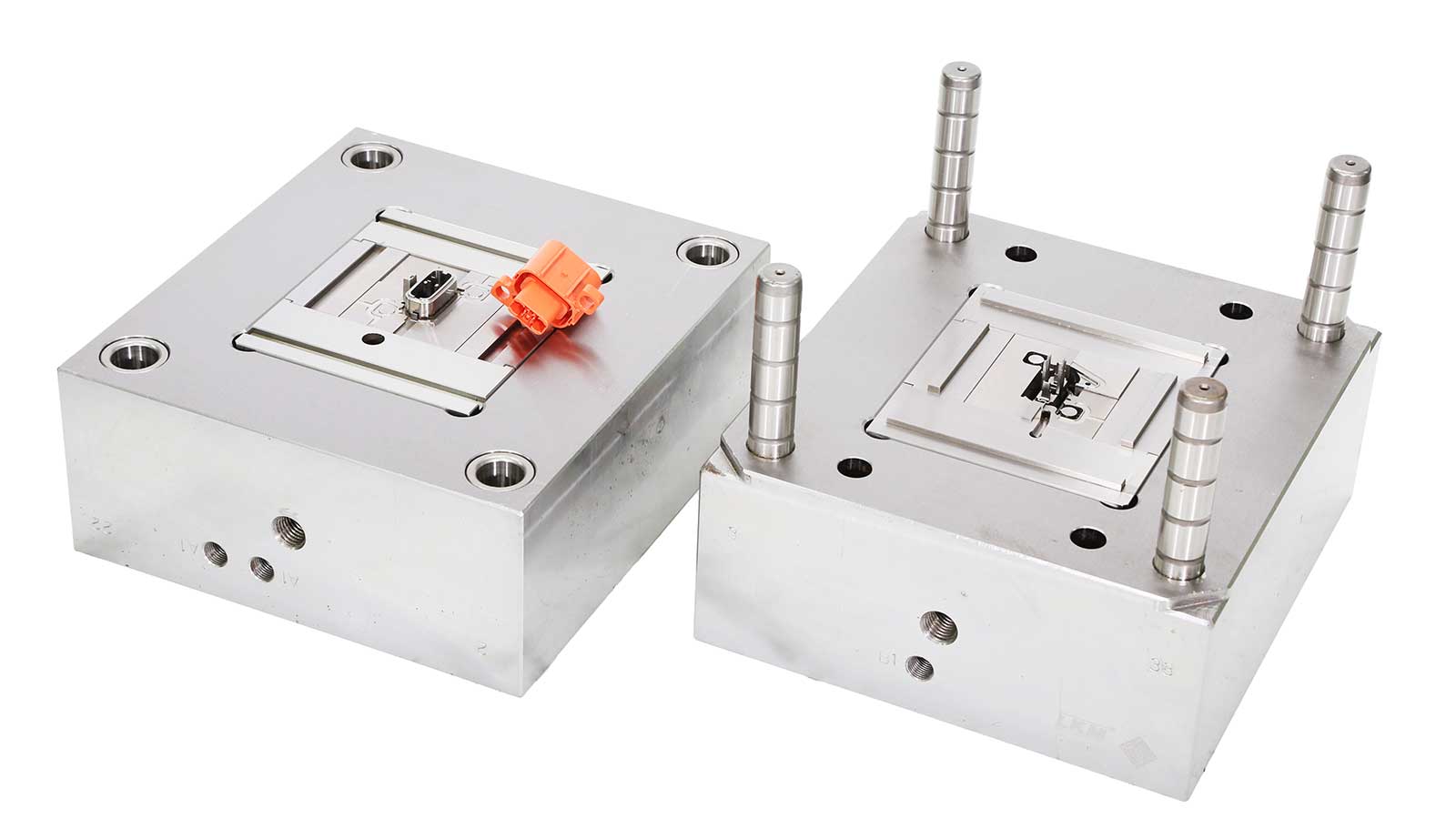




The cooling efficiency of connector molds directly determines the injection molding cycle time and product quality. Dongguan Yize Mold Co., Ltd. has been deeply engaged in the mold manufacturing industry for 20 years. Based on extensive practical experience, we have systematically identified five key factors affecting connector mold cooling performance for industry reference.
1. Mold Material and Cooling Method
The thermal conductivity of mold material is the primary variable affecting cooling speed. Whether it is the core material or the mold base material, the higher the thermal conductivity, the stronger the ability to transfer heat from the plastic product per unit of time, resulting in a shorter cooling cycle.
2. Product Structural Design
The wall thickness of the plastic product is the core design parameter determining cooling duration. The greater the wall thickness of a connector product, the longer it takes for internal heat to migrate to the surface, and the overall cooling cycle is extended accordingly.
3. Thermal Conductivity of Plastic Raw Materials
Different plastic raw materials exhibit significant differences in thermal conductivity. Materials with a higher thermal conductivity transfer heat from high-temperature zones to low-temperature zones more rapidly, which helps shorten the cooling time.
4. Cooling Water Channel Layout Design
The distance between cooling water channels and the mold cavity, the channel diameter, and the number of channels all have a direct impact on cooling effectiveness. The closer the channels are to the cavity, the larger the diameter, and the greater the number, the higher the heat exchange efficiency. Additionally, increasing the coolant flow rate enhances the capacity to carry away heat, thereby effectively shortening the cooling cycle.
5. Coolant Selection
The viscosity and thermal conductivity of the selected coolant are also factors that cannot be overlooked. The lower the viscosity, the higher the thermal conductivity, and the lower the temperature of the coolant, the better the heat exchange performance and the more significant the cooling effect.
The above five factors are interrelated and work synergistically. In actual mold design and production, they must be considered comprehensively to achieve optimal cooling efficiency.
Frequently Asked Questions
Q: What impact does an excessively long cooling time have on connector product quality?
A: Insufficient cooling leads to uneven shrinkage, deformation, increased internal stress, and in severe cases, sink marks and warpage, directly affecting the dimensional accuracy and assembly performance of connectors.
Q: Is it true that more cooling water channels always mean better results?
A: Not necessarily. The channel layout must strike a balance between heat exchange efficiency and mold structural integrity. Overly dense channels may weaken the mechanical strength of the mold steel, so planning should be based on actual operating conditions.
Q: How can I quickly determine whether the current mold cooling solution is reasonable?
A: You can comprehensively evaluate by monitoring the proportion of the cooling phase in the molding cycle, the product demolding temperature, and the mold surface temperature distribution. If the cooling time exceeds 60% of the molding cycle, it is recommended to prioritize optimizing the water channel design and coolant parameters.