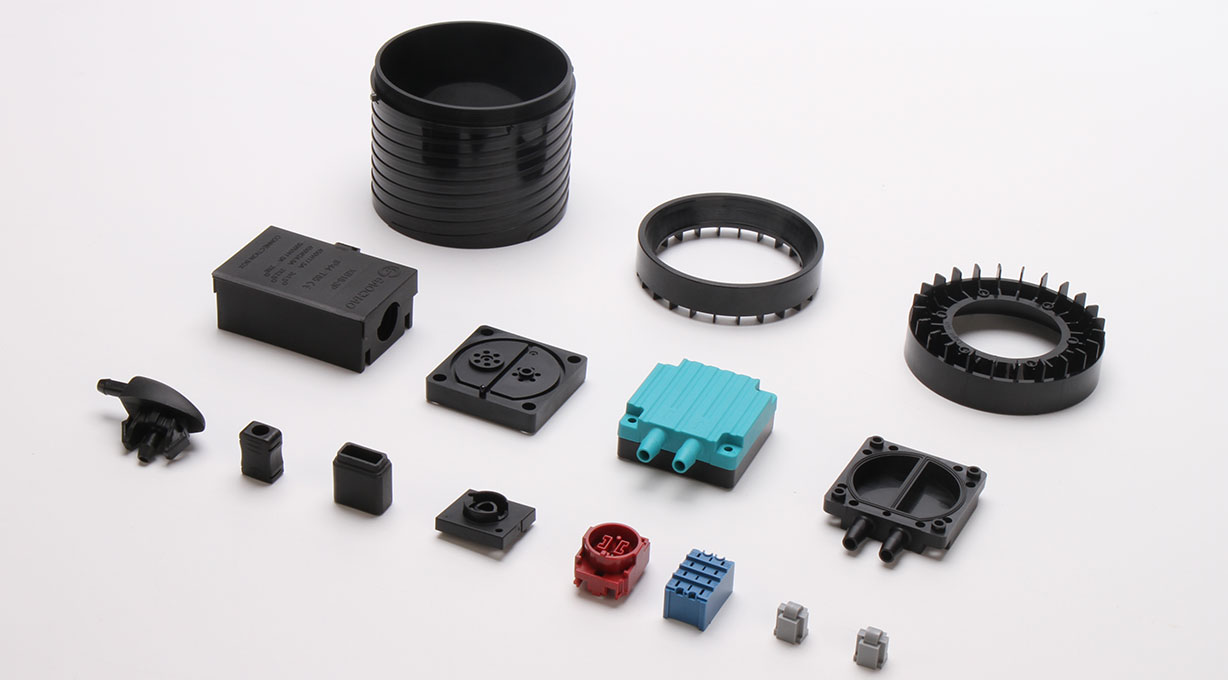

Under the driving forces of vehicle lightweighting and high-performance demands, engineering plastics have become core materials for structural, functional, and interior components in automotive manufacturing. Based on industry practices and material science consensus, the following six engineering plastics are widely employed in automotive plastic molds, with their performance characteristics and process adaptability directly influencing mold longevity and part consistency.
- Polypropylene (PP): Offers excellent chemical resistance and cost-effectiveness, widely used in bumpers, battery housings, and interior trim. Glass fiber reinforcement increases stiffness by over 40%, making it the preferred choice for economical structural parts.
- Acrylonitrile Butadiene Styrene (ABS): Delivers balanced mechanical properties, high impact strength, and ease of surface finishing, ideal for instrument panels, grilles, and control panels. PC/ABS alloys further enhance heat resistance and dimensional stability, meeting requirements for high-temperature zones.
- Polyamide (PA6/PA66): High strength, oil resistance, and wear resistance make it the dominant material for engine-peripheral components such as intake manifolds and oil pans. Glass fiber reinforcement raises the heat deflection temperature above 220°C, but strict drying (100–110°C, 12 hours) is essential to prevent hydrolysis-induced performance degradation.
- Polycarbonate (PC): Outstanding transparency and impact resistance suit it for headlight lenses, instrument cluster covers, and airbag housings. Its thermal stability is excellent, but it is prone to stress cracking—requiring stress-relief additives.
- Polyoxymethylene (POM): Low friction and high rigidity make it ideal for gears, clips, and fuel system components, achieving dimensional accuracy of ±0.1 mm, perfect for precision transmission parts.
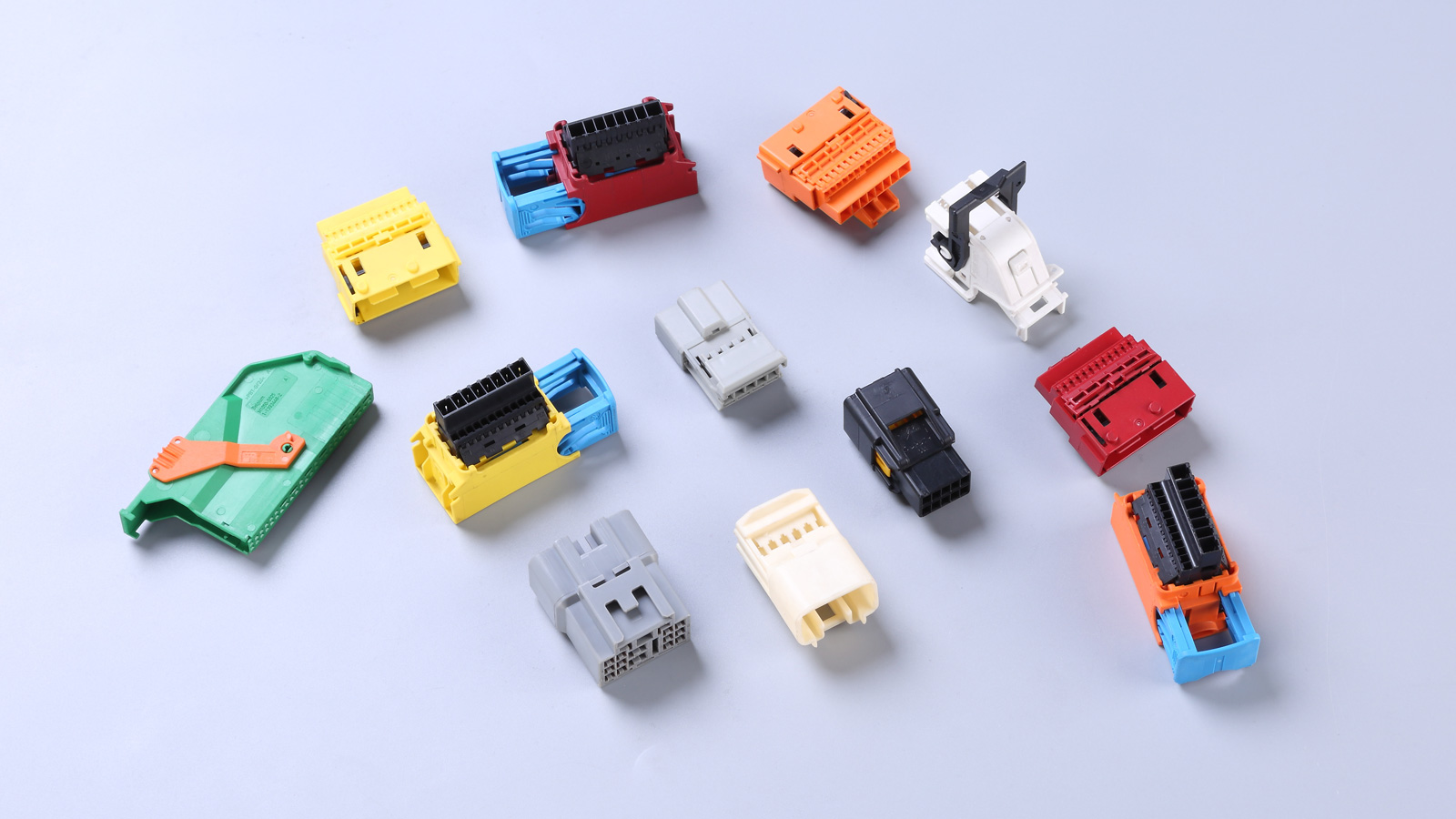
- Polybutylene Terephthalate (PBT): Superior moisture and heat resistance compared to PA, making it suitable for electrical connectors, sensor housings, and ignition system parts, maintaining stable electrical performance under 80°C and 90% RH conditions.
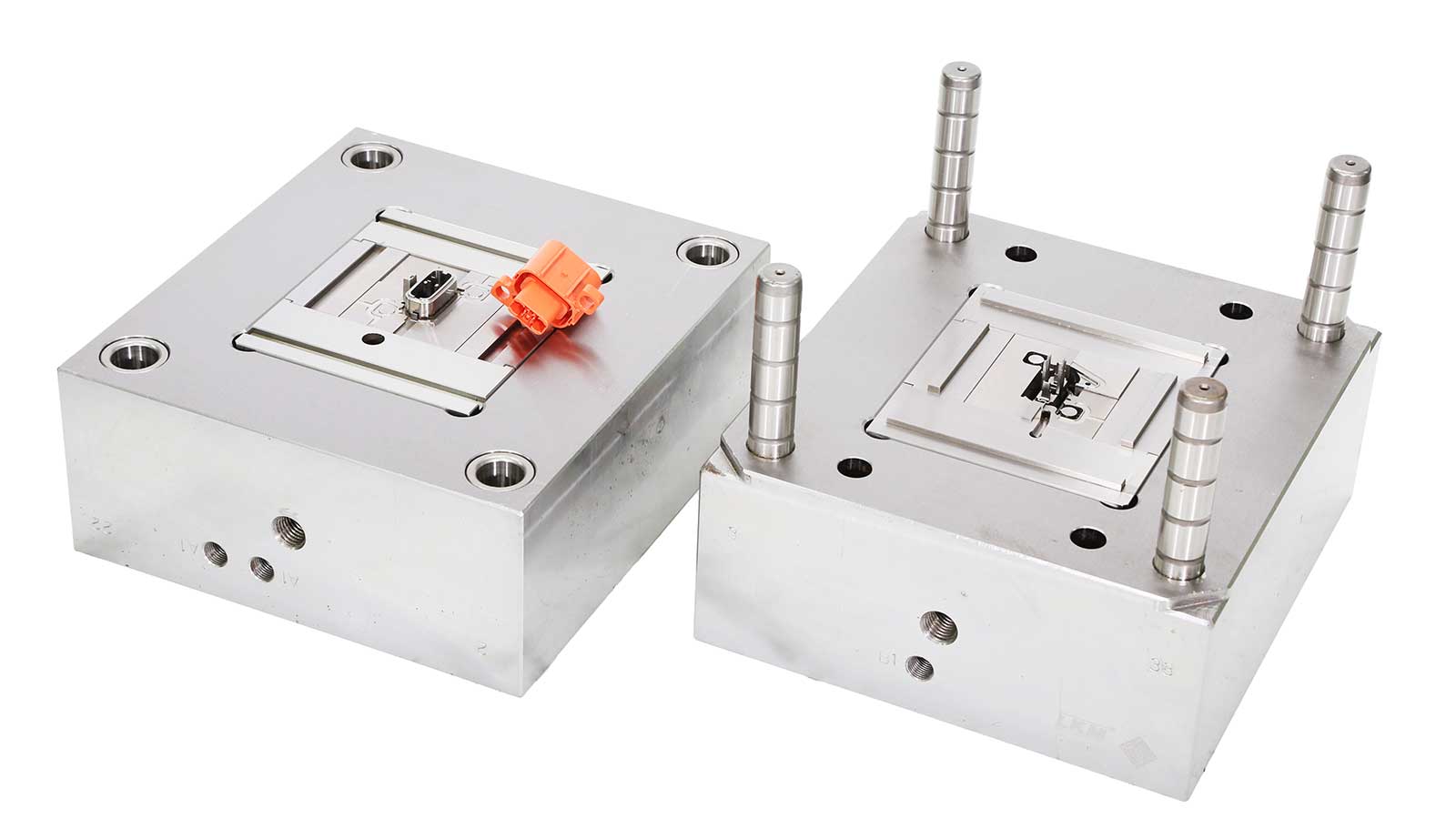
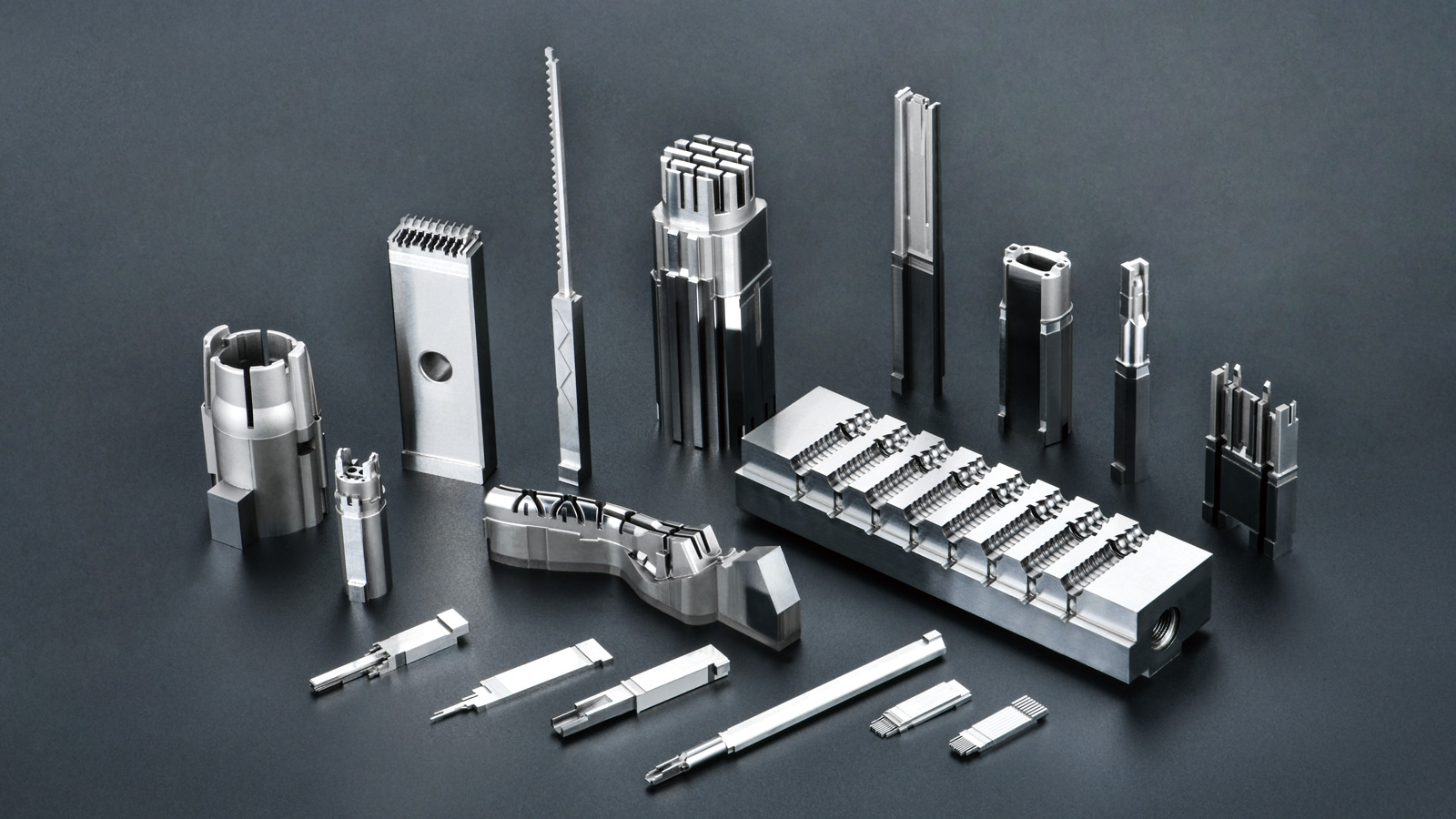
All these materials require mold surface hardening (e.g., nitriding, chrome plating) and corrosion-resistant design to mitigate wear and corrosion from glass fiber reinforcement. As the core hub of precision injection molding in South China, Dongguan Yize Mould commonly employs high-hardness mold steels (e.g., H13, S136) and implement temperature-controlled drying and multi-stage injection control to ensure consistent delivery of high-precision components.
Frequently Asked Questions (FAQ)
Q: How to select engineering plastics for automotive structural components?
A: Structural components require a balance of strength, stiffness, and heat resistance. Recommended choices include glass fiber reinforced PA66 or PC/ABS alloys, with tensile strength exceeding 100 MPa and heat deflection temperatures above 200°C, enabling weight reduction of over 30% compared to metal alternatives.
Q: Why must injection molding temperatures be increased by 10–30°C for reinforced plastics?
A: The addition of glass fibers significantly increases melt viscosity and reduces flowability. To ensure complete cavity filling, barrel temperatures must be raised to lower shear resistance, while mold temperatures should also be elevated to minimize internal stresses.
Q: How to reduce mold wear caused by glass fiber reinforced materials?
A: Use high-hardness, corrosion-resistant mold steels such as S136 or SKD11, and apply surface nitriding treatment (hardness ≥60 HRC). Maintain melt temperatures below 320°C and regularly clean vent channels to prevent corrosive gas buildup from additive volatilization.
Q: What impact does moisture absorption have on injection molding?
A: Materials like PA and PC absorb moisture, leading to hydrolysis during processing, which causes brittleness, silver streaks, or strength loss. Drying is mandatory prior to molding (e.g., PA66: 100–110°C, 8–12 hours), with moisture content controlled below 0.1%.
Q: What are Dongguan Yize Mould’s specific material selection requirements?
A: Due to the humid climate in South China, local manufacturers prefer low-moisture-absorption materials such as PBT or GTX979 PPE/PA, and emphasize robust drying systems and temperature-controlled workshops to ensure long-term dimensional stability and surface quality.