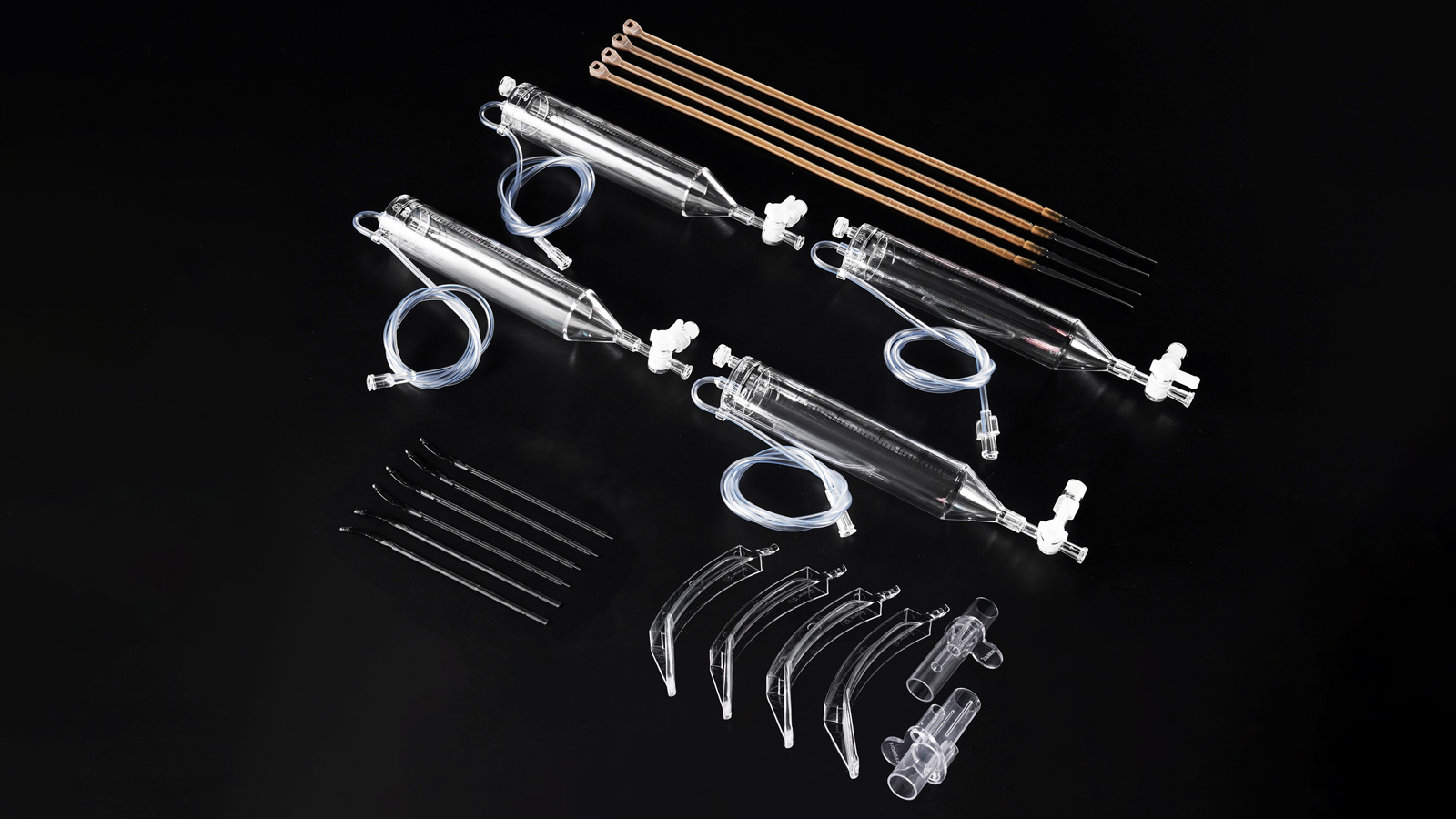
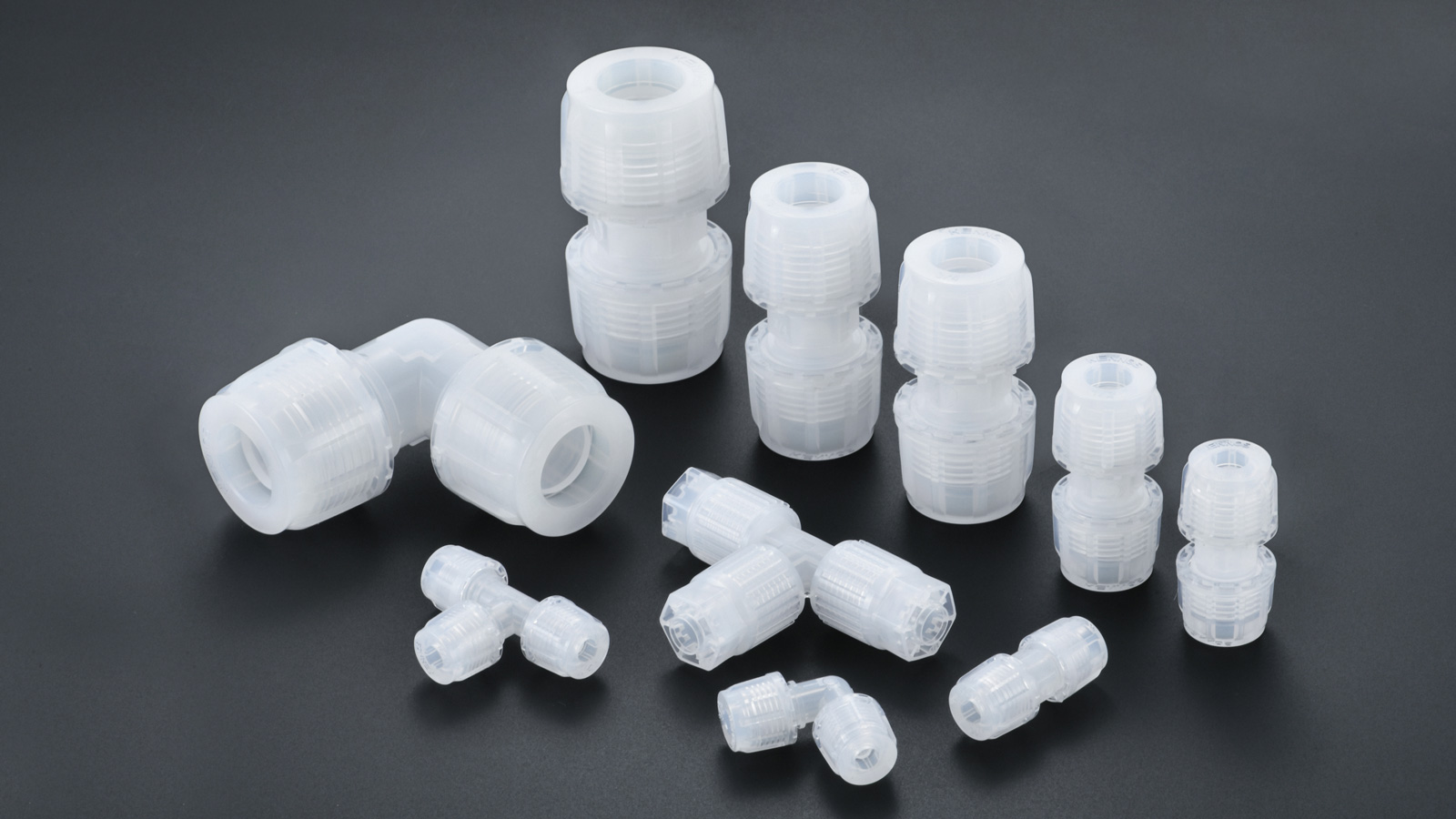
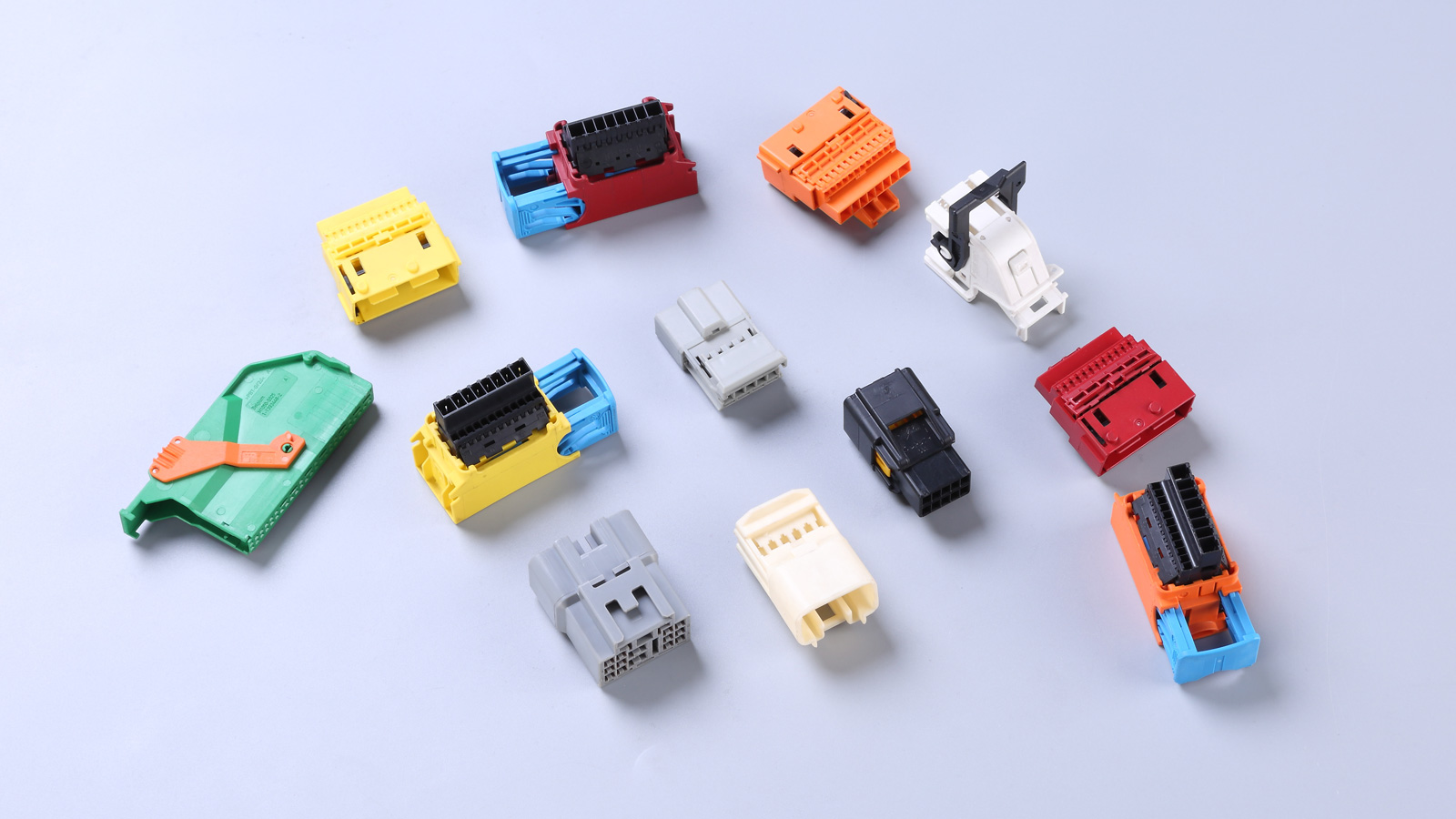
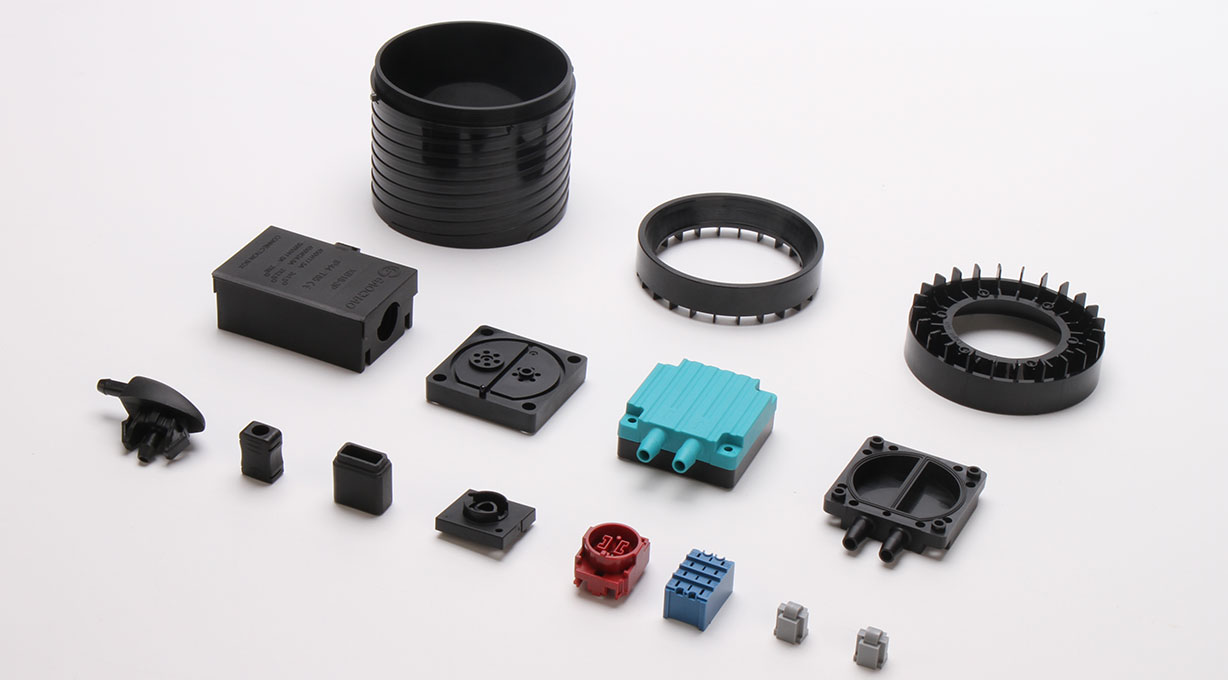



Medical injection molding is a precision manufacturing process essential for producing sterile, high-tolerance components used in life-critical applications such as syringes, catheters, implantable devices, and diagnostic tools. Success in this field demands rigorous control across multiple stages, each governed by international regulatory standards and industry best practices.
Key Process Stages Requiring Strict Control
- Material Selection: Only medical-grade thermoplastics—such as polypropylene (PP), polyethylene (PE), and polycarbonate (PC)—with certified biocompatibility (ISO 10993) and consistent melt flow properties must be used. Material batches must be traceable and tested for extractables and leachables.
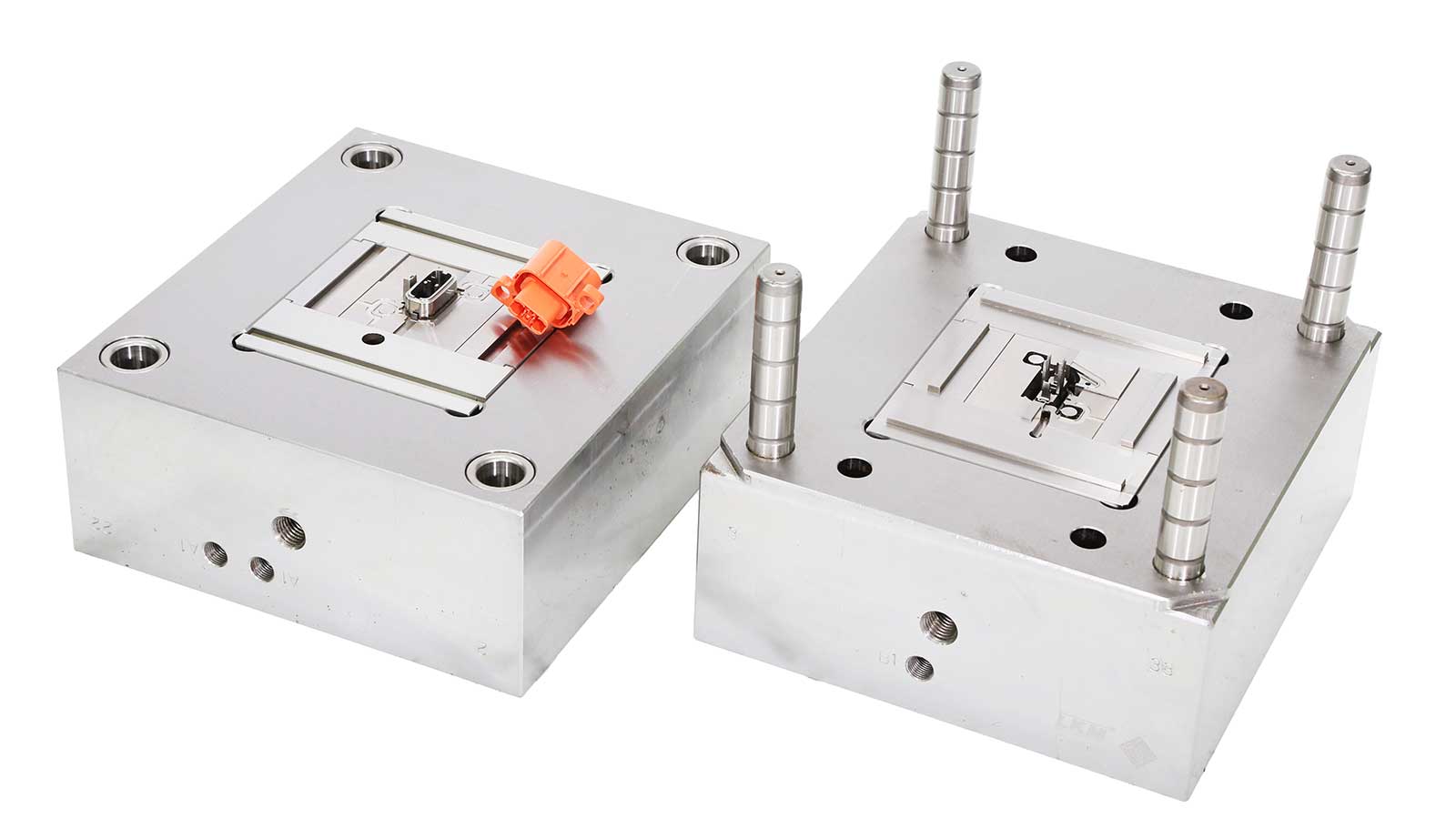
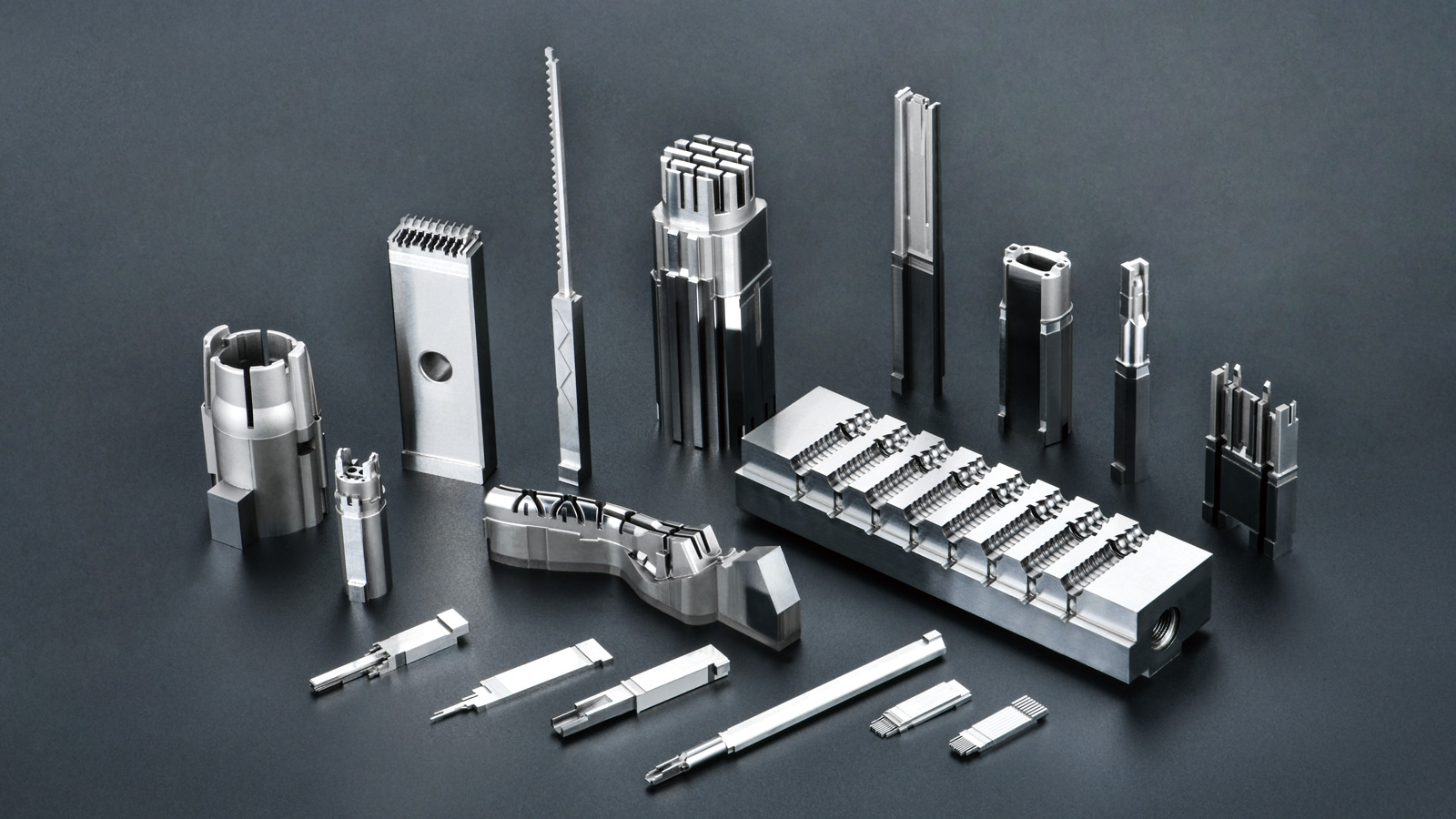
- Mold Design and Fabrication: Molds must be engineered with micron-level tolerances (±0.005 mm), optimized gating, and efficient cooling channels. Surface finish and venting are critical to prevent weld lines, flash, and trapped air. Tooling materials like H13 tool steel are preferred for durability under high-cycle production.
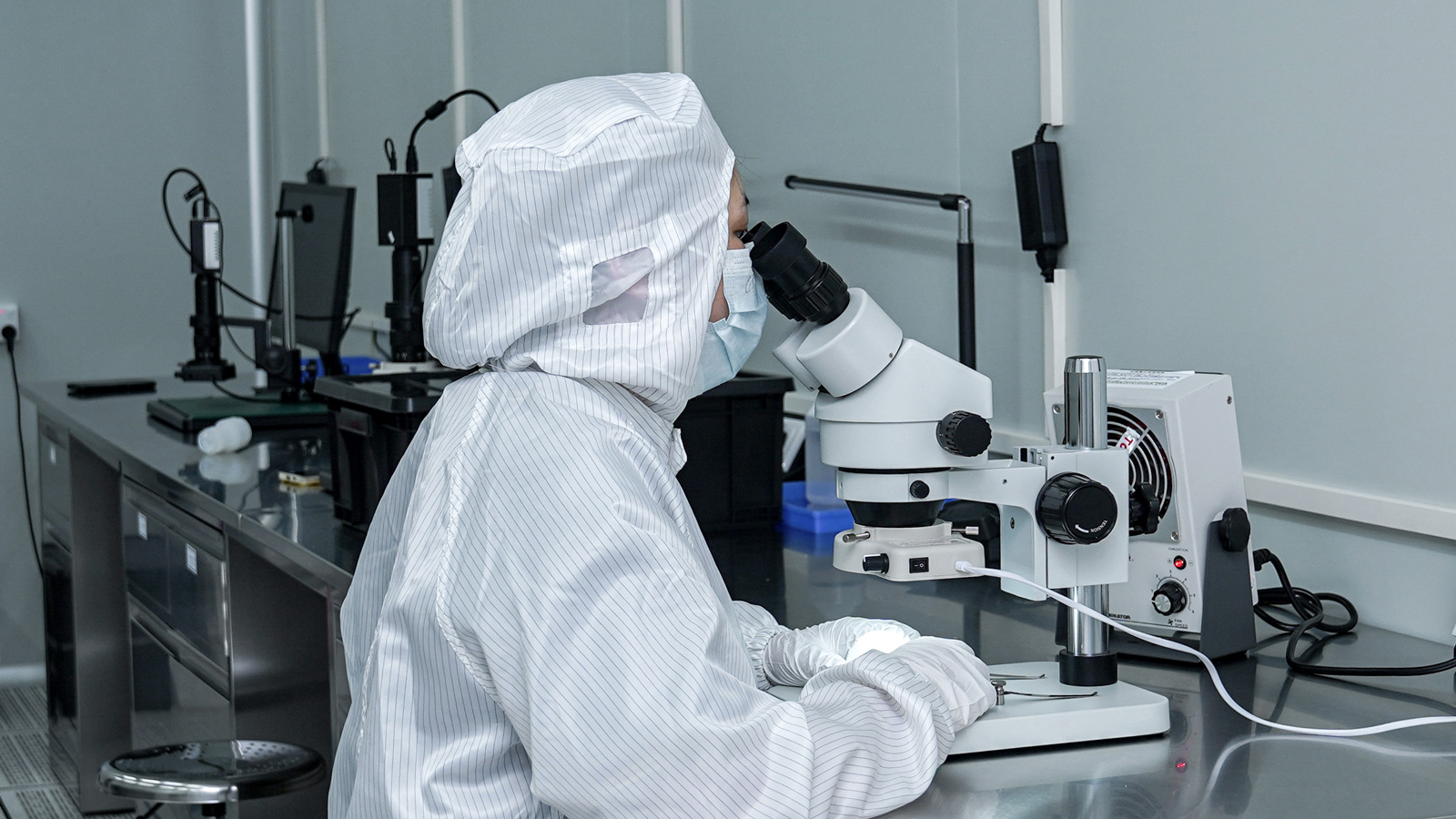
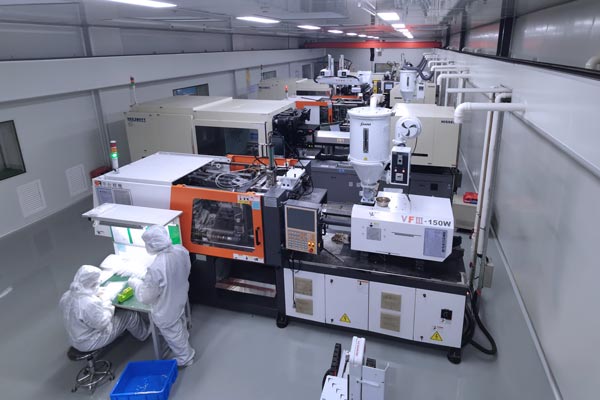
- Cleanroom Environment: Production must occur in ISO 14644-1 Class 7 or Class 8 cleanrooms to limit particulate and microbial contamination. Personnel must follow strict gowning protocols, and air filtration systems must maintain positive pressure and HEPA-compliant airflow.
- Process Parameter Control: Temperature, injection pressure, hold time, and cooling rate must be tightly monitored and documented. Variations can cause dimensional drift, sink marks, or internal stresses. Real-time process monitoring and SPC (Statistical Process Control) are mandatory.
- Post-Processing and Sterilization: Parts must be cleaned using validated aqueous or solvent-based methods, then sterilized via ethylene oxide (EtO), gamma radiation, or electron beam. Each method requires process validation per ISO 11135 or ISO 11137.
- Quality Assurance and Testing: Final inspection includes dimensional verification (CMM), visual defect screening, leak testing, and biocompatibility validation. Microbial limits must comply with USP <61> and <62>. Full traceability from raw material to finished part is required under UDI regulations.
Regulatory Compliance Framework
Compliance with ISO 13485:2016 is non-negotiable, mandating a documented quality management system covering design control, risk management (ISO 14971), supplier evaluation, and corrective actions (CAPA). The updated FDA QMSR (21 CFR Part 820), effective February 2026, aligns fully with ISO 13485 and emphasizes electronic records, digital traceability, and supply chain risk mitigation. Manufacturers must maintain audit-ready documentation for all process validations and deviations.
Common Challenges and Mitigation Strategies
- Dimensional Inconsistency: Caused by material shrinkage variation or mold thermal expansion. Mitigated by using material-specific shrinkage data and in-mold sensor feedback.
- Contamination Risk: Addressed through segregated material handling, dedicated tooling for sterile products, and environmental monitoring logs.
- Melt Flow Defects: Reduced by optimizing gate location, increasing melt temperature uniformly, and using mold flow simulation software prior to tooling.
- Sterilization-Induced Degradation: Prevented by selecting polymers with high radiation resistance (e.g., PEEK, UHMWPE) and validating sterilization cycles on actual parts.
Frequently Asked Questions (FAQ)
Q: Is a cleanroom always required for medical injection molding?
A: Yes, for any component that contacts sterile body tissues or fluids or is intended for implantation. ISO Class 7 or higher is standard for critical applications. Non-sterile components may be produced in controlled environments but still require contamination control.
Q: What materials are commonly used in medical injection molding?
A: Medical-grade polypropylene (PP), polyethylene (PE), polycarbonate (PC), polyetheretherketone (PEEK), and liquid silicone rubber (LSR) are widely used. All must be USP Class VI or ISO 10993 certified for biocompatibility.
Q: How do I ensure FDA compliance for my medical device?
A: Implement an ISO 13485-certified QMS, validate all manufacturing and sterilization processes, maintain full design history files, and register your device with the FDA. The updated QMSR (2026) requires electronic documentation and supply chain traceability.
Q: Can medical injection molding be done in China?
A: Yes. Manufacturers in regions like Dongguan, China, are globally recognized for high-volume, precision medical molding services. Many comply with ISO 13485 and FDA QMSR and serve international clients with full regulatory documentation.
Q: What is the role of automation in medical injection molding?
A: Automation ensures consistency, reduces human contamination risk, and enables real-time data collection for compliance. Robotic part removal, vision inspection, and integrated eQMS systems are now industry standards.