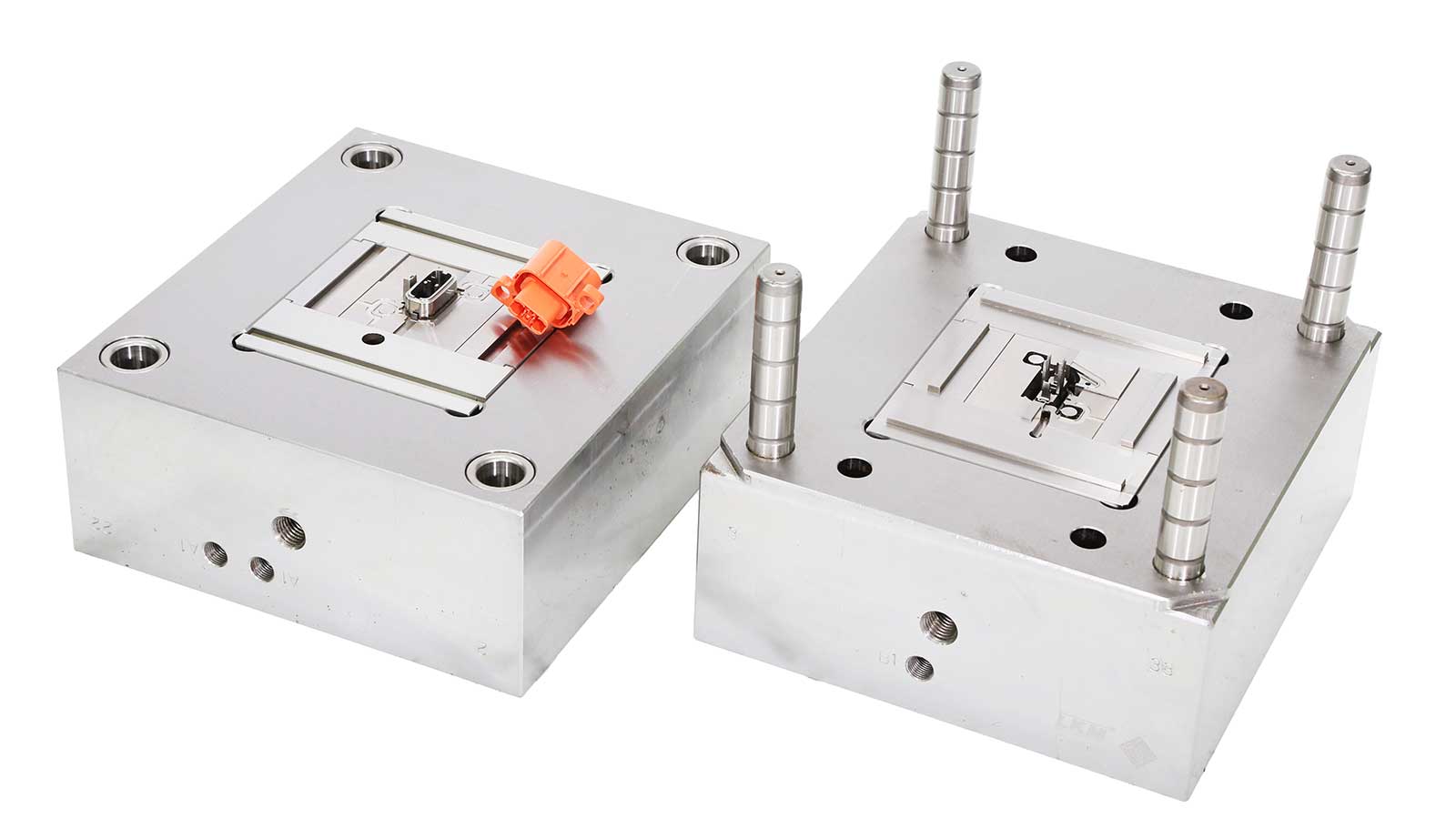




High-speed machining has been deeply integrated into the field of plastic mold manufacturing, offering superior process performance that significantly enhances efficiency, precision, and stability.
Compared to conventional machining methods, high-speed machining demonstrates systematic advantages in material removal rate, thermal management, surface quality, and equipment reliability, making it a critical process for high-end mold production.
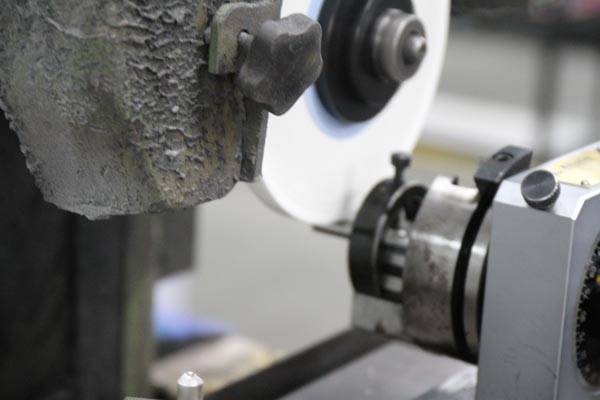
- High Material Removal Rate: High-speed machining increases material removal rates by 3 to 6 times, reducing mold processing time to one-third of conventional durations, thereby significantly improving equipment utilization and production output.
- Reduced Cutting Forces: Cutting forces are reduced by approximately 30% compared to traditional methods, minimizing deformation in soft mold materials and enhancing dimensional accuracy. Tool life is extended, and cutting performance improves by over 30%.
- Superior Thermal Deformation Control: The majority of heat generated during machining is carried away rapidly by chips, resulting in minimal workpiece temperature rise. This prevents thermal expansion and distortion of mold steel surfaces, making it ideal for thin-walled and high-precision components.
- High Precision and Surface Finish: The synergy of high spindle speeds and rapid feed rates shifts vibration frequencies far beyond the system’s natural resonance, ensuring stable machining and significantly improved surface roughness—achieving Ra values below 0.2 μm to meet mirror-finish requirements for precision molds.
- Enhanced Machine Tool Stability: Low cutting forces and minimal thermal load preserve the dynamic rigidity of machine structures, reducing cumulative vibration and improving long-term processing consistency. This also lowers operational risks and enhances workplace safety.
Although the initial investment in high-speed machining equipment is substantial, its combined benefits in production efficiency and yield make it the preferred choice for mid- to high-end manufacturing in regions such as Dongguan.
Frequently Asked Questions (FAQ)
Q1: Is high-speed machining suitable for all types of plastic molds?
A: High-speed machining is particularly effective for molds with complex free-form surfaces, thin walls, and high surface quality requirements—such as those for electronic housings or optical lenses. For large, low-precision, or thick-walled molds, conventional methods may still offer better cost efficiency.
Q2: Are localized service supports available for implementing high-speed machining in Dongguan?
A: Yes. As a global hub for mold manufacturing, Dongguan boasts a comprehensive network of equipment suppliers and technical service teams capable of providing end-to-end support, including equipment selection, process optimization, and tooling solutions.
Q3: Does high-speed machining require higher skill levels from operators?
A: Yes. Effective high-speed machining demands proficiency in CNC programming, cutting parameter optimization, and vibration control strategies. Companies are advised to implement dedicated training programs to fully leverage equipment capabilities.
Q4: Can high-speed machining reduce overall manufacturing costs over time?
A: Despite higher initial investment, most companies achieve return on investment within 18–24 months through reduced cycle times, lower rework rates, extended tool life, and improved product yield.