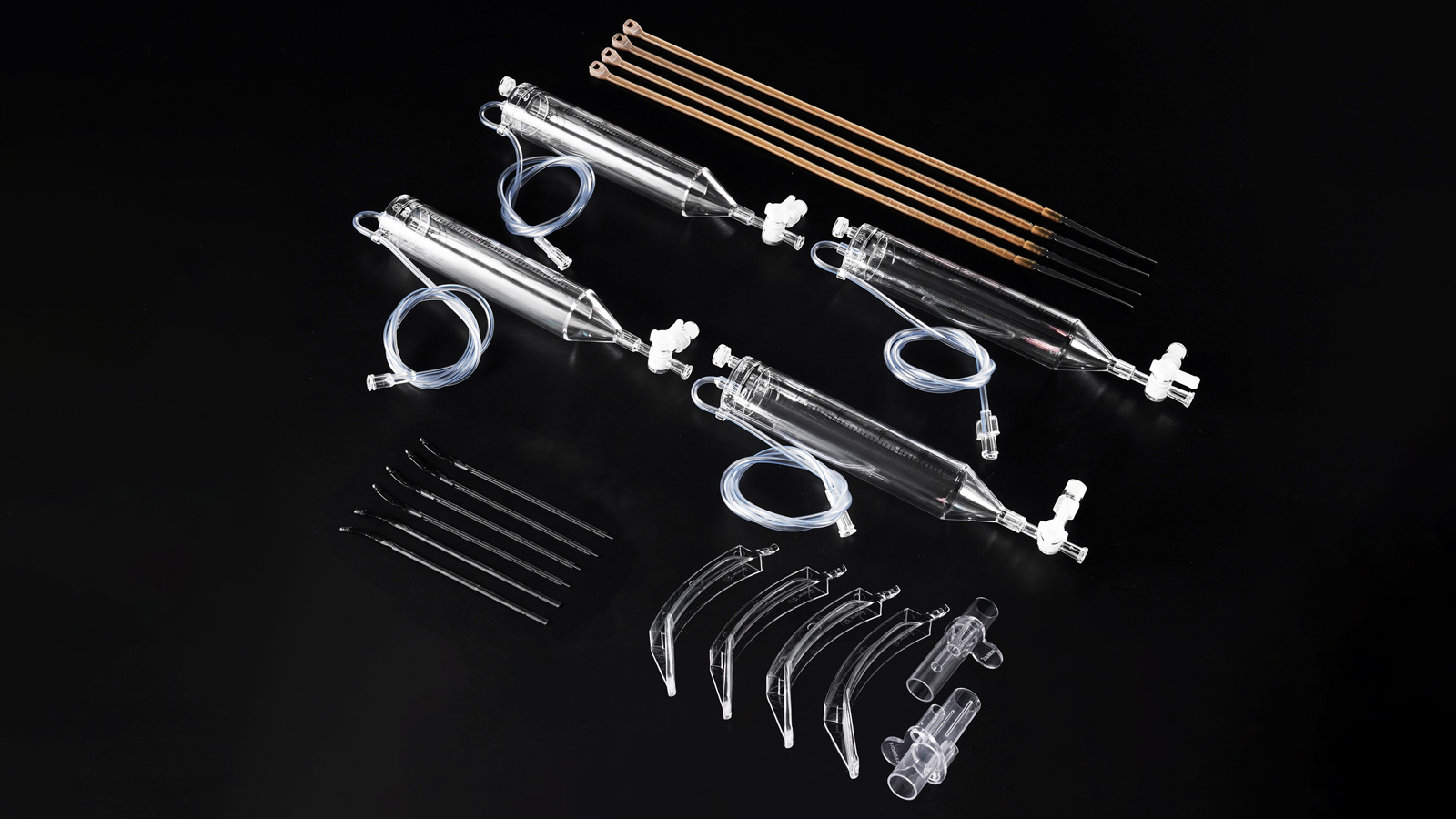
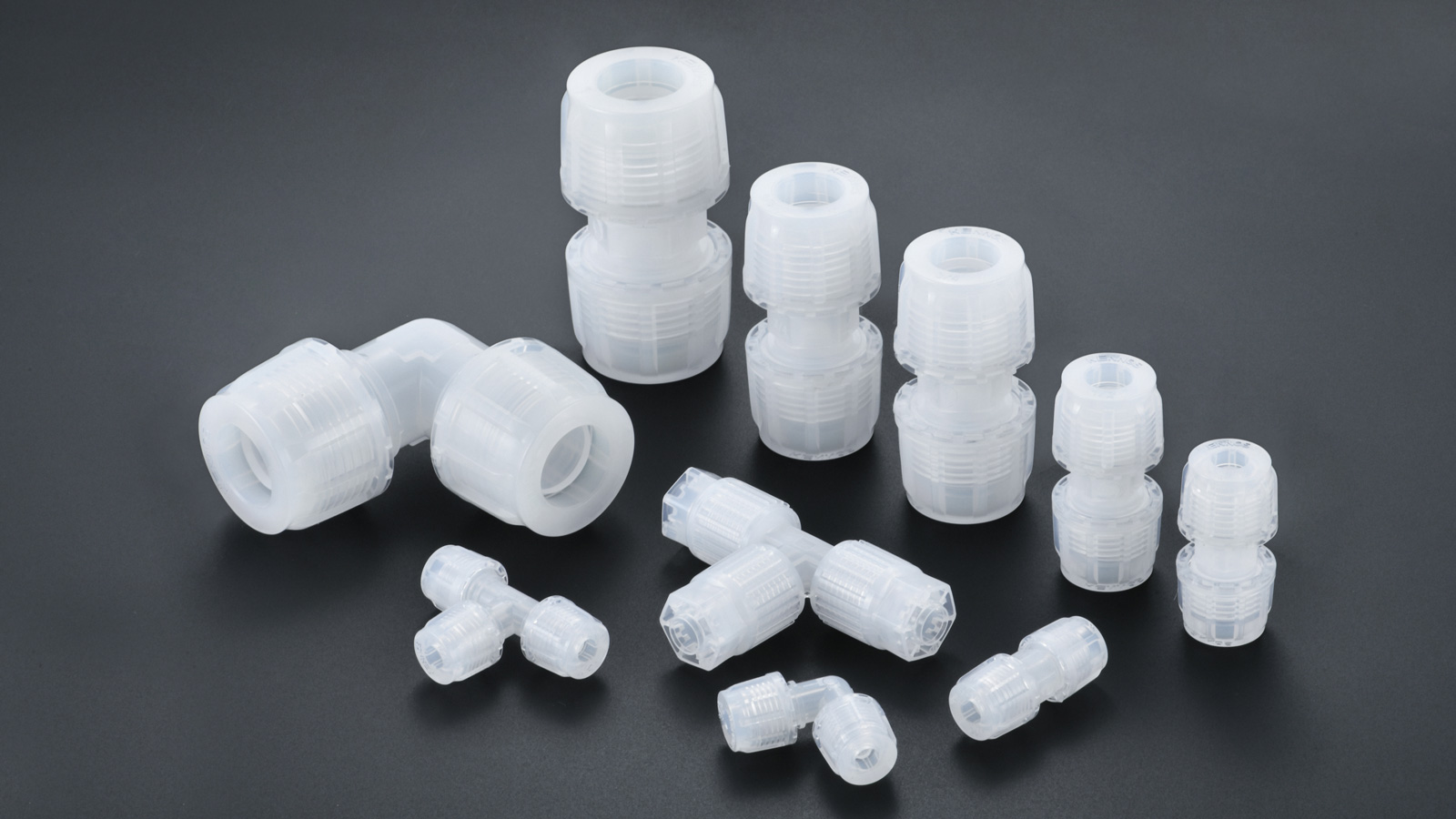
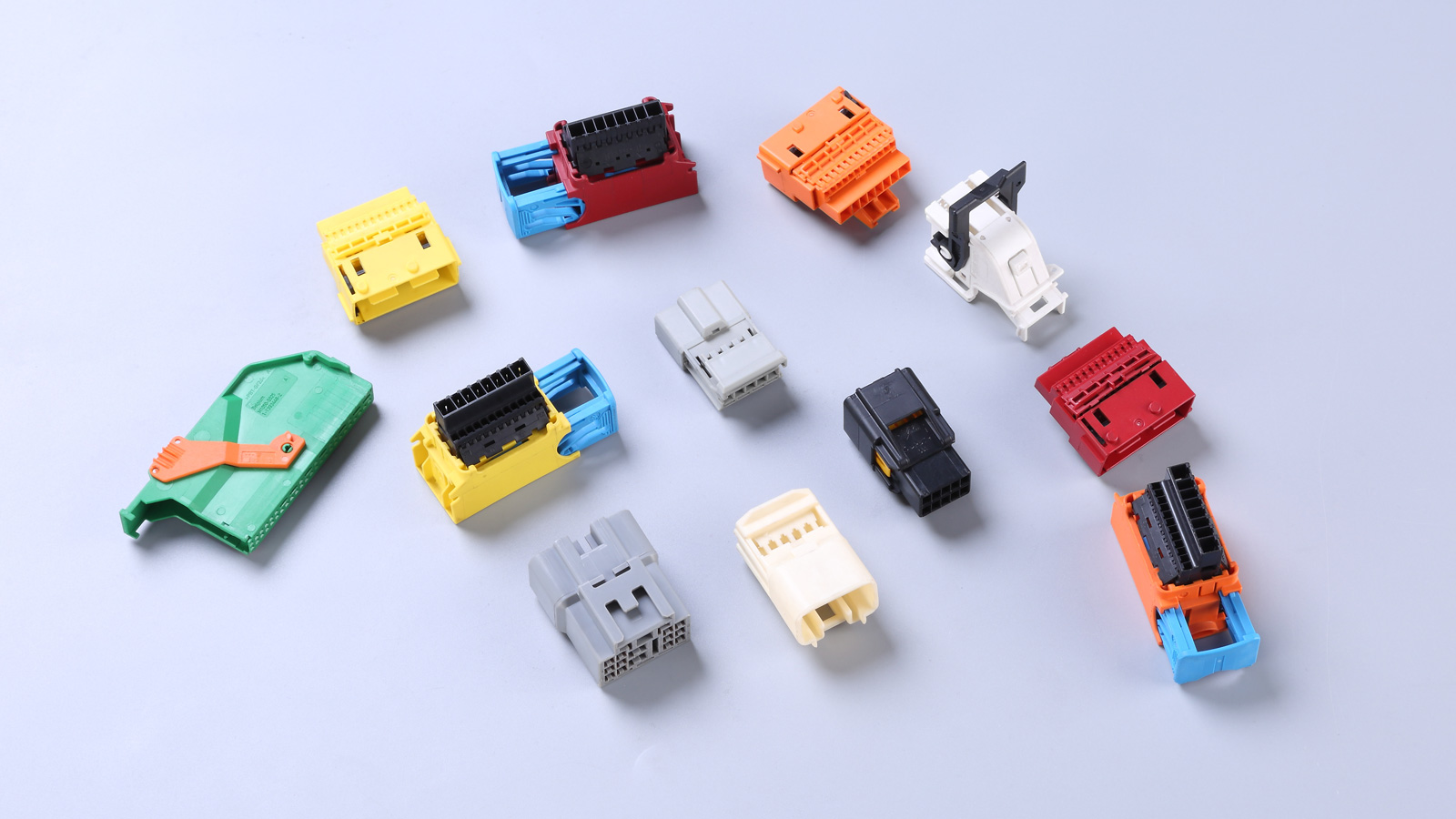
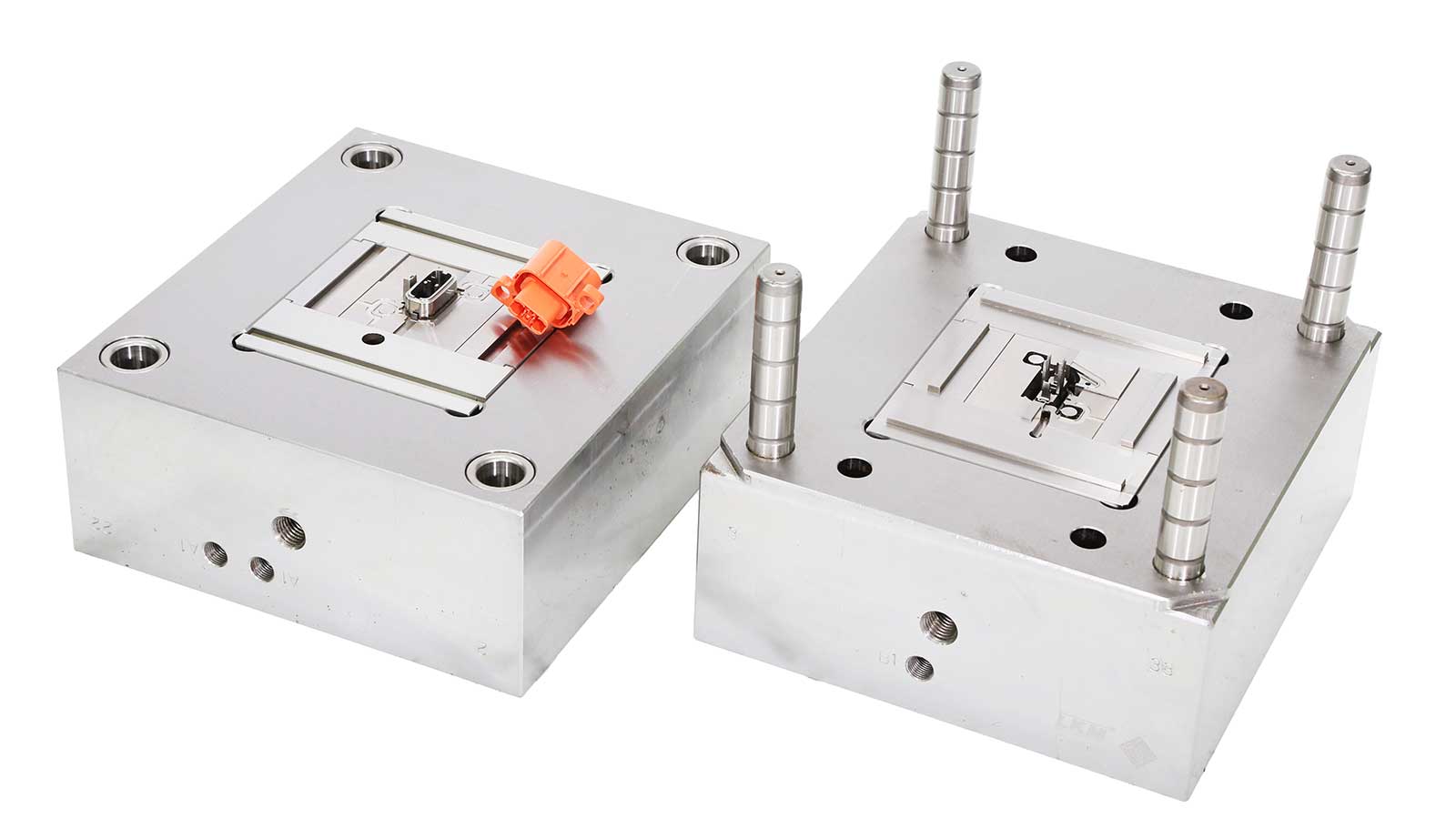



In the field of medical injection molding, poor demolding is a common issue that affects production efficiency and product quality. Poor demolding can lead to surface defects, dimensional deviations, and even mold damage or production shutdown, directly increasing manufacturing costs. Therefore, an in-depth analysis of the factors influencing poor demolding is crucial for process optimization and yield improvement. This article explores the issue from four dimensions: mold design, injection molding process, material properties, and equipment maintenance.
Mold Design Factors
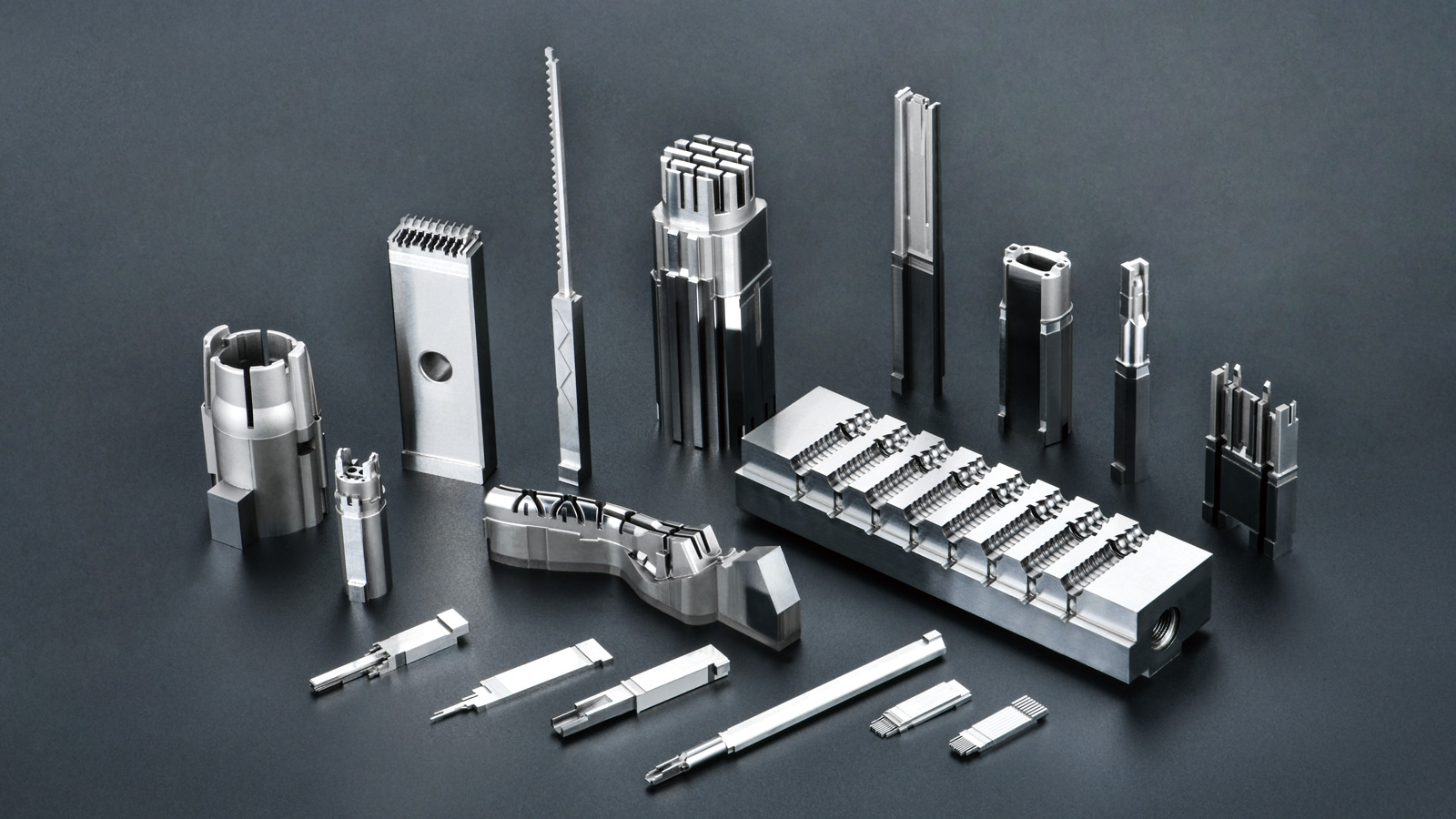
Mold structure is the foundation of demolding performance. First, insufficient draft angle is the most direct cause. Medical injection molded parts often have complex geometries. If the draft angle is too small, the friction between the product and the mold cavity increases, making demolding difficult. Generally, for medical-grade materials such as PC and ABS, a draft angle of 1 to 3 degrees is recommended, depending on the product depth and surface texture.
Second, mold surface finish is closely related to demolding performance. If the mold cavity surface has machining marks, scratches, or corrosion points, these create physical anchors that increase demolding resistance. Medical molds typically require mirror polishing or chrome plating to reduce the coefficient of friction.
Additionally, an improperly designed ejection system is a key factor. Uneven ejector pin layout, insufficient ejection force, or excessively high ejection speed can cause localized stress concentration, leading to product deformation or sticking. For deep-cavity or thin-walled parts, a stripper plate or pneumatic-assisted ejection structure is recommended.
Injection Molding Process Parameter Effects
The setting of injection molding process parameters directly affects the flow and solidification behavior of the melt within the mold. Excessive holding pressure or prolonged holding time can cause over-packing, increasing shrinkage stress and causing the product to adhere tightly to the mold. Conversely, insufficient holding pressure may lead to sink marks, but demolding becomes easier, requiring a balance between quality and demoldability.
Mold temperature control is equally important. If the mold temperature is too low, the melt cools too quickly, forming a thick solidified layer on the product surface, increasing shrinkage, and causing the product to stick to the core. If the mold temperature is too high, material degradation or sticking may occur. For medical injection molding, mold temperatures are typically controlled between 40 and 80 degrees Celsius, depending on the material grade.
Insufficient cooling time is another common cause. If the product is ejected before it is fully cooled and solidified, plastic deformation, whitening, or cracking may occur during demolding. It is recommended to use mold flow analysis software to optimize cooling channel design and ensure uniform cooling.
Material Properties and Formulations
Common materials used in medical injection molding, such as polycarbonate, polypropylene, and medical-grade thermoplastic elastomers, have significant differences in flowability, shrinkage rate, and crystallization behavior. High-shrinkage materials like polypropylene shrink significantly after cooling, making them easier to separate from the mold. However, if the mold design does not account for shrinkage compensation, dimensional changes may cause the product to become stuck.
The use of additives also affects demolding performance. For example, adding mold release agents or lubricants can reduce the coefficient of friction, but excessive use may affect product surface quality or biocompatibility. Medical-grade materials typically require strict control over the type and amount of additives to avoid migration or exudation.
Inadequate material drying is a hidden factor. Hygroscopic materials such as polycarbonate, if not sufficiently dried, will undergo hydrolysis during injection molding, releasing gases that cause surface bubbles or silver streaks and increasing the risk of sticking. It is recommended to strictly follow the drying conditions specified by the material supplier.
Equipment and Mold Maintenance
Unstable clamping force or non-parallel mold platens on the injection molding machine can cause mold deformation, leading to demolding issues. Regular equipment calibration and inspection of mold mounting surface flatness are fundamental measures to prevent poor demolding.
Over time, the mold cavity surface may accumulate carbon deposits, residual mold release agents, or material degradation products, forming an adhesive layer. Regular mold cleaning and polishing to restore surface finish can effectively improve demolding performance.
Wear in the ejection system or fluctuations in hydraulic system pressure can also cause uneven ejection force. It is recommended to establish a mold maintenance log, recording ejector stroke and ejection force data after each production run to facilitate early detection of anomalies.
Conclusion
Poor demolding in medical injection molding is a systemic issue involving multiple coupled factors. From draft angle and surface treatment during mold design, to precise control of process parameters, to material selection and equipment maintenance, every link must be strictly managed. Through systematic analysis and continuous optimization, the rate of poor demolding can be significantly reduced, improving the quality stability and production efficiency of medical injection molded parts.
Frequently Asked Questions
Q: Is poor demolding always related to mold design?
A: Not necessarily. Mold design is an important factor, but process parameters, material properties, and equipment condition can also cause poor demolding. It is recommended to investigate from multiple dimensions, starting with draft angle and the ejection system.
Q: How can I determine if poor demolding is caused by the material?
A: If demolding conditions change significantly when using a different batch of the same material in the same mold, or if the material’s drying conditions were not met, the material is likely the cause. This can be verified by testing the material’s melt flow index, moisture content, and shrinkage rate.
Q: How significant is the impact of mold temperature on demolding?
A: Mold temperature directly affects the melt cooling rate and crystallization behavior. Too low a mold temperature can cause the product to stick to the core, while too high a temperature can lead to sticking or material degradation. Typically, controlling the mold temperature near the middle of the material’s recommended range is a safe approach.
Q: Is there a universal solution for poor demolding?
A: There is no universal solution, but a systematic troubleshooting approach can be followed: first, check the mold draft angle and surface condition; then, optimize holding pressure and cooling time; finally, evaluate material drying and equipment condition. It is recommended to combine this with mold flow analysis software for simulation verification.