




In injection molding processes, achieving melt flow balance is a core factor in ensuring part quality and minimizing defect rates. Flow imbalance not only leads to uneven filling and dimensional variations but also increases the risk of sink marks, short shots, and burn marks, directly compromising part appearance and mechanical performance.
Relationship Between Gate Design and Voids
Voids occur when trapped air within the mold cavity is enveloped by molten plastic, forming localized high-pressure pockets. The likelihood of void formation increases with the number of gates, particularly when wall thickness variations are significant or gate locations are poorly positioned. Proper venting design and optimized gate placement are essential prerequisites for suppressing voids.
Flow Balance Strategy for Single-Cavity Molds
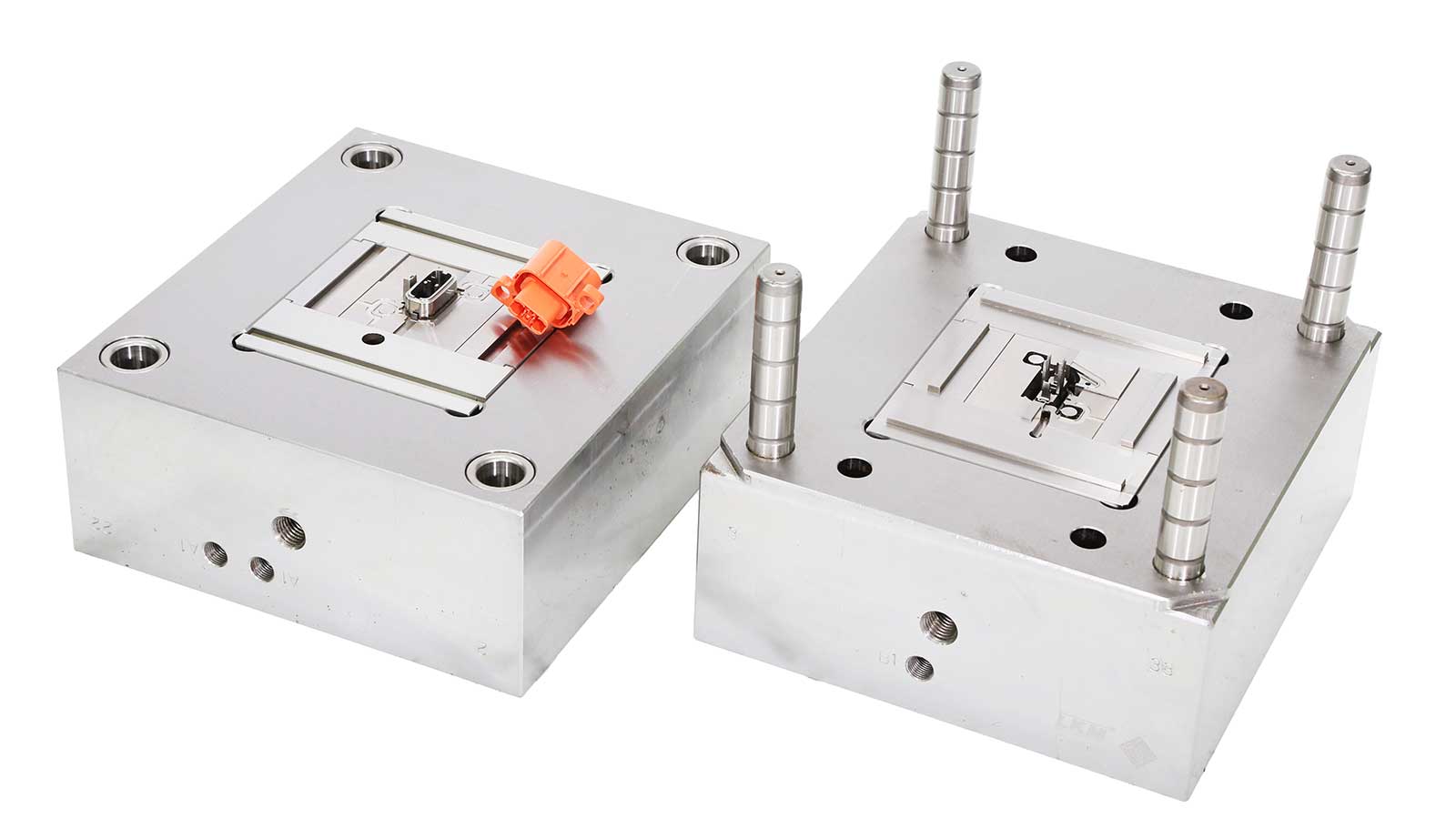
An ideal single-cavity design ensures simultaneous filling of the entire cavity, resulting in uniform pressure, shrinkage, and temperature distribution. By implementing symmetrical runner layouts and precisely positioned gates, optimal flow balance can be achieved with minimal injection pressure and clamping force, significantly enhancing part consistency and yield.
Principles of Flow Balancing in Multi-Cavity Molds
For multi-cavity molds with uneven part dimensions or weights, flow equilibrium should be achieved by adjusting the cross-sectional dimensions of secondary runners, not by modifying gate sizes. Gates serve as critical structures controlling solidification timing; their geometry must remain fixed to maintain thermal stability. Frequent alterations to gate thickness disrupt process repeatability and lead to batch-to-batch quality fluctuations.
In summary, systematic optimization of gate and runner design is the fundamental approach to achieving high stability and repeatability in injection molding, thereby reducing scrap rates and improving production efficiency and product reliability.

Frequently Asked Questions (FAQ)
Q1: How can you determine whether melt flow balance has been achieved in an injection mold?
A: Flow balance can be assessed by observing whether all cavities fill simultaneously during trial molding, or by simulating melt front progression using mold flow analysis software. If the filling time difference between cavities is less than 5%, the flow is considered balanced.
Q2: Can increasing gate size improve flow imbalance?
A: No. Gate dimensions directly affect solidification time and packing efficiency. Arbitrary adjustments compromise process stability. Flow balance should be achieved primarily through runner cross-section optimization.
Q3: Are voids caused solely by gate location?
A: No. In addition to gate placement, factors such as inadequate venting, material moisture content, excessive injection speed, and non-uniform mold temperature can also induce voids. A comprehensive evaluation of both mold design and process parameters is required.