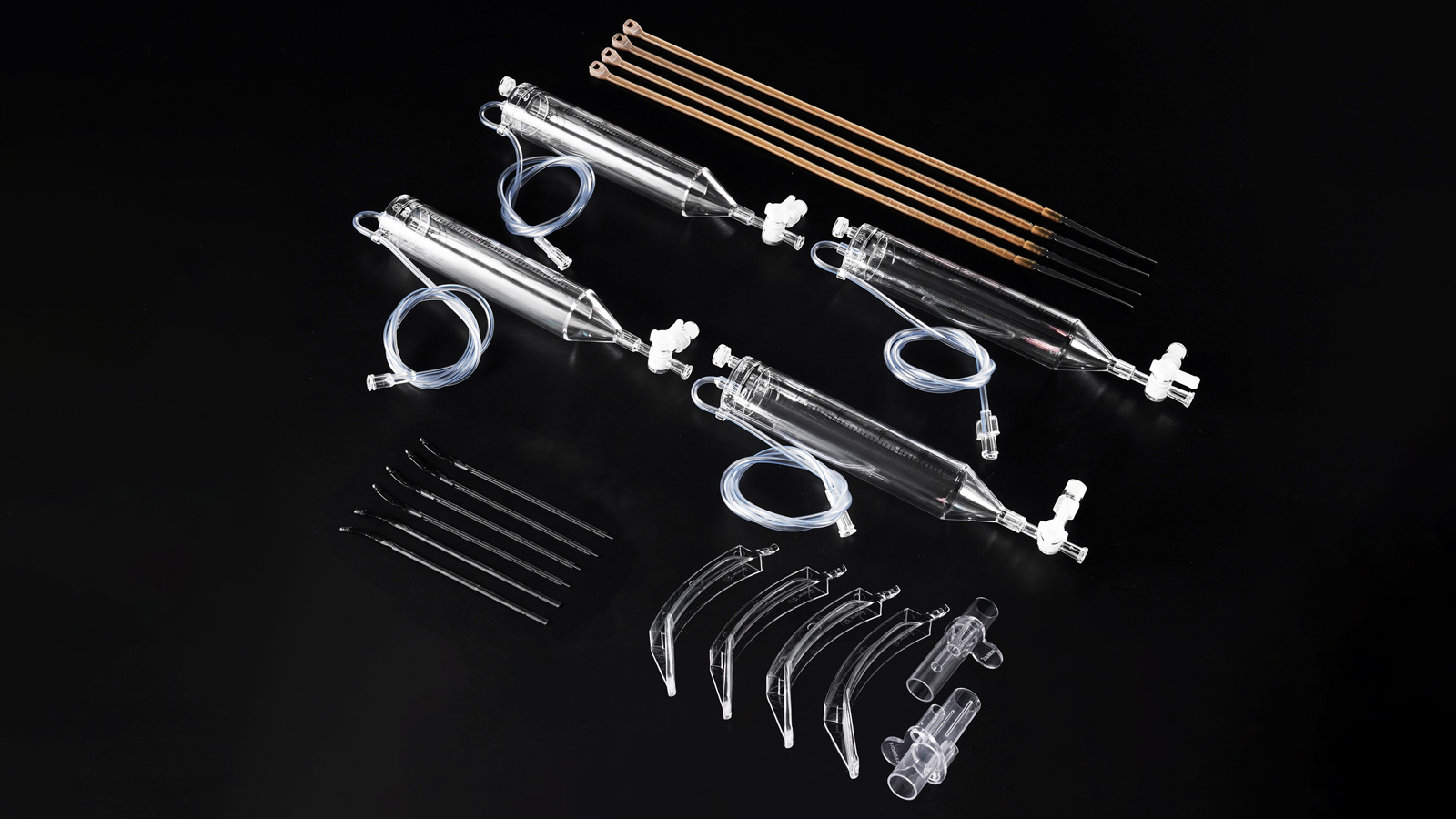
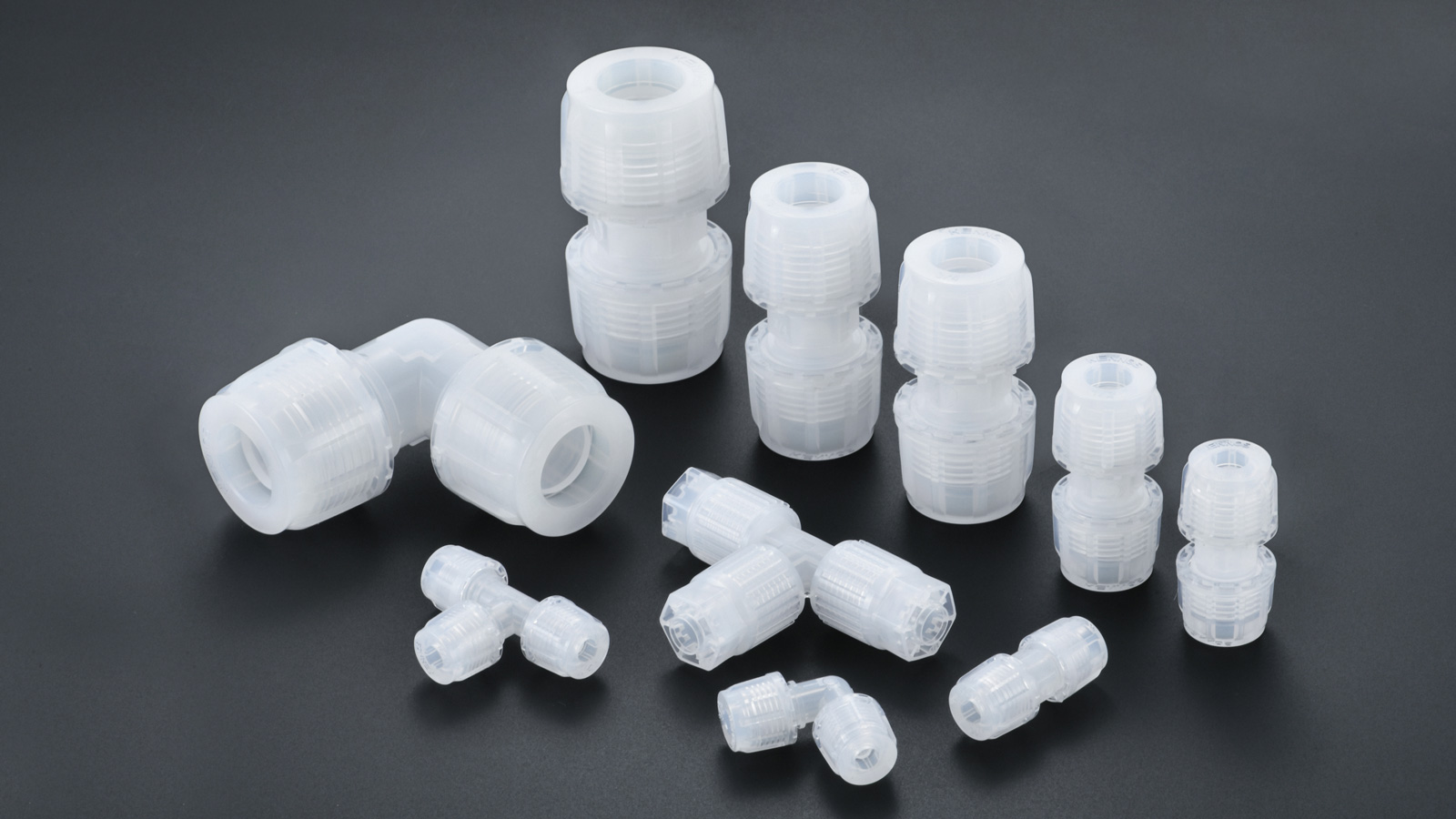
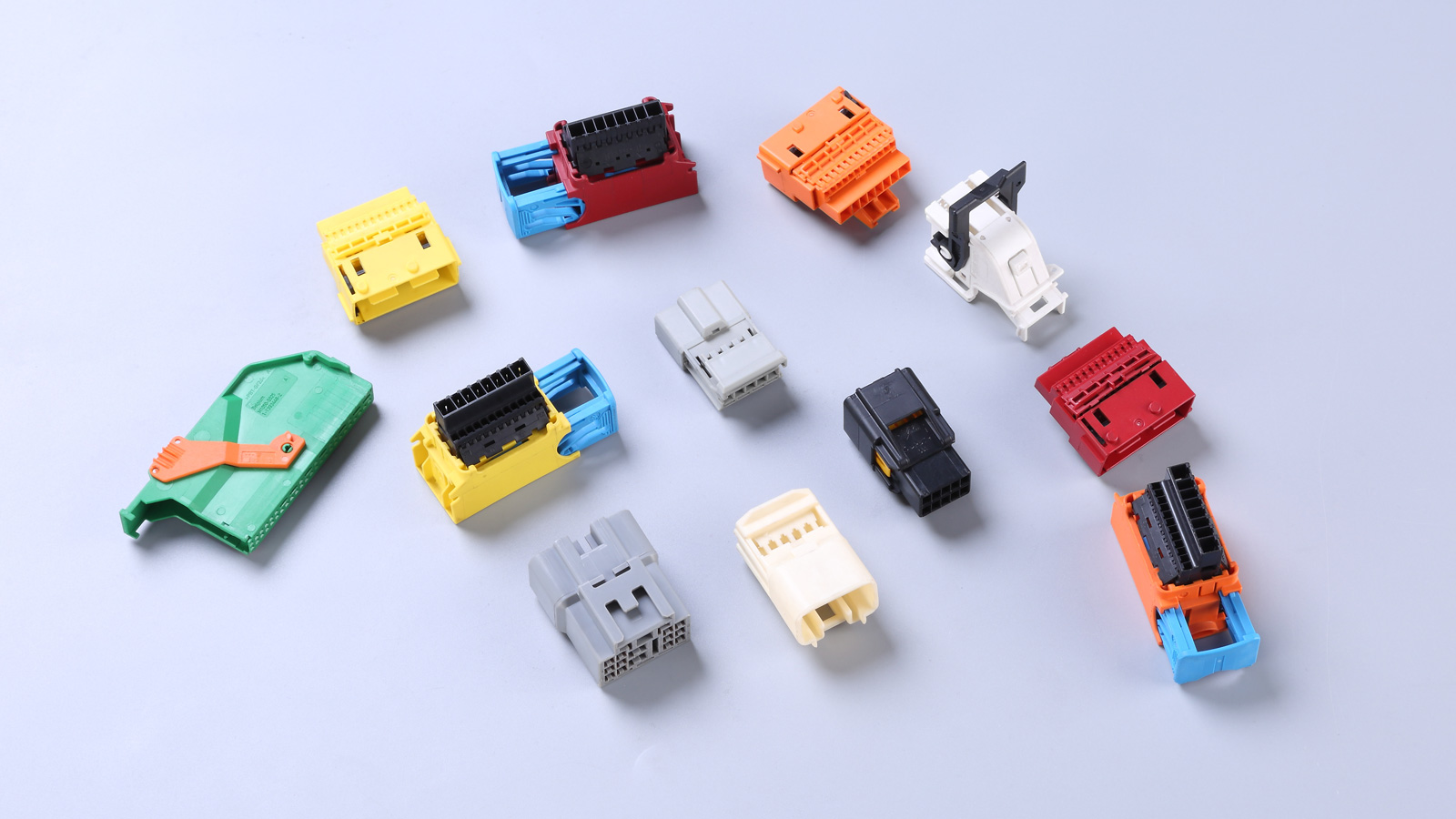
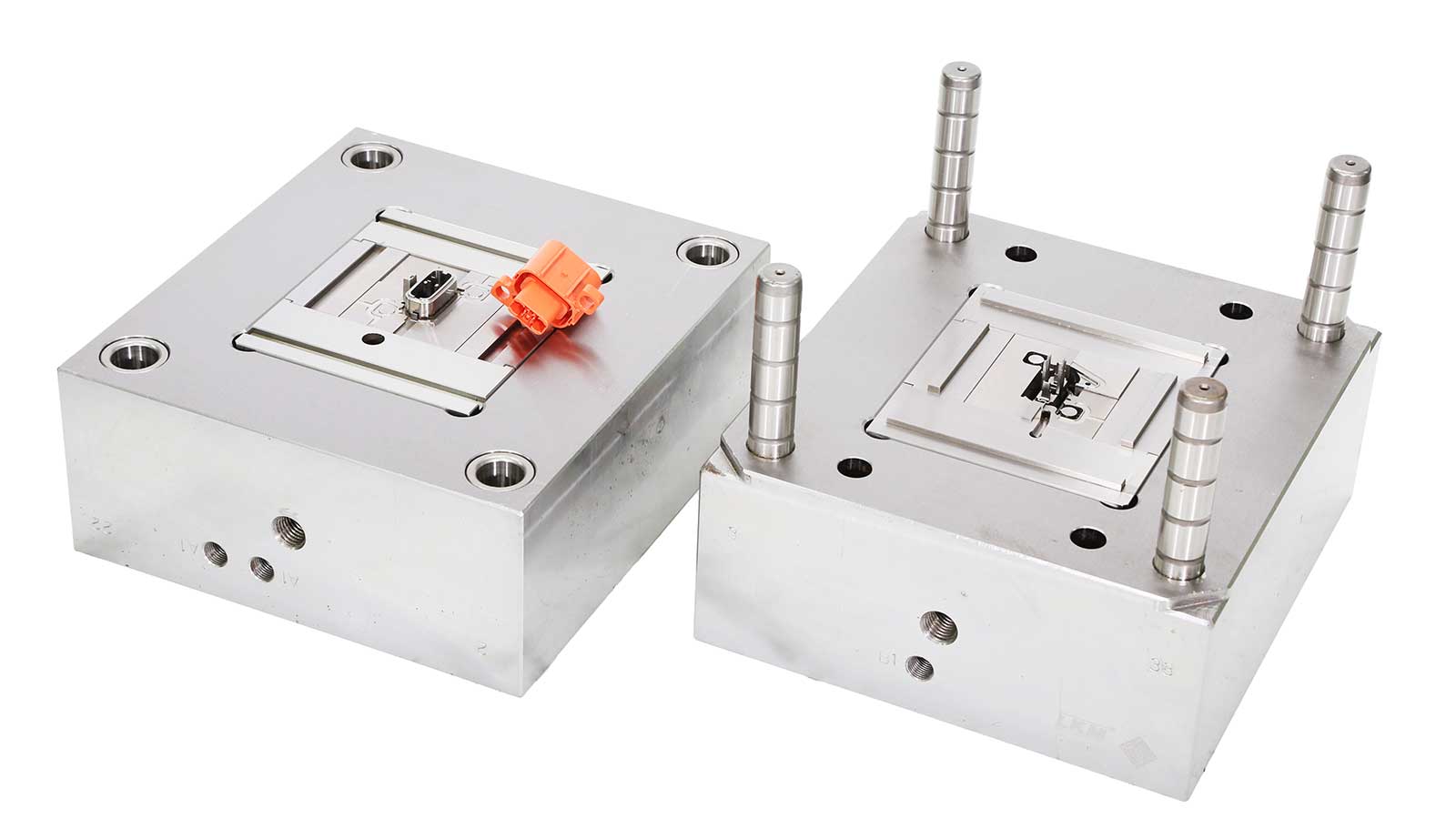
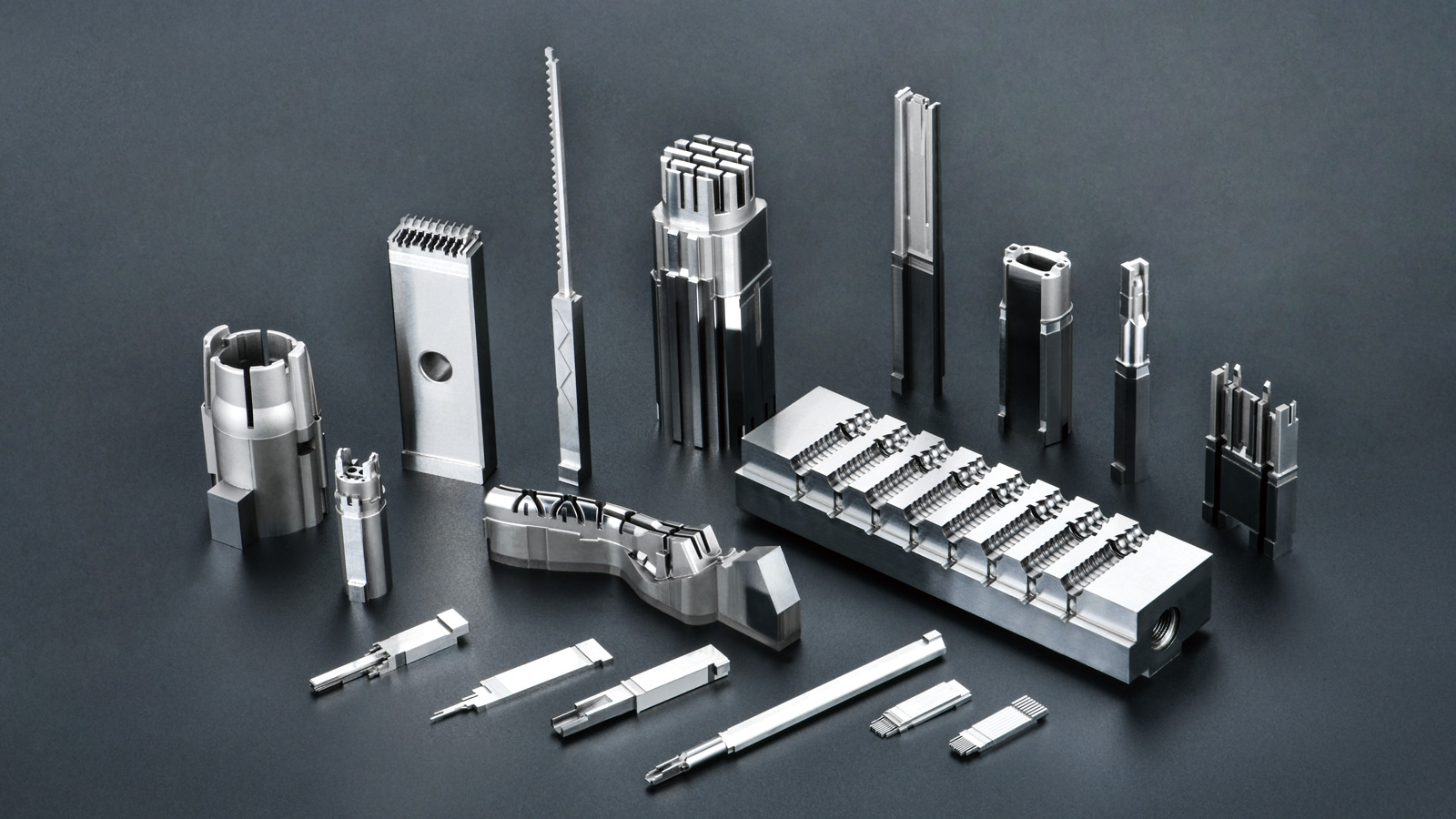
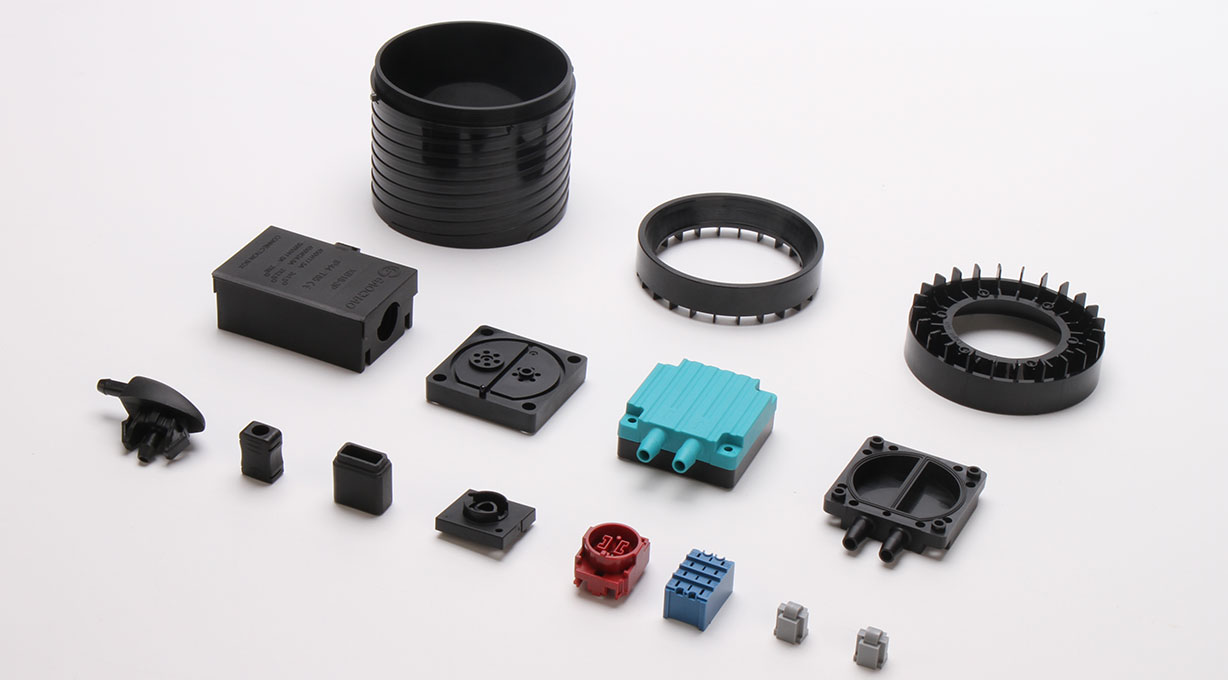


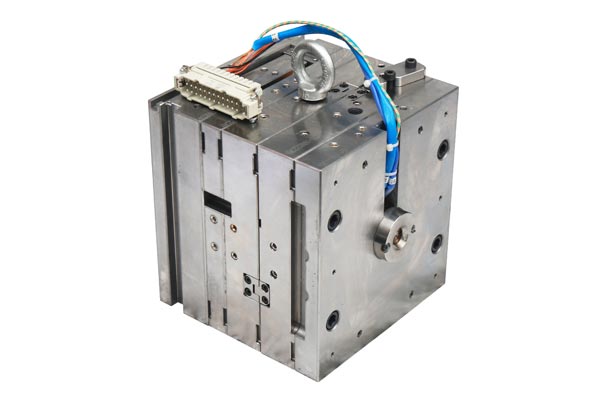
Hot runner medical molds are widely adopted in medical injection molding to enhance precision, consistency, and production efficiency for high-purity components such as syringes, catheters, and surgical instrument housings. Given the stringent requirements for sterility, dimensional accuracy, and biocompatibility in healthcare applications, hot runner systems are prone to specific defects that can compromise product safety and regulatory compliance.
Common Defects and Root Causes
Gate Vestige and Dripping: Caused by improper gate design or unstable temperature control. Low-viscosity resins like PP and PE are especially susceptible to leakage through worn valve gates, leading to residual material on part surfaces or droplet formation—posing contamination risks in sterile environments.
Weld Lines and Incomplete Filling: Imbalanced runner lengths or poorly positioned gates in multi-cavity hot runner medical molds result in incomplete fusion of melt fronts, creating visible weld lines that harbor bacteria. Localized cooling or insufficient injection pressure may cause short shots, compromising structural integrity.
Sink Marks and Dimensional Deviation: Medical-grade resins such as PC and PES exhibit batch-to-batch shrinkage variability. Inadequate holding pressure or time leads to uneven cooling in thick-wall sections, causing surface depressions or dimensional deviations that violate ISO 13485 tolerance requirements.
Flash and Parting Line Leakage: Insufficient clamping force, worn parting surfaces, or aging lock mechanisms allow molten material to extrude under pressure, forming micro-flashes that may shed during sterilization and generate particulate contamination.
Non-Uniform Temperature Distribution: Failed thermocouples, degraded heating bands, or uneven heat conduction across the manifold cause nozzle-to-runner temperature differentials exceeding ±5°C, triggering material degradation, discoloration, or odor—violating medical-grade purity standards.
Systematic Solutions
Optimized Gate Design: Prioritize valve-gate systems with precision-machined, wear-resistant alloy cores to eliminate dripping. For crystalline resins like POM, integrate heated gate probes to maintain a consistent melt state at the gate interface.
Enhanced Temperature Control: Implement a Fail-Safe architecture with dual thermocouples and dual heaters to ensure operational continuity during component failure. Use controllers with ±1°C precision and enable real-time temperature logging to meet FDA and ISO 13485 traceability mandates.
Material and Structural Compatibility: Construct runner and nozzle bodies from 316L stainless steel to enhance corrosion resistance and surface finish (Ra ≤ 0.2 μm), reducing residue and cleaning complexity. Optimize runner cross-sections to circular or elliptical profiles to minimize flow resistance and shear heating.
Standardized Process Parameters: Establish material-specific injection windows with strict control over barrel temperature, injection speed, and holding pressure. For glass-fiber-reinforced materials, extend cooling time and use independent mold temperature controllers.
Preventive Maintenance Protocol: Implement monthly nozzle cleaning, quarterly valve core inspection, and semi-annual heater calibration. Use food-grade, non-residue lubricants (e.g., HTN-1001) on ejector pins and slides to prevent contamination.
FAQ
Q1: Why do medical hot runner molds frequently exhibit dimensional instability?
A: Primarily due to batch-to-batch shrinkage variation in medical-grade resins like PEEK and PPSU, compounded by insufficient dynamic compensation of holding pressure. Implement closed-loop injection control with real-time part weight feedback to auto-adjust holding parameters.
Q2: How do you determine when a hot runner nozzle requires replacement?
A: Replace the nozzle if persistent dripping, enlarged gate marks, or abnormal temperature curves occur. Inspect the valve core and inner bore for wear grooves, carbon buildup, or coating delamination—even if functionality remains—prior to contamination of production batches.
Q3: How can Dongguan-based medical molders reduce hot runner maintenance costs?
A: Local manufacturers such as Dongguan Yize Mould Co., Ltd offer standardized, modular hot nozzles with online replacement capability. Procure OEM spare parts and maintain an inventory list to avoid downtime from non-standard components. Centralized temperature control systems also reduce wiring-related failures.
Q4: Can hot runner systems be used for PVC medical tubing?
A: Not recommended. PVC degrades at prolonged high temperatures, releasing hydrogen chloride gas that corrodes hot runner components and contaminates parts. Use cold runner systems instead, or employ specialized ceramic-lined hot runners with melt temperatures strictly limited to below 180°C.
Q5: What specific ISO 13485 requirements apply to hot runner molds?
A: Materials must be traceable, surfaces must be free of dead zones and easily cleanable, lubricant residues must be eliminated, and process parameters must be recorded and validated. All components in contact with molten plastic require material certification (e.g., 316L test reports) and cleaning validation documentation.