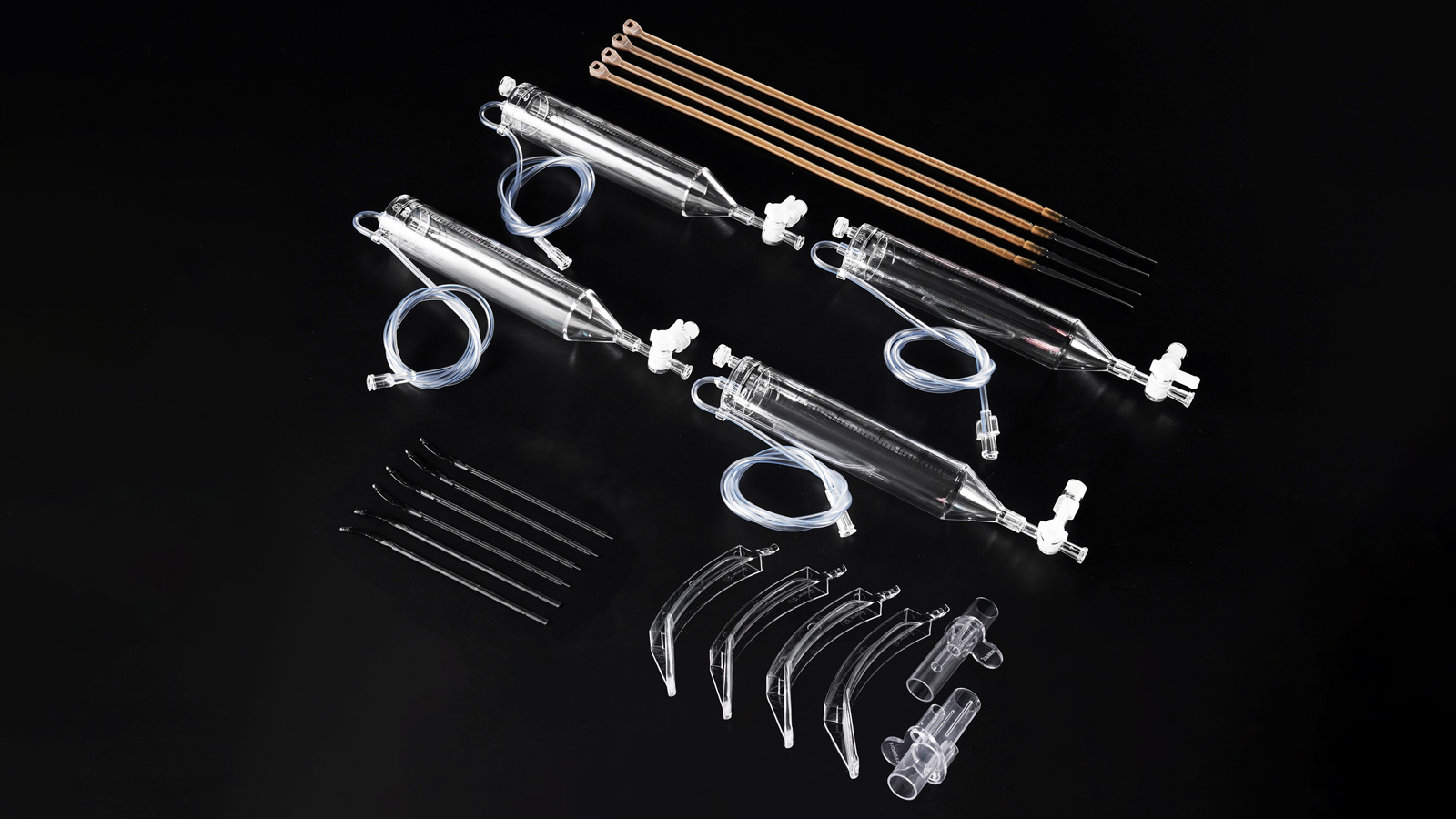
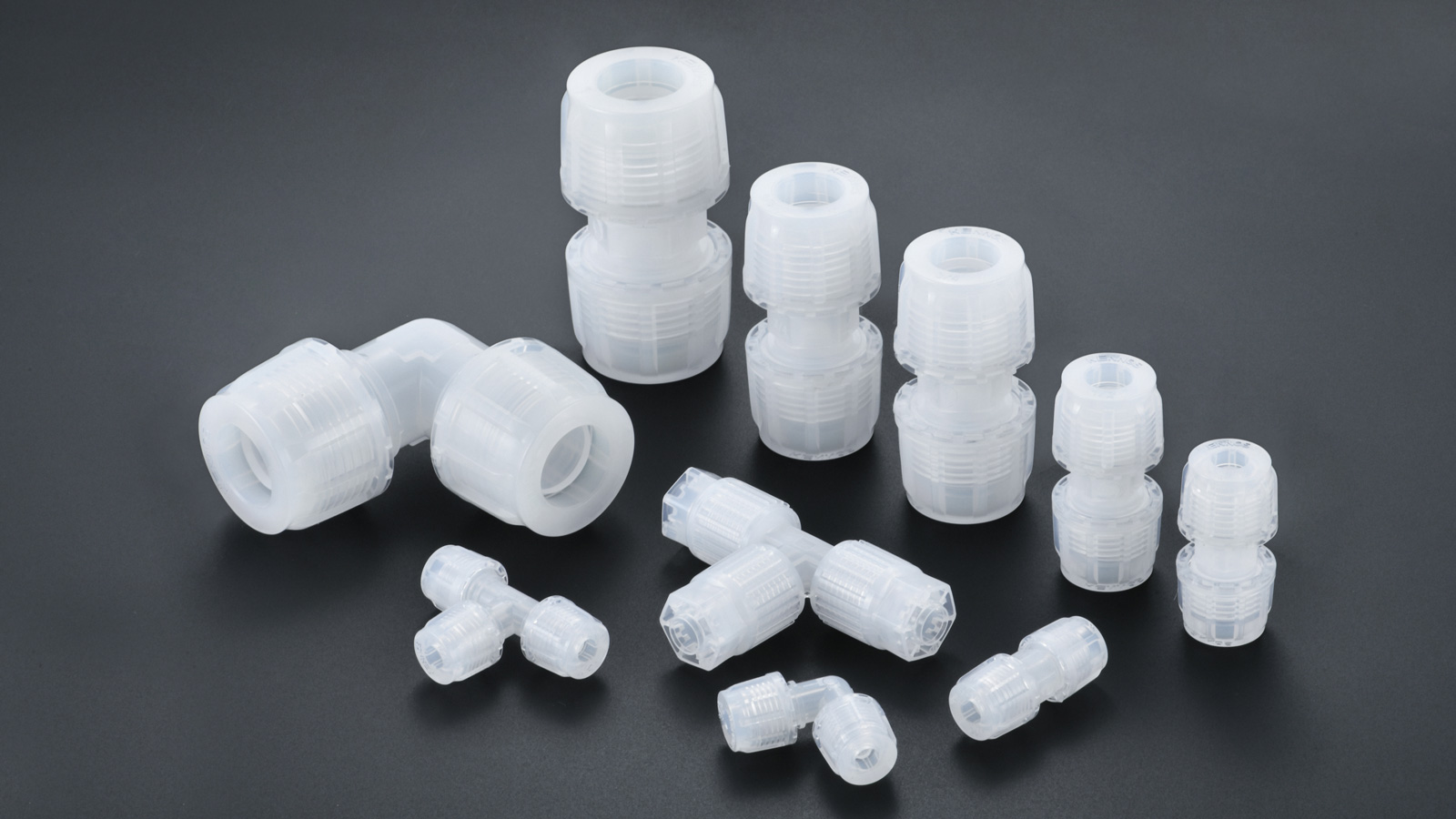
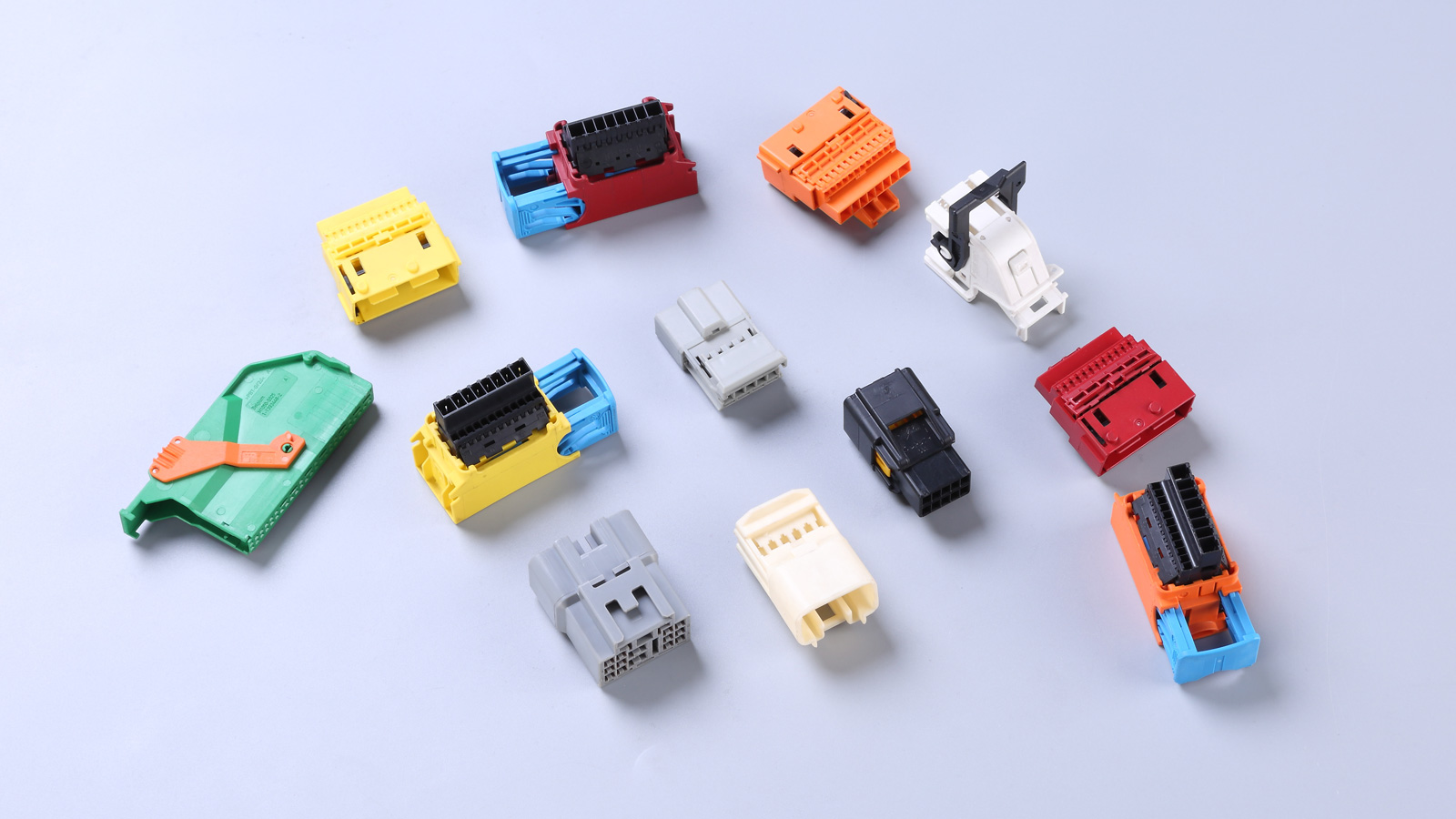
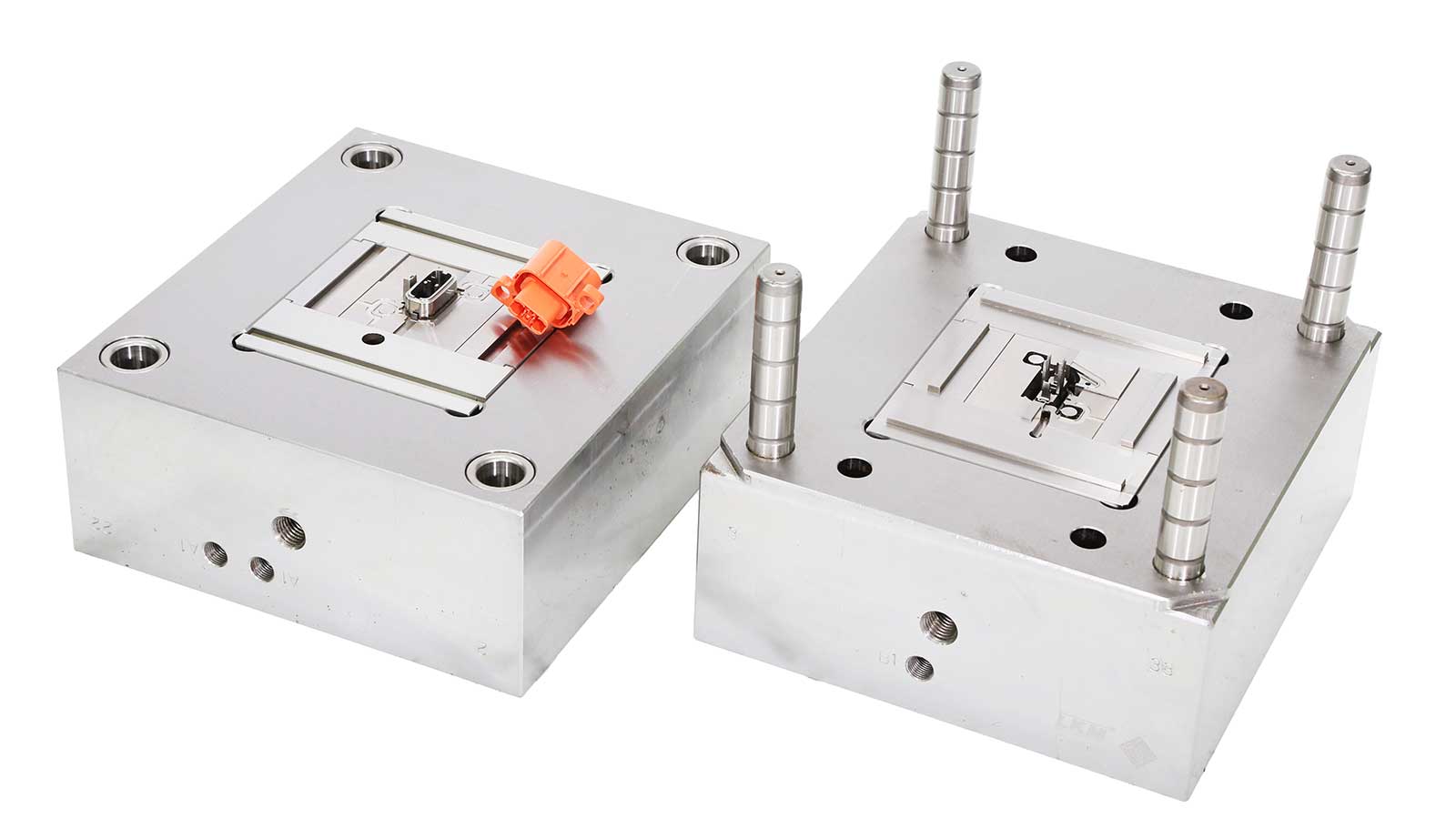
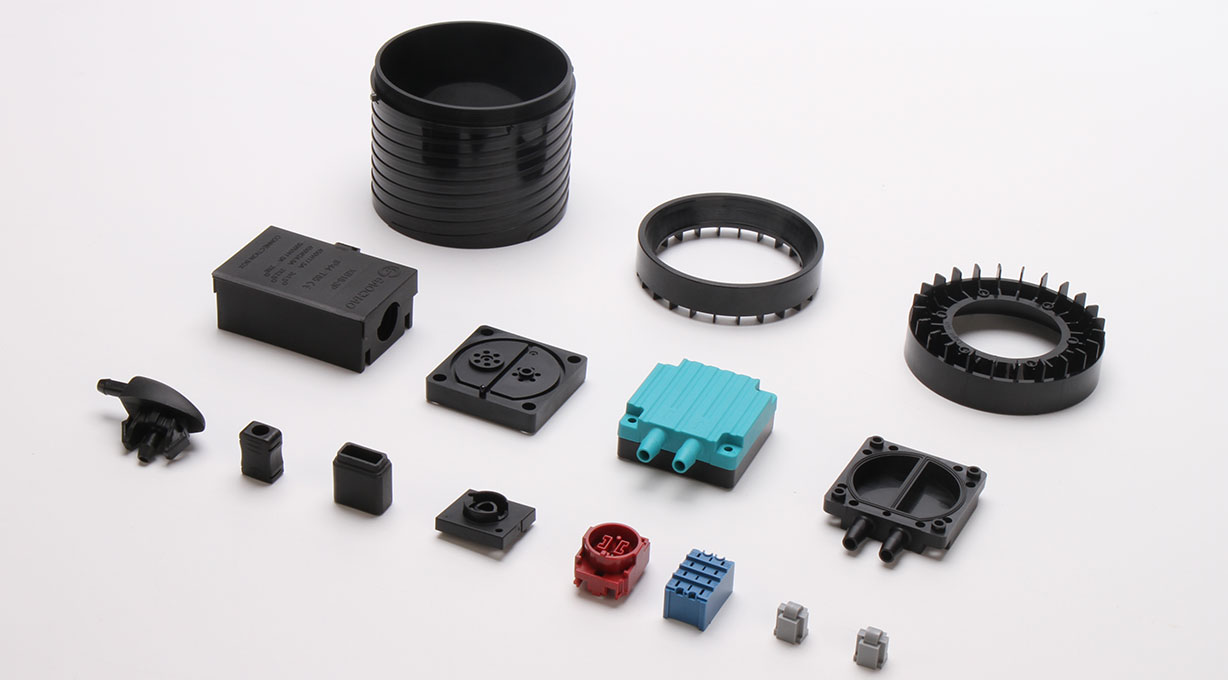



Medical injection molding, as a core step in medical device manufacturing, directly impacts patient safety and product functionality. To achieve micron-level dimensional control alongside biocompatibility, a systematic precision assurance framework must be established across five dimensions: materials, molds, equipment, environment, and process control.
Material Precision Management
Medical-grade materials such as polycarbonate (PC), polyetheretherketone (PEEK), and polysulfone (PPSU) must comply with ISO 10993 biocompatibility standards. Raw materials require melt flow index (MFI) testing, particle size distribution analysis, and moisture content control, with moisture levels kept below 0.02%. Hygroscopic materials must be vacuum-dried at 80–120°C for 4–6 hours to ensure batch stability and molding consistency.
High-Precision Mold Design and Manufacturing
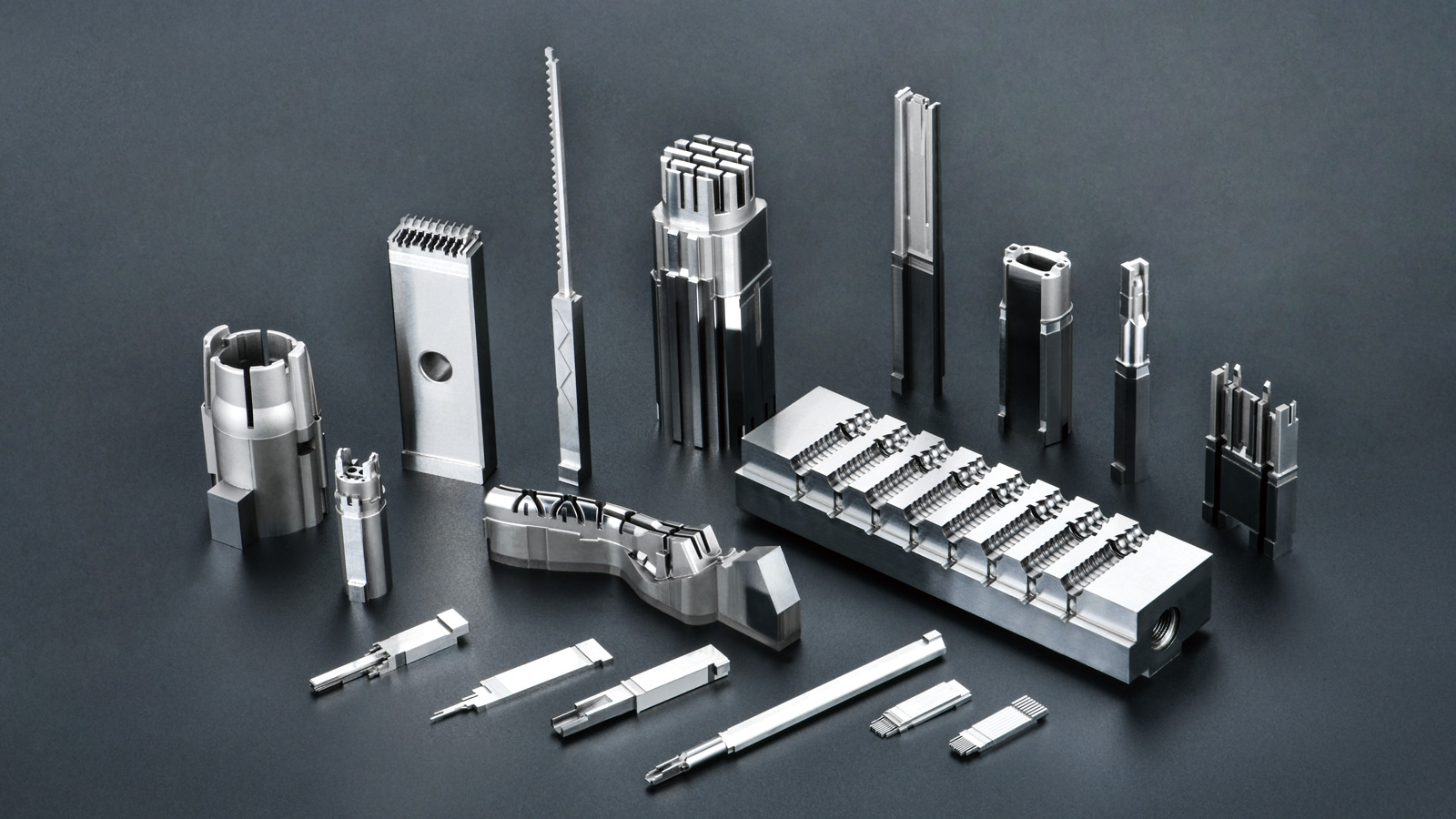
Molds are the origin of precision. Cavity and core tolerances must be controlled within ±0.005 mm, using alloy steels with hardness above HRC52, formed via ultra-precision five-axis machining (positioning accuracy ±0.001 mm) and mirror EDM (surface roughness Ra ≤ 0.05 μm). Gate design employs hot runner systems with temperature control accuracy of ±1°C; cooling channels are conformally arranged to match product contours, ensuring mold temperature variation ≤ ±1°C to prevent thermal stress deformation.
Injection Molding Equipment and Process Parameter Optimization
All-electric injection molding machines, driven by servo motors and ball screw transmission, achieve injection pressure fluctuations ≤ ±1% and repeatability of ±0.5 MPa. Multi-stage injection control is applied: low-speed filling (5–15 mm/s) to prevent jetting, medium-speed spreading (20–50 mm/s) for uniformity, and high-speed packing (60–80 mm/s) to compensate for shrinkage. Packing time is calculated at 1–1.5 seconds per mm of wall thickness; mold temperature is set according to material specifications (e.g., PC: 80–120°C).
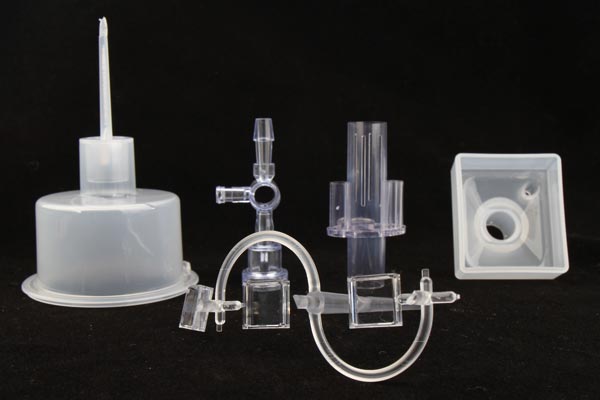
Cleanroom Production Environment and Process Monitoring
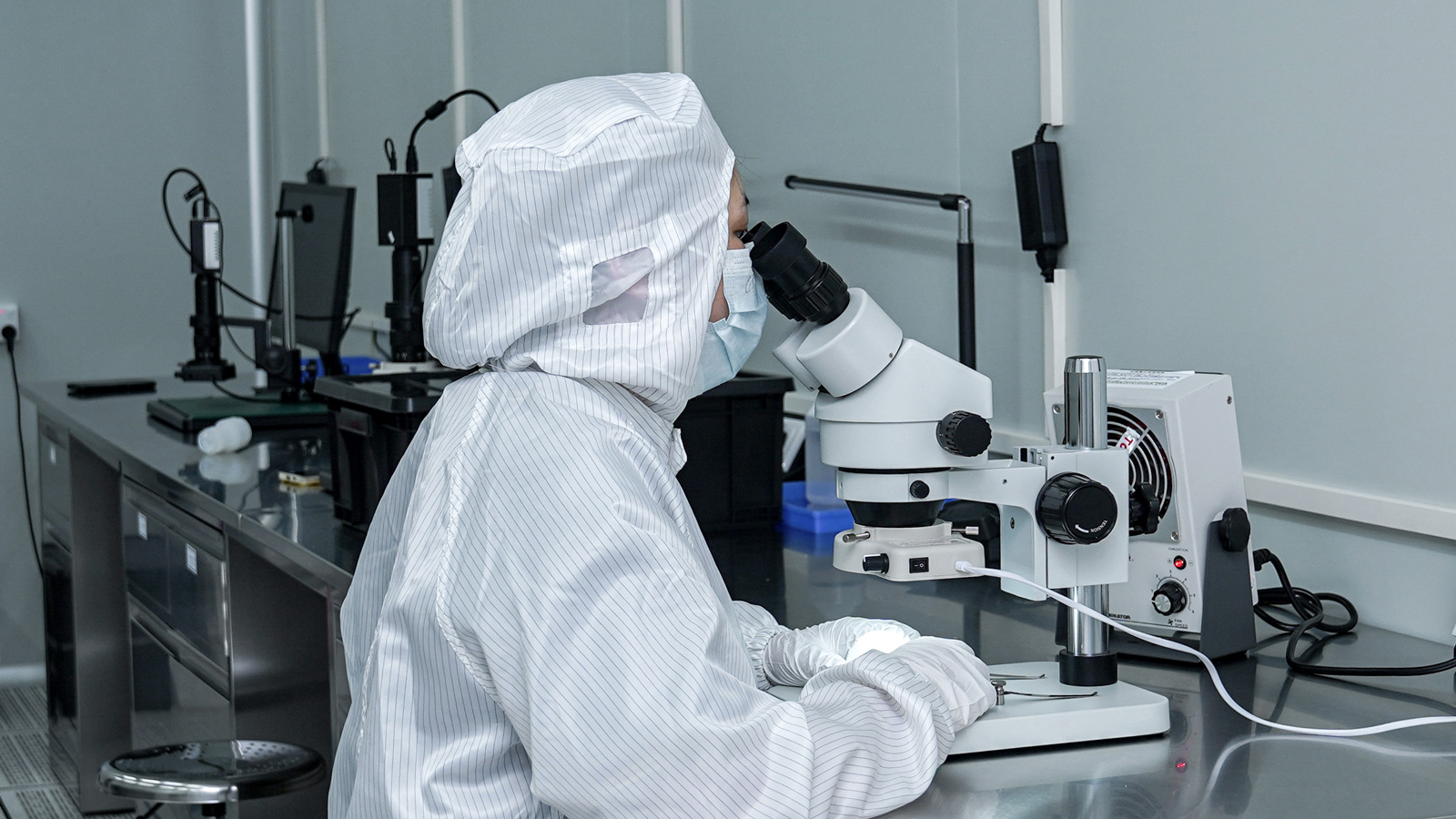
Production must occur in a cleanroom of ISO 7 (10,000-class) or higher; implantable products require processing under ISO 5 (100-class) laminar airflow hoods. In-cavity pressure monitoring serves as a critical process parameter, generating a “quality fingerprint” to predict dimensional deviation, surface defects, and weight variation, enabling zero-defect manufacturing. Each batch of raw material, mold version, and process parameter must be fully traceable to meet ISO 13485 and FDA 21 CFR Part 820 requirements.
Local Advantages in Dongguan, China
As a core hub for medical injection molding in China, Dongguan-based manufacturers widely utilize high-precision equipment from Japanese Sodick and German BOY, integrated with local supply chain advantages to deliver end-to-end closed-loop management from mold design to sterilized finished products, providing globally compliant precision molding solutions for medical device providers worldwide.
FAQ
Q1: Why do medical injection-molded parts often exhibit sink marks or warpage?
A: This primarily results from uneven cooling shrinkage or insufficient packing pressure. Solutions include optimizing gate location, implementing conformal cooling channels, extending packing time, and ensuring thorough material drying.
Q2: How should one select suitable plastic materials for medical injection molding?
A: Prioritize medical-grade materials certified under ISO 10993 biocompatibility standards, such as PC, PEEK, and PPSU. Avoid ordinary plastics containing plasticizers or recycled content to ensure non-toxicity and non-allergenicity.
Q3: Does cleanroom classification directly affect injection molding precision?
A: Yes. Particle contamination can cause mold surface scratches and runner blockages, indirectly compromising dimensional stability. Environments above ISO 7 effectively control airborne particles ≥0.5 μm, preserving surface finish and assembly accuracy.
Q4: Why are all-electric injection molding machines more suitable for medical production?
A: Compared to hydraulic machines, all-electric models eliminate oil contamination risks, offer higher injection precision (±0.001 mm), faster response, lower energy consumption, and fully comply with GMP requirements for cleanliness and traceability.
Q5: What technical advantages do Dongguan-based medical injection molders possess?
A: Dongguan manufacturers commonly integrate high-precision CNC mold machining centers, closed-loop injection systems, and automated inspection equipment, enabling rapid prototyping, small-batch customization, and large-scale production, while maintaining familiarity with FDA and CE certification protocols.