




In the metalworking industry, whether CNC machining centers require dedicated temperature control measures is a core question that practitioners frequently raise. This article systematically elaborates on the specific environmental requirements of CNC machining centers from four dimensions: power supply, temperature, vibration, and external environment, providing professional references for workshop planning and equipment maintenance.
1. Power Supply Stability Requirements
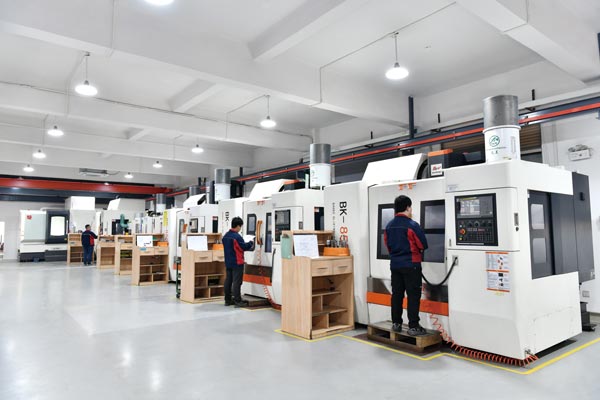
The power supply for CNC machining centers is typically configured within the production workshop. Especially during humid summers in southern regions, hot air currents alternate with airflow generated by equipment fans, and temperature fluctuations combined with flying metal chips significantly disrupt the working environment. Meanwhile, the coordinated operation of auxiliary equipment such as electric grinders, air compressors, and handheld grinders further intensifies power load fluctuations.
Therefore, CNC machining centers impose extremely high demands on power supply quality. Voltage fluctuations must be controlled within the range permitted by the equipment, and long-term stability must be maintained as much as possible. Unstable voltage will seriously affect the normal operation of the CNC system, accelerate the aging of internal components, and shorten the service life of critical parts. It is recommended that workshops be equipped with voltage stabilizers or independent power circuits to ensure the continuity and stability of power supply.
2. Operating Temperature Control Requirements
The normal operating temperature range for CNC machining centers is generally between 30°C and 80°C. The electrical control cabinets of machine tools are typically equipped with dedicated exhaust and heat dissipation devices to maintain the operating temperature within a controllable range. This prevents circuits from overheating due to prolonged operation, which would otherwise accelerate the oxidation of electronic components, shorten the lifespan of related components, and affect the overall operational stability of the equipment.
In addition, coolants, lubricants, and other liquids used during machining, along with inevitably flying metal powder and chips, can easily deposit and adhere to circuit boards, causing short circuits or poor contact faults. Therefore, maintaining cleanliness and proper heat dissipation in electrical cabinets is a critical factor in ensuring stable equipment operation.
3. Vibration Control and External Interference Avoidance
Vibration is a significant external factor affecting CNC machining accuracy. Workshops should be kept away from strong vibration sources such as large stamping equipment and forging equipment to prevent sustained vibration from degrading machine tool positioning accuracy and compromising structural reliability.
At the same time, equipment placement should avoid direct sunlight. Prolonged ultraviolet exposure accelerates the aging of plastic parts and seals. Workshop sites should prioritize well-ventilated, dry areas, kept away from high-humidity environments, to prevent oxidation and corrosion of metal components and extend the overall service life of the equipment.
FAQ
Q: Does a CNC machining center have specific requirements for workshop humidity?
A: It is recommended to maintain workshop relative humidity between 40% and 60%. Excessively high humidity accelerates oxidation of electrical components and corrosion of metal parts, while excessively low humidity easily generates static electricity that interferes with CNC system signals. Installing dehumidifiers or humidification equipment can effectively maintain appropriate humidity levels.
Q: How serious is the impact of voltage fluctuation on CNC equipment?
A: Voltage fluctuations exceeding plus or minus 10% of the rated value may cause the CNC system to alarm and shut down, or trigger servo driver abnormalities. Prolonged operation under such conditions will also shorten the lifespan of the spindle motor and control boards. It is recommended to install industrial-grade voltage stabilizers, with fluctuations controlled within plus or minus 5% being optimal.
Q: How can vibration sources be effectively isolated during workshop layout?
A: Place CNC machining centers in separate zones from stamping machines, forging presses, and other high-vibration equipment, with a spacing of no less than 5 meters. When necessary, install vibration-damping pads or independent foundations beneath the equipment to physically interrupt vibration transmission paths and ensure machining accuracy.