


Impact of Color Variation in Injection Molding
Color inconsistency in injection-molded parts leads to higher rejection rates, customer returns, and damage to brand reputation. Even minor shade differences can trigger full batch recalls, especially in automotive, medical, and consumer electronics markets. Production waste increases significantly when there’s color variation in injection molding.
Root Causes
Color variation stems from four key areas. First, raw material inconsistencies—such as batch-to-batch differences in resin or masterbatch, improper drying, or excessive recycled content—cause base color drift. Second, processing parameters like high injection speed, unstable back pressure, or barrel temperature exceeding thermal limits generate shear heat and material degradation. Third, mold-related issues including poor venting, surface contamination, or uneven cavity temperature disrupt melt flow and cooling uniformity. Fourth, environmental factors like workshop humidity swings or incomplete color change cleaning introduce hidden contamination.
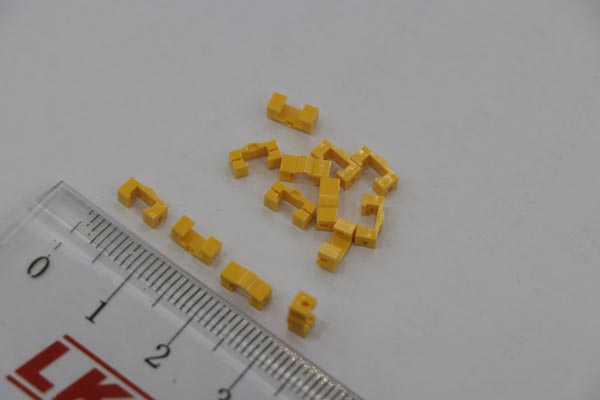
Effective Solutions for Color Variation in Injection Molding
Implement strict material control: verify masterbatch ΔE values below 1.5 and dry resins under fixed parameters. Optimize injection settings: reduce screw speed and back pressure to limit shear heat, use segmented injection profiles for thick-thin wall parts, and maintain stable holding pressure. Clean molds thoroughly before each run and avoid release agents near the gate. Use consistent colorant formulations and establish standardized color change procedures with purge cycles. Monitor mold temperature within ±3°C tolerance. Train operators to log parameter deviations and enforce batch traceability.
Frequently Asked Questions
Can I mix color masterbatches from different batches?
No. Even small ΔE differences above 1.5 cause visible variation. Always test new batches against approved standards.
How do I detect color differences accurately?
Use a spectrophotometer to measure ΔE values under D65 lighting. Visual inspection alone is unreliable.
Does changing the mold fix color issues?
Only if the mold has surface damage, poor venting, or temperature imbalance. Most color problems originate from material or process, not mold design.
Is using more colorant the solution?
No. Excess colorant can degrade polymer properties and increase cost. Focus on uniform dispersion and process stability instead.
How often should I clean the screw and barrel?
After every color change, and at least once weekly during continuous production. Use purging compounds compatible with your resin.