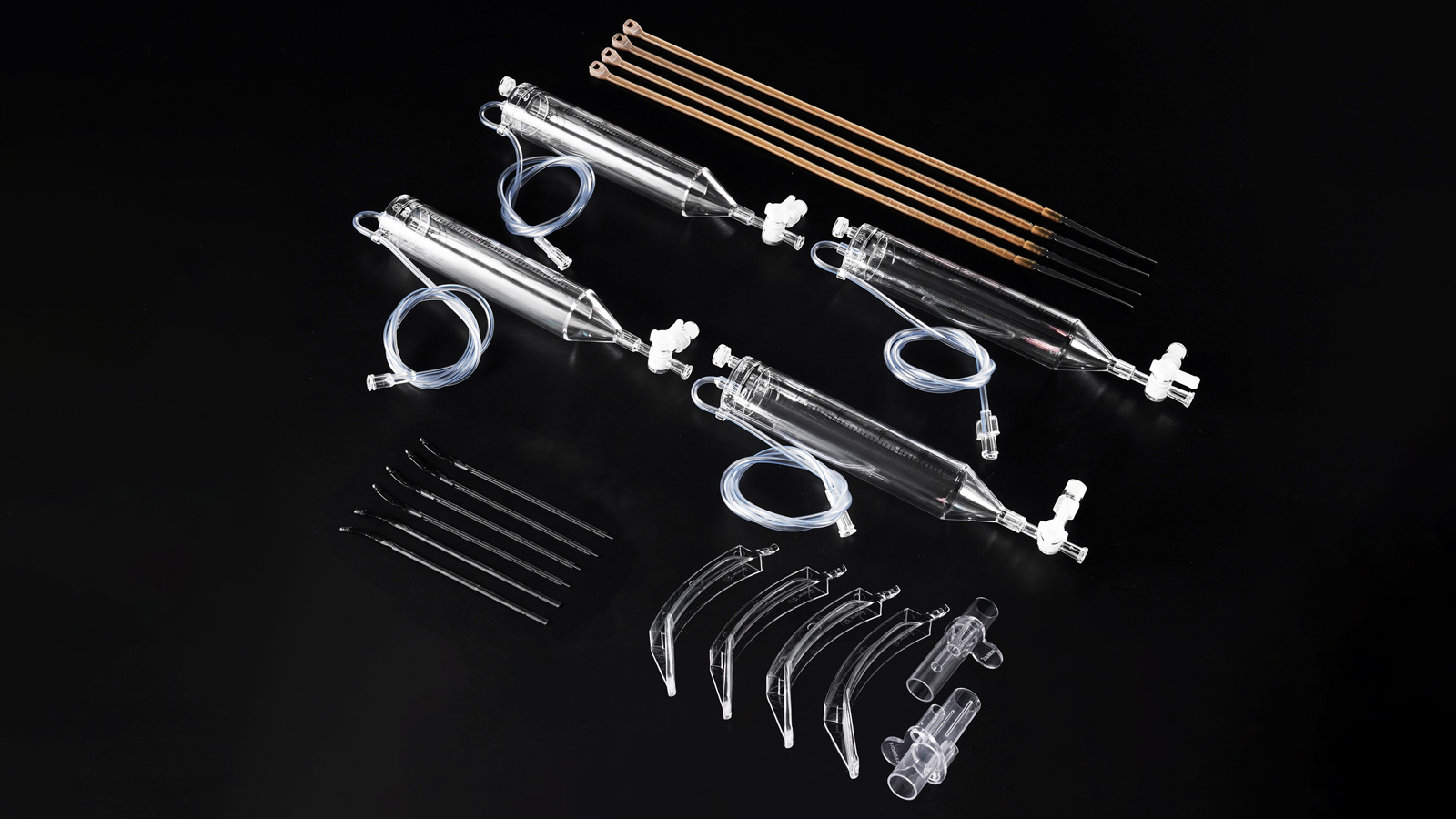
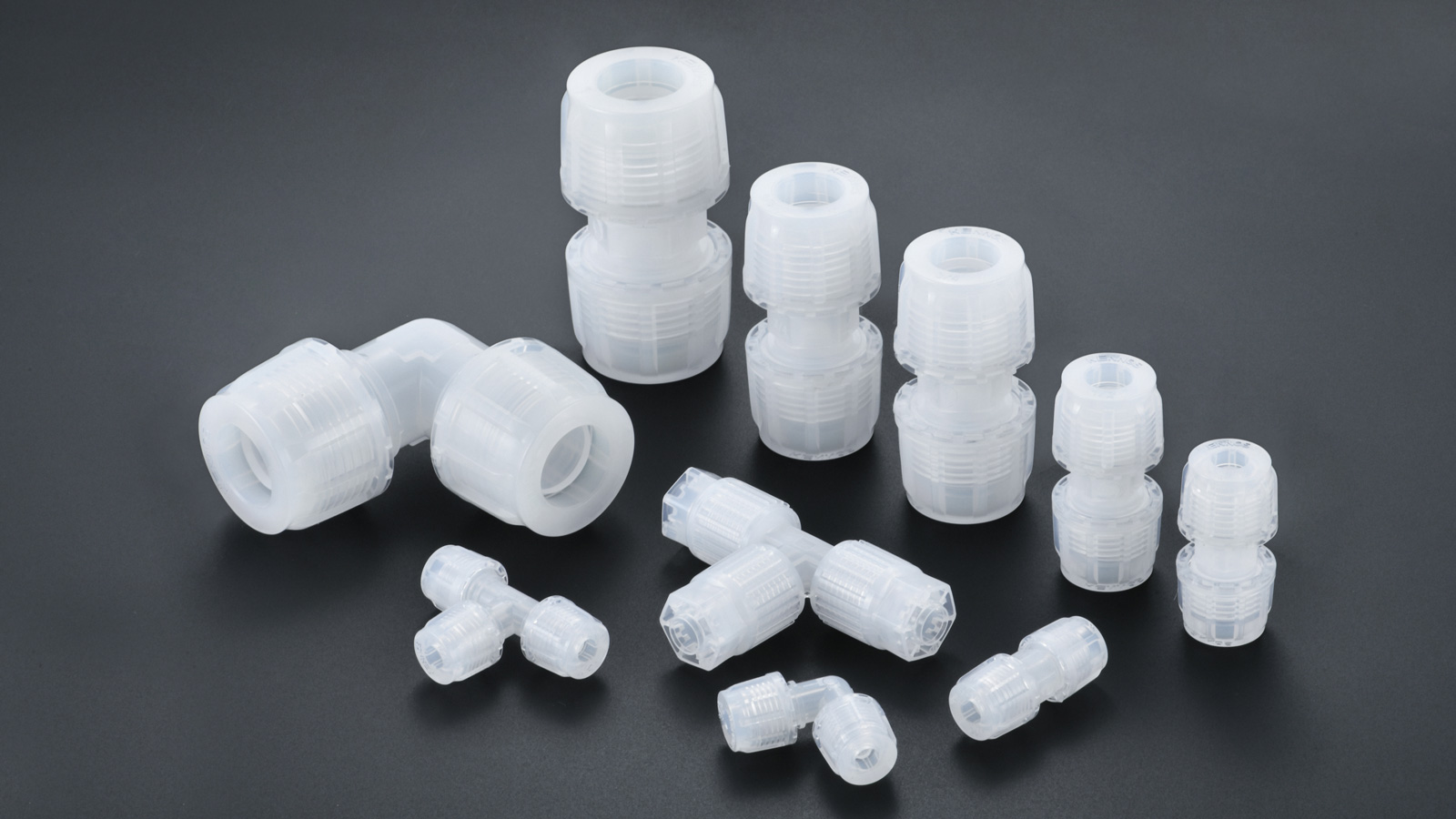
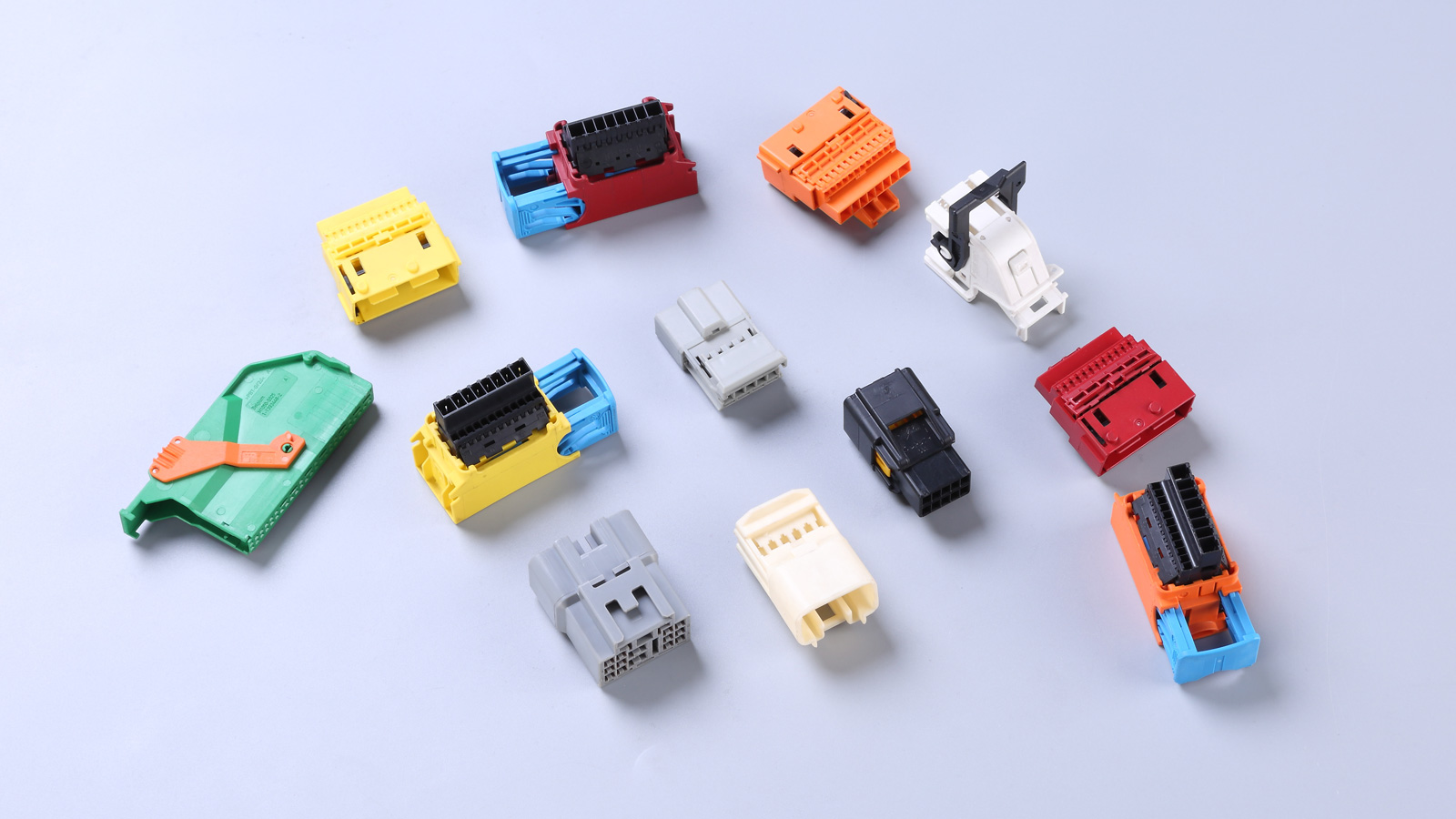
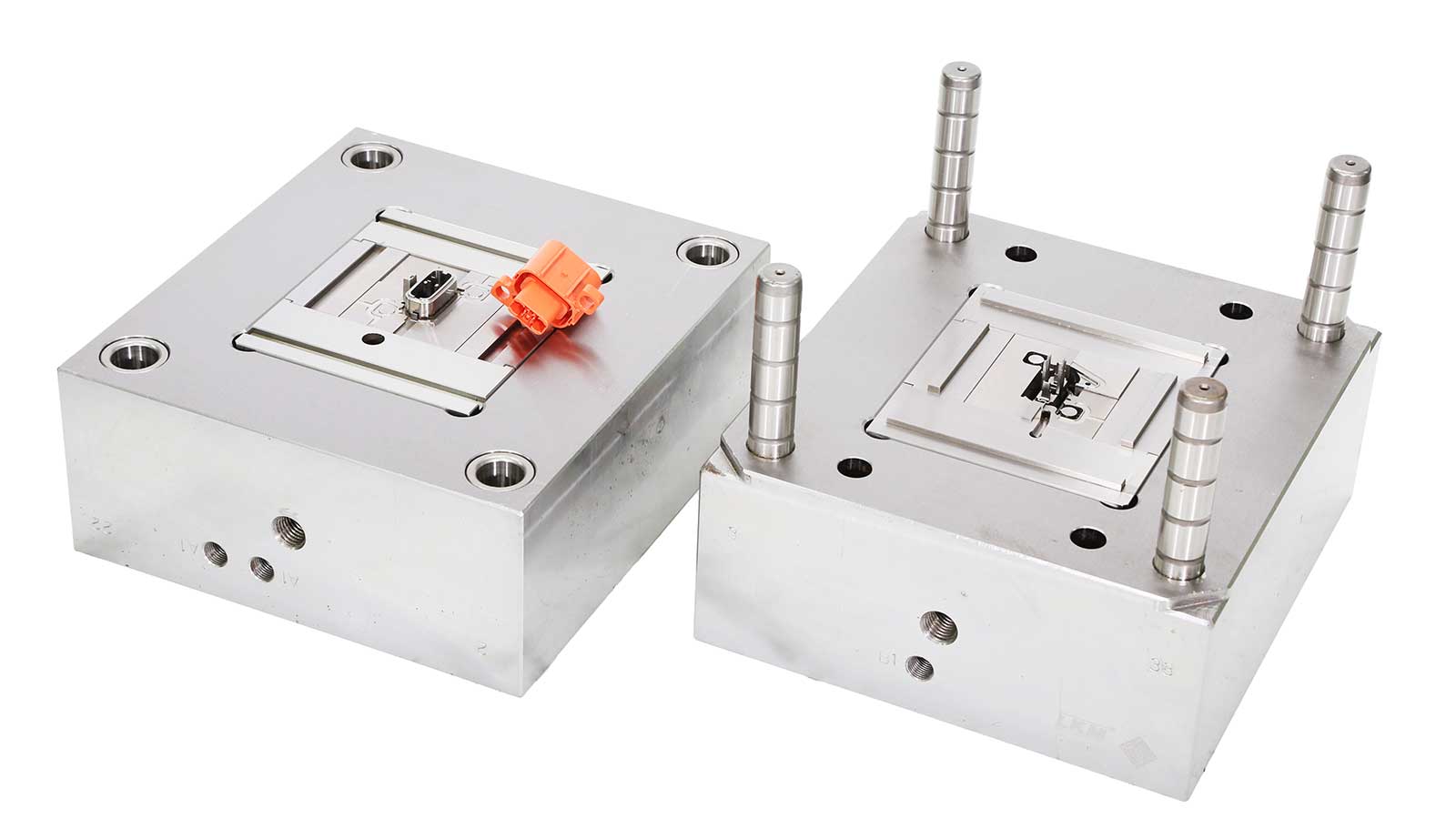
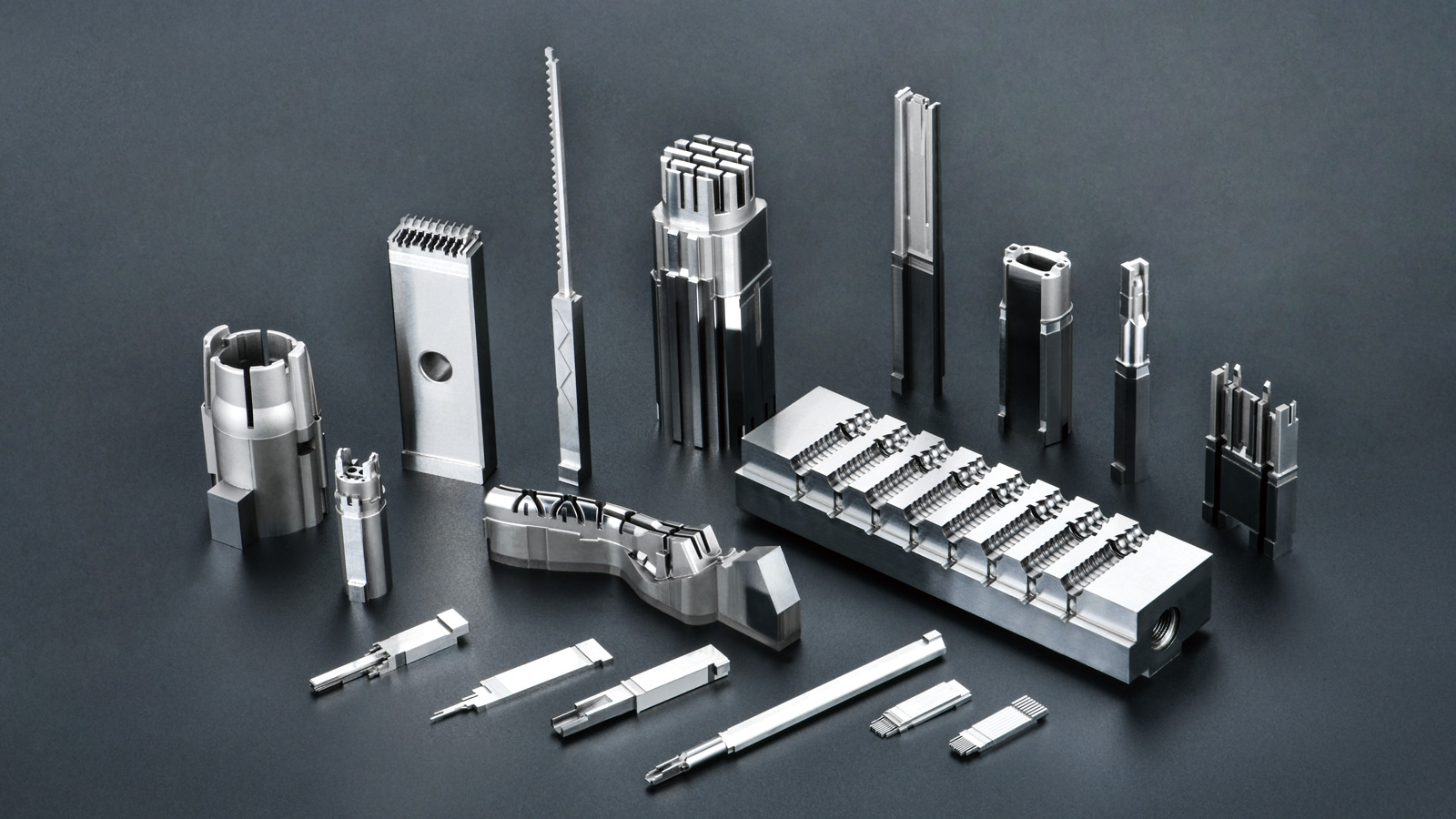
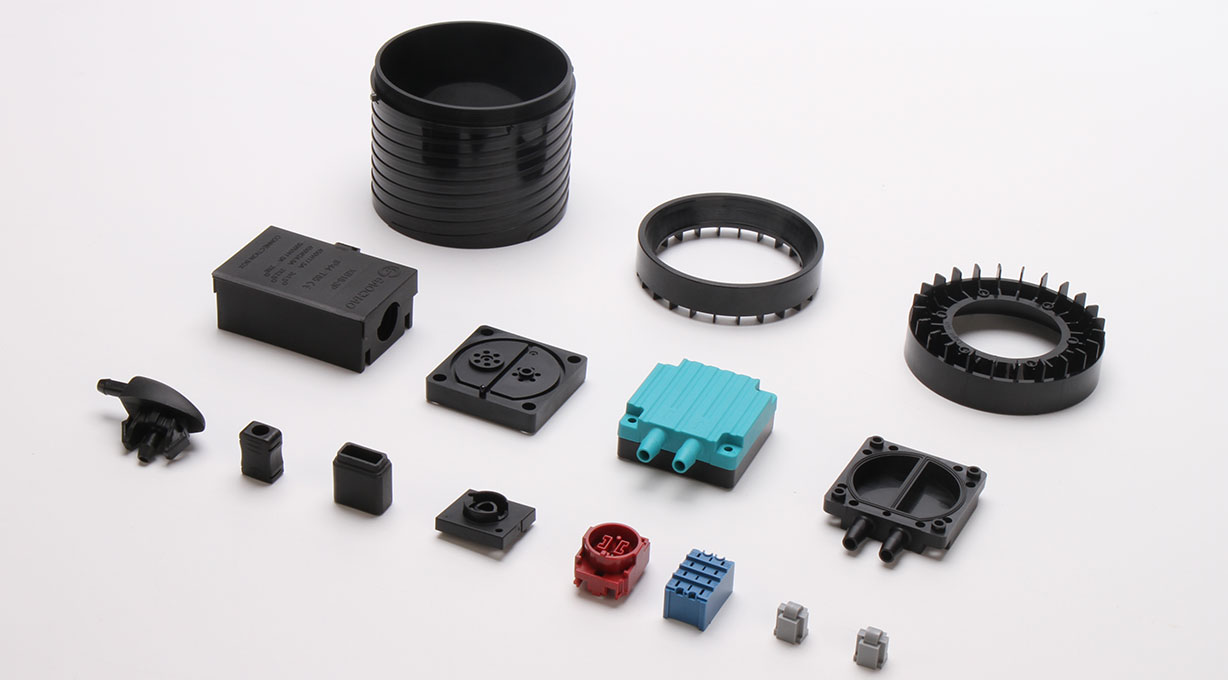

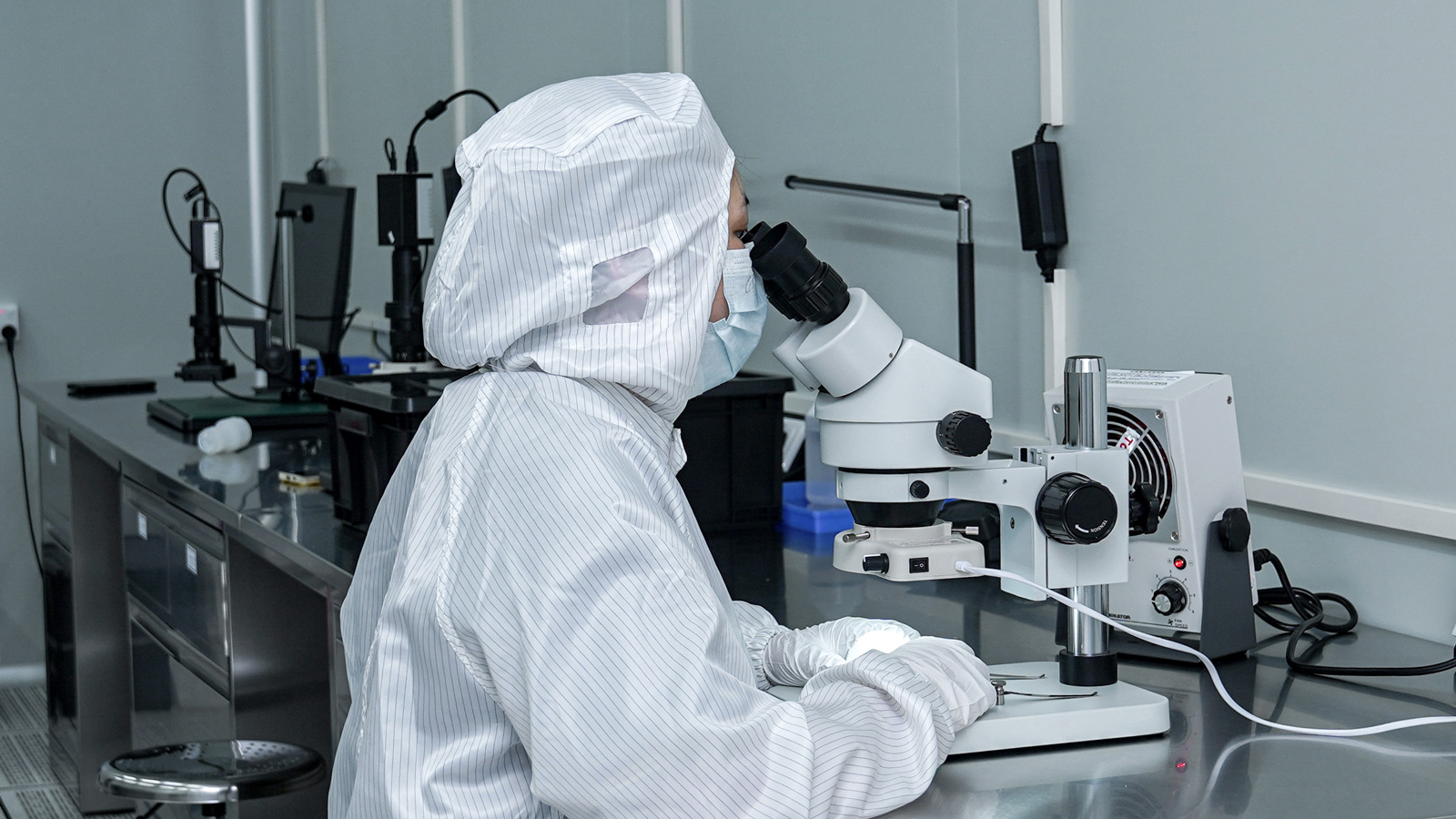



To achieve a high-gloss surface finish on PEEK injection molded components, manufacturers must optimize both processing parameters and post-molding treatments. The primary method involves precise control of mold temperature—maintaining it between 150°C and 220°C—to promote full crystallization and reduce internal stresses, which directly enhances surface smoothness. A melt temperature of 380–400°C ensures complete polymer flow without thermal degradation, while medium-to-high injection speeds and sufficient holding pressure (200–500 bar) minimize flow marks and sink marks. Post-molding, mechanical polishing using fine-grit abrasives (e.g., 1200–2000 grit) or chemical polishing with controlled solvent exposure can further refine surface reflectivity. For medical and semiconductor applications, where surface purity is critical, these processes are performed in ISO 13485-certified cleanrooms to prevent contamination. Consistent surface gloss is not merely an aesthetic outcome—it directly impacts wear resistance, cleanability, and optical performance in high-precision applications.
FAQ
Q: Can PEEK injection molded parts achieve mirror-like finishes without post-processing?
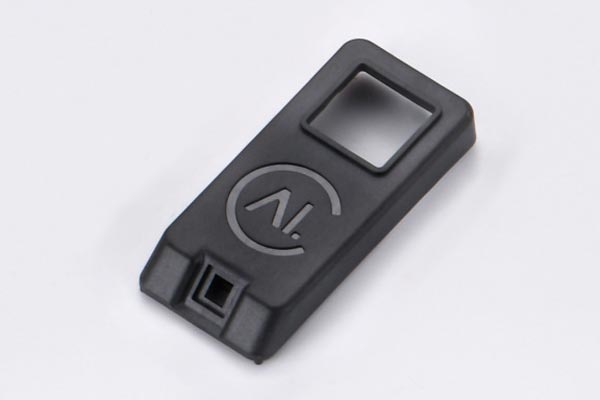
A: Yes, but only under optimized molding conditions—specifically, mold temperatures above 180°C, precise thermal control, and high-quality tooling with mirror-polished cavities. However, for critical applications, light polishing is recommended to ensure repeatability.
Q: Does adding fillers like carbon fiber or glass fiber affect surface gloss?
A: Yes. Reinforced grades typically exhibit a matte or textured finish due to filler exposure. For high-gloss requirements, unfilled or PTFE-modified PEEK grades are preferred.
Q: How does surface gloss impact performance in medical devices?
A: A smooth, glossy surface reduces bacterial adhesion, improves sterilization efficacy, and enhances optical clarity in endoscopic or implantable components, aligning with ISO 13485 and FDA cleanability standards.
Q: Is it possible to replicate the same gloss level across large production batches?
A: Absolutely. With calibrated molding machines, consistent material lot control, and automated process monitoring, manufacturers can maintain surface gloss within ±2% gloss unit variation across thousands of parts.