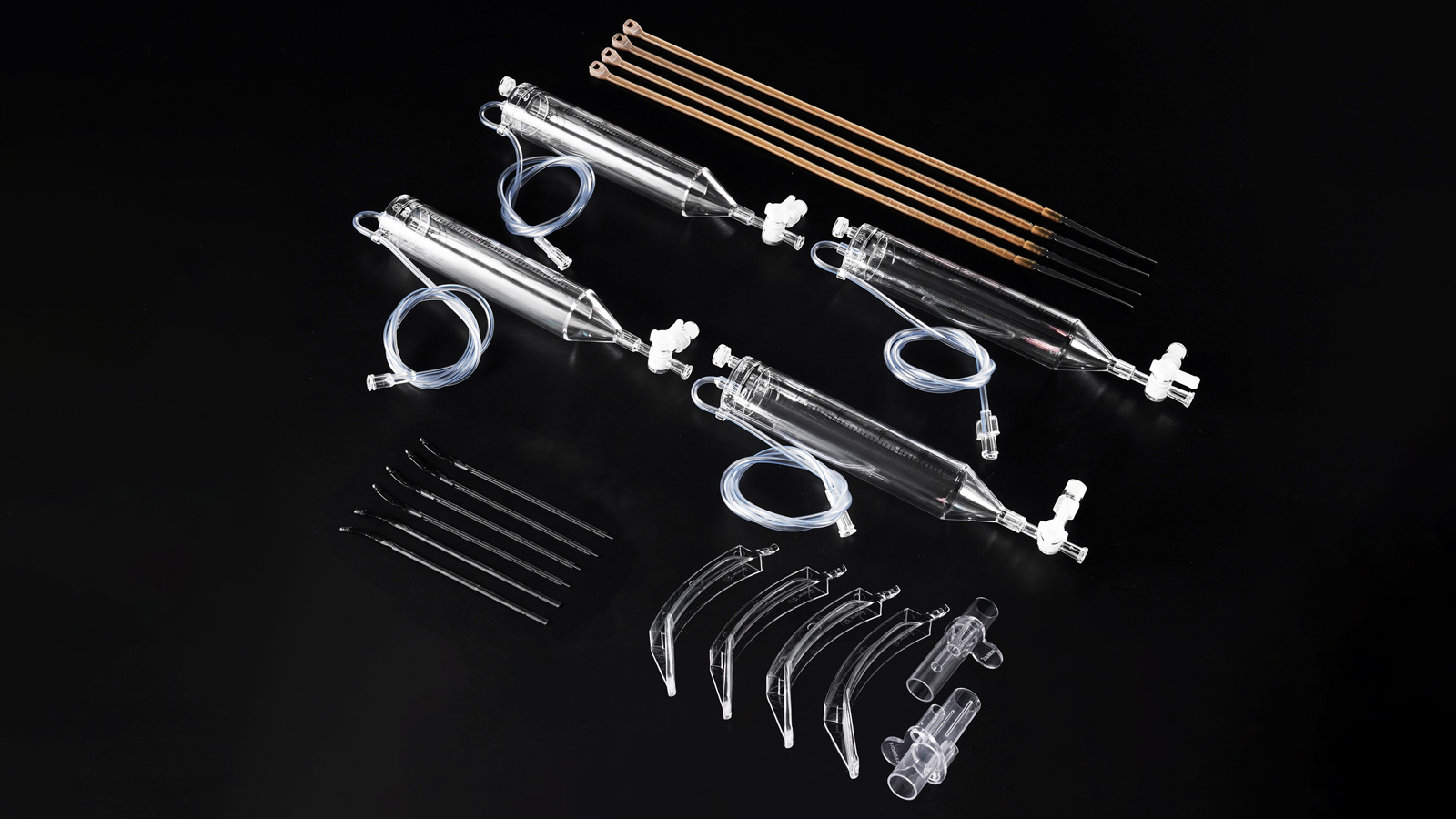
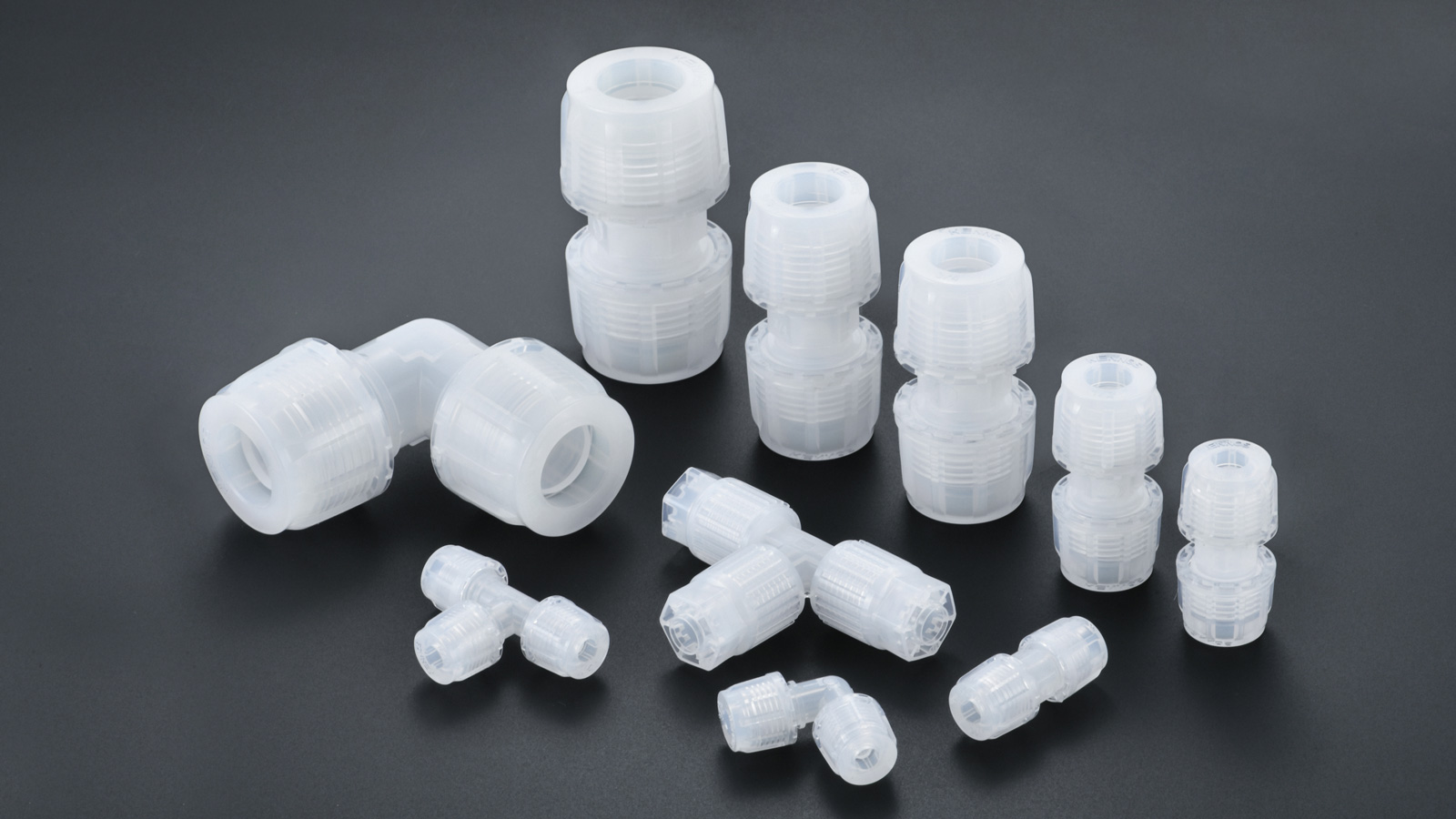
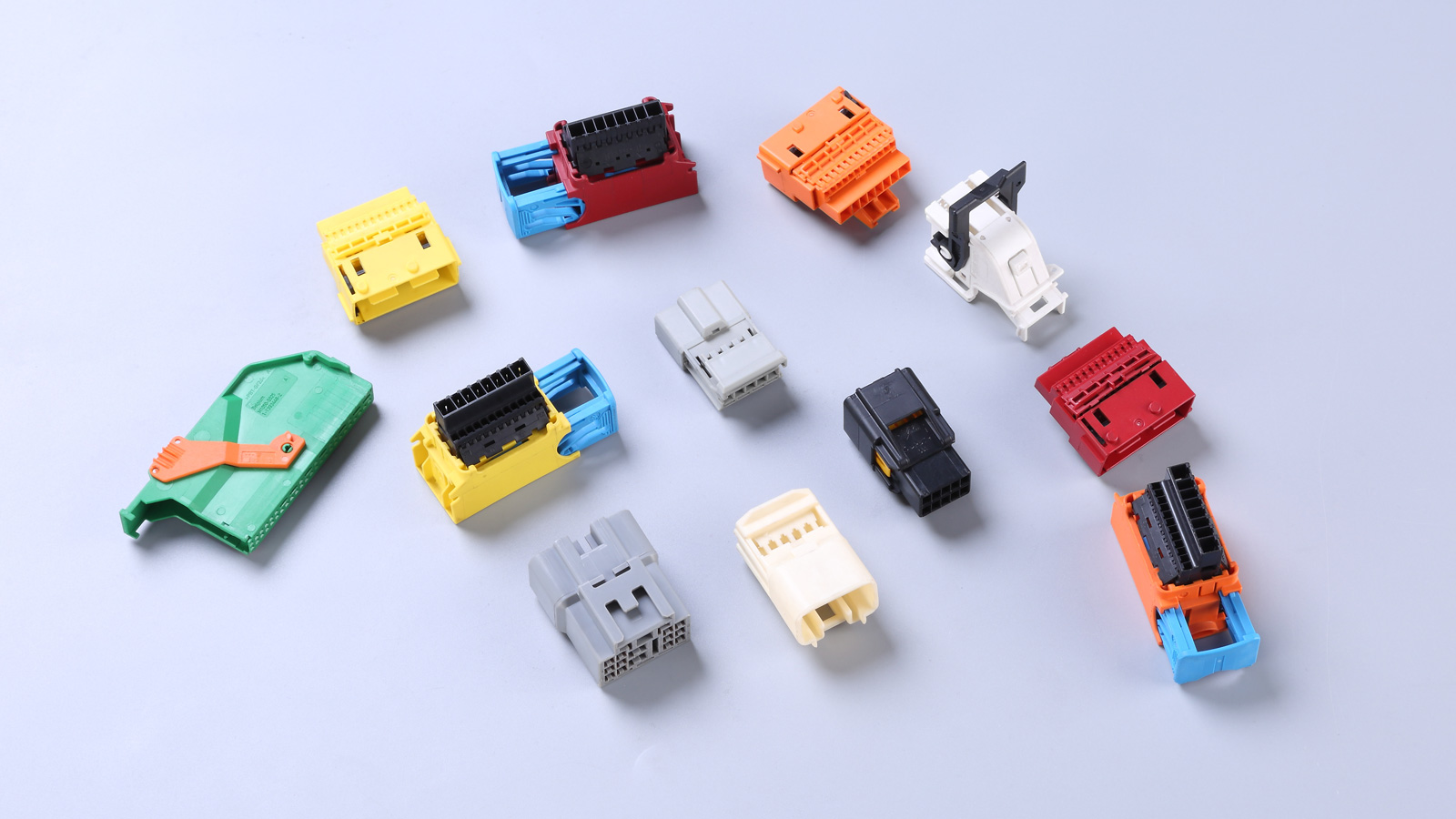
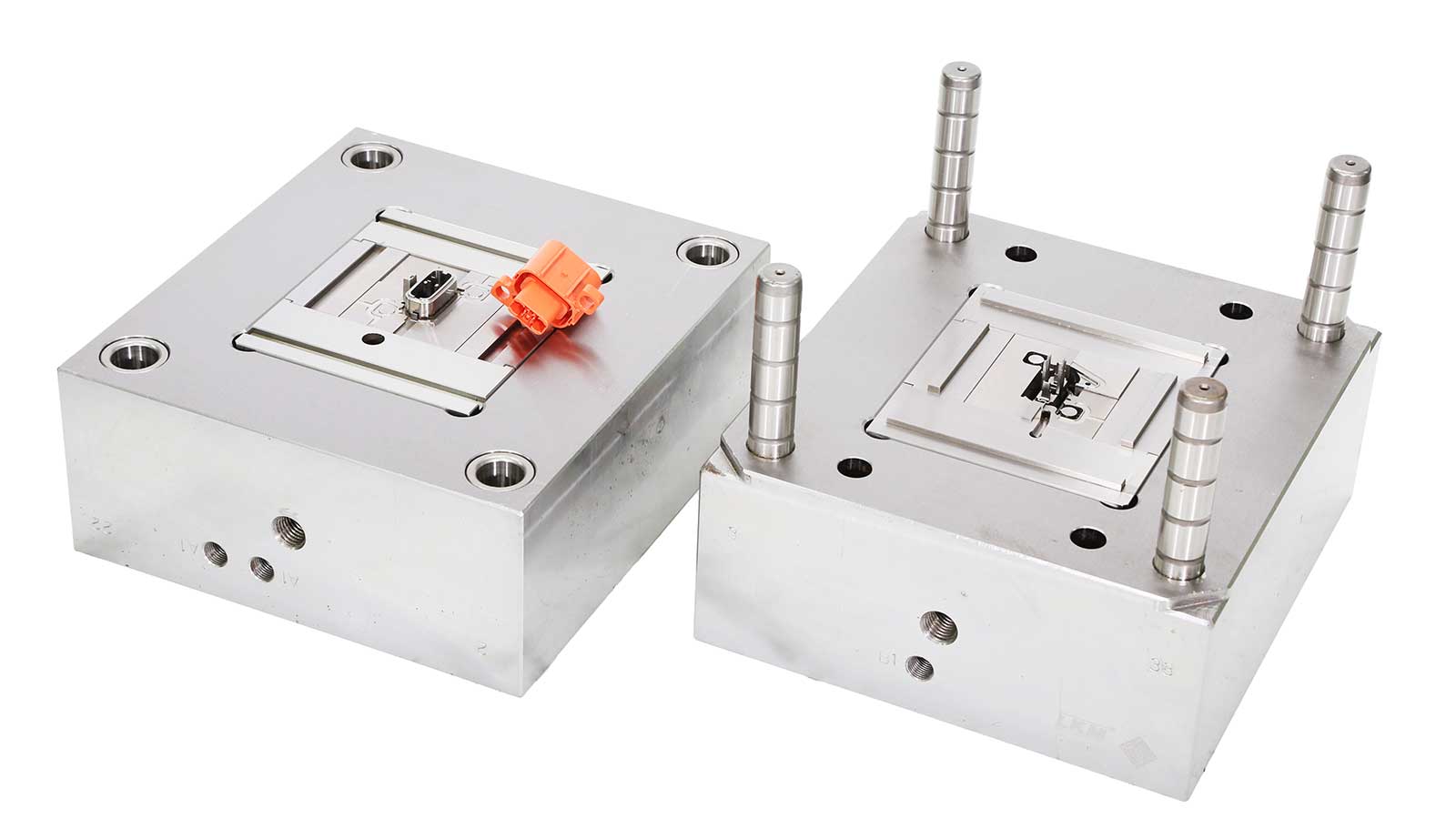
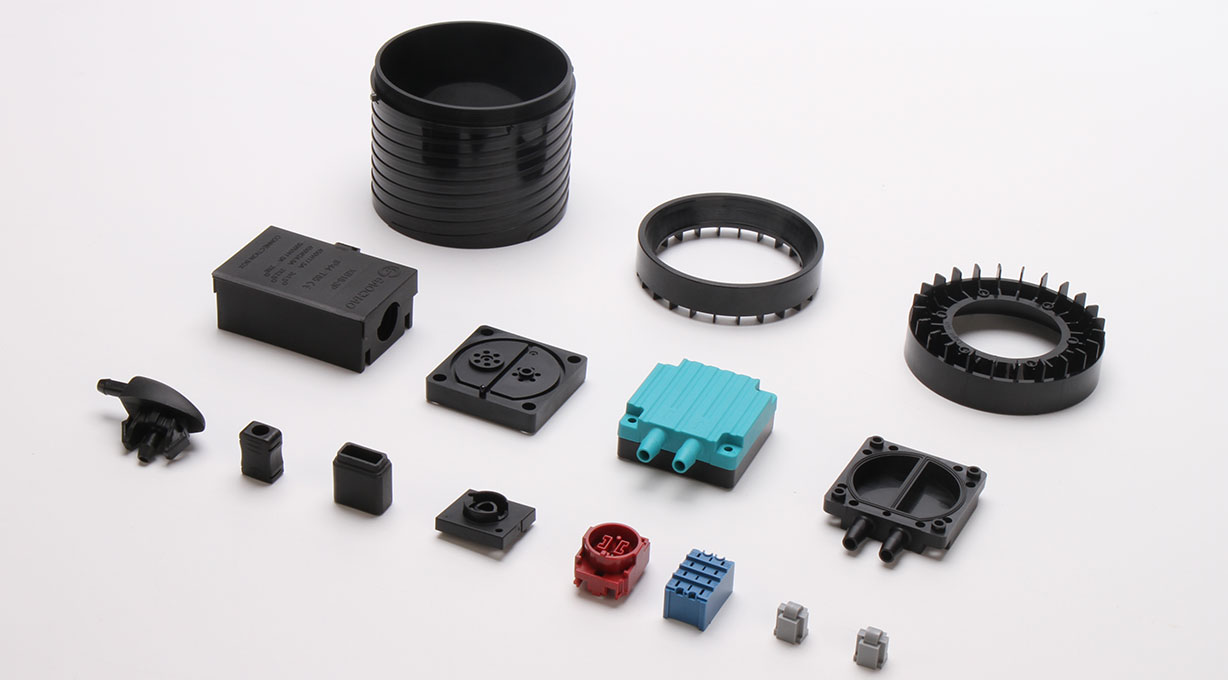


Injection molding for pharmaceutical packaging is a critical manufacturing process that ensures the safety, stability, and effective delivery of medications. Its production standards far exceed those of general plastic molding, requiring stringent control over materials, environment, precision, and regulatory compliance. As a major hub for mold manufacturing in China, Dongguan leverages a mature industrial ecosystem and high-clean manufacturing capabilities to serve as a key global supplier of pharmaceutical packaging injection molding services.
High-Clean Production Environment Is Foundational
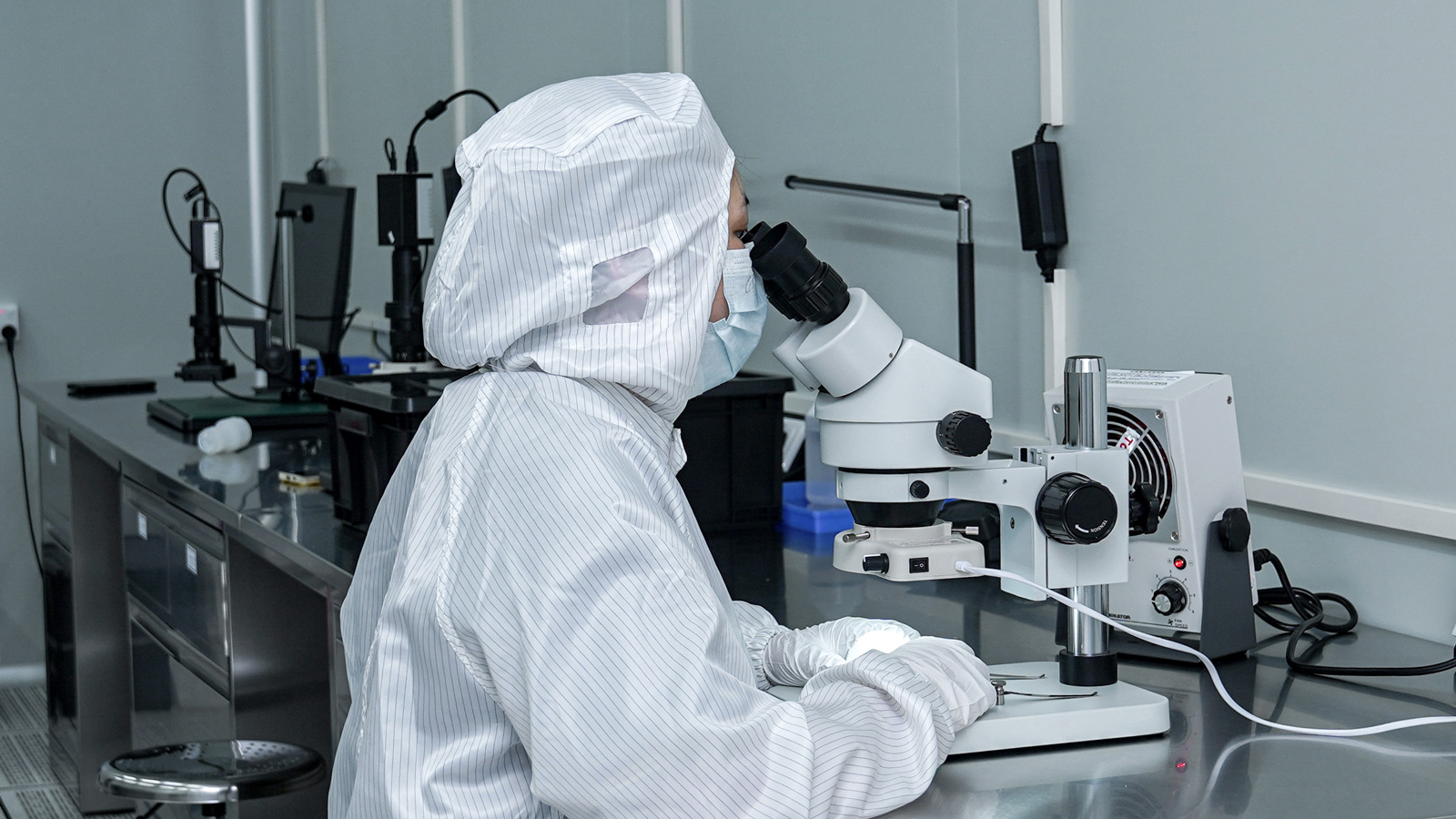
Pharmaceutical packaging components directly contact drugs or the human body, necessitating production in cleanrooms compliant with ISO 14644-1 Class 10,000 or Class 1,000 standards. All areas contacting raw materials, molds, or finished products must control both particulate and microbial contamination: air is filtered through HEPA systems, personnel wear cleanroom garments and pass through air showers, and equipment is regularly sanitized with alcohol and UV light. Raw material delivery uses fully enclosed, negative-pressure centralized feeding systems to prevent dust and cross-contamination, ensuring products are particle-free, sterile, and non-leaching.
Precise Molding and Dimensional Stability Are Critical
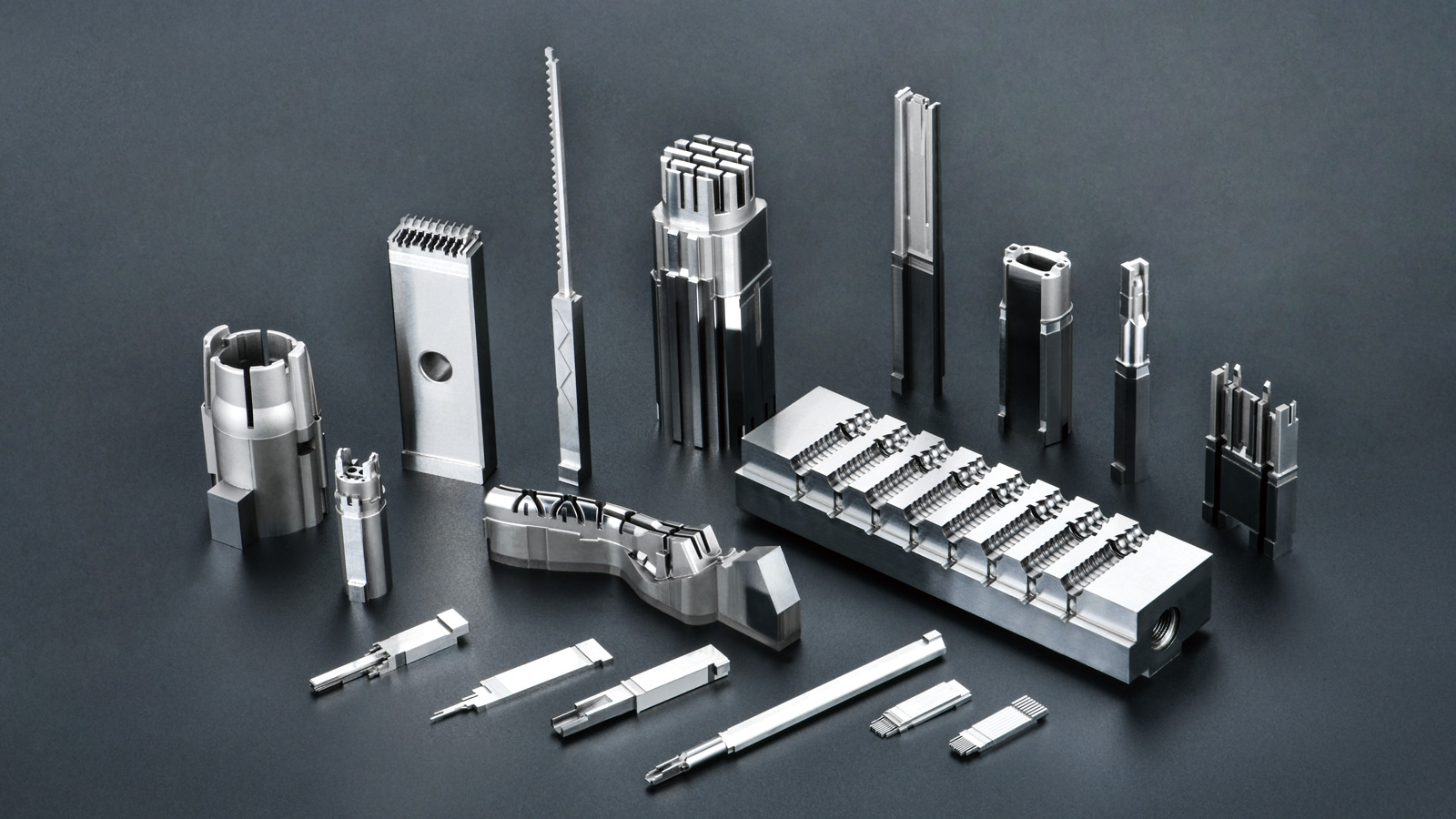
Components such as vial caps, syringe housings, and inhaler parts require dimensional tolerances as tight as ±0.01 mm and wall thickness variations under 0.3 mm. High-precision molds (machined to IT6 grade) and intelligent injection machines are employed, with mold flow analysis optimizing gate design and cooling channels to eliminate sink marks and warpage. Crystalline materials (e.g., PP, PE) demand precise mold temperature control (60–80°C) to stabilize crystallinity, while amorphous materials (e.g., PC) require stress relief to prevent cracking after sterilization.
Materials Must Meet Medical-Grade Biocompatibility Standards
Only medical-grade plastics certified under USP Class VI and ISO 10993 biocompatibility standards are permitted, including polypropylene (PP), polyethylene (PE), polycarbonate (PC), and specialty engineering resins (e.g., PPSU, PFA). Recycled materials are strictly prohibited; each batch must be accompanied by material certification and thermal stability reports (DSC/HPLC) to ensure absence of degradation byproducts (e.g., bisphenol A, aldehydes), and to withstand sterilization methods such as autoclaving (121°C) or ethylene oxide.
End-to-End Quality Traceability and Regulatory Compliance Are Mandatory
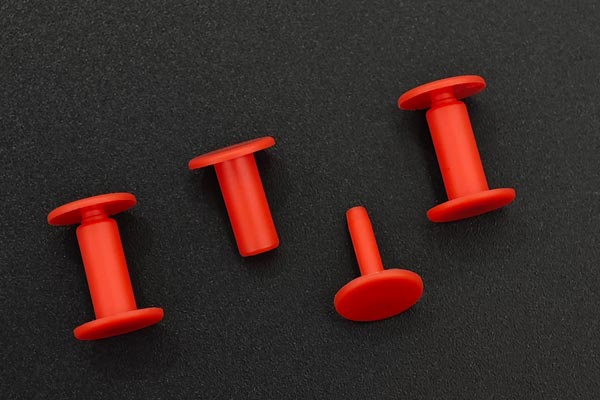
Manufacturers must implement a quality management system compliant with ISO 13485 and GMP, enabling full traceability from raw material receipt through process parameter locking, in-line inspection, to final shipment. Each mold is assigned a dedicated SOP; critical parameters (temperature, pressure, hold time) are system-locked and cannot be manually altered. Final inspection employs automated vision systems and precision measuring instruments to ensure compliance with regulatory requirements from FDA, NMPA, and other global authorities.
Dongguan’s Local Manufacturing Advantages Are Significant
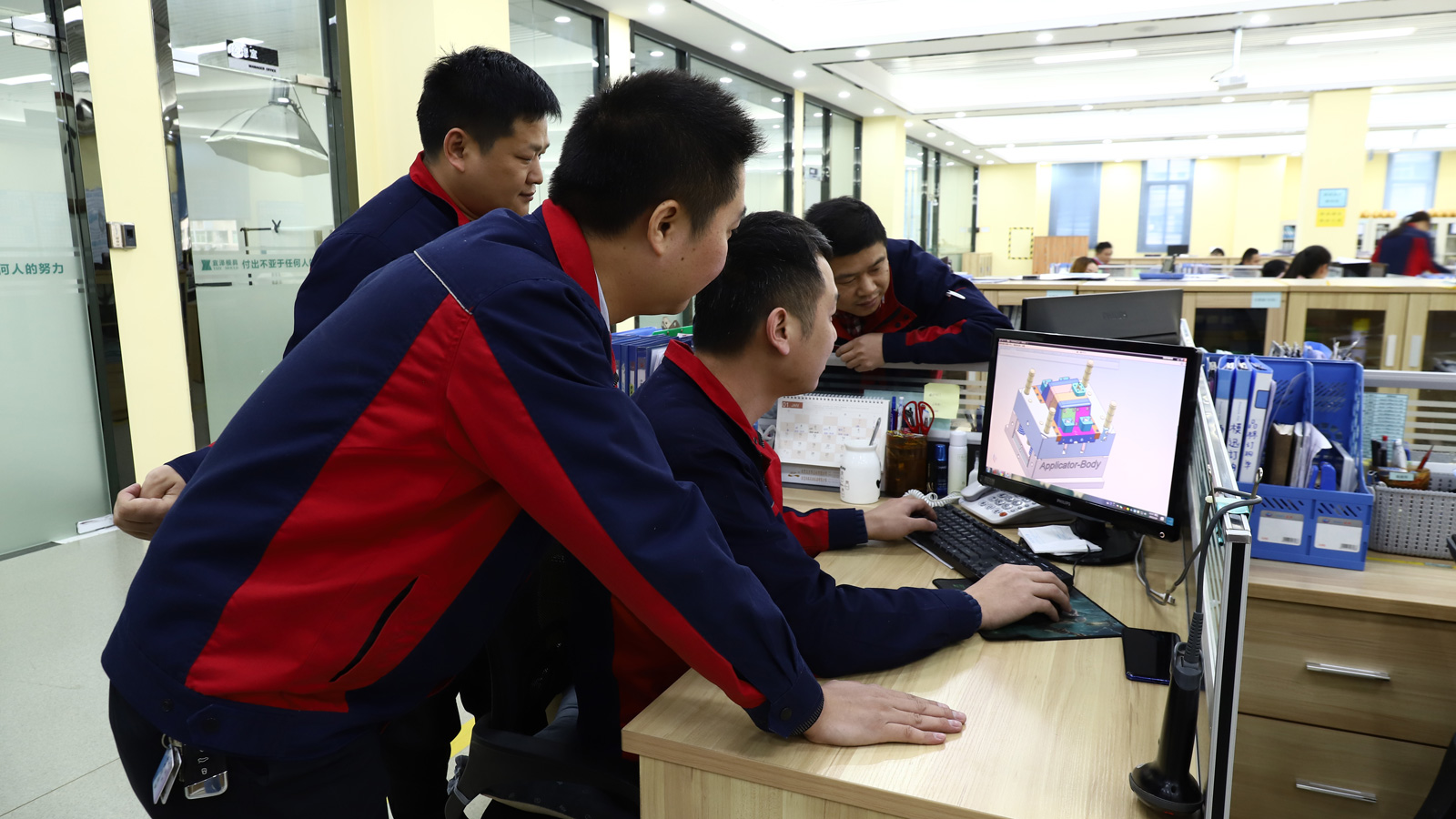
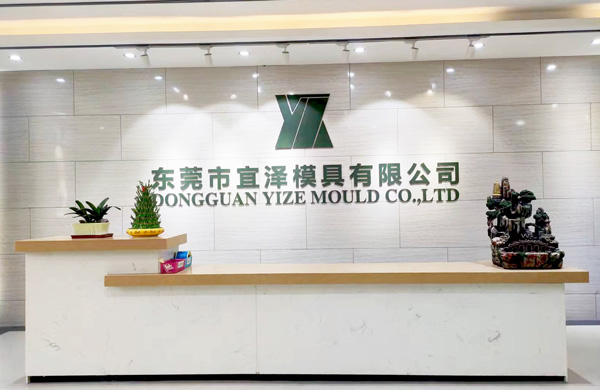
Dongguan Yize Mould Co., Ltd. (Yize Mould), a professional manufacturer with nearly two decades of experience in medical mold development, operates a Class 1,000 cleanroom injection molding facility certified under ISO 13485. The company delivers integrated solutions spanning mold design, precision injection molding, and cleanroom assembly for global clients. Leveraging Dongguan’s status as “China’s Mold Capital,” Yize Mould enables rapid response to customer needs, accelerated development cycles, and reduced logistics costs, establishing itself as a trusted partner for pharmaceutical packaging injection molding across the Asia-Pacific region.
FAQ
Q1: What is the minimum wall thickness achievable for pharmaceutical injection-molded parts?
A: With high-flow medical-grade materials such as PC HF1110, minimum wall thicknesses of 0.3 mm are achievable for precision applications like pre-filled syringe plungers and inhaler micro-channels, requiring high-precision molds and multi-stage holding pressure to ensure complete filling.
Q2: How is ethylene oxide (EO) residue prevented after sterilization?
A: EO residue is minimized by controlling barrel temperature (below 280°C), optimizing cooling rates to reduce internal stress, and implementing post-molding vacuum aging to reduce material porosity. Final products are tested per ISO 10993-7 to ensure EO residuals remain below 5 μg/g.
Q3: Does your company provide documentation for FDA or CE registration?
A: Yes. We provide comprehensive documentation including material biocompatibility reports, process validation files (IQ/OQ/PQ), cleanroom certification reports, and quality system certificates to support FDA 510(k), CE MDR, and other regulatory submissions.
Q4: What is the typical lead time for small-batch prototyping?
A: From mold confirmation to first-article delivery, the standard lead time is 25–35 days. If standardized mold structures or existing similar molds are utilized, delivery can be accelerated to within 18 days, supporting urgent clinical trial and market testing needs.
Q5: How are thread defects such as burrs or dimensional deviations prevented in vial caps?
A: Corrosion-resistant mold steel (e.g., S136H) with mirror polishing, combined with hot runner systems for balanced filling and low-temperature annealing prior to ejection, ensures dimensional accuracy. Threads are machined via precision EDM with tolerances held at ±0.005 mm to guarantee seal integrity with vial necks.