


When commissioning a new mold, even after rigorous factory testing, subtle operational variables may still impact performance and longevity. Yize Mould, a precision mold supplier based in Dongguan, China, recommends the following critical pre-operation checks to ensure optimal functionality, safety, and tool life.
1. Secure Fasteners and Actuation Components
Verify that all mold clamping screws, ejector pins, and striker bolts are properly torqued and free of loosening. Loose fasteners can lead to misalignment, part defects, or catastrophic tool failure during high-cycle operation. Use a calibrated torque wrench per manufacturer specifications.
2. Lubricate Guiding and Alignment Elements
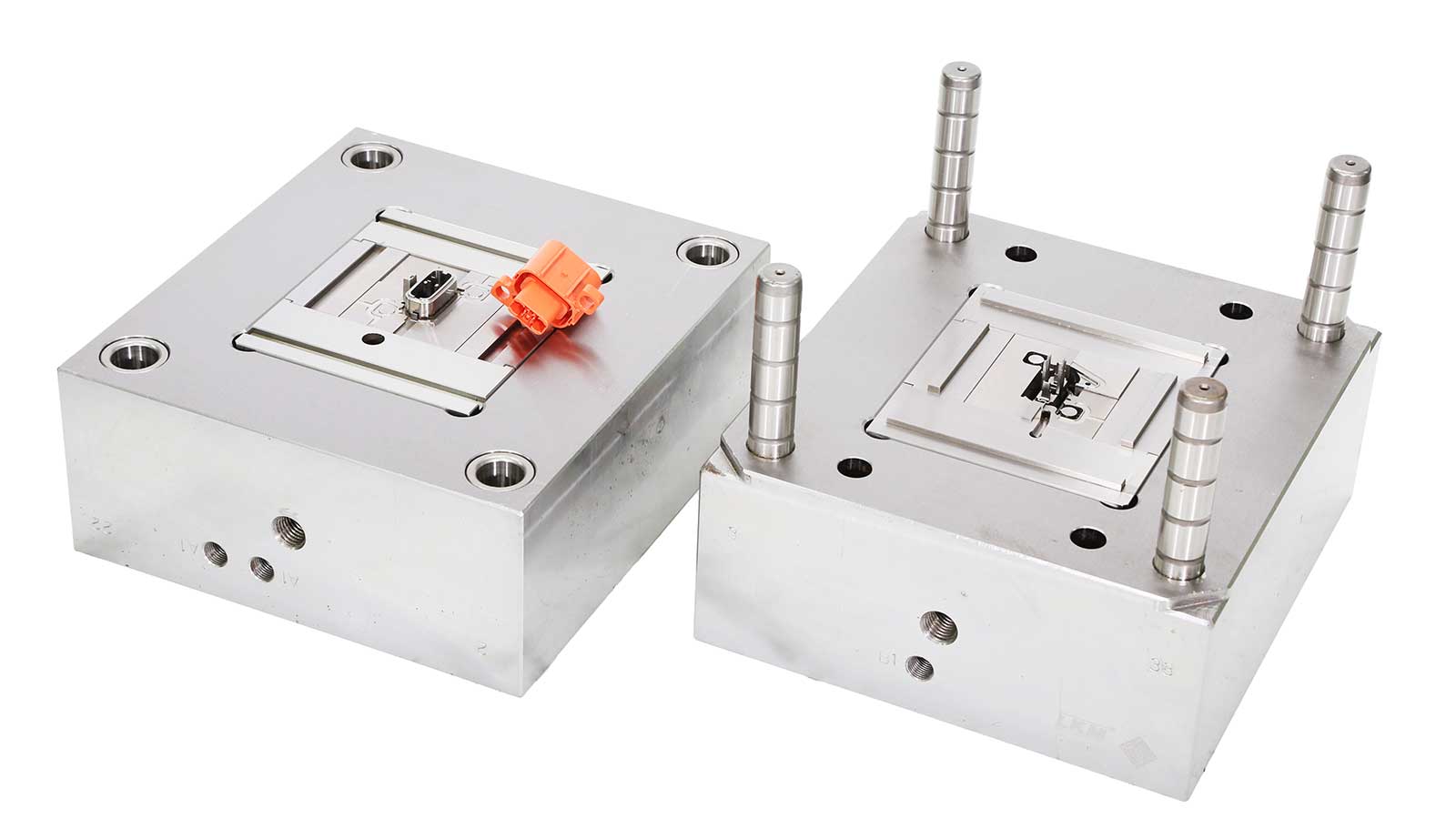
Inspect locating pins and guide pillars for cleanliness and adequate lubrication. Apply high-viscosity lubricant, such as ISO VG 50 mechanical oil, to all sliding interfaces. Reapply lubrication every two hours during initial operation to minimize wear and prevent seizure. Avoid contamination from metal shavings or debris.
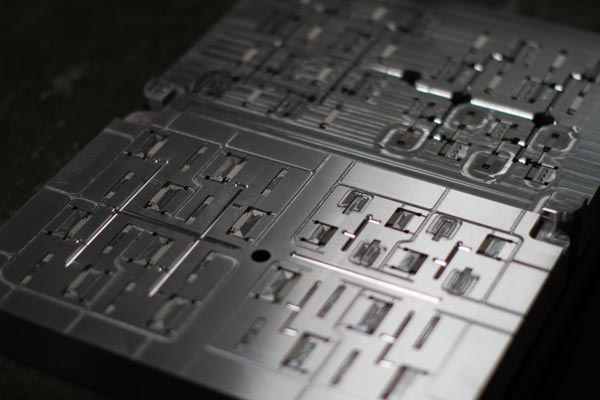
3. Ensure Flatness and Cleanliness of Mold Base Surfaces
The upper and lower platen surfaces of the mold must be free of burrs, scale, or foreign material. Any irregularity can compromise parallelism, leading to uneven clamping force, flash formation, or damage to the press platens. Clean with lint-free cloths and inspect under magnification if necessary.
4. Inspect the Sprue Bushing and Nozzle Interface
Examine the sprue bushing for micro-cracks or deformation caused by improper installation or misalignment with the injection unit. A gap between the bushing and nozzle can cause melt leakage, pressure loss, or thermal stress fractures. Replace any damaged bushing immediately—continued use risks complete mold failure.
5. Find a good precision mold supplier
A good mold supplier like Dongguan Yize Mould can let you achieve more with less.
Frequently Asked Questions (FAQ)
Q: How often should I lubricate the guide pins during initial mold operation?
A: Lubricate every two hours during the first 24 hours of operation, then transition to a daily schedule once stable performance is confirmed.
Q: What signs indicate a sprue bushing needs replacement?
A: Look for visible cracks, discoloration from overheating, or melt leakage around the nozzle interface. A rough or pitted surface also indicates wear beyond acceptable limits.
Q: Can I use automatic lubrication systems instead of manual application?
A: Yes, automated systems are acceptable if calibrated to deliver the correct volume of ISO VG 50 oil at 2-hour intervals. Manual checks are still required weekly to verify system integrity.