
In the field of precision plastic injection mold processing, inserts are a critically important design element. An insert refers to an independent component embedded into the mold cavity or core, typically used to address complex structures, high-precision requirements, or special functional demands. A thorough understanding of insert material selection, structural design, and functional positioning plays a decisive role in enhancing mold quality and product performance.
1. Basic Definition and Material Selection of Inserts
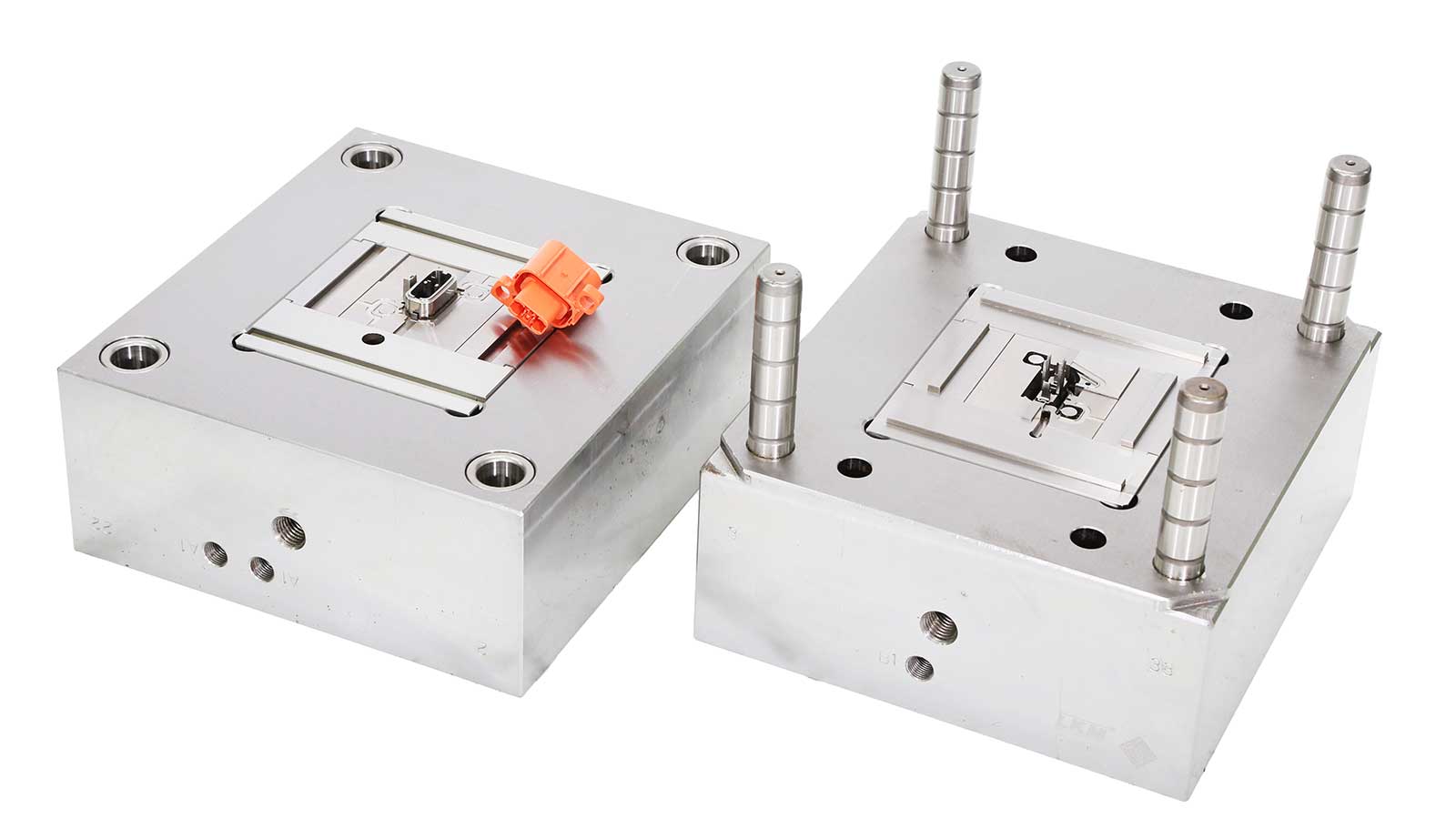
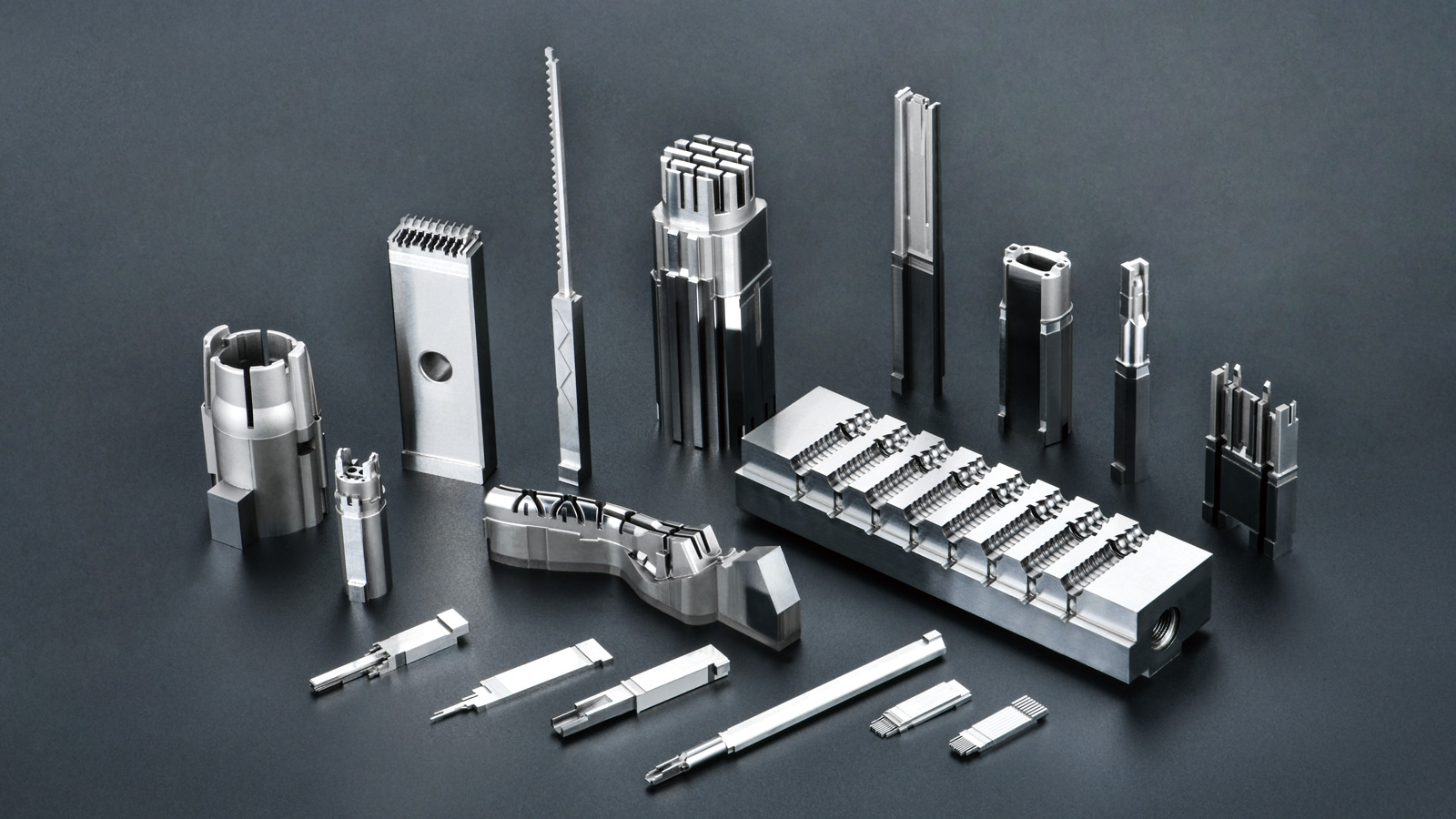
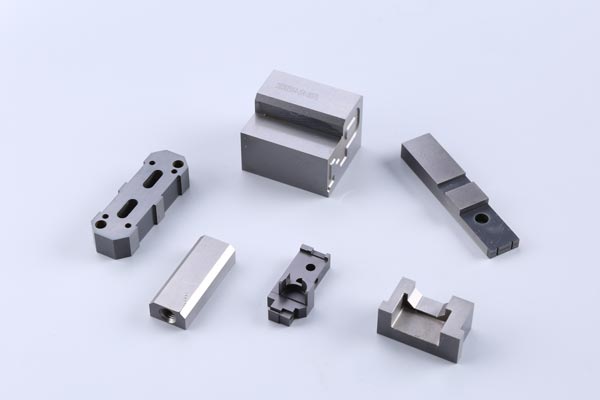
An insert is a non-standardized mold accessory embedded in a plastic injection mold, typically featuring an irregular geometric structure to suit the functional requirements of specific mold areas.
Regarding material selection, inserts are generally made from copper due to its excellent thermal conductivity and machinability, which effectively improves heat dissipation efficiency in localized mold areas. At the same time, depending on product functional requirements, inserts can also be made from other metal materials such as beryllium copper alloy, stainless steel, or even high-strength engineering plastics to meet special requirements for wear resistance, corrosion resistance, or electrical insulation.
2. Key Structural Design Principles for Inserts
The design of inserts directly affects mold service life and product quality. The following four design principles must be strictly followed:
First, anti-rotation and anti-pullout design. The portion of the insert embedded in the plastic must be designed with reliable anti-rotation and anti-pullout structures. Common methods include knurling, positioning holes, sheet metal bending, flattening, and shoulder retention, ensuring the insert does not shift or rotate under high-pressure injection conditions.
Second, encapsulation thickness optimization. The plastic wall thickness around the insert should be appropriately increased to fully encapsulate the insert and distribute injection stress, effectively preventing cracking of the plastic part due to stress concentration.
Third, precision positioning design. When designing inserts, their positioning method within the mold must be fully considered, typically using positioning holes paired with locating pins to ensure the positional accuracy of the insert after assembly meets product tolerance requirements.
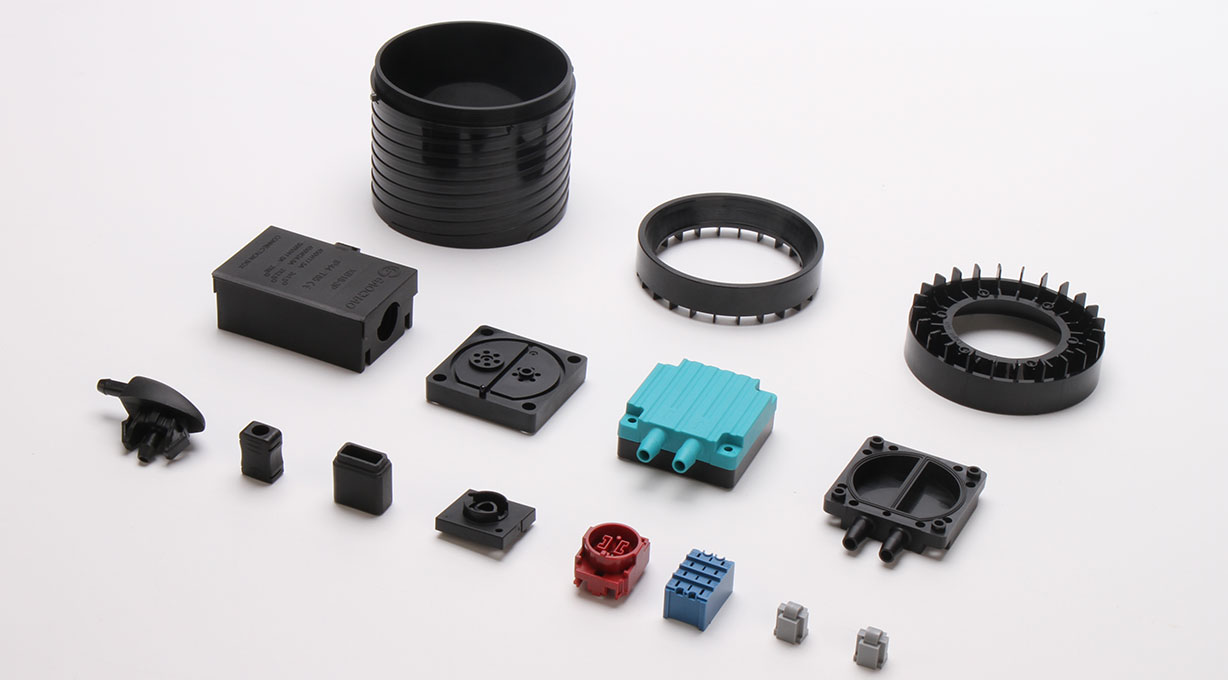
Fourth, threaded hole formation function. By embedding inserts, small-diameter external threaded holes can be directly molded into plastic parts, solving the problem of insufficient thread strength in plastic materials and significantly improving the reliability of connection points.
Plastic Mold Inserts
3. Core Functions of Inserts in Molds
Inserts serve multiple critical functions in plastic injection mold processing. Their primary role is to fill the specific space between the fixed template and the moving template, making the mold structure more compact and rational. In addition, the embedding of inserts can significantly enhance the compressive strength, structural strength, and dimensional accuracy of localized product areas. Inserts are an irreplaceable solution, especially in application scenarios requiring metal threads, conductive contact points, or wear-resistant surfaces.
4. Professional Service Support
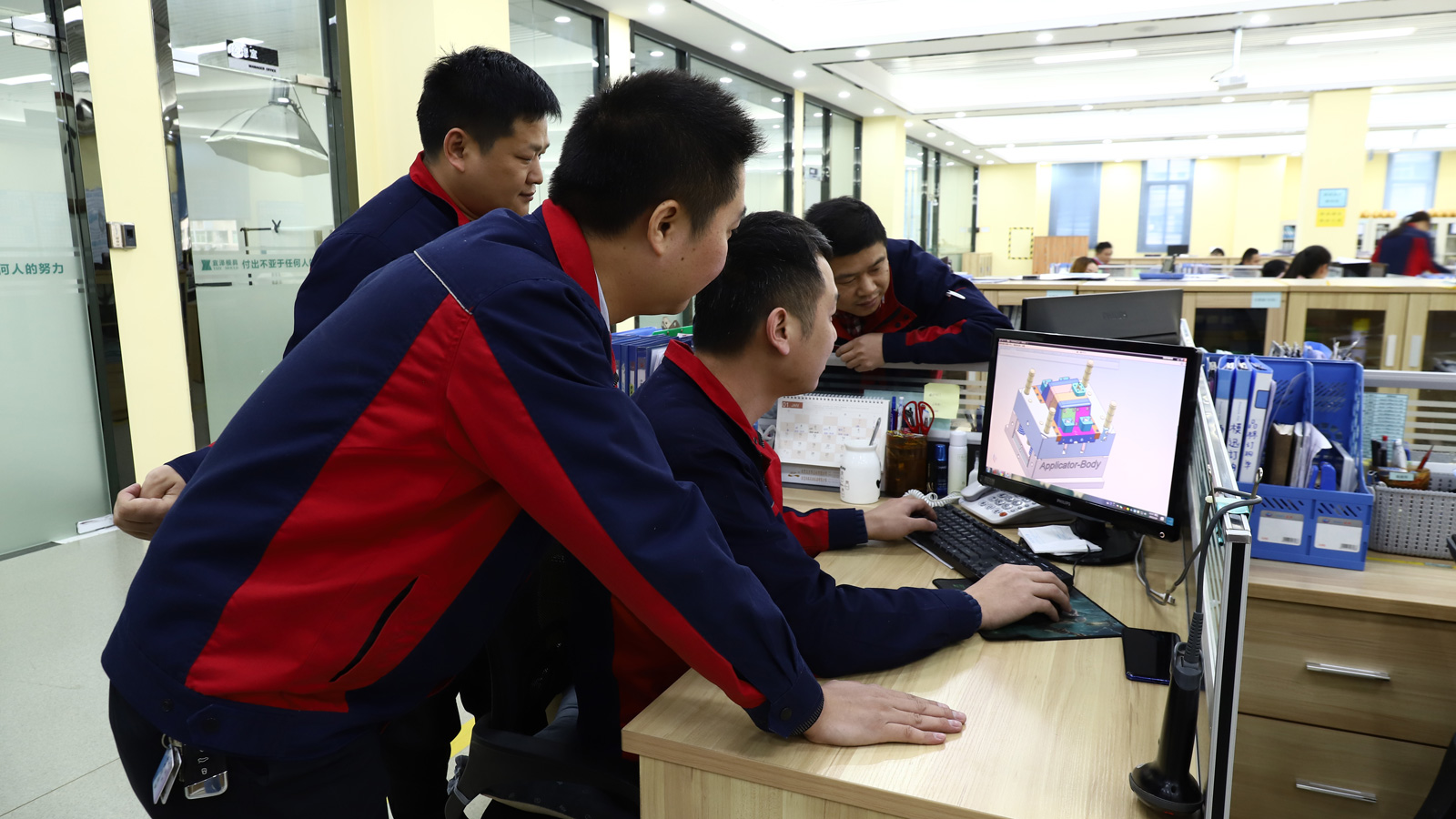
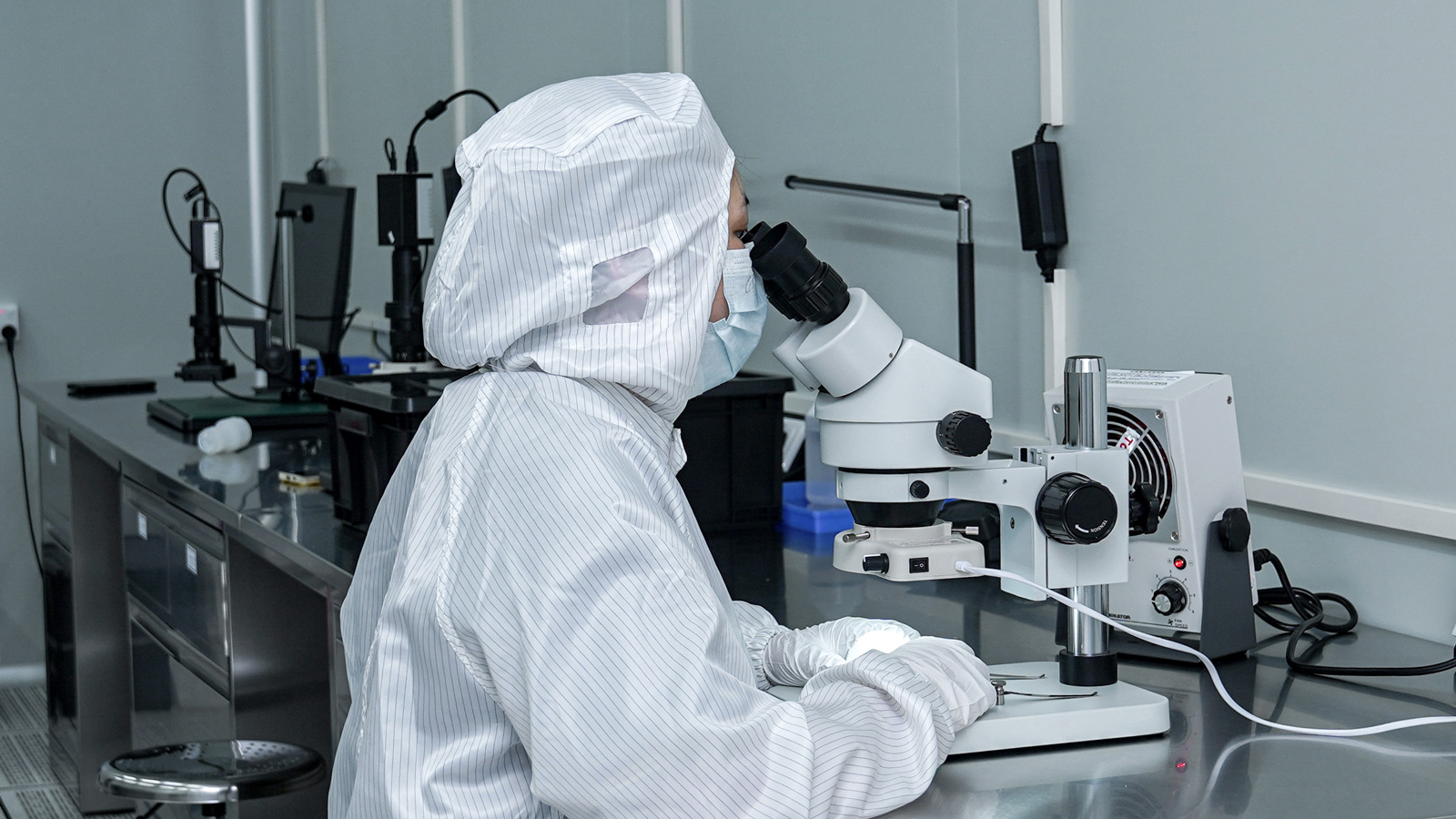
Shenzhen Mingyang Yutong Technology Co., Ltd. is a one-stop solution provider integrating precision plastic mold design, processing, and injection molding. The company has been deeply rooted in the plastic mold processing industry for many years, continuously researching high-end mold processing technologies, and has successfully obtained multiple national patents. If you have any technical needs regarding insert applications or plastic injection molding, please call 13632611848. We will provide you with professional technical consultation and cost-effective customized solutions.
FAQ
Q: What is the most commonly used material for inserts in plastic molds? Why?
A: Copper is the most commonly used insert material, primarily because copper offers excellent thermal conductivity and machinability. It accelerates localized mold heat dissipation, shortens the injection molding cycle, and is easy to machine with high precision.
Q: Why does the plastic encapsulation around inserts need to be thickened?
A: Thickened encapsulation effectively distributes the internal stress generated during the injection process, preventing the plastic part from cracking at the insert edges due to stress concentration, thereby improving the structural strength and service life of the product.
Q: Can inserts solve the problem of insufficient thread strength in plastic parts?
A: Yes. By embedding metal inserts into plastic parts, small-diameter external threaded holes can be directly molded. The connection strength is far superior to plastic self-tapping threads, and this approach is widely used in high-reliability applications such as medical devices and electronic products.
Q: How can rotation or pullout of inserts during the injection process be prevented?
A: Anti-rotation and anti-pullout structures must be designed in the bonding area between the insert and the plastic, such as knurling, positioning holes, shoulder retention, and flattening processes, to ensure the insert remains secure under high-pressure injection conditions.