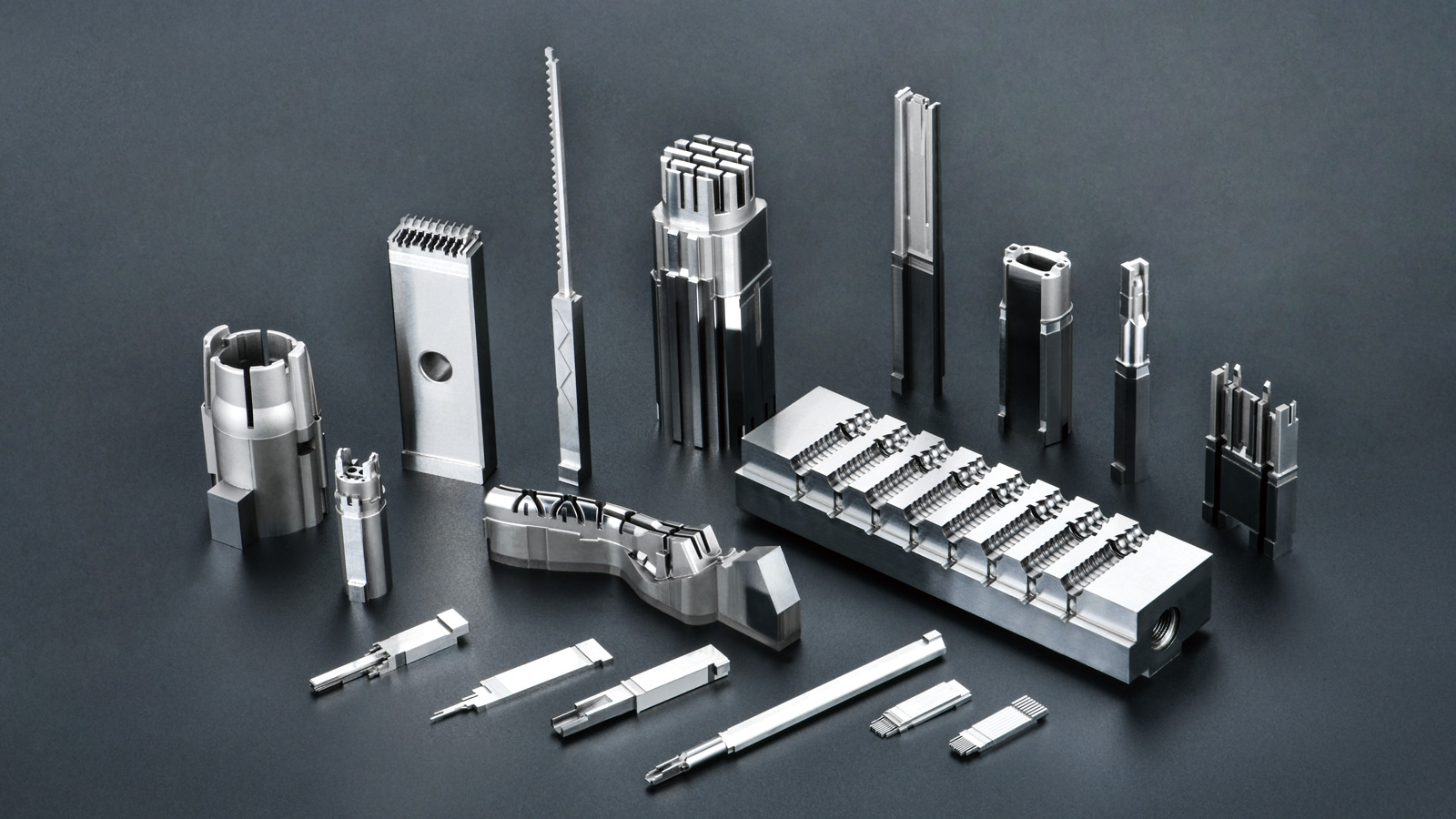
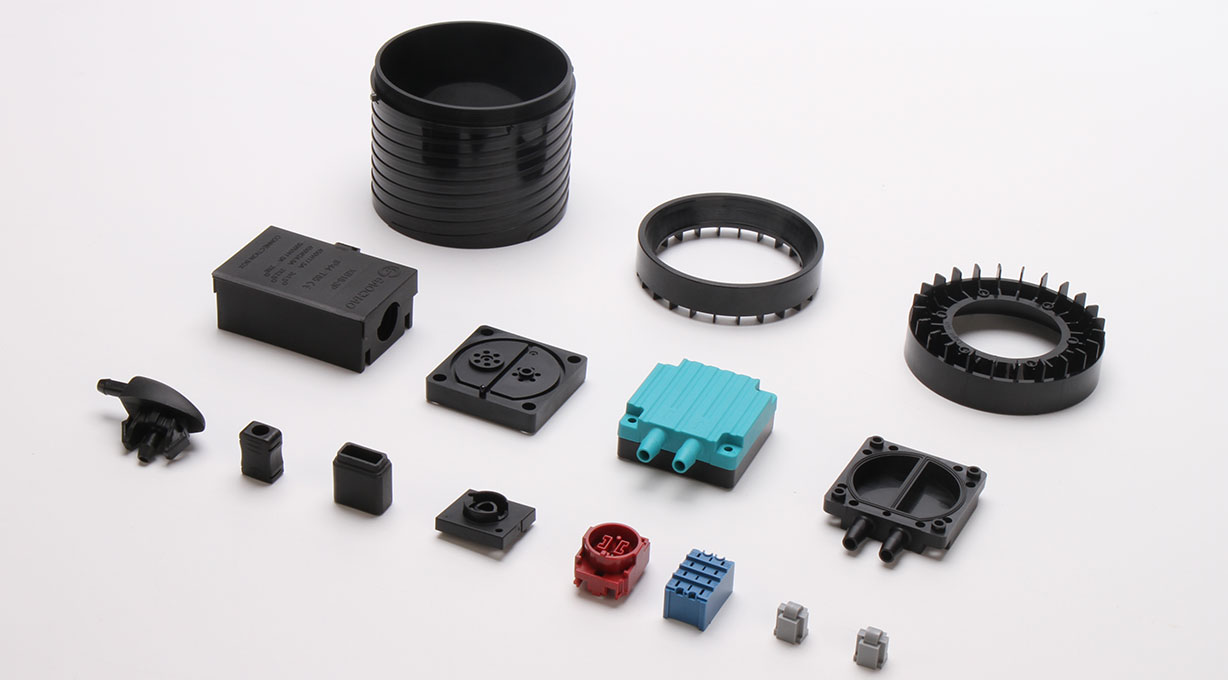




In the field of mold manufacturing, selecting a CNC machining center equipped with high-speed ATC (Automatic Tool Changer) and high-speed APC (Automatic Pallet Changer) is a critical decision for achieving efficient, automated production. However, the true value of intelligent equipment lies not in operational simplicity but in the precise synergy between the tooling system and process parameters. True machining efficiency is not determined by spindle speed alone—whether it reaches tens of thousands of RPM—but by whether the cutting line speed effectively reduces edge load on the tool. Depending on the workpiece material and geometry, high-precision high-speed machining can be fully achieved even with machining centers operating at just a few thousand RPM.
Small-diameter tools are often mistakenly assumed to be suitable only for low-speed finishing operations. In reality, they outperform larger-diameter tools in complex cavities, fine details, and the machining of soft, honeycomb-like materials. Due to more concentrated cutting forces and clearer chip evacuation paths, small-diameter tools excel in producing burr-free surfaces with low roughness. The essence of high-speed mold machining is not the pursuit of maximum spindle speed, but the dynamic optimization of tool diameter in relation to cutting line speed. Regardless of tool size, high-efficiency, stable high-speed machining can be achieved when appropriate feed rates and cutting speeds are matched to the tool’s characteristics.
Dongguan Yize Mould Co., Ltd. (Yize Mould) has specialized in precision mold component manufacturing for over a decade. Leveraging Japanese high-precision equipment and dual ISO9001/ISO13485 certified quality systems, we deliver mold machining services with tolerances as tight as ±0.001 mm, serving global clients in medical, electronics, automotive, and aerospace industries. We believe that machining precision stems from a deep understanding and systematic application of tooling characteristics.
Frequently Asked Questions (FAQ)
Q1: Can small-diameter tools really be used for high-speed machining? Aren’t they prone to breakage?
A: Yes, small-diameter tools can achieve efficient high-speed machining when paired with appropriate line speed and feed parameters. Their advantages include lower cutting forces and reduced thermal deformation, making them ideal for fine features and soft materials. Tool breakage typically results from poor chip evacuation or improper parameter settings—not tool diameter itself. We recommend using through-tool coolant and automatic tool setters to significantly enhance stability.
Q2: Are ATC and APC essential for mold machining?
A: For multi-process, high-precision, and batch production, ATC and APC are core configurations that enhance automation and cycle efficiency. They minimize manual intervention and ensure consistent tool and pallet exchange accuracy, forming the foundation for “single-setup, multi-face” machining. While non-standard or prototype jobs may simplify these systems, they are strongly recommended for any production-scale project.
Q3: Why does my mold surface always have burrs? Is it a machine issue?
A: Burrs (flash) are typically caused by tool wear, incorrect cutting parameters, or inadequate chip removal—not machine precision. We recommend regular tool life monitoring, optimization of feed rate and depth-of-cut ratios, and ensuring adequate coolant delivery to the cutting zone. When using small-diameter tools, special attention must be paid to chip evacuation paths to prevent secondary cutting.
Q4: How does your company ensure machining accuracy?
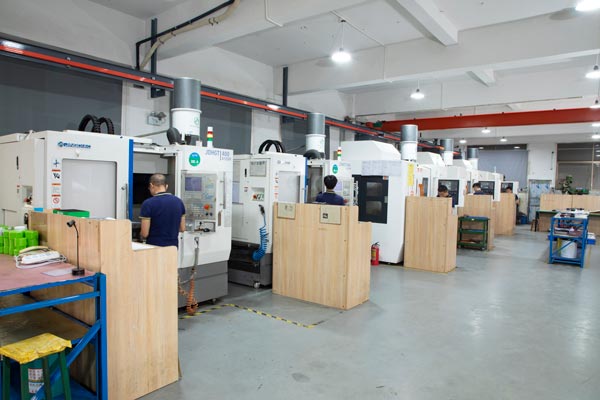
A: Yize Mould employs Japanese high-precision CNC machines integrated with CMM (Coordinate Measuring Machines) and laser tool setters to enable closed-loop dimensional control. All products are manufactured in compliance with international standards including GB, JIS, and DIN. Critical dimensions are consistently held within ±0.001 mm tolerance, ensuring reliable delivery performance.