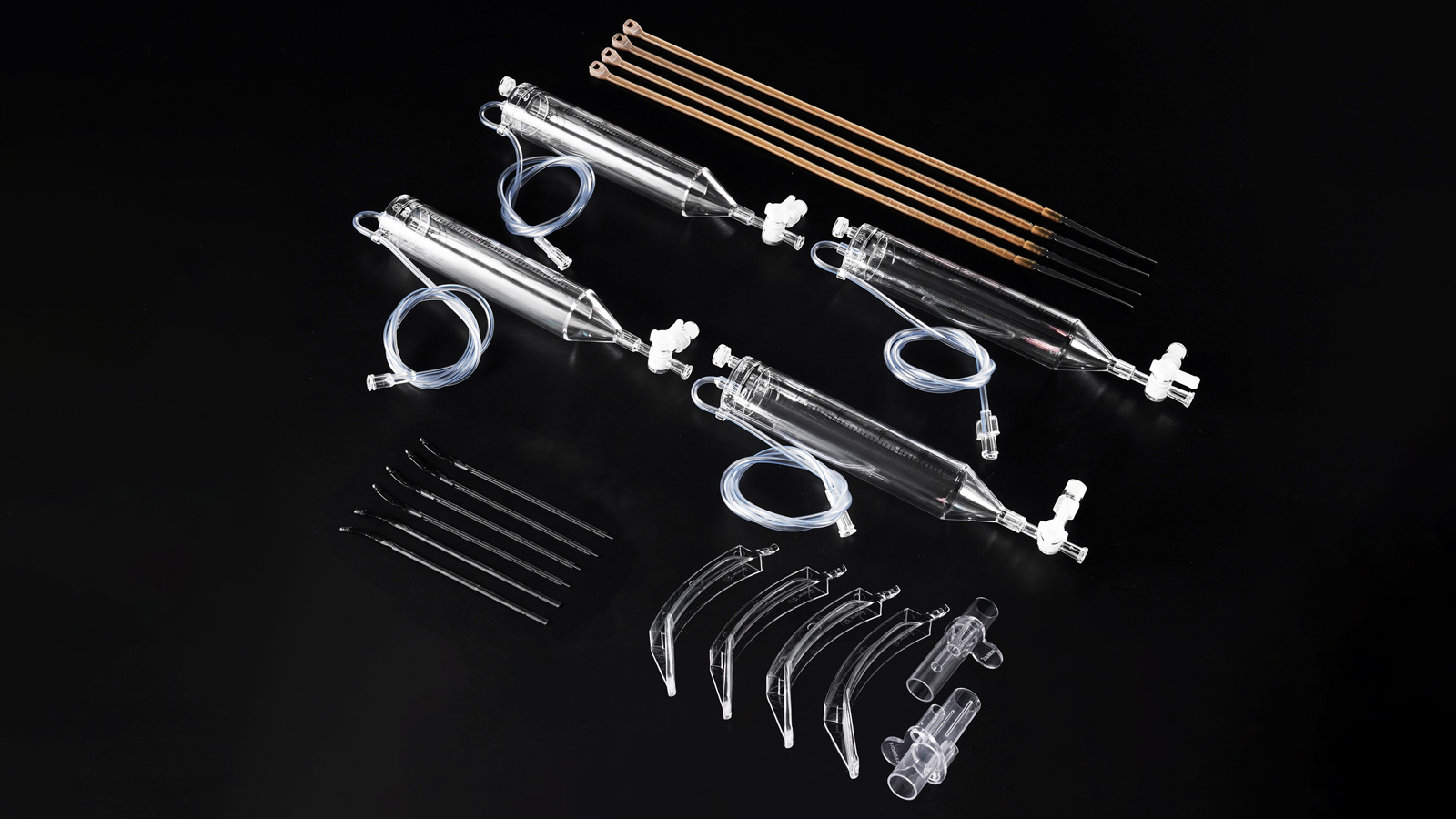
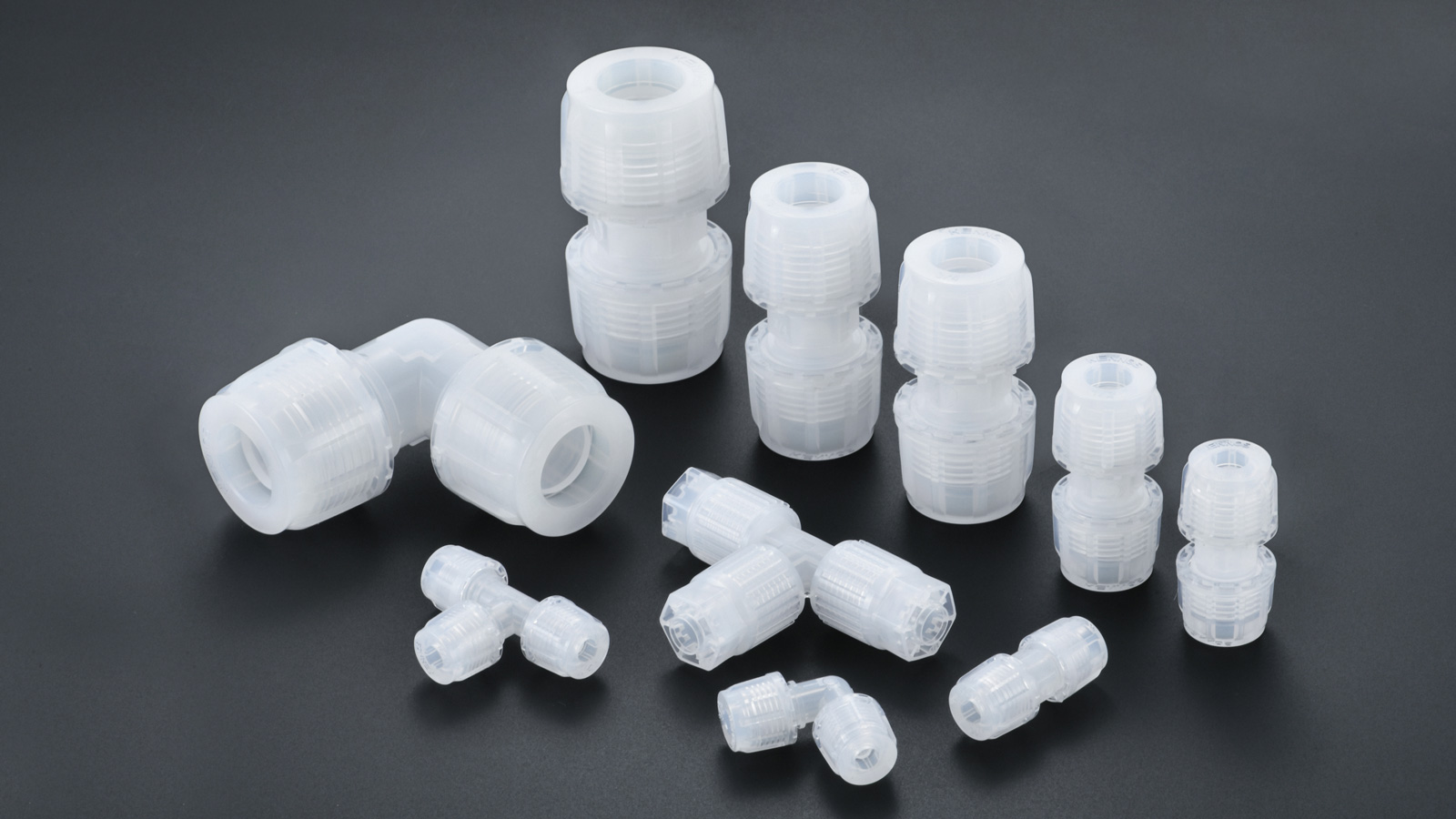
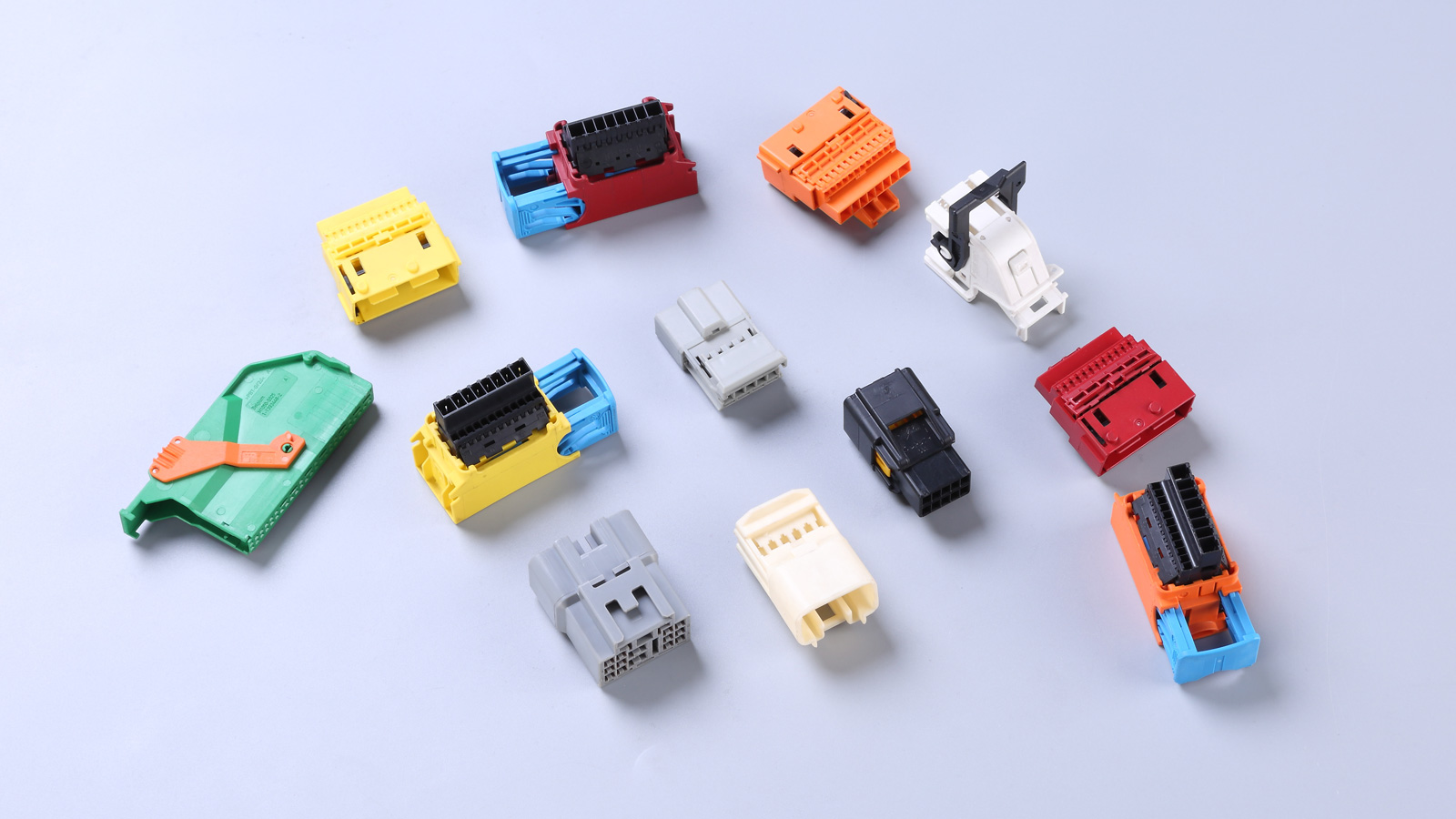
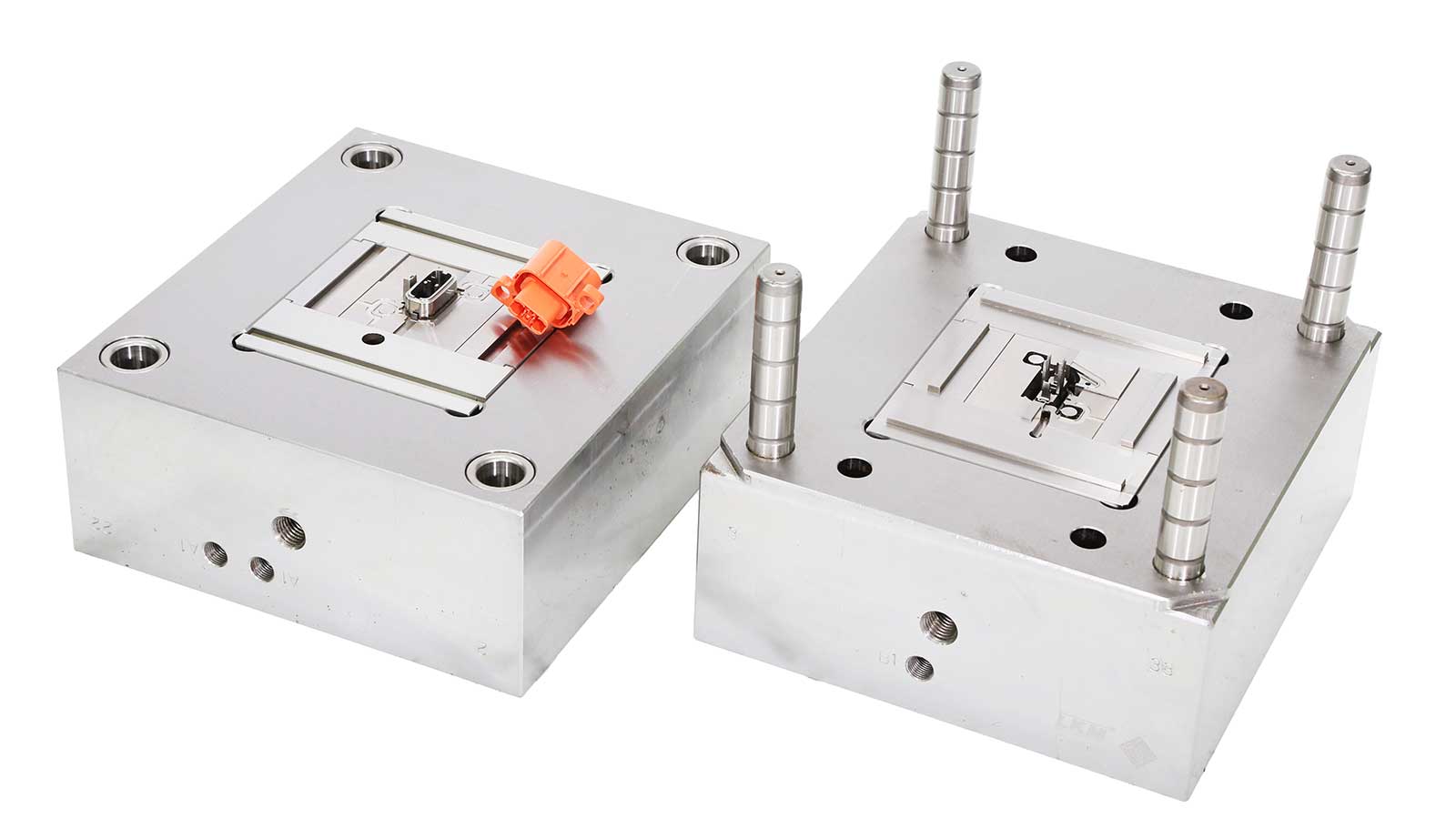



Designing a medical plastic mould is a complex task. The final product must be safe, precise, and reliable. Here are the key questions your team must answer before starting the design. Today, let’s learn key factors for medical mould design from Yize Mould. Covers material selection, sterilization, tolerances, and cleanroom needs for reliable production.
1. What Material is Best for the Application?
Material selection is the first and most important step. The material must be biocompatible. It must pass ISO 10993 or USP Class VI tests. Common materials include medical-grade PC, ABS, PEEK, and PP. The material must also resist common sterilization methods like gamma radiation, ethylene oxide (EtO), or steam autoclaving. Avoid materials that degrade or release harmful substances over time.
2. How Tight are the Tolerances?
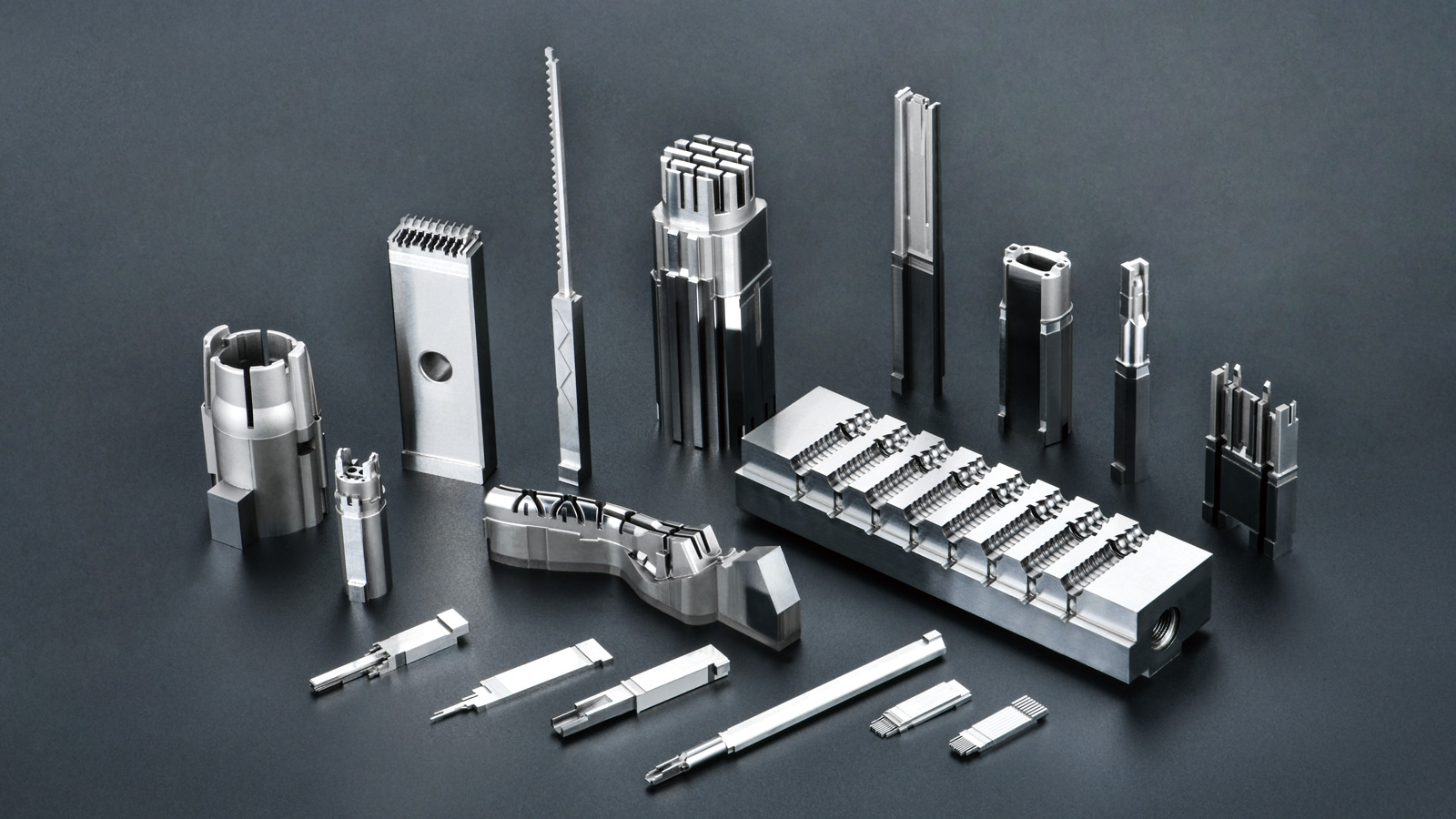
Medical parts often require very tight tolerances. Critical dimensions may need a tolerance of +/- 0.01 mm. Your mould design must account for material shrinkage and warpage. Use high-quality steel and precise machining. This ensures every part is identical and meets specifications.
3. How Will the Part Be Sterilized?
The mould design must support the chosen sterilization method. For example, parts for steam autoclaving need smooth surfaces. Rough surfaces can trap bacteria. For gamma sterilization, the material must not become brittle. Design the mould to produce parts that survive repeated sterilization cycles.
4. Is the Design Cleanroom Compatible?
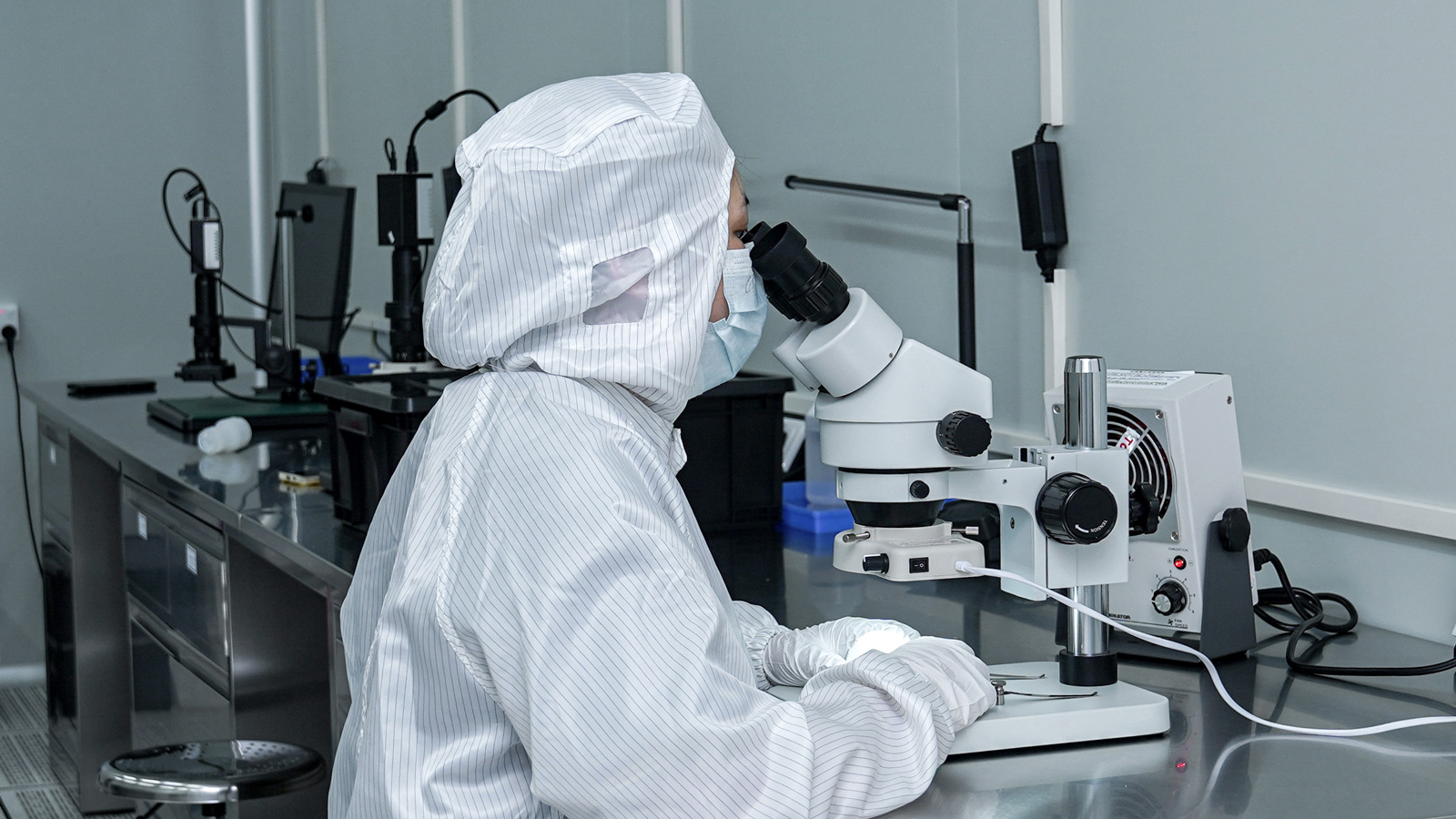
Many medical moulds run in cleanrooms. The mould design must minimize contamination risks. Use corrosion-resistant steel. Avoid sharp corners or deep crevices where debris can collect. Design the mould for easy cleaning and maintenance.

5. What Draft Angles are Needed?
Proper draft angles are essential for easy part ejection. Typical angles range from 1 to 3 degrees. Without enough draft, the part may stick or warp. Use adequate ejection pins to push the part out gently. This prevents damage and reduces scrap.
6. How Will the Mould Be Validated?
Your mould design must support process validation. This includes Installation Qualification (IQ), Operational Qualification (OQ), and Performance Qualification (PQ). Include features for measuring critical dimensions. Keep clear documentation for every design change. This helps with FDA or CE audits.
Frequently Asked Questions (FAQ)
Q1: What is the biggest risk in medical mould design?
A: Choosing the wrong material. Always test the material with your sterilization method early in the design phase.
Q2: How do I ensure consistent part quality?
A: Use high-quality steel, precise machining, and a stable injection process. Regular maintenance is also critical.
Q3: Can I use a standard mould for medical parts?
A: Not usually. Medical moulds need special materials, tighter tolerances, and cleanroom compatibility.
Q4: How long does a medical mould last?
A: With proper care, a steel mould can produce over 1 million parts. Use hardened steel for high-volume production.