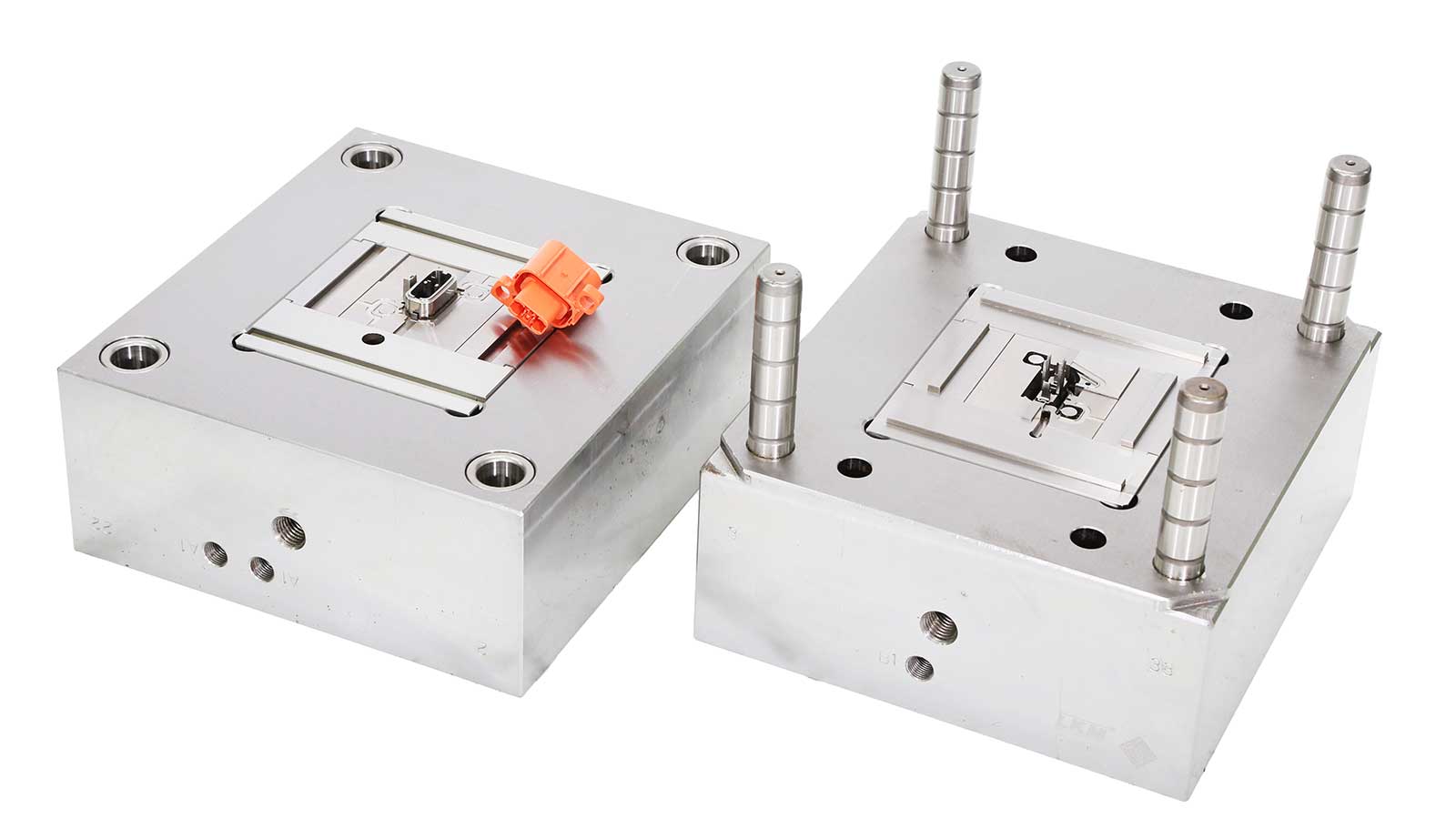
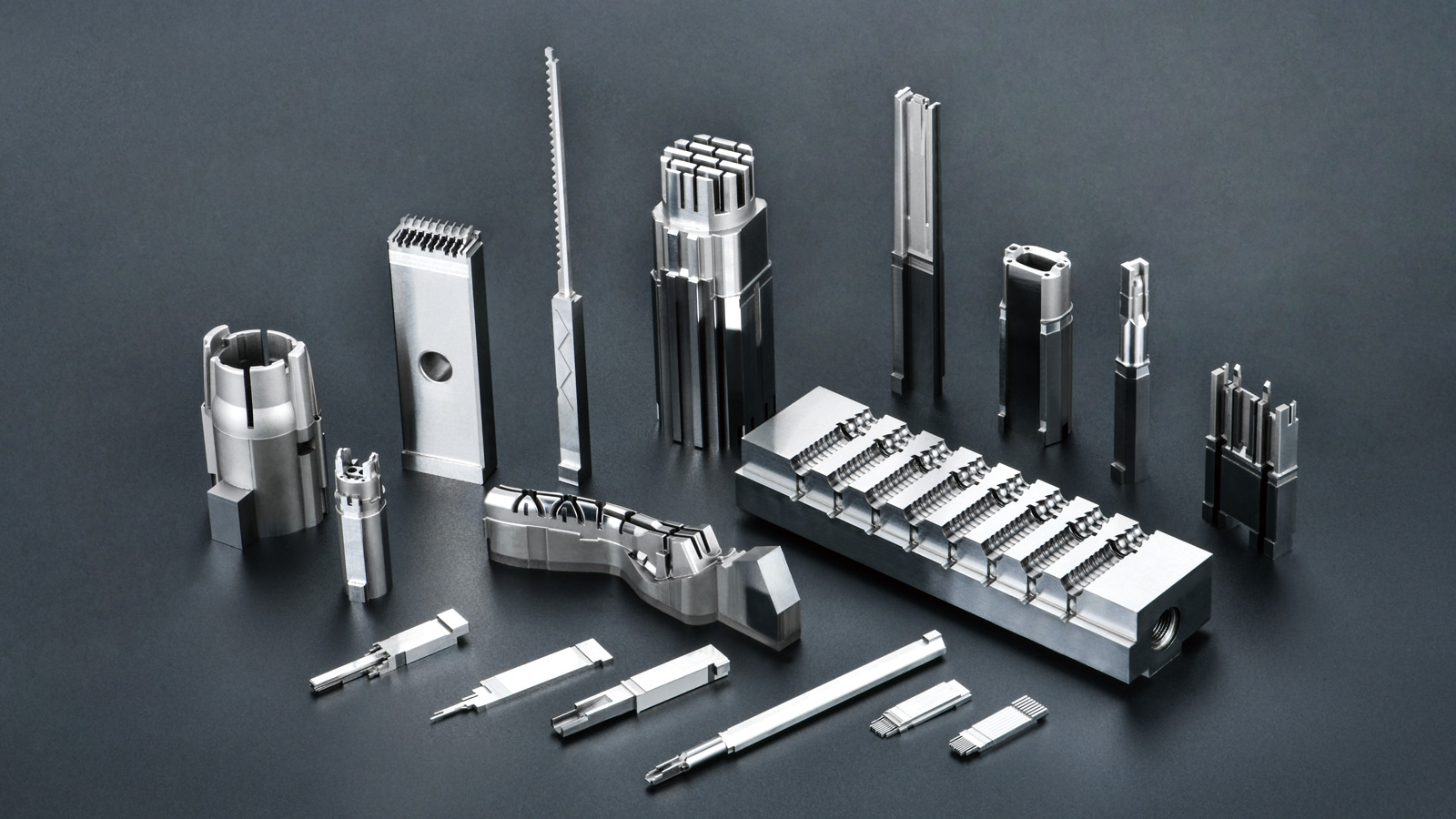
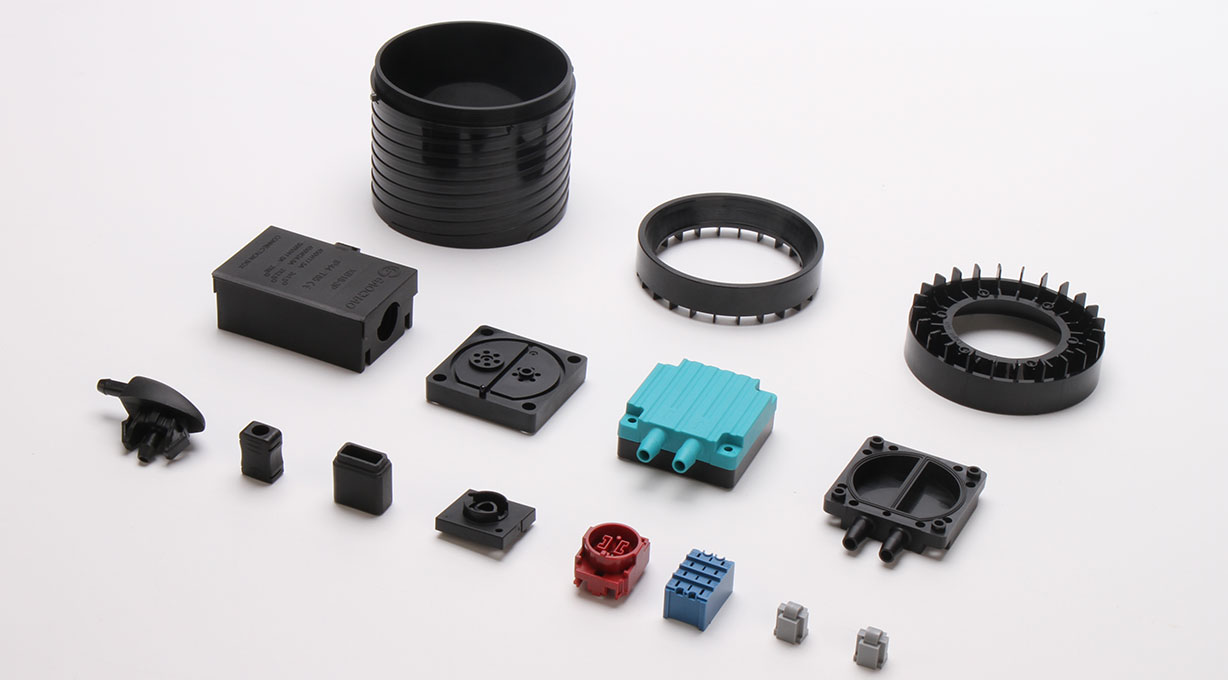




The structural design of an injection mold directly determines machining efficiency, product quality, and mold service life. The following outlines the positive impacts of a rational mold structure on the machining process from seven perspectives.
- Optimize Runner and Cooling Systems. A rational injection mold design, covering runner layout, gate type, cavity arrangement, and heating/cooling water channel planning, can significantly improve mold machining efficiency and reduce trial molding costs.
- Apply Hot Runner Technology. Hot runner molds effectively save raw materials, reduce waste generation, and shorten the injection molding cycle, thereby enhancing overall machining efficiency.
- Adopt Conformal Rapid Heating and Cooling Technology. This technology reduces machining energy consumption while ensuring superior surface quality of the molded parts, making it ideal for products with high aesthetic requirements.
- Ensure Balanced Cavity Filling. Rational gate and runner design enables uniform filling across all cavities, which shortens the molding cycle and guarantees consistent product quality.
- Integrate CAE-Assisted Design. Through mold flow analysis and molding simulation, potential issues can be identified at the design stage, reducing the need for subsequent machining trials, debugging, and repeated mold revisions, thus lowering development costs.
- Control Clamping Force Appropriately. Under the premise of ensuring product quality, using a lower clamping force for injection molding helps extend mold service life and facilitates rapid cavity filling.
- Prioritize Routine Mold Maintenance. Proper cleaning, rust prevention, and maintenance after use can effectively extend the service life of injection molds and reduce long-term operational costs.
Frequently Asked Questions
Q: What are the core advantages of hot runner molds compared to cold runner molds?
A: Hot runner molds save raw materials, reduce waste, and improve molding efficiency. However, they require a higher initial investment and are best suited for high-volume production scenarios.
Q: Can CAE mold flow analysis completely replace trial molding?
A: It cannot fully replace trial molding, but it can significantly reduce the number of trials and the probability of mold revisions, making it an effective method for lowering development costs.
Q: How do you determine whether a mold needs maintenance?
A: When parts begin to show flash, increased burrs, a noticeably longer molding cycle, or declining surface quality, these are typically indicators that the mold requires maintenance.