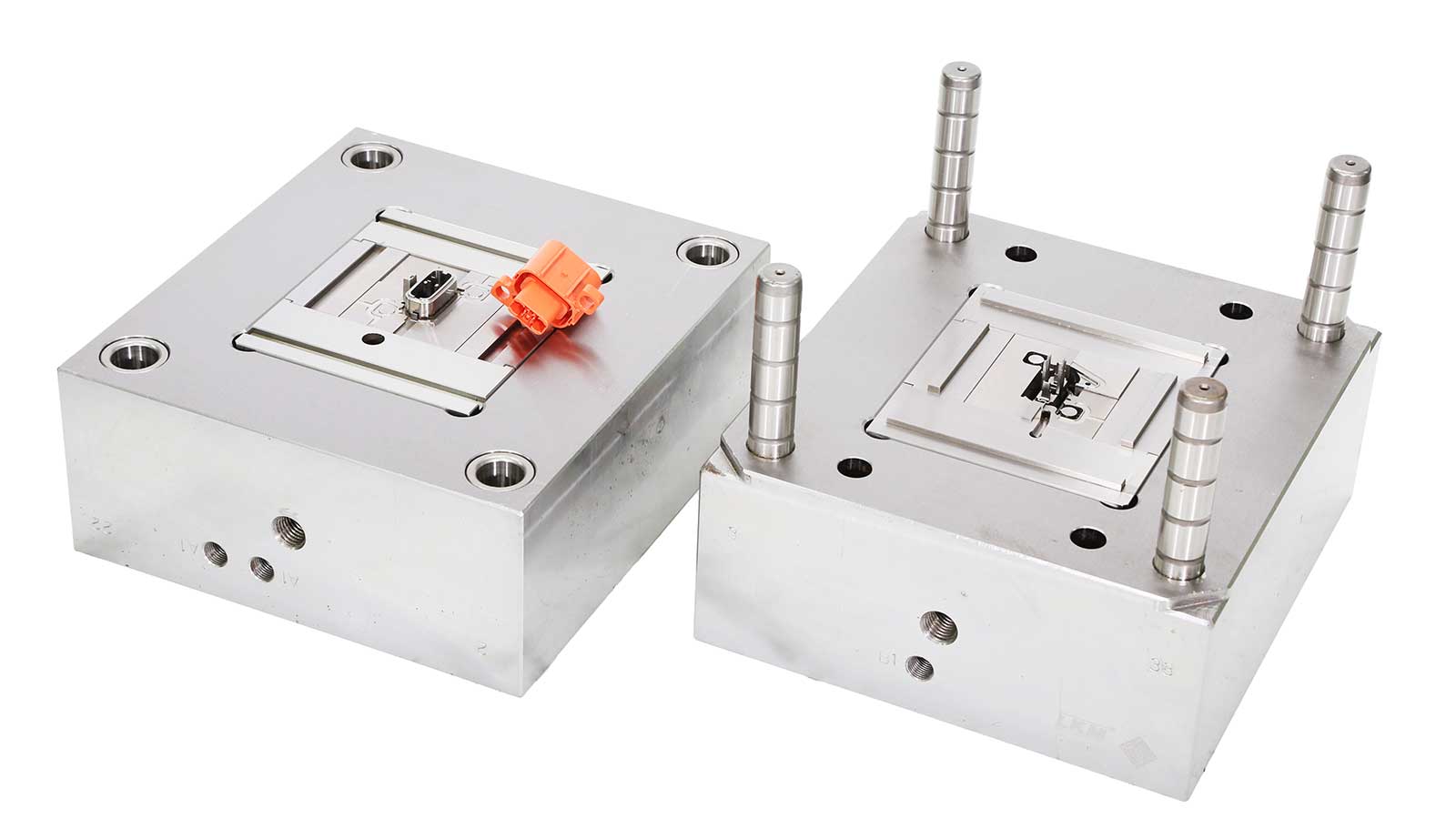
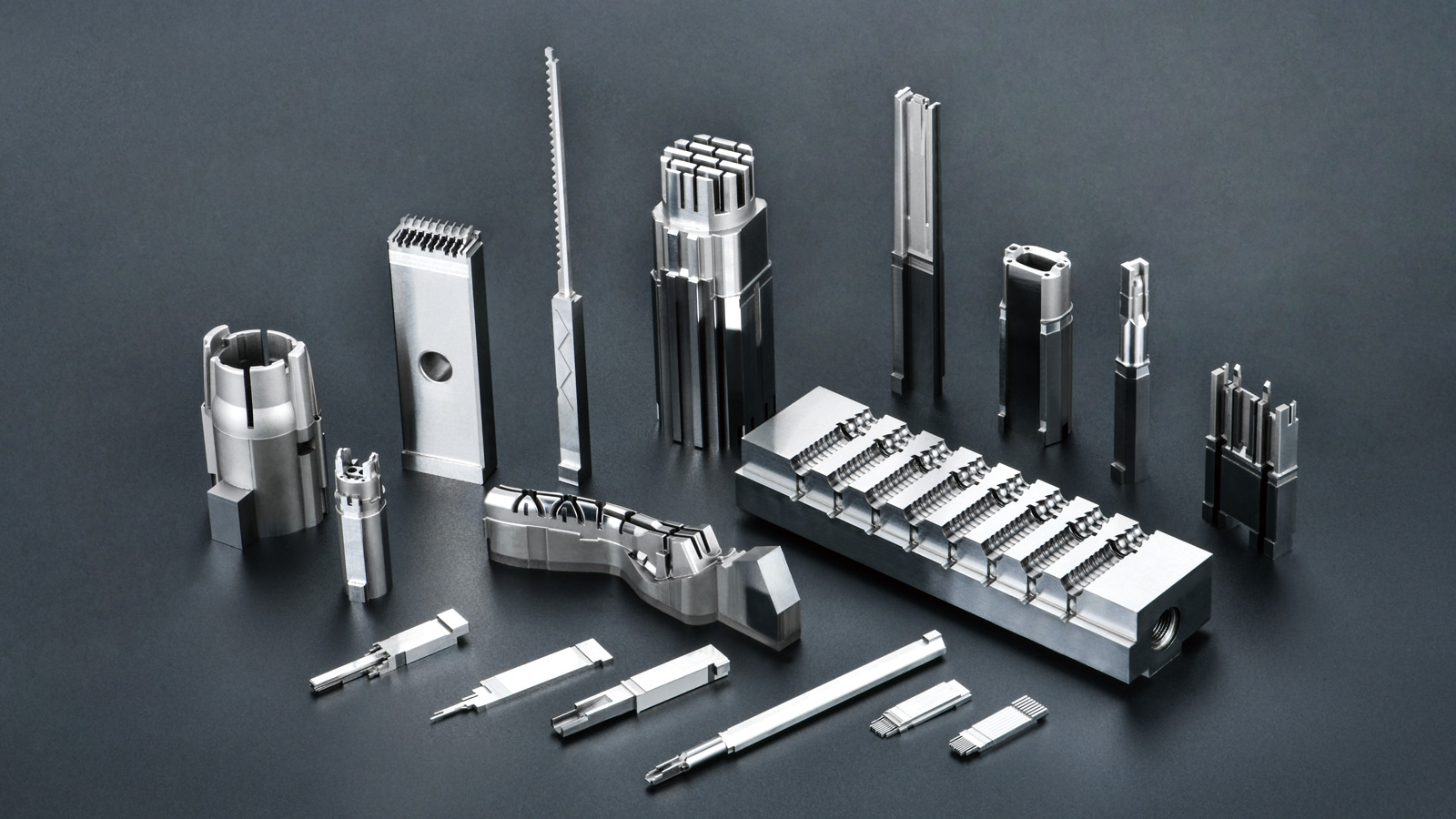
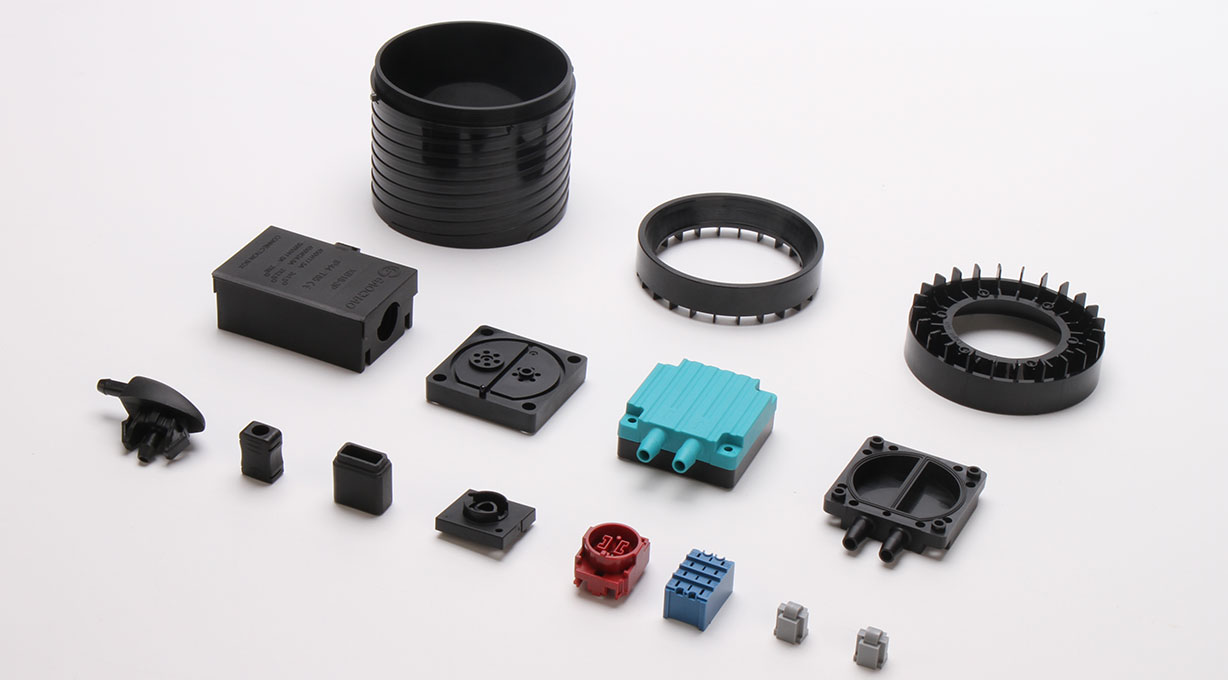


In the field of precision mold manufacturing, positioning and limiting components are critical foundational elements that ensure mold accuracy, stability, and service life. Their core function is to guarantee that all template plates remain at precisely preset positions during mold closing, opening, and injection, thereby preventing product defects and mold damage caused by misalignment, interference, or over-travel. The following is a detailed analysis of seven indispensable positioning and limiting components.
1. Locating Ring
The locating ring is a circular ring or circular plate component mounted on the fixed mold base plate. Its core function is to achieve precise alignment between the mold’s main runner and the injection machine nozzle. It fundamentally determines the installation reference position of the mold on the injection machine, serving as the first line of precision assurance for establishing a reliable connection between the mold and the equipment.
2. Conical Locating Elements
Conical locating elements are used during the front and rear mold closing process. Through matching conical surfaces on the front and rear mold halves, they achieve precise positioning of the two mold halves in the closed state. This design effectively eliminates closing gaps and ensures the tightness of the parting surface, making it a widely adopted positioning solution in high-precision molds.
3. Reset Rod
The reset rod is fixed to the ejector retainer plate and leverages the reciprocating motion of mold opening and closing to drive the demolding mechanism back to its initial position. Its role is to ensure that the demolding system reliably resets after each mold opening, preparing for the next injection cycle. It is a key safeguard for maintaining demolding action consistency.
4. Limit Pin
The limit pin serves a dual function of support and adjustment. On one hand, it provides stable support for the demolding mechanism and allows fine adjustment of its stroke. On the other hand, it effectively prevents the demolding mechanism from being obstructed by foreign objects during reset. Additionally, in slider core-pulling mechanisms, the limit pin can also be used to define the end position of the slider and prevent over-travel.
5. Distance Pull Rod
The distance pull rod performs a distance constraint function during mold opening, ensuring that a specific template plate moves only within a preset stroke range for opening or stopping. It protects the structural integrity of the mold through mechanical limiting, preventing拉伤 or deformation caused by uncontrolled mold opening distance.
6. Locating Pin
The locating pin is a cylindrical precision component used to fix the relative positions between two or more template plates, completely eliminating the risk of displacement. It is the standard element for achieving precise alignment between template plates in multi-plate molds and complex mold structures. Its machining accuracy directly affects the overall assembly quality and operational stability of the mold.
7. Distance Pull Plate
The distance pull plate serves a function similar to the distance pull rod but is implemented in plate form. During mold opening, it limits a specific template plate to move only within a prescribed distance range, providing reliable stroke control. Compared to the pull rod structure, the pull plate offers greater advantages in large molds or scenarios requiring higher rigidity support.
Summary
Although these seven types of positioning and limiting components are small in size, they collectively form the core framework of motion control in precision molds. Selection should be based on a comprehensive consideration of mold structural complexity, precision grade, and production cycle. The absence or insufficient precision of any single component can trigger cascading quality issues during mass production.
FAQ
Q1: Must the dimensions of the locating ring strictly match the injection machine?
Yes. The outer diameter of the locating ring must strictly correspond to the injection machine locating hole. Common specifications include 100 mm, 120 mm, and 150 mm. A mismatch will cause eccentric mold installation, directly affecting the centering accuracy between the main runner and the nozzle, which in turn leads to defects such as material leakage and flash.
Q2: What is the functional difference between conical locating elements and locating pins?
Conical locating elements are primarily used for dynamic precise positioning during front and rear mold closing, focusing on parting surface sealing control. Locating pins are used for static position fixing between multiple template plates, focusing on preventing inter-plate displacement. The two are typically used together in molds to address positioning needs in different dimensions.
Q3: How should one choose between a distance pull rod and a distance pull plate?
For small molds or cases where the distance between template plates is short, the distance pull rod is more commonly used due to its simple structure and ease of machining. For large molds or cases with greater template spans requiring higher rigidity, the distance pull plate is more advantageous due to its larger contact area and stronger bending resistance. Actual selection should be determined based on mold size and force analysis.