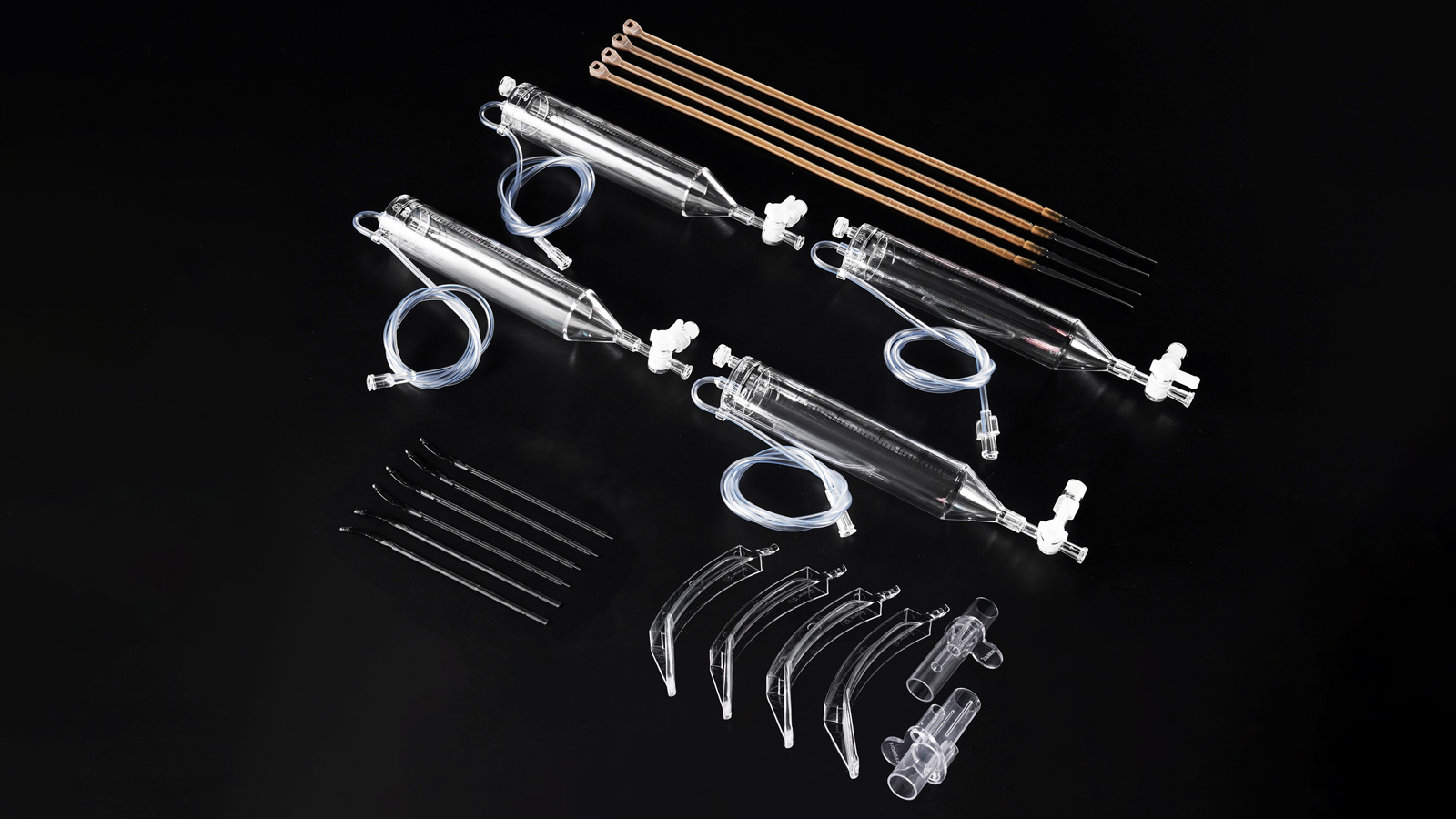
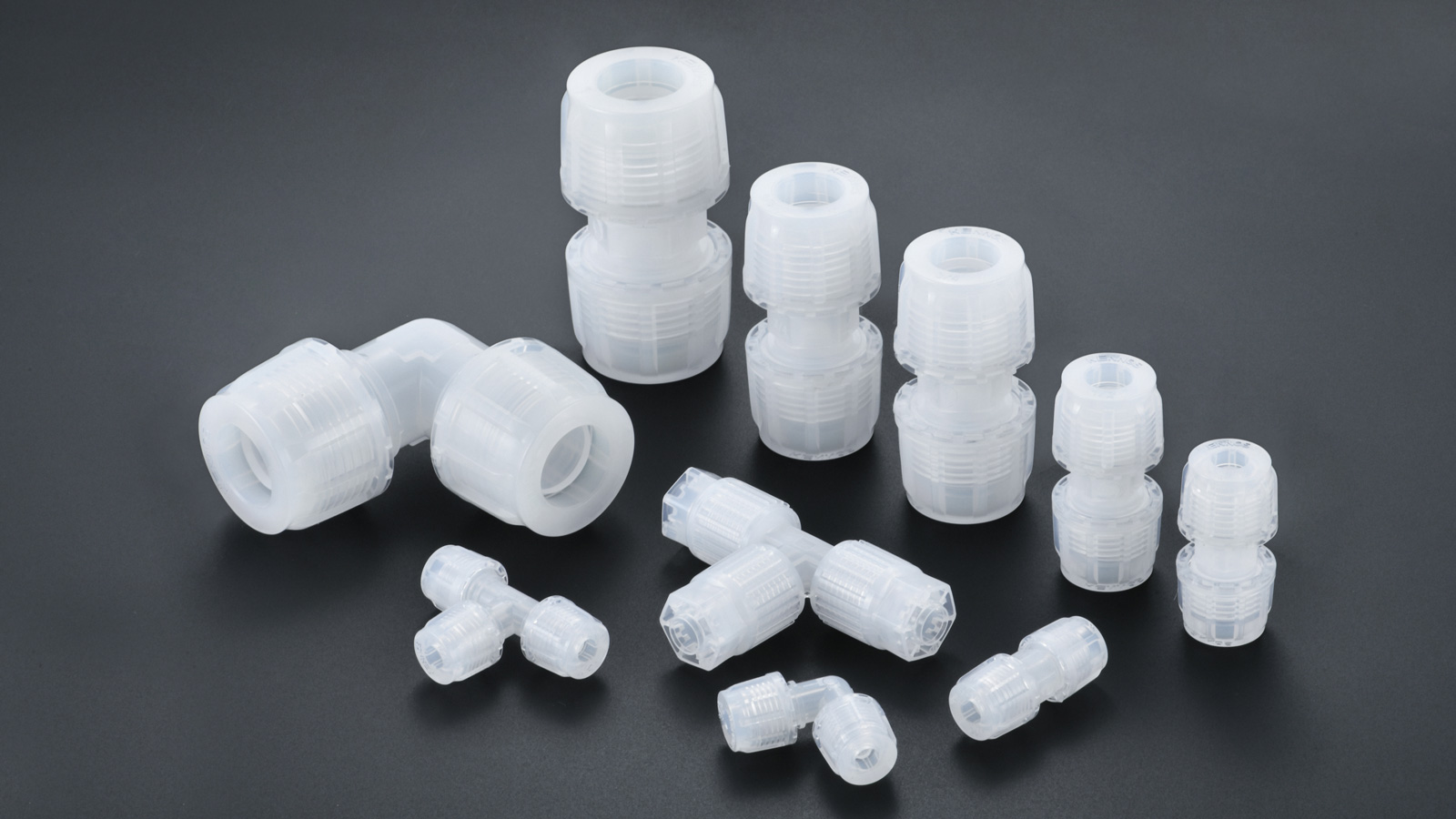
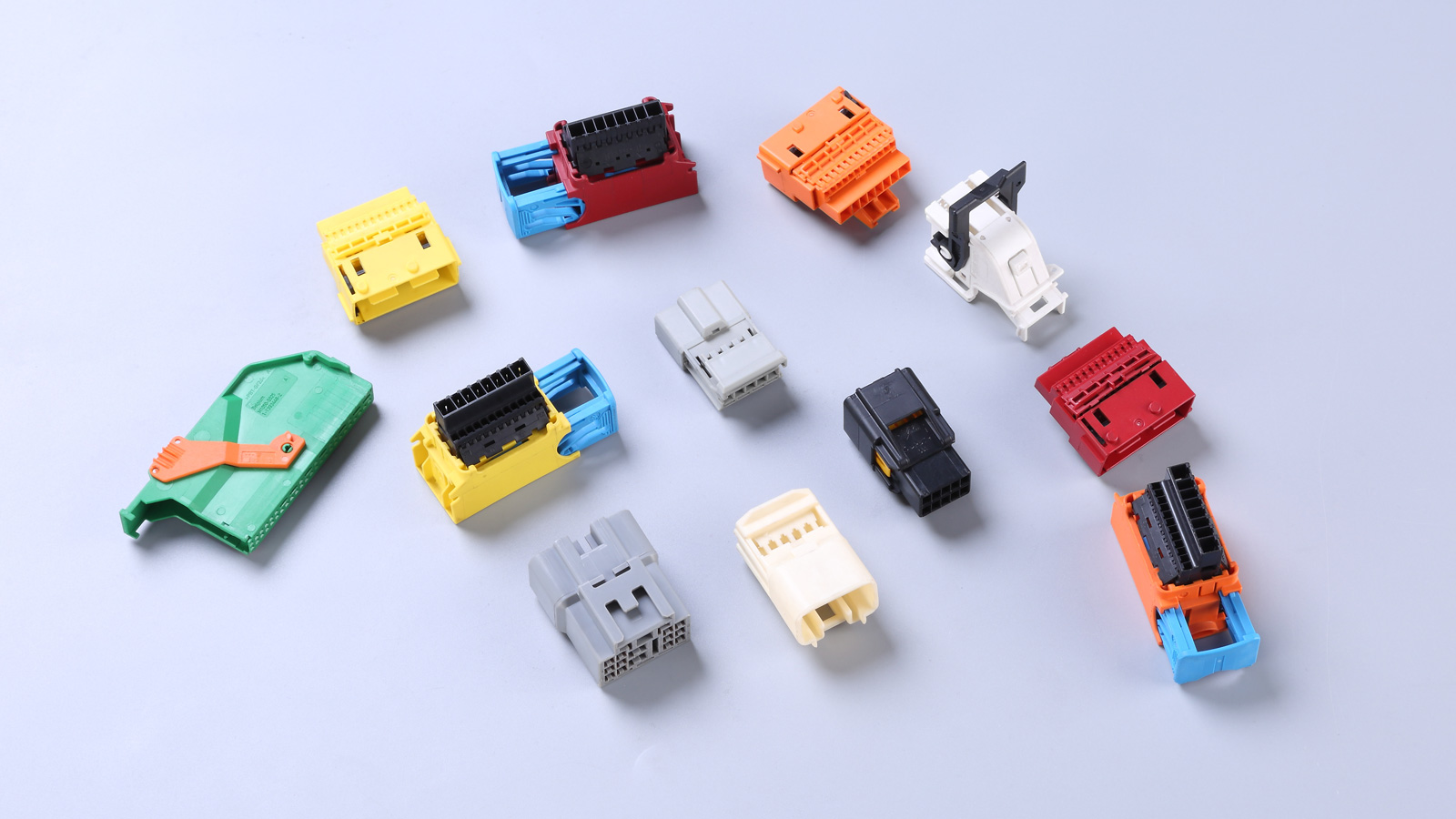
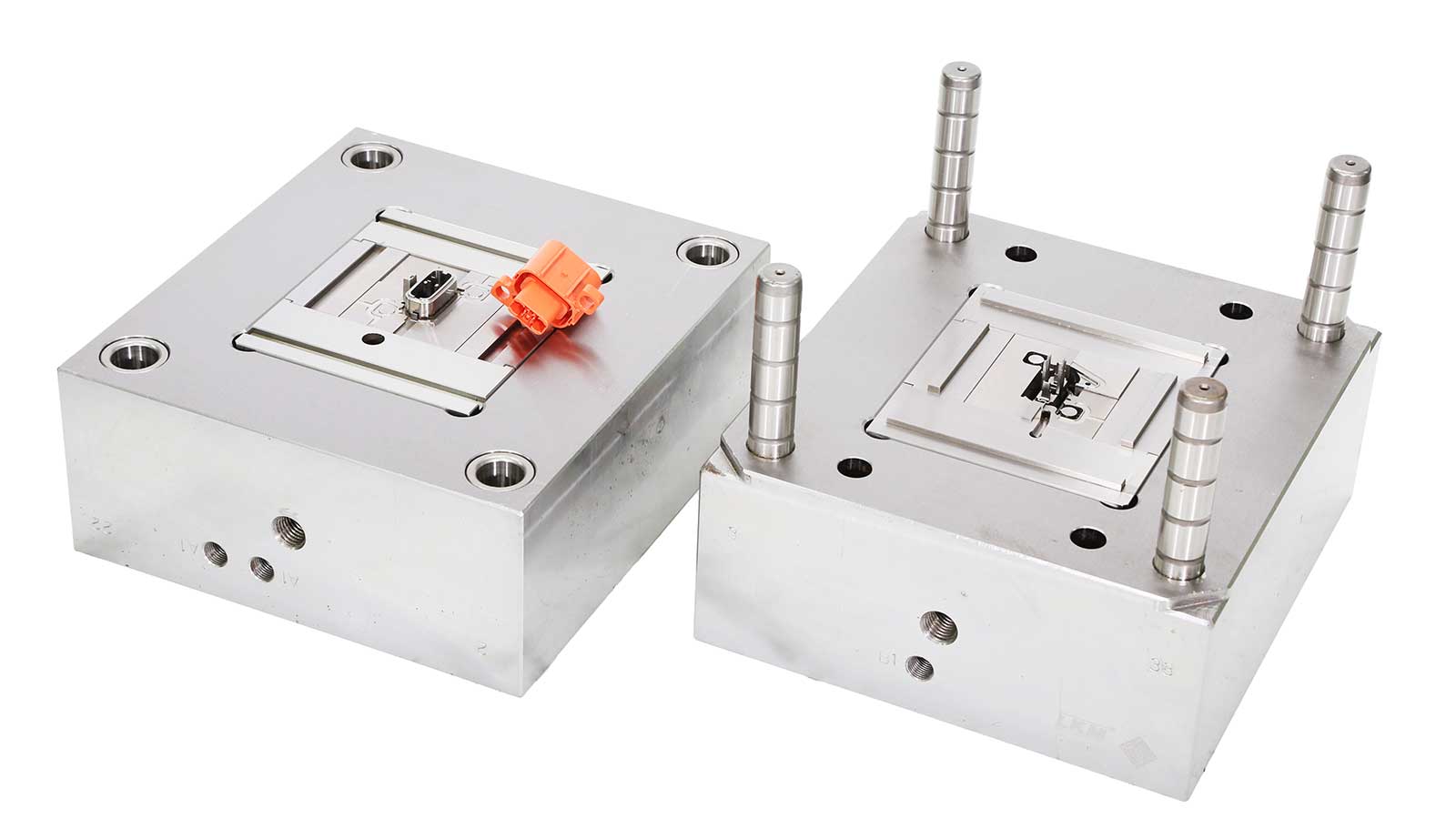




A plastic injection mold design engineer plays a critical role in product development. The core responsibilities can be summarized in the following six areas:
- Reasonably Select the Mold Structure Scheme. Based on product drawings and technical specifications provided by the customer, comprehensively evaluate the injection molding method and process route, and combine with the existing processing capability of the factory to submit the optimal mold structure scheme. After analysis and verification, ensure the designed mold is reliable in quality and easy to manufacture.
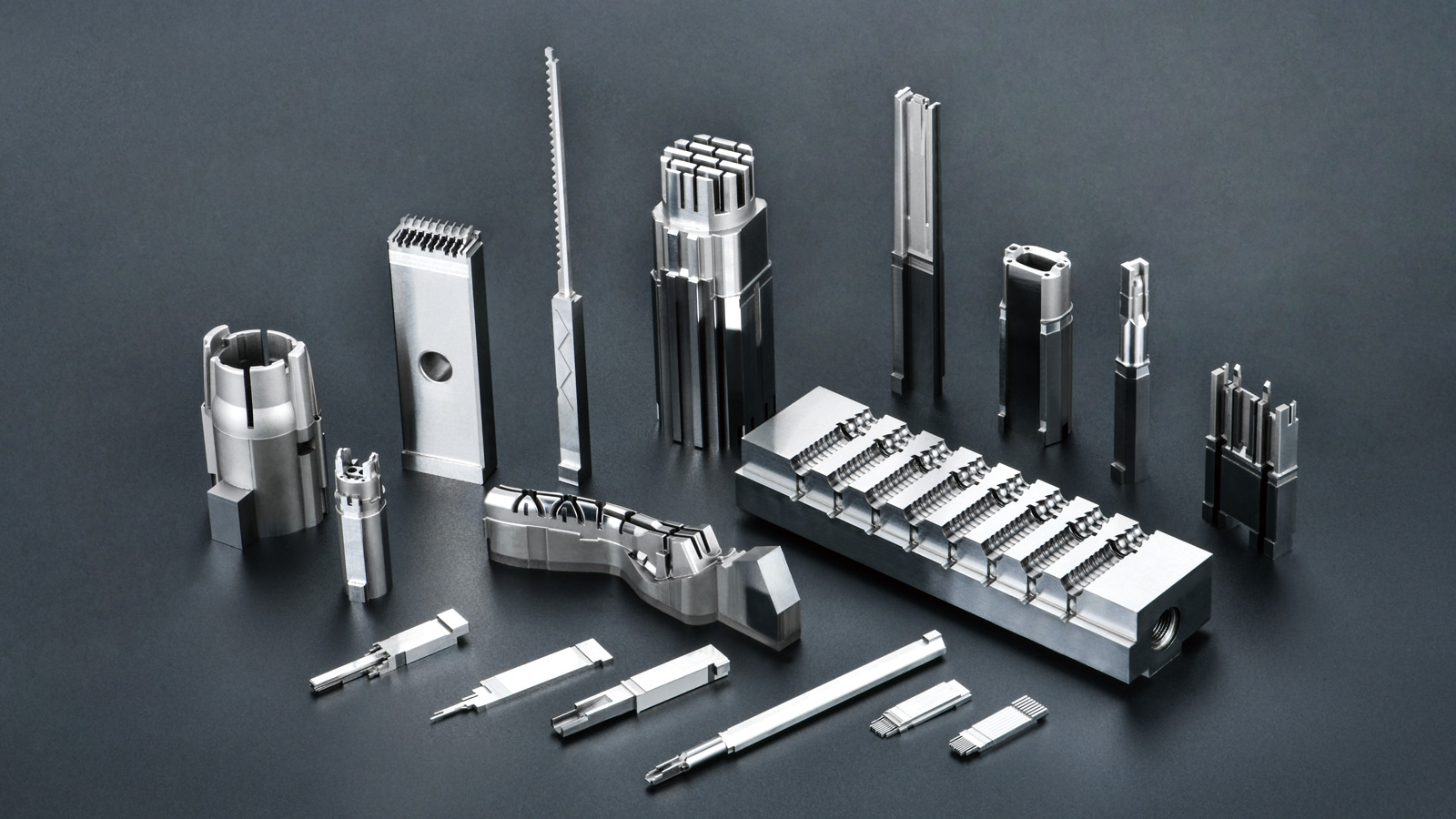
- Accurately Calculate the Dimensions of Molding Components. Molding components are the key elements that determine the shape, dimensional accuracy, and surface quality of plastic parts. Engineers must pay close attention to this aspect to ensure calculation results are precise and error-free.
- Ensure the Mold Structure Is Easy to Manufacture. The design process should aim to reduce processing difficulty and control machining costs. For structurally complex components, it is necessary to assess in advance whether conventional machining methods or special processing methods should be adopted, and fully consider the feasibility of subsequent assembly. At the same time, sufficient allowances should be reserved for possible mold modification and repair after trial molding.
- Guarantee High Efficiency, Safety, and Reliability in Design. Mold design requires comprehensive consideration of multiple key factors, including the filling performance of the gating system, cooling water circuit layout, and the flexibility and reliability of the demolding mechanism, ensuring the overall solution operates efficiently.
- Select Wear-Resistant and Durable Mold Components. The durability of mold components directly affects the service life of the entire mold. Therefore, strict requirements must be imposed on material selection, processing methods, and heat treatment for these components.
- Fully Satisfy the Molding Characteristics of Plastics. Before design, a thorough understanding of the molding characteristics of the plastic material to be used is essential, and these requirements should be fully reflected in the structural design. This is a critical prerequisite for ensuring plastic product quality.

Frequently Asked Questions
Q: What core competencies should a plastic injection mold design engineer possess?
A: They need comprehensive skills in mold structural design, molding process analysis, material selection, dimensional calculation, and machining processes. Strong communication and coordination abilities are also required to effectively interface with clients and various factory departments.
Q: What is the most commonly overlooked aspect in mold design?
A: The reservation of mold modification allowances and the feasibility assessment of special processing methods are frequently neglected. This often leads to a significant increase in modification costs after trial molding. It is recommended to incorporate these considerations at the initial design stage.
Q: How can one determine whether a mold design scheme is reasonable?
A: It is primarily evaluated from four dimensions: whether the structure is easy to process, whether costs are controllable, whether molding quality meets standards, and whether post-maintenance is convenient. A scheme that balances all four aspects is considered optimal.