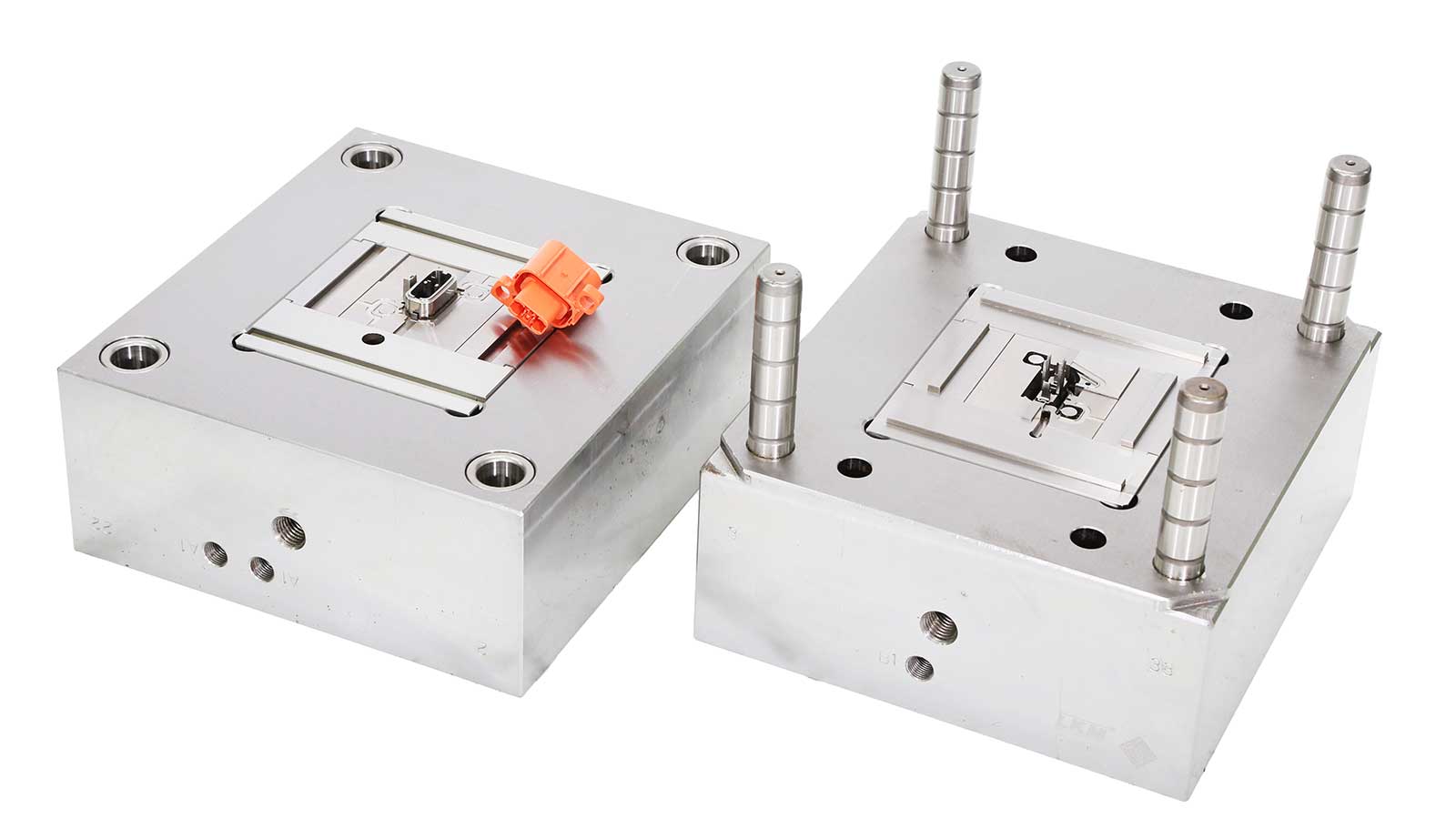
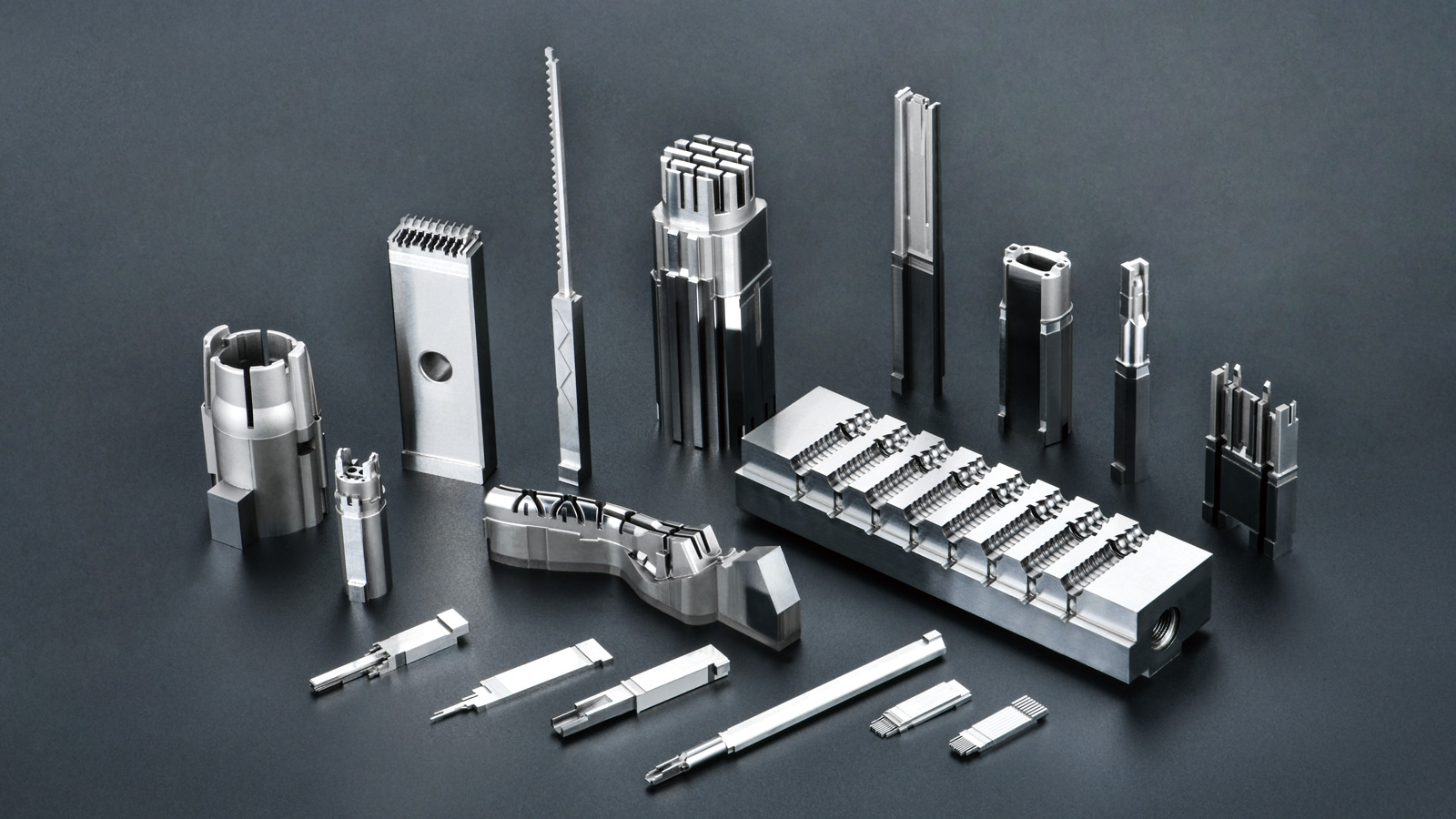
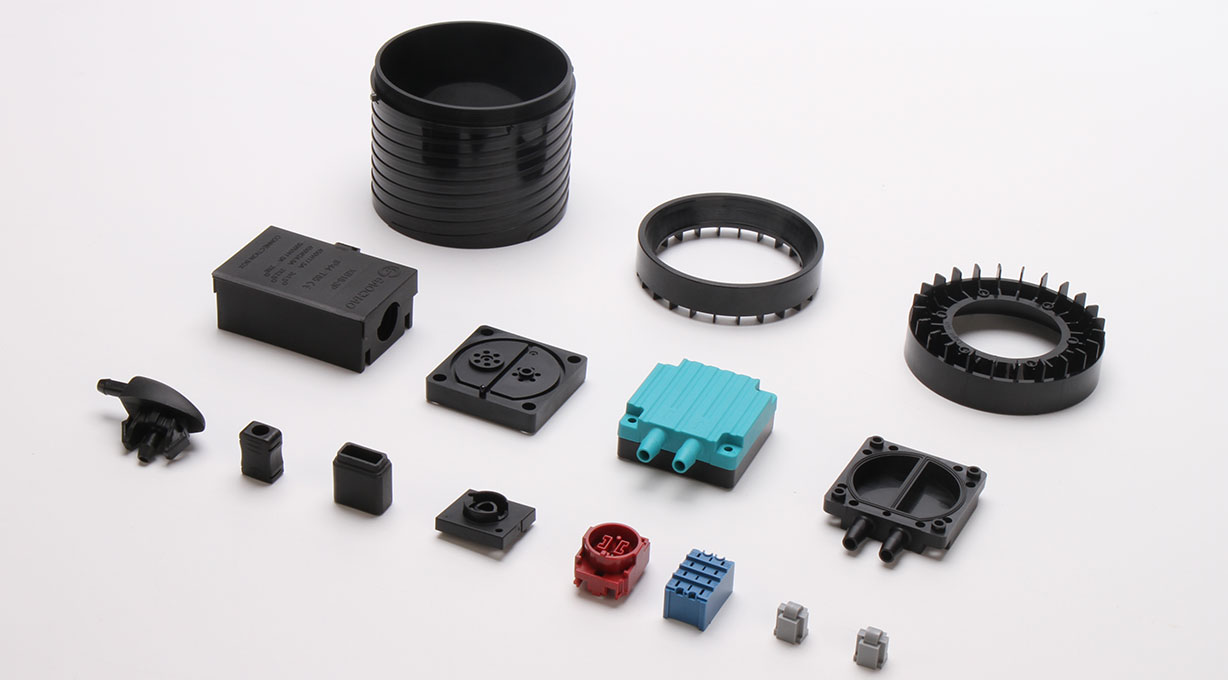
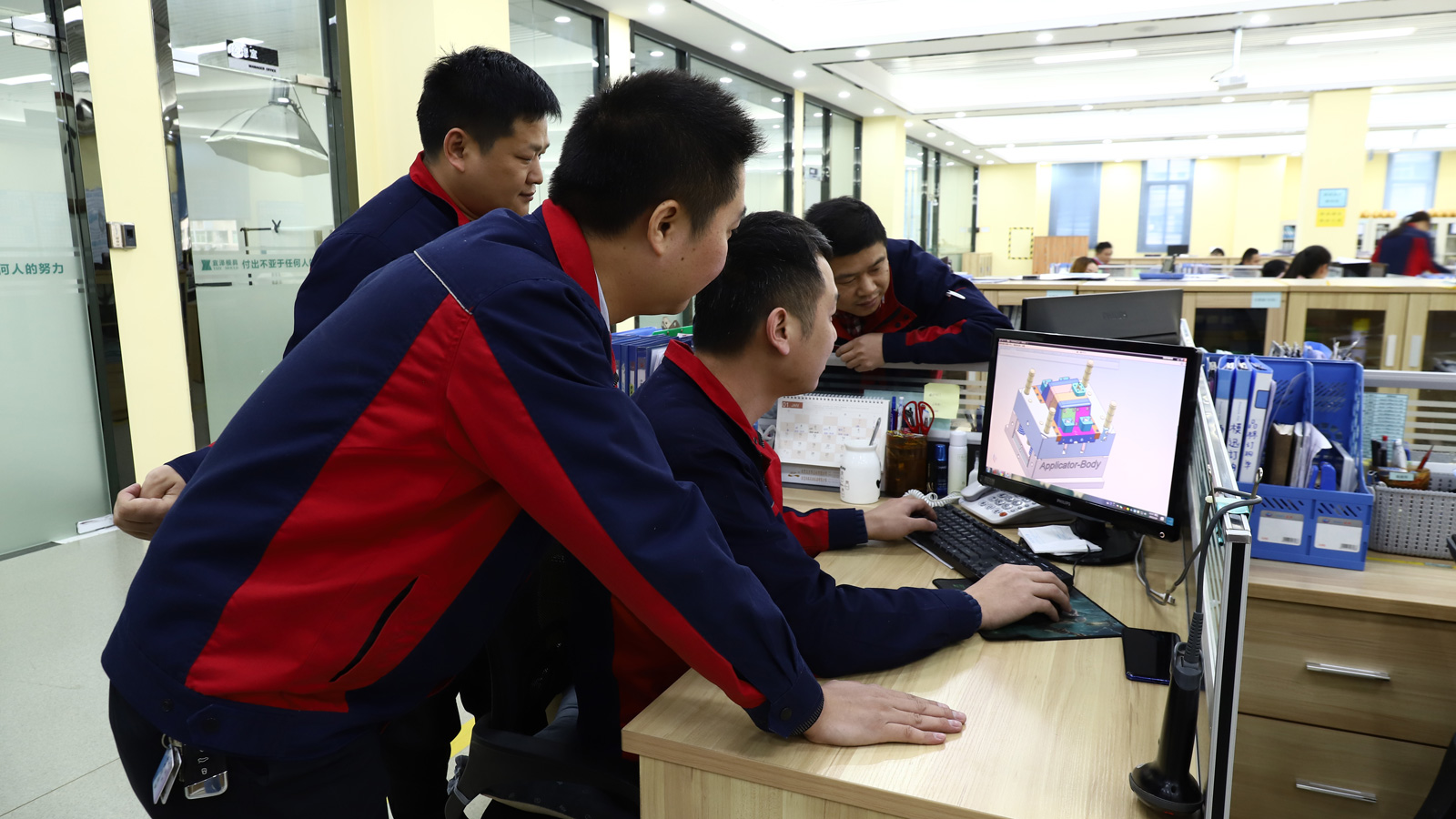
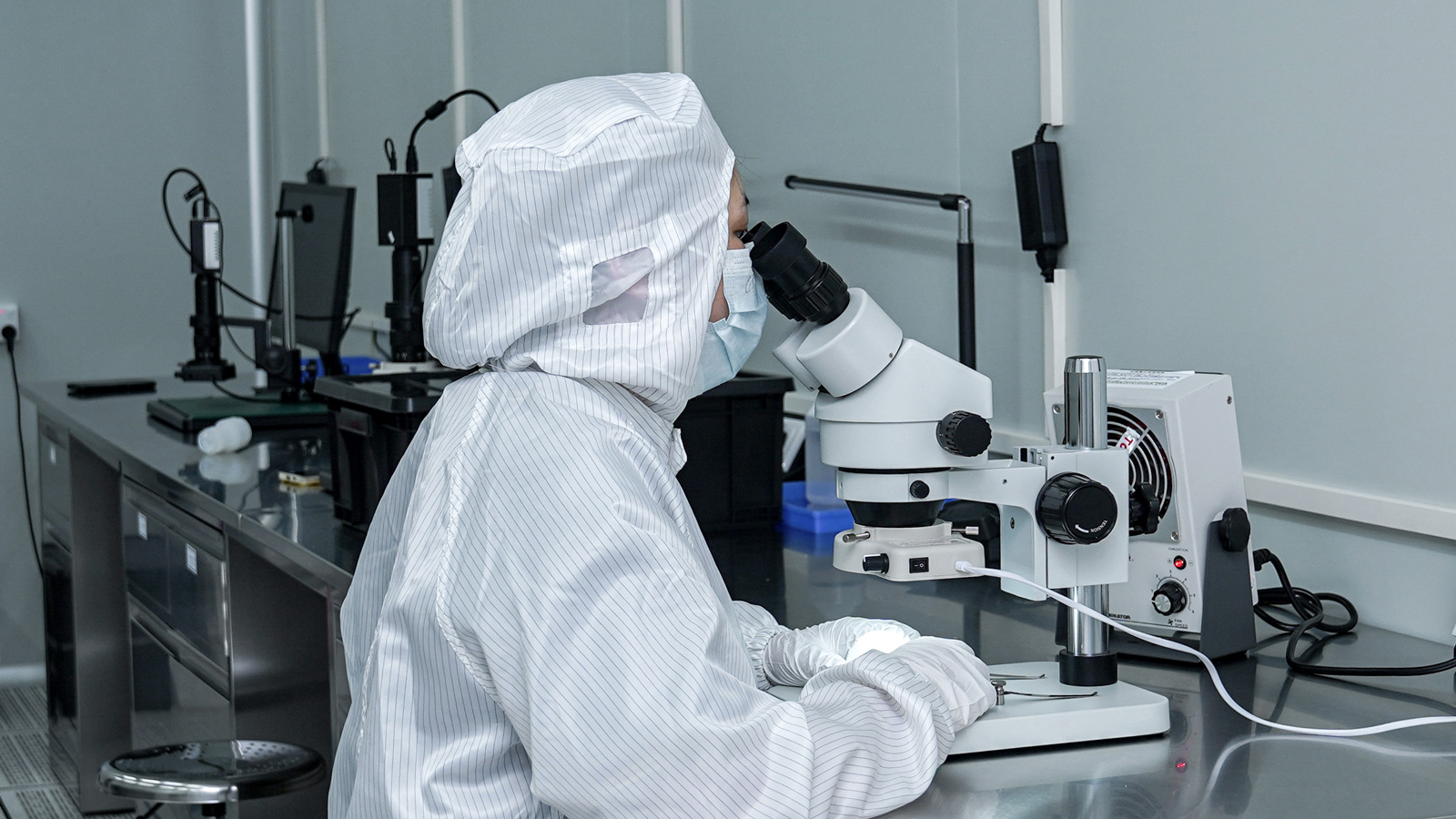

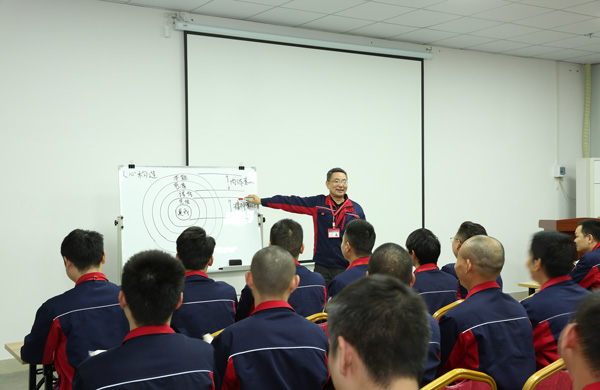
Mold injection molding manufacturing is a professional field with a broad knowledge base and strong practical applicability. The production process involves plastic raw materials, molds, injection molding machines, external equipment, tooling fixtures, nozzles, various auxiliary materials, and packaging products, placing extremely high demands on the management of injection molding workshops. Compared with other industries, injection molding workshops impose stricter requirements on the professional competence of personnel across all positions.
Injection molding operations typically run twenty-four hours continuously, often on a two-shift basis. Workshops involve numerous positions with complex and overlapping responsibilities, and the professional skill requirements vary significantly across different roles. To ensure smooth production operations, it is essential to implement systematic management of personnel, materials, equipment, and tools across all stages and positions.
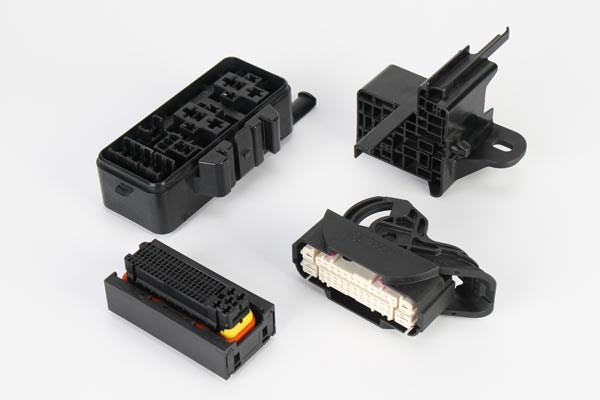
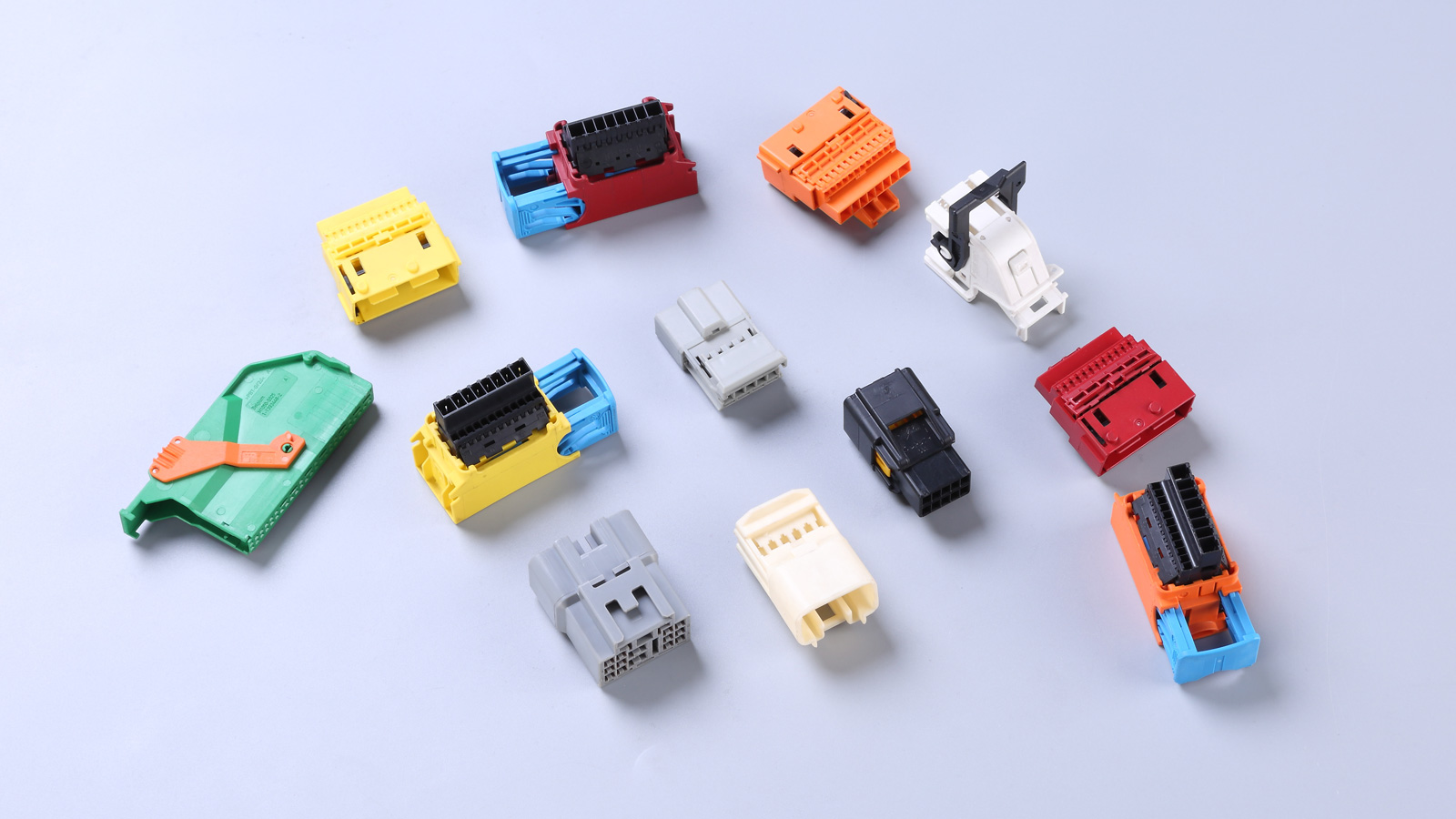
Among the many product quality issues, product bursting is a high-frequency and severe defect commonly encountered by mold injection molding manufacturers. Customers typically first suspect that the proportion of regrind material (runner scrap) added is too high — and indeed, excessive regrind content is a major contributing factor. However, the causes of bursting extend well beyond this. Another typical issue occurs when a connector cracks immediately upon button press. The root cause is often inadequate injection point design by the molding manufacturer, resulting in a weld line impact perforation at the top, where the wall thickness is extremely thin. This is particularly prominent in ABS material processing. Experienced design engineers will first examine the glue delivery process and relocate the weld line to a position less prone to bursting, thereby eliminating the risk at the source.
FAQ
Q: What is the most common cause of injection molded product bursting?
A: The most common causes include excessive regrind material ratio, unreasonable injection point design leading to weld line perforation, and inherent material characteristics. Among these, excessive regrind content and improper gate location are the two core factors.
Q: Why is ABS material particularly prone to bursting?
A: In injection molding, the weld line area of ABS material has an extremely thin wall thickness. Combined with its inherent brittleness, it is highly susceptible to crack initiation and rapid propagation at the weld line under stress, making gate location and weld strength critical considerations during the design phase.
Q: How can product bursting be prevented at the design stage?
A: Experienced engineers should first review the glue delivery process, relocate the weld line to a low-stress position, control the regrind material ratio appropriately, and optimize the injection point layout according to material characteristics.