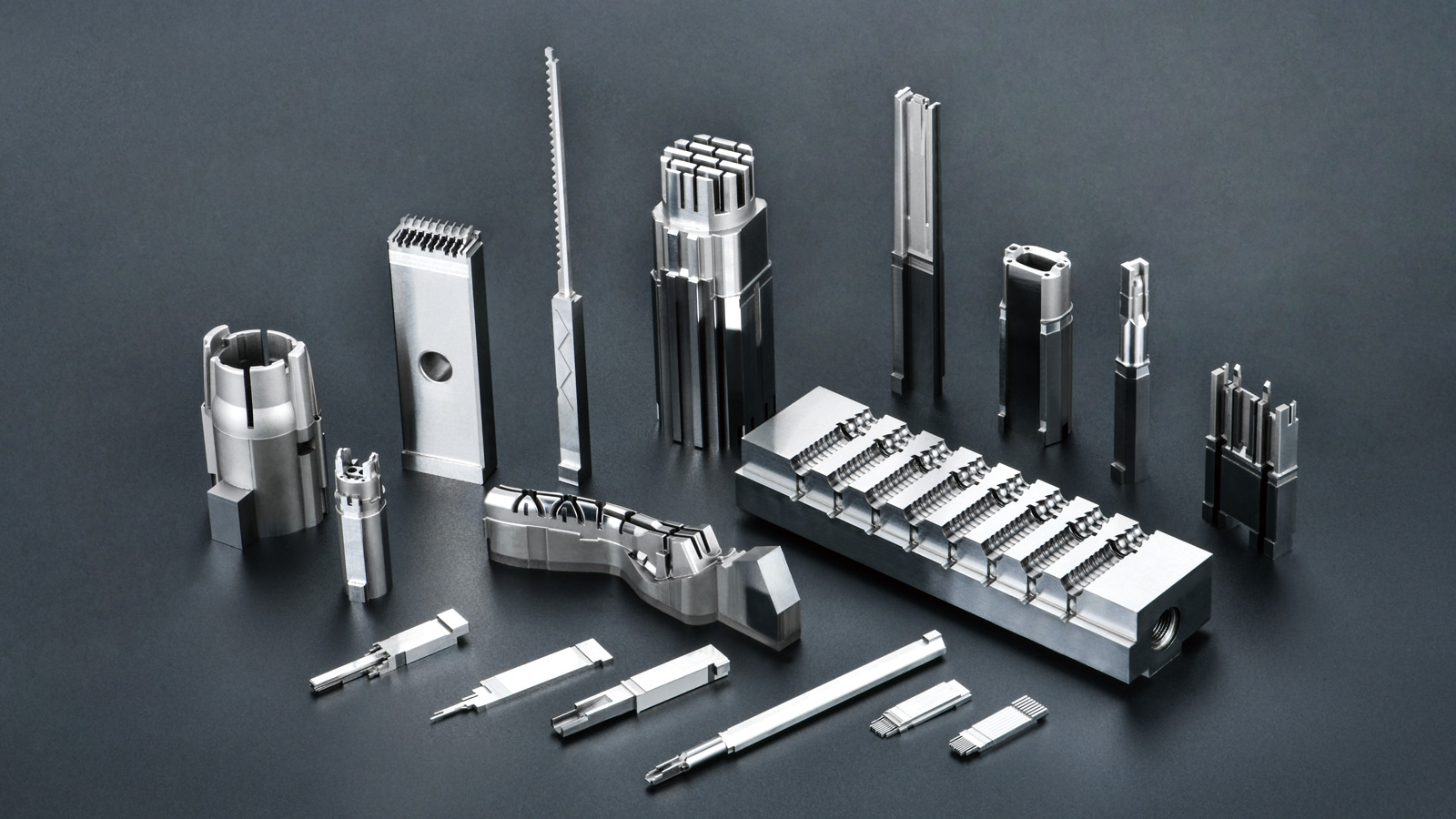
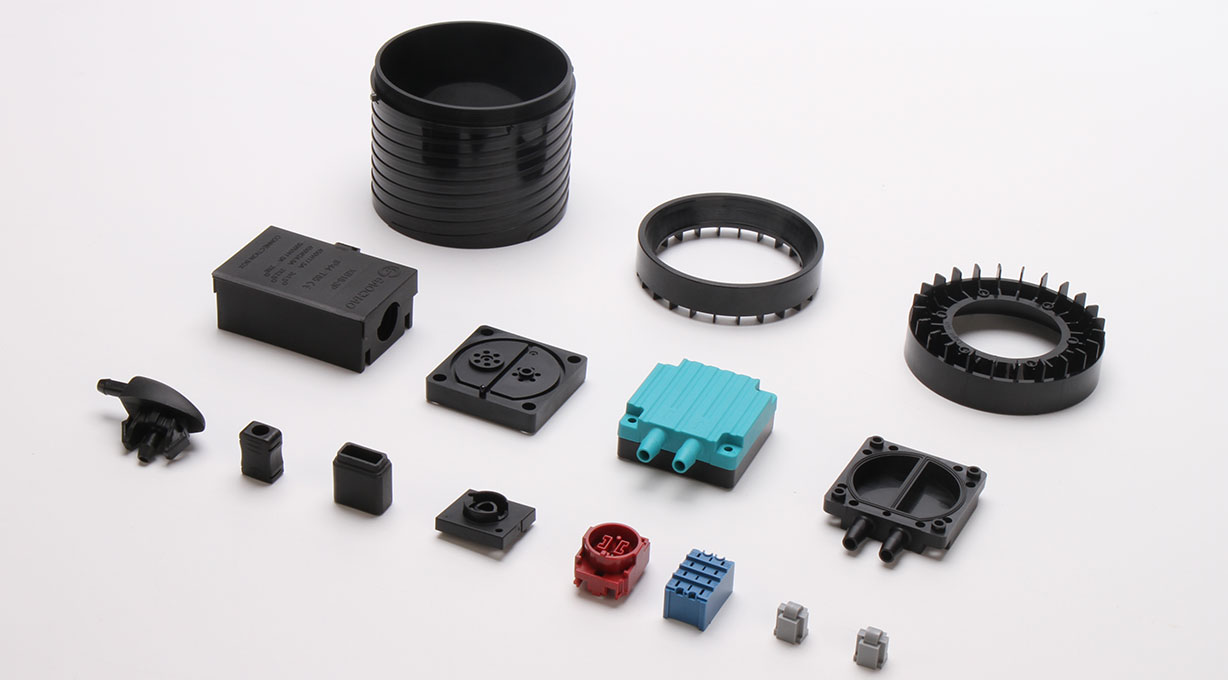





The machining quality of precision molds directly determines the assembly accuracy and service life of downstream products. Once deviations occur in the mid-to-late stages of machining, it not only results in material and labor waste but may also lead to the scrapping of an entire batch. Therefore, every link from equipment inspection to operational standards to safety management must be strictly controlled. The following outlines the critical points that cannot be overlooked in precision mold machining from four core dimensions.
1. Pre-Startup Preventive Inspection of Equipment Cannot Be Omitted
The starting point of any precision machining operation is the confirmation of equipment status. Before startup, the following items should be prioritized for verification: whether all moving parts have been lubricated with grease as required, and whether the clutch and braking systems operate sensitively and respond normally. It is recommended to run the CNC machine idle for 1 to 3 minutes before formal machining begins, observing whether the operation is stable and whether there are any abnormal noises or vibrations. This step may seem simple, but it serves as the first barrier to eliminating equipment hazards and ensuring machining continuity.
2. Strict Adherence to Operating Procedures Is the Fundamental Guarantee of Precision
Precision mold machining demands an extremely high level of operational compliance. Any deviation from standard procedures can introduce irreversible dimensional deviations at the micro level. In actual production, errors caused by operators’ distraction or fatigue are not uncommon. To address this, enterprises should establish clear work standards while strengthening on-site supervision. Operators must maintain full concentration and execute every process strictly in accordance with process documentation. Only in this way can mold precision be systematically guaranteed.
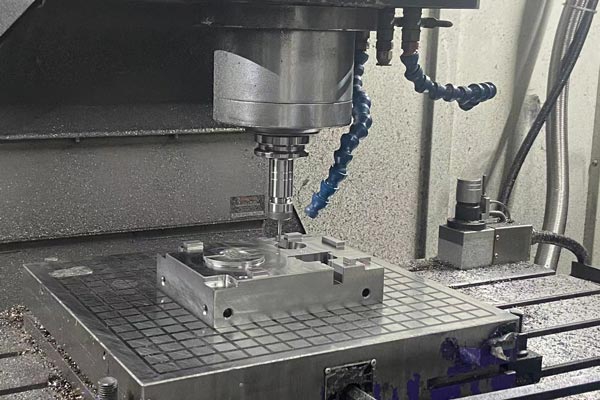
3. Power Must Be Cut Off When Replacing Molds
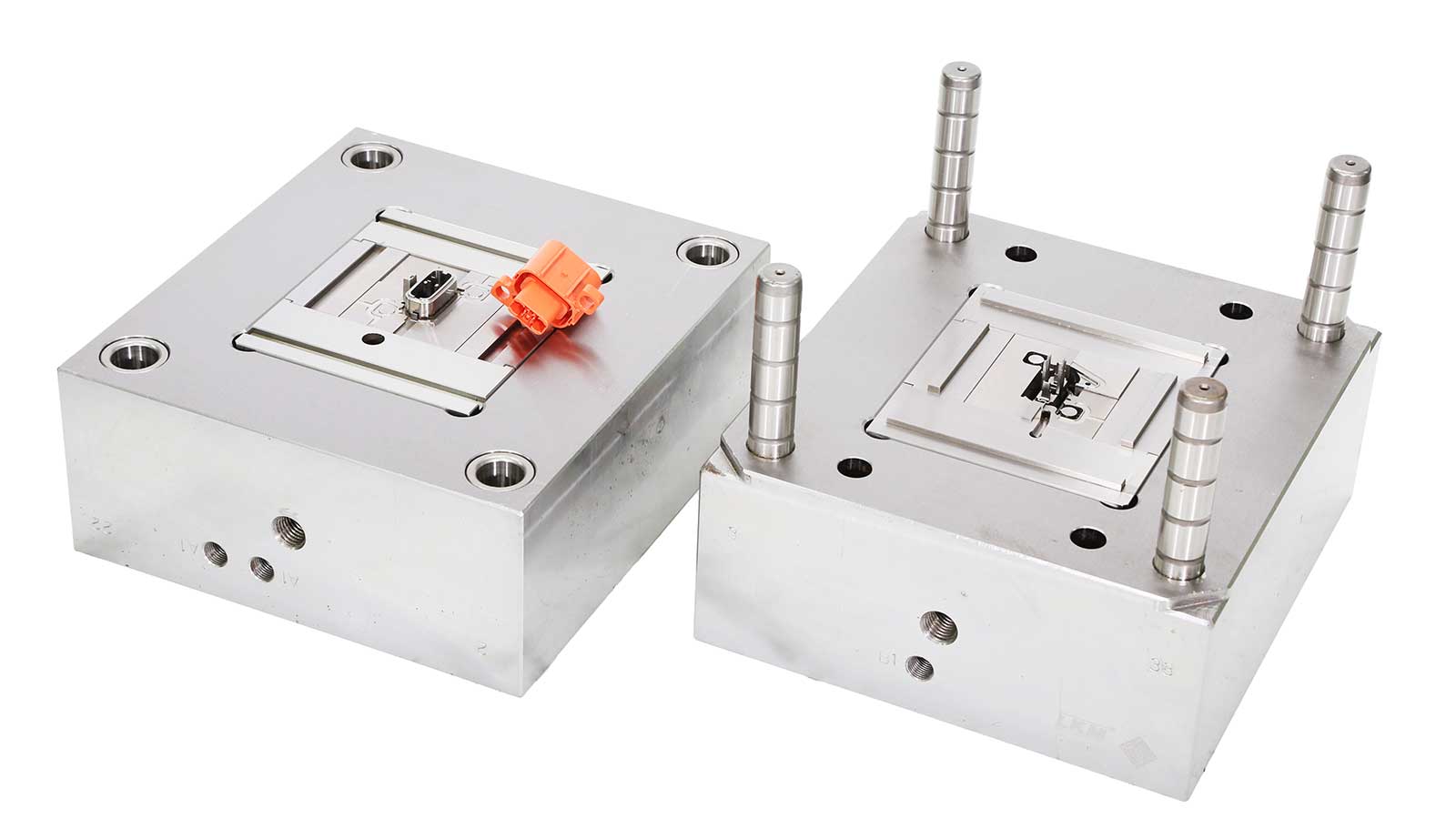
In multi-variety rotational production scenarios, mold replacement is a high-frequency operation. At this time, the equipment power must be cut off before any disassembly or assembly work begins. Live-line operation not only risks equipment malfunction due to induced current but also poses serious personal safety hazards. Power-off mold change is the most basic safety red line in precision mold machining and should never be omitted under any circumstances. This is both protection for the equipment and responsibility for the operator’s life safety.
4. Closing Management and Continuous Improvement Awareness
The above points demonstrate that quality control in precision mold machining is not limited to the machining process itself but runs through the complete chain of pre-startup, during machining, mold change, and post-shift closure. It is recommended that enterprises incorporate standardized operations into daily training programs. For unfamiliar processes, operators should observe and learn before operating independently, to prevent safety accidents caused by insufficient experience. The main power of all equipment must be shut down after work each day to lay a stable foundation for the next day’s production.
FAQ
Q: What is the primary purpose of running the equipment idle before precision mold machining?
A: The core purpose of idling for 1 to 3 minutes is to verify the equipment’s operating status, confirming that all moving parts are properly lubricated, the clutch and braking systems are functioning normally, and there are no abnormal vibrations or noises, thereby eliminating equipment hazards before formal machining begins.
Q: What impact does operator inattention have on mold precision?
A: The tolerances of precision molds are often at the micron level. Any non-compliant operation, such as incorrect feed rate settings or clamping offset, will directly cause dimensional deviations. At best, the product will be non-conforming; at worst, the entire mold will be scrapped.
Q: Why must power be cut off when replacing molds instead of operating live?
A: Live-line mold change carries the risk of induced current, which may cause equipment malfunction and result in mechanical injury. It can also cause electrochemical corrosion to the cavity surface of precision molds. Power-off operation serves the dual need of ensuring personnel safety and protecting mold quality.
Q: How can consistency in precision mold machining be systematically improved?
A: Progress must be made simultaneously at three levels: first, establish and strictly enforce an equipment point-inspection system; second, solidify operating procedures into standard work documents with ongoing training; third, implement safety closed-loop management such as power-off mold change and power-off at shift end.