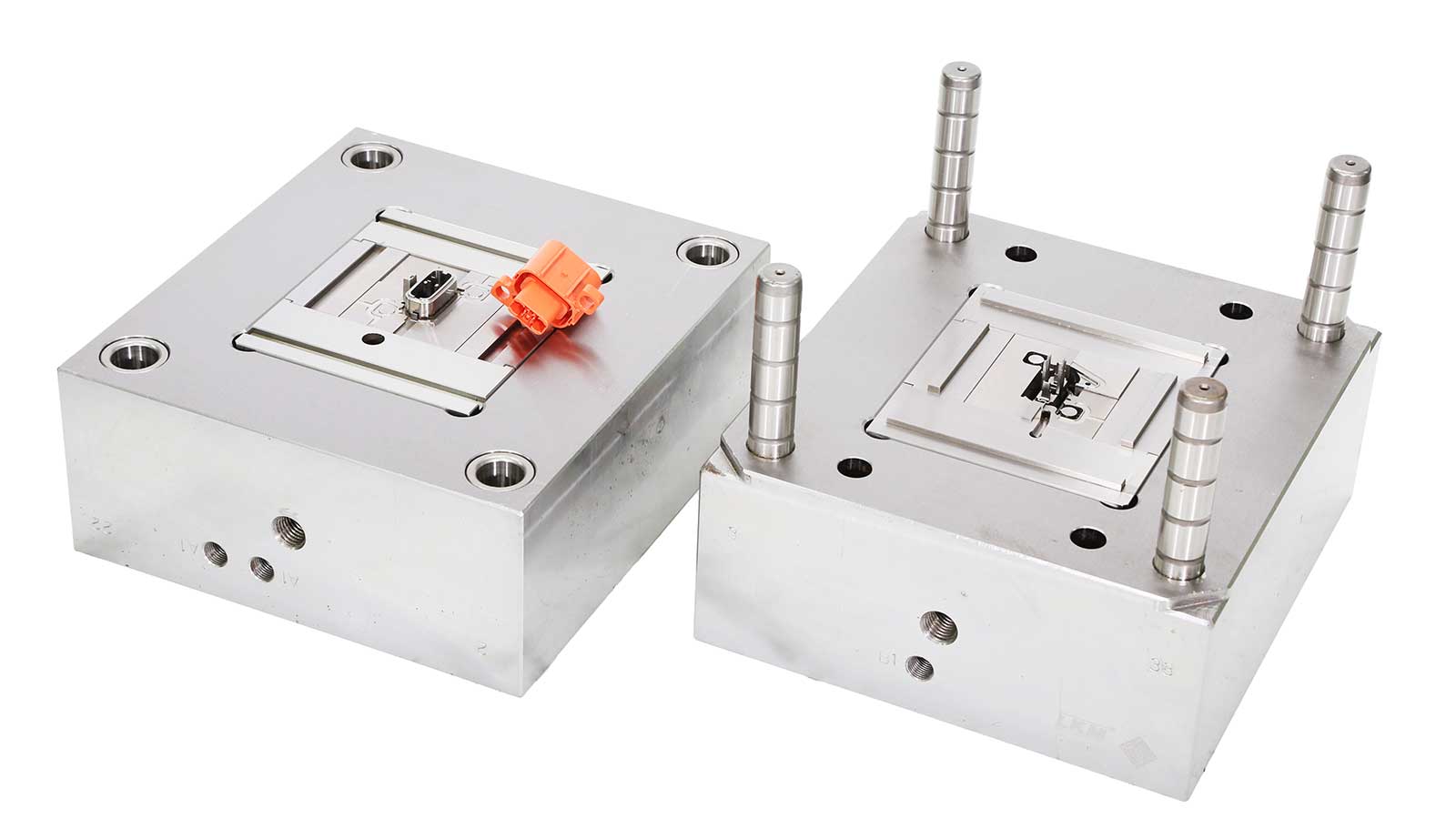
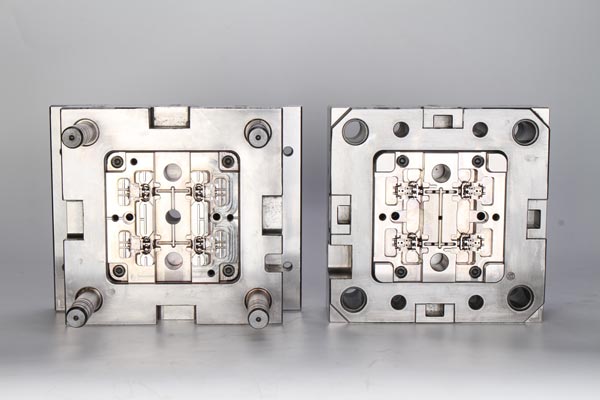
During long-term production of plastic mold injection molding, mold wear, insufficient lubrication, and other factors inevitably lead to various abnormalities, such as stuck ejector pins, product defects, and dimensional deviations. When such issues arise, avoid blind operation. Instead, follow a standardized abnormal handling process to minimize downtime losses and ensure delivery schedules.
The following is a systematic procedure for addressing injection molding abnormalities:
Step 1: Stop the line immediately and document. Upon detecting any abnormality in injection molding, halt production at once. Take photographs as evidence and record the time of occurrence, machine number, mold number, and abnormal manifestations in detail, providing a complete basis for subsequent analysis.
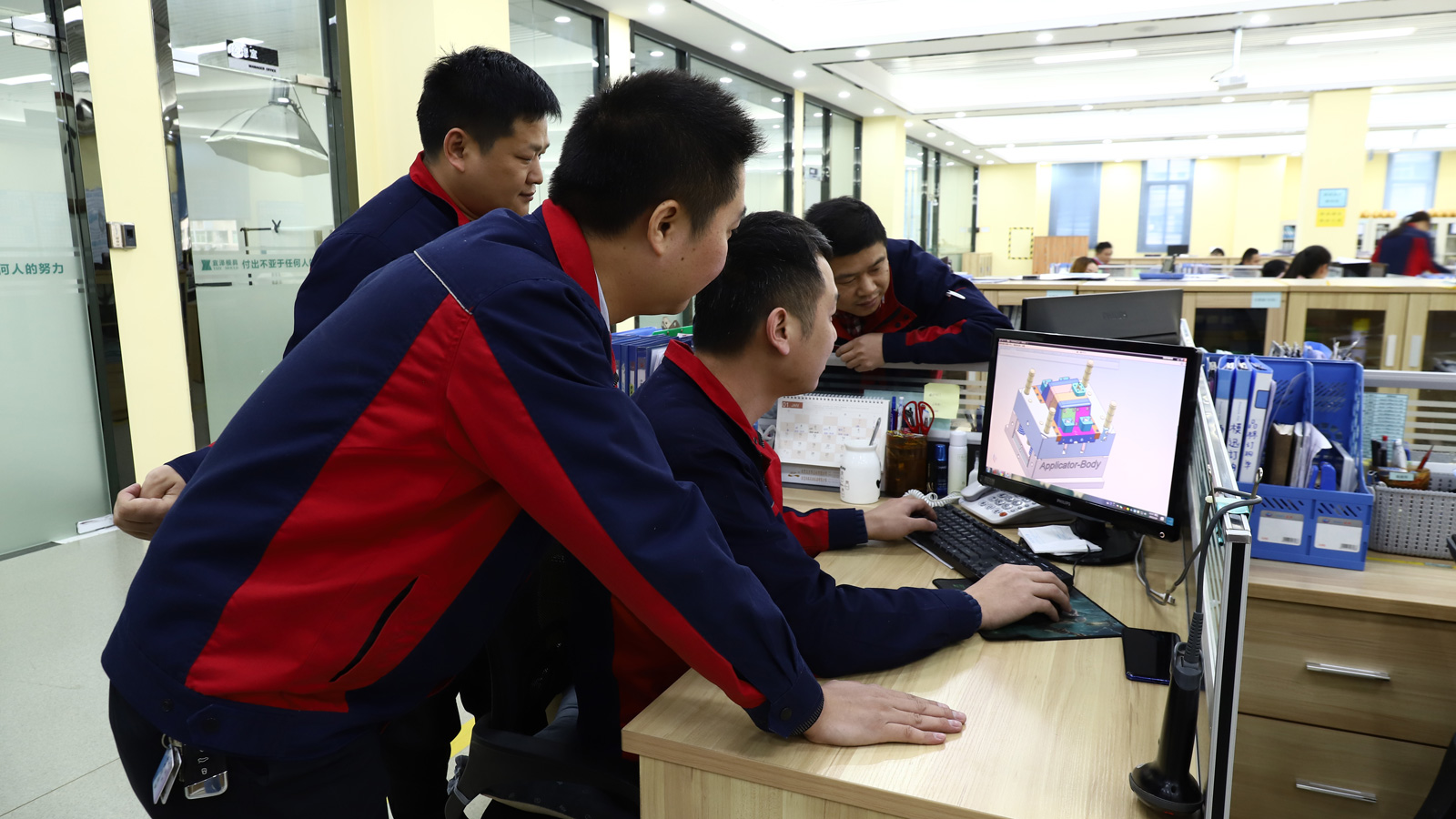
Step 2: Conduct professional root cause diagnosis. Have experienced mold engineers perform a systematic analysis of the abnormality to identify the specific cause. Common causes include improper injection parameter tuning, mechanical component failure, operational procedure deviations, or mold wear itself. Each factor must be systematically ruled out to pinpoint the root cause accurately.
Step 3: Initiate maintenance response. Based on the diagnostic results, promptly contact the injection molding manufacturer or the in-house professional maintenance team to obtain targeted repair plans and technical support, ensuring the repair direction is accurate and resources are in place.
Step 4: Adjust the production plan reasonably. Evaluate the impact on delivery schedules according to the repair plan, flexibly deploy backup molds or coordinate production capacity to minimize disruption to the overall production rhythm.
Step 5: Execute mold repair and trial mold verification. After repair is completed, a strict trial mold must be conducted. Mold engineers shall follow up throughout the process to confirm that product function, appearance, dimensions, and other indicators all meet standards. If the trial mold fails to meet requirements, the mold must return for further repair until it passes. Mass production may only resume after relevant departments confirm the trial mold results on site.
FAQ
Q: What is the most common cause of stuck ejector pins in injection molding?
A: The primary cause is the lack of regular lubrication maintenance during prolonged mold use, which increases friction between the ejector pins and their bores, leading to carbon buildup and jamming. It is recommended to establish a periodic lubrication maintenance schedule.
Q: Does a failed trial mold require a complete mold rework?
A: Not necessarily. The trial mold result determines whether a local adjustment or a full rework is needed. If the issue is only a parameter deviation, minor adjustments followed by a retrial may suffice. If structural mold damage is involved, targeted repair is required.
Q: How can the frequency of injection molding abnormalities be reduced at the source?
A: The key lies in establishing a preventive maintenance system, including regular mold upkeep, standardized injection parameter management, and standardized operator training, to systematically control risks across equipment, process, and personnel dimensions.