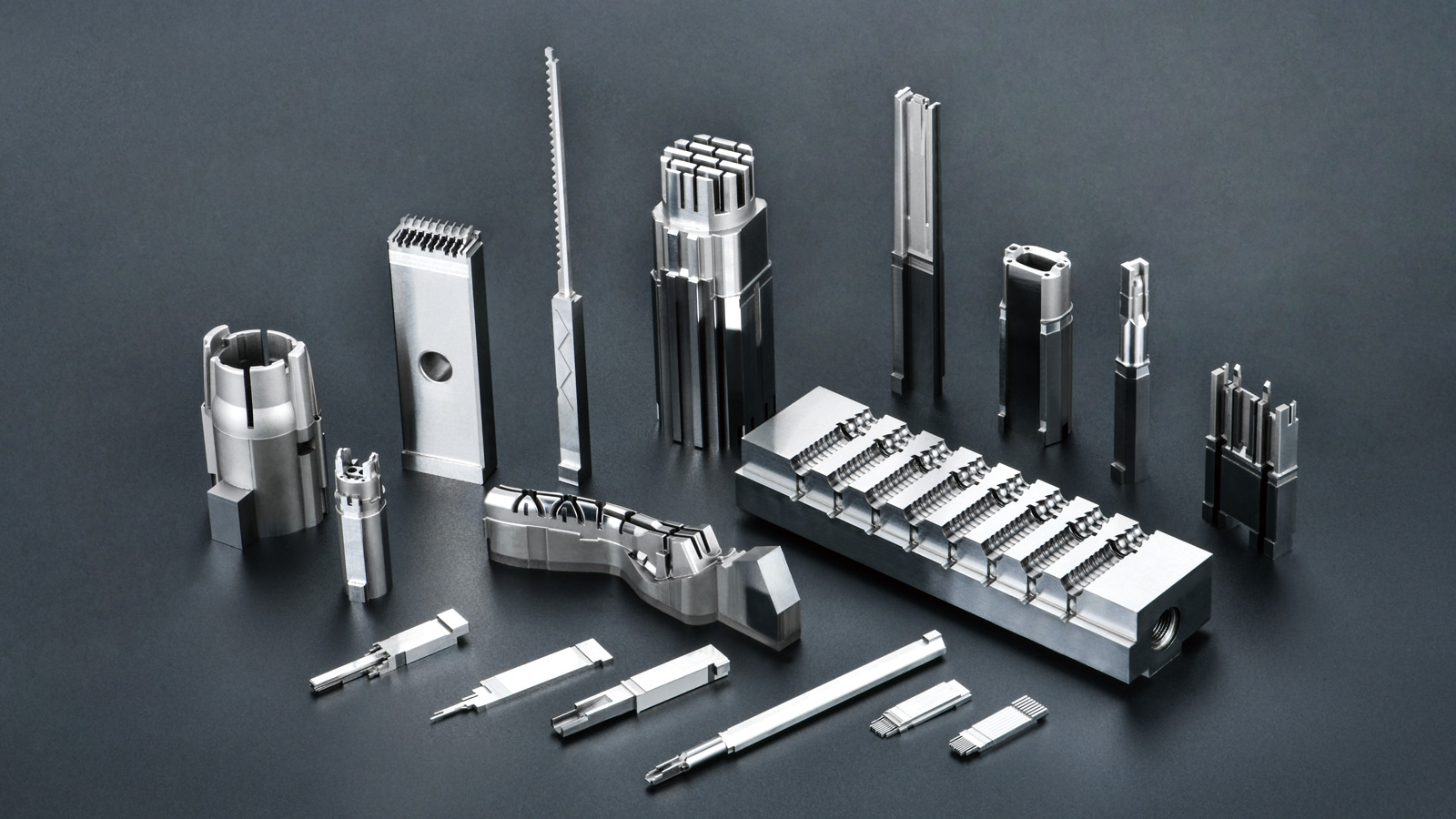
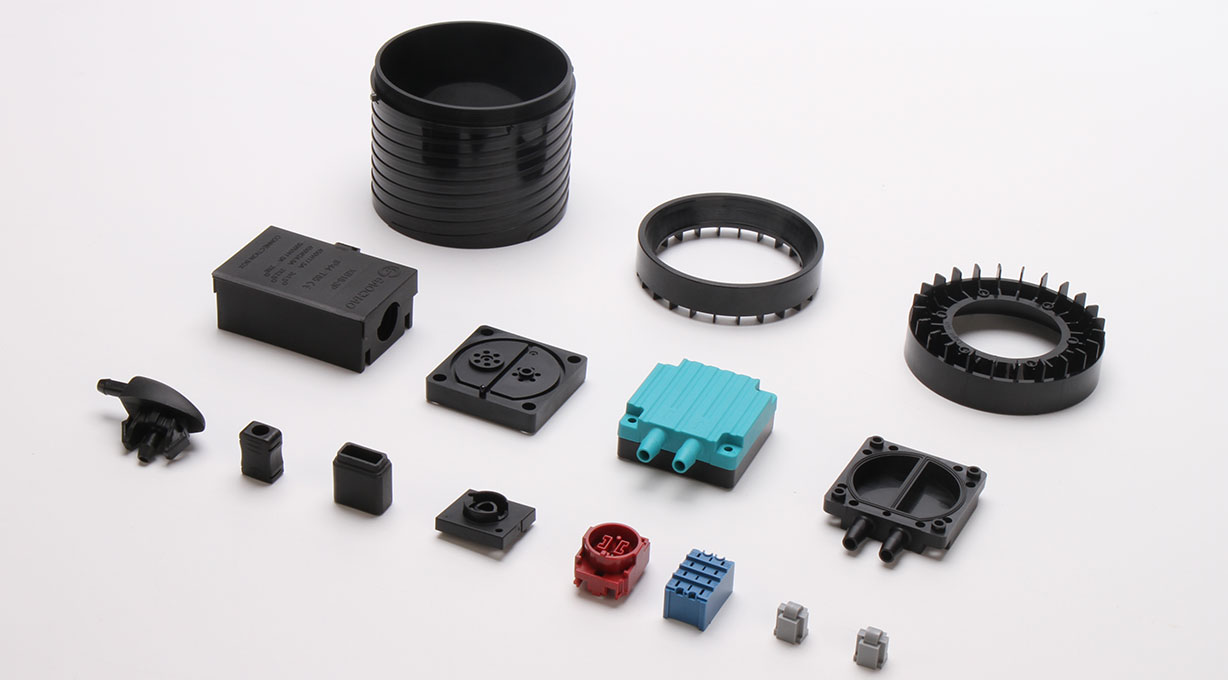





In the field of plastic mold manufacturing, high-speed cutting (HSC) has gradually replaced traditional machining processes and become the core technical route for injection mold processing manufacturers. This trend is not accidental but is driven by the systematic advantages of high-speed cutting across tool life, machining precision, production efficiency, and overall cost. The following analysis delves into the fundamental reasons why high-speed cutting has become the preferred method, from both technical principles and business value perspectives.
I. Controllable Thermal Effects Significantly Extend Tool Life
During high-speed cutting, although the contact area between the tool and the workpiece maintains a high temperature, the cutting depth is extremely shallow and the contact time between the cutting edge and the material is exceptionally short. Before heat can fully conduct to the tool body, the speed of the cutting pass has already exceeded the rate of heat transfer. This thermodynamic characteristic allows the tool to maintain stable cutting performance even under high-temperature conditions. Tool life is significantly extended compared to traditional processes, directly reducing tool procurement and replacement costs.
II. Low Cutting Forces Ensure Machining Stability and Machine Longevity
The typical cutting depth in high-speed cutting is shallow, resulting in significantly reduced axial forces on the tool and spindle. Low cutting forces effectively prevent tool deflection and vibration, providing a stable and reliable machining allowance for every tool and every process step. This is one of the prerequisites for achieving high efficiency and safe machining. At the same time, low axial forces reduce wear on the machine spindle, guide rails, and ball screws, extending equipment service life. The combination of high-speed cutting with radial cutting delivers minimal impact on the spindle, enabling the use of long-overhang tools for deep cavity machining with controllable vibration risk.
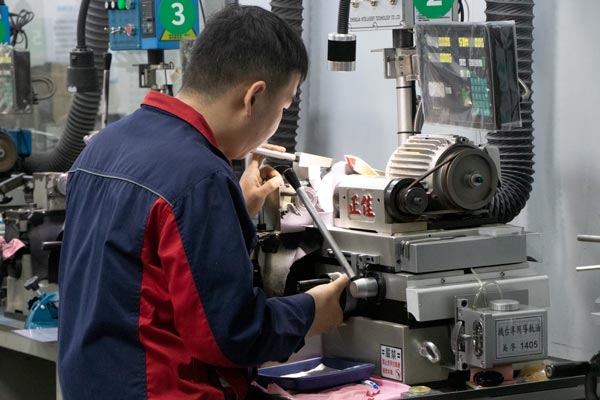
III. Outstanding Cost-Effectiveness at Low Material Removal Rates
For roughing, semi-finishing, and finishing of small-sized parts, high-speed cutting demonstrates excellent economic performance when the total material removal rate is relatively low. Short per-piece machining time and reduced tool change frequency create a clear cost advantage per unit product.
IV. Fewer Clamping Operations Improve Mold Geometric Precision
The high efficiency of high-speed cutting directly reduces the number of clamping operations during mold machining. Fewer clamping operations mean less accumulation of positioning errors, resulting in a significant improvement in mold geometric precision. Meanwhile, the time saved can be allocated to manual finishing and trial mold verification, further ensuring final product quality consistency.
V. CAM and Shop-Floor Programming Maximize Production Capacity
With the support of CAM systems and shop-floor-oriented programming technology, process plans can be meticulously arranged. Optimized tool paths fully unlock the production potential of CNC machines and the workshop, with machine utilization rate and workshop operational efficiency improving in tandem.
In summary, high-speed cutting has become a key technical means for injection mold manufacturers to enhance market competitiveness by shortening production cycles, increasing output per unit time, and reducing overall manufacturing costs.
FAQ
Q1: Is high-speed cutting suitable for all plastic mold materials?
High-speed cutting delivers particularly outstanding results for non-ferrous metal molds such as aluminum alloy and copper alloy. For steel molds, appropriate tool coatings and cutting parameters must be selected based on hardness. Not all steel grades are suitable for direct high-speed cutting. It is recommended to conduct a comprehensive assessment based on material characteristics and machining requirements.
Q2: Does adopting high-speed cutting require upgrading existing equipment?
Generally yes. High-speed cutting places high demands on spindle speed, rigidity, and dynamic response capability of the machine tool. If the existing equipment has insufficient spindle speed or low rigidity, forcing higher speeds will instead intensify vibration and tool wear. It is recommended to conduct a machine capability assessment before implementation.
Q3: Can high-speed cutting completely replace electrical discharge machining (EDM)?
No, it cannot fully replace EDM. High-speed cutting shows clear advantages in open structures such as cavities and runners, but for complex features like deep narrow slots and sharp corners where EDM excels, the two are more complementary. The optimal approach is to allocate both processes reasonably according to mold structural characteristics.