



Product Structure Design Considerations
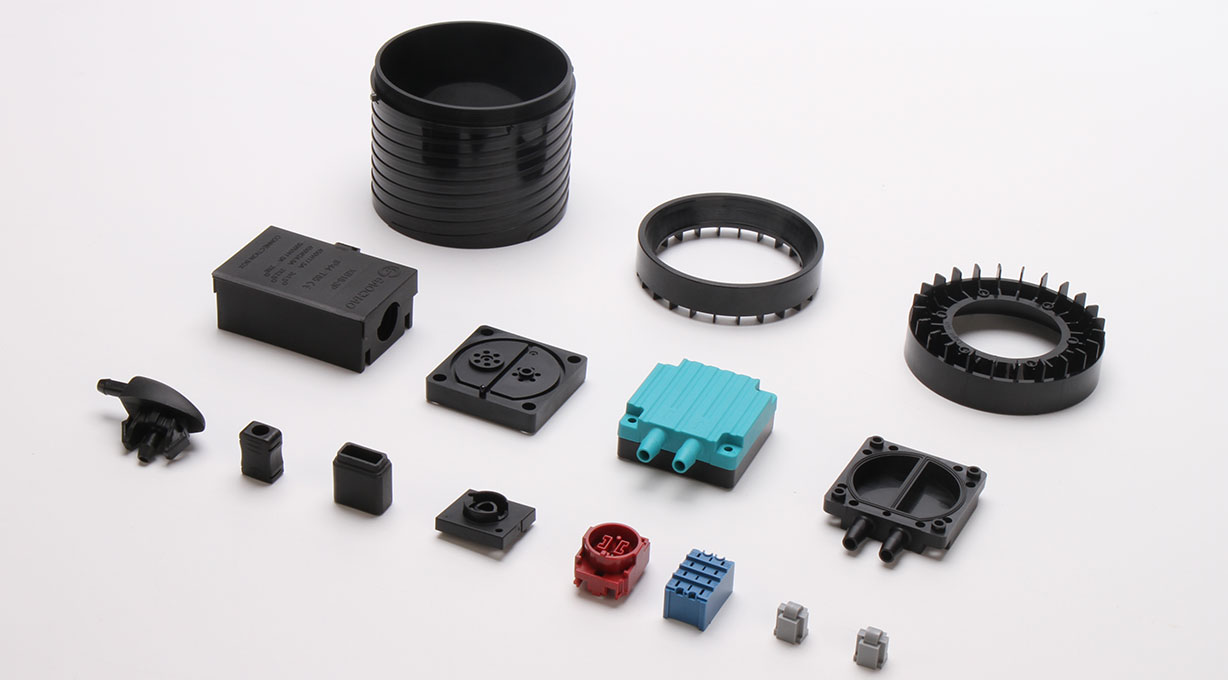
In the initial design phase of medical housing injection molding, manufacturing feasibility must be integrated into the engineering process to ensure a seamless transition from concept to production.
Material Selection and Biocompatibility
Medical housing materials must comply with biocompatibility standards such as ISO 10993. Commonly used materials include polycarbonate (PC), acrylonitrile butadiene styrene (ABS), PC/ABS alloys, and specialty engineering thermoplastics. Material selection should be driven by intended use environment—whether the housing will contact human tissue, undergo repeated sterilization, or be exposed to chemical agents. For example, surgical instrument housings require resistance to autoclave sterilization, while diagnostic device housings prioritize resistance to alcohol and disinfectants.
Design for Manufacturability
Avoid sharp internal corners, inconsistent wall thickness, and large flat surfaces. Sharp corners create stress concentrations prone to cracking; uneven walls cause differential shrinkage and warpage. Maintain uniform wall thickness and incorporate draft angles of 1–3 degrees to facilitate ejection. Reinforcements, snap fits, and screw posts must be designed according to injection molding best practices to prevent short shots, sink marks, or trapped air.
Dimensional Accuracy and Tolerance Control
Medical housings often interface with precision components such as circuit boards, sensors, and displays, demanding tight dimensional tolerances. Design specifications must account for material shrinkage rates. Critical mating features should include machining allowances or be compensated through mold design to ensure consistent assembly performance.
Mold Development and Design Essentials
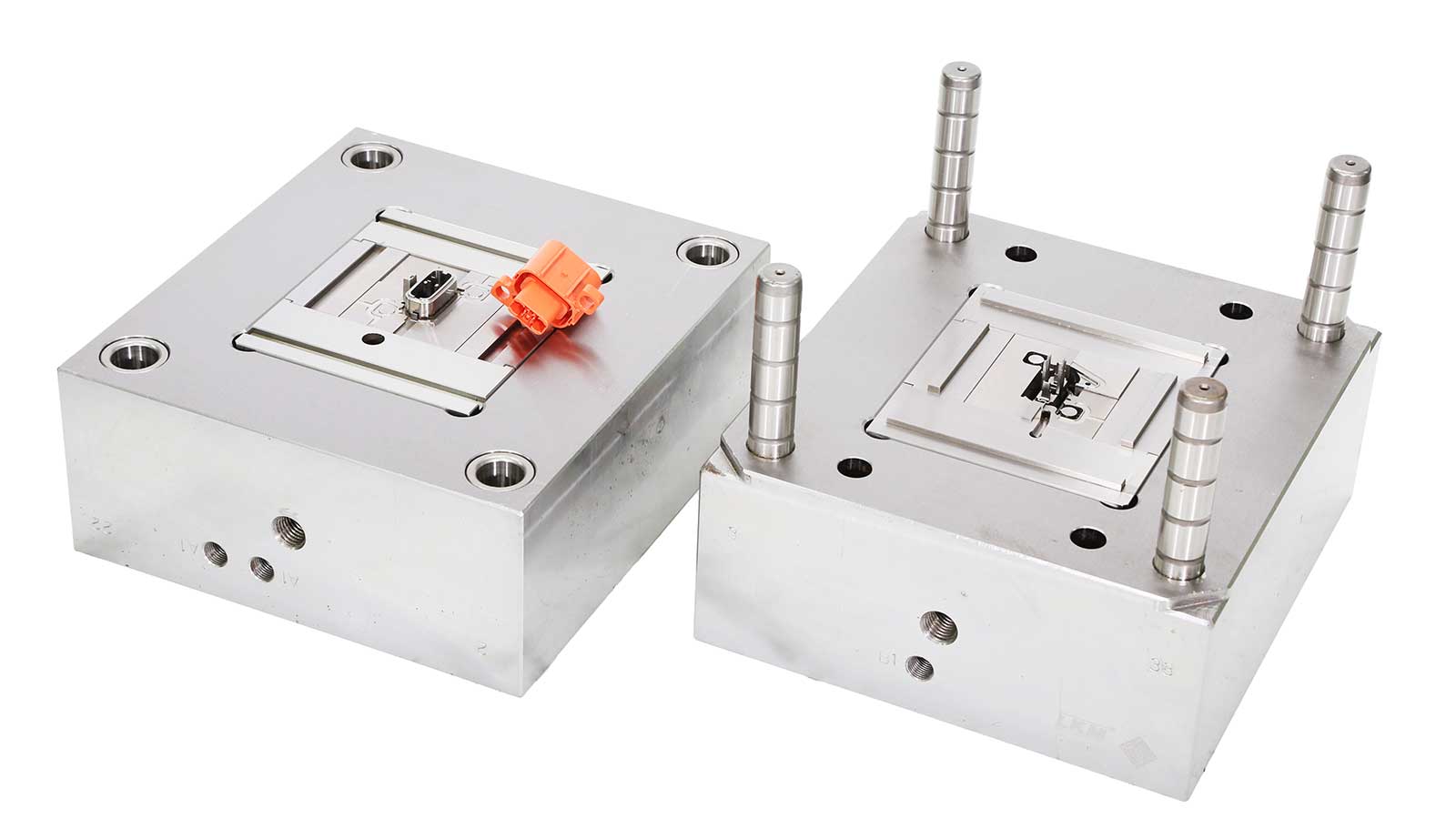
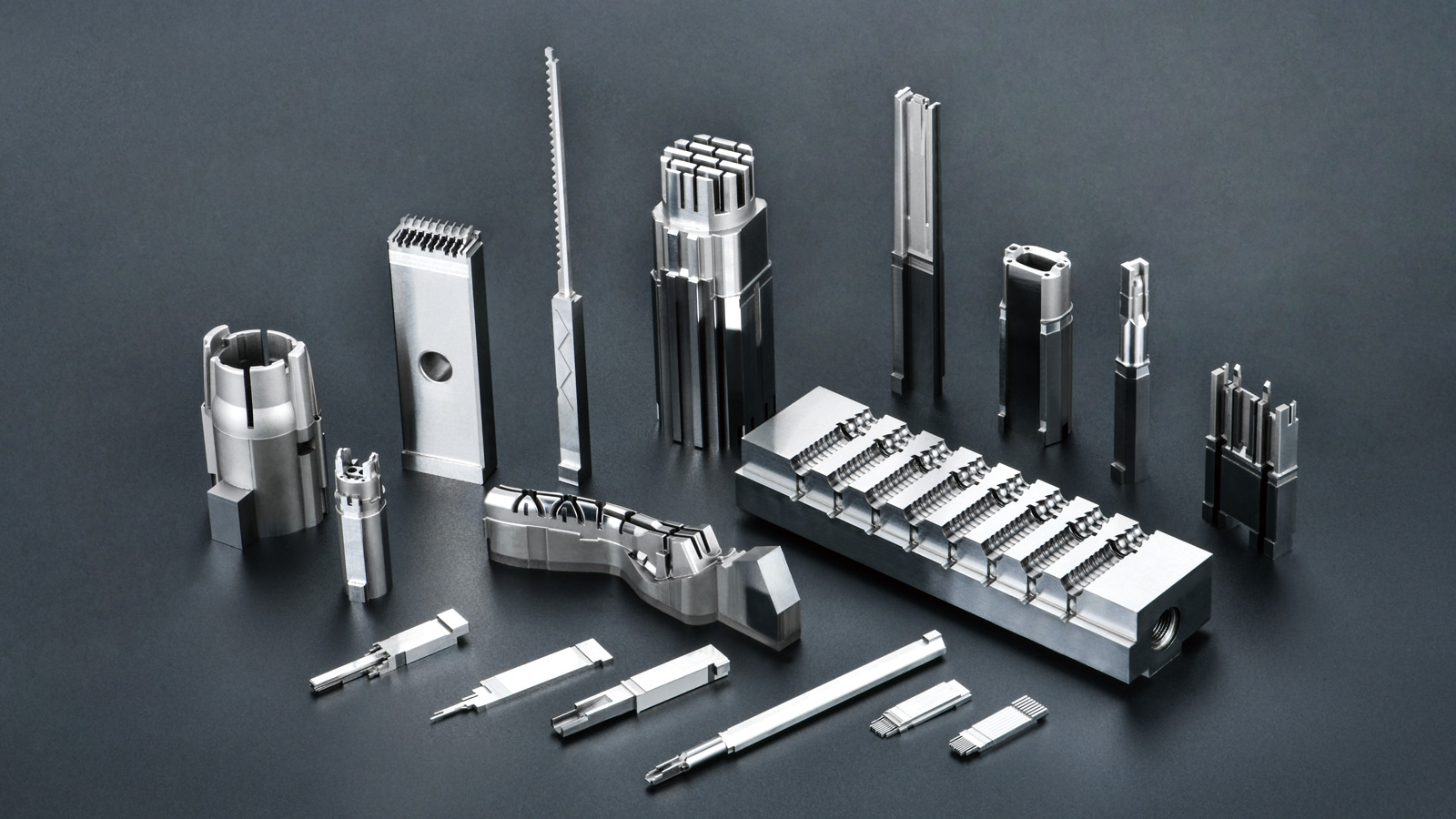
The mold is the core of injection molding. Medical housing molds require exceptional precision, durability, and cleanliness.
Mold Steel and Surface Finish
High-grade, corrosion-resistant steels such as S136 or NAK80 are preferred. Mold cavities must be polished to mirror finish (SPI A1 or A2 grade) to ensure defect-free surfaces and easy ejection. For high-wear areas, chrome plating or nitriding may be applied to extend tool life.
Gate and Runner System Design
Gates should be designed to minimize post-processing and contamination. Submarine or point gates are preferred for automatic gate break-off, eliminating manual trimming. Runner systems must be balanced to ensure uniform filling across all cavities in multi-cavity molds. Hot runner systems are recommended for complex housings to maintain precise melt temperature and reduce material waste.
Cooling System and Temperature Control
Cooling efficiency directly impacts cycle time and part quality. Cooling channels must be strategically placed close to the cavity surface, ideally using conformal cooling technology to ensure uniform thermal distribution. Consistent mold temperature minimizes internal stresses and warpage. Precise temperature control systems are essential to maintain process stability.
Venting and Ejection Mechanisms
Complex geometries, deep ribs, or blind pockets are prone to air entrapment, leading to burn marks or incomplete filling. Adequate venting slots or vent inserts must be incorporated. Ejection systems must operate smoothly; slides and lifters are required for undercuts, ensuring no surface damage during part release.
Injection Molding Production Process Control
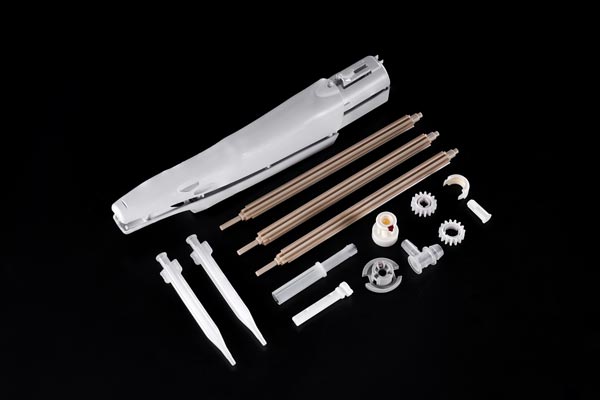
Injection molding transforms design into finished product. Strict controls over environment, parameters, and quality are non-negotiable.
Cleanroom Environment
Production must occur in a GMP-compliant cleanroom (ISO Class 7 or ISO Class 8). Environmental controls for particulate count, humidity, and microbial load are mandatory. Personnel must wear cleanroom garments, gloves, and masks. Strict protocols govern material handling and entry/exit procedures to prevent contamination.
Process Parameter Optimization
Critical parameters include barrel temperature, mold temperature, injection speed, injection pressure, holding pressure, and cooling time. A low-speed, low-pressure filling strategy is recommended to prevent material degradation and flash. Optimal process windows must be established through systematic mold trials to ensure dimensional accuracy, surface quality, and mechanical integrity.
In-Process Quality Assurance and Traceability
A rigorous quality control system must be implemented. First-article inspection, in-process checks, and final inspection are required. Critical dimensions must be verified using coordinate measuring machines (CMM) or optical measurement systems. Visual inspection under standardized lighting is mandatory to detect flash, sink marks, weld lines, or bubbles. Each part must be uniquely traceable via batch number, machine ID, operator, and raw material lot.
Packaging and Logistics
Housings must be packaged in static-dissipative, dust-free cleanroom bags, often vacuum-sealed or nitrogen-purged. Outer cartons must provide impact protection. Transportation must maintain a clean, dry environment to prevent moisture absorption or particulate contamination.
FAQ
Q1: What are the most common quality defects in medical housing injection molding, and how can they be prevented?
A: Common defects include sink marks, warpage, weld lines, and flash. Sink marks can be mitigated by optimizing wall thickness and increasing holding pressure. Warpage is reduced by improving mold cooling uniformity and matching material shrinkage. Weld lines are minimized by raising mold temperature or relocating gate positions. Flash is controlled by verifying mold clamping force and reducing injection pressure.
Q2: What special material requirements apply to medical housings?
A: Materials must meet biocompatibility standards (e.g., ISO 10993), exhibit resistance to chemical sterilants (alcohol, hydrogen peroxide), withstand repeated autoclaving, and demonstrate low extractables. Flame retardancy and non-leaching properties are also critical to ensure long-term safety in clinical environments.
Q3: How is cleanliness maintained during medical housing injection molding?
A: Cleanliness is ensured through GMP-compliant cleanroom facilities, strict personnel hygiene protocols, cleaned and sanitized molds, use of clean packaging materials, and controlled material handling. No external contaminants—dust, oils, or residues—are permitted in the production zone.