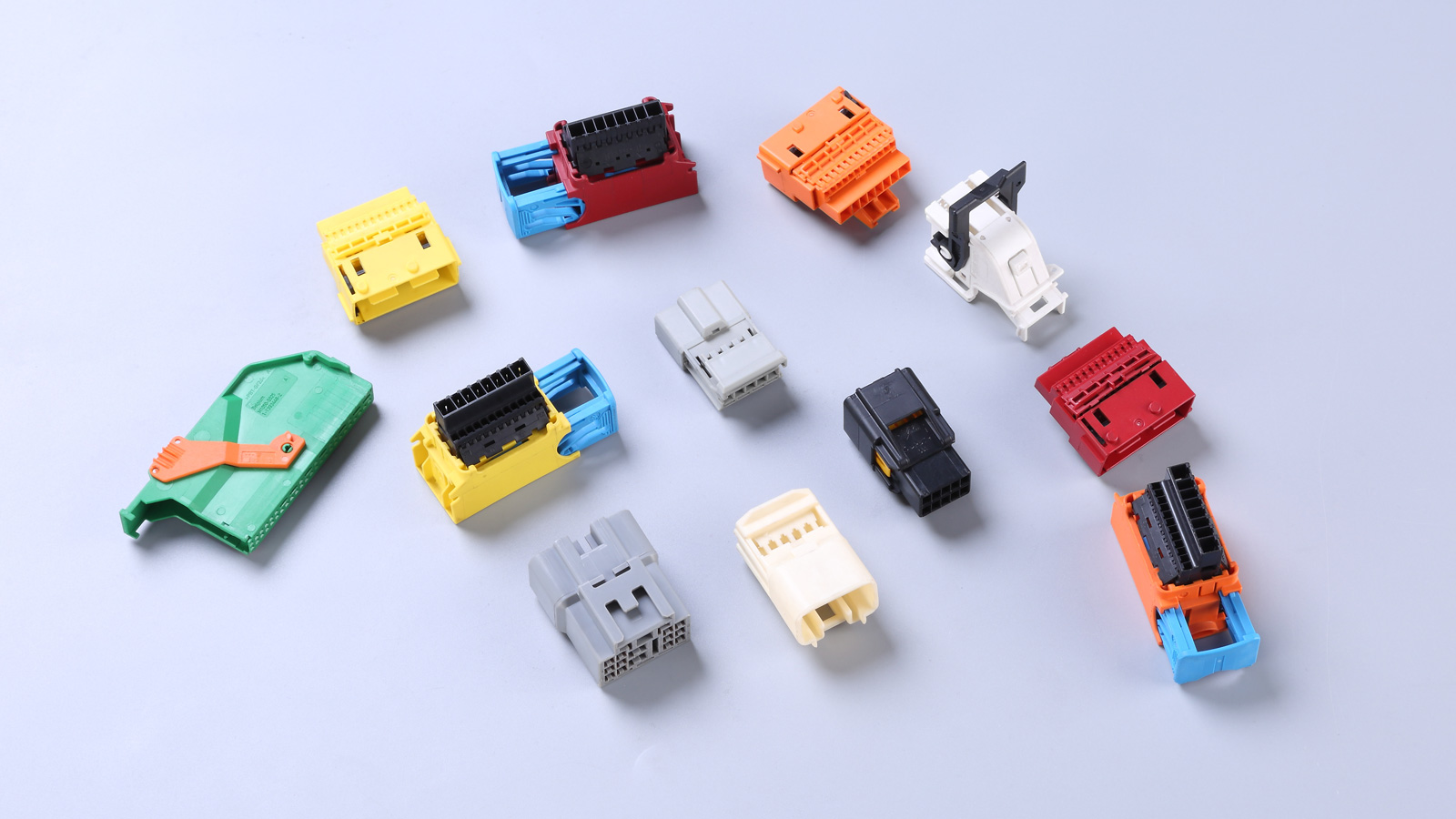
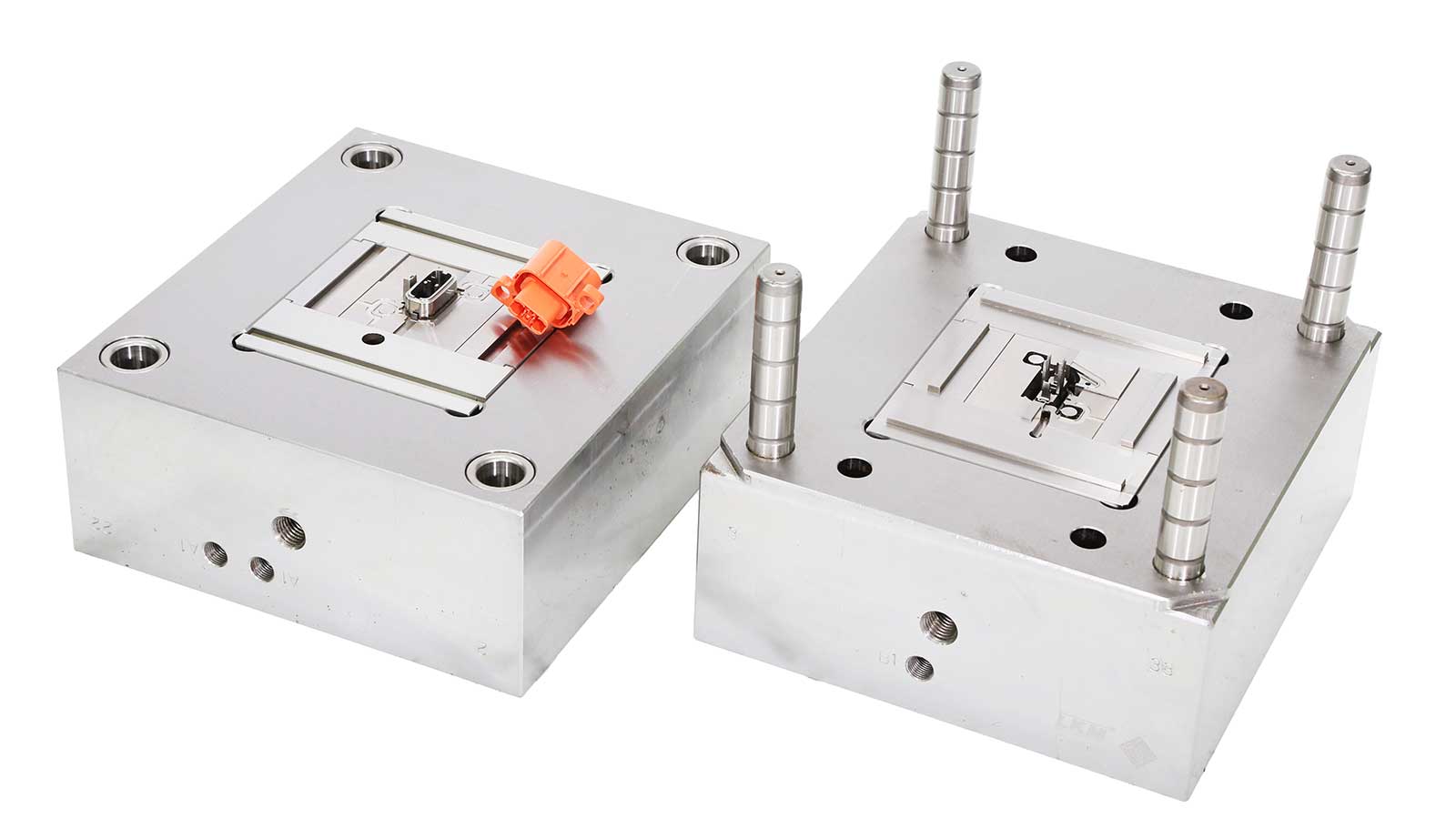

In terminal injection molding production, once the mold slot dimensions deviate beyond tolerance, the terminal cannot be reliably secured within the protective sleeve, resulting in product functional failure. Opting for a new mold not only incurs high costs but also involves a lengthy machining cycle, severely impacting production delivery schedules.
Shenzhen Mingyang Yutong Injection Mold Factory addresses this issue by employing electro-brush plating technology to deposit high-performance metal layers onto worn surfaces. After plating, excess metal is removed through precision machining, restoring the terminal injection mold to its original shape and dimensional accuracy without the need for a new mold. The detailed correction process is as follows.
I. Process Overview
The core principle of electro-brush plating is as follows: with the workpiece connected as the negative pole and the plating pen as the positive pole, metal is directionally deposited onto the mold’s worn surfaces. The plated layer exhibits superior performance compared to the base material, meeting the strength and wear resistance requirements for subsequent injection production. After deposition, precision machining removes the excess plating, restoring the mold cavity to its design dimensions and geometric tolerances.
II. Detailed Correction Process
Step 1: Cavity Cleaning and Protection
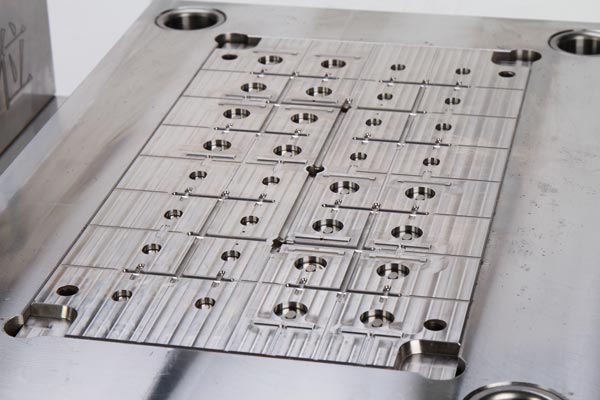
The surface of terminal injection mold cavities is typically coated with a release agent to facilitate demolding. Before repair, the release agent must be thoroughly removed. Meanwhile, dedicated tape is used to strictly isolate the plating area from non-plating areas, preventing chemical corrosion or mechanical damage to non-plating surfaces.
Step 2: Electro-Cleaning Treatment
The workpiece is connected as the negative pole and the plating pen as the positive pole. An electro-cleaning treatment is performed on the plating surface to remove oil, grease, and contaminants, creating a clean substrate for subsequent plating adhesion.
Step 3: Activation Treatment
To eliminate the oxide layer and fatigue layer on the plating surface, the workpiece remains as the negative pole and the plating pen as the positive pole. Activator No. 2 is applied to the surface for 10 to 15 seconds until the plating surface turns uniformly dark gray. After thorough cleaning, the power supply is reversed and Activator No. 3 is used for a secondary activation to completely remove residual carbon black from the cavity surface.
Step 4: Special Nickel Strike Layer
Before the main plating, a special nickel strike layer is deposited onto the base material. This significantly enhances the bonding strength between the plating layer and the substrate, ensuring the repaired layer will not peel or delaminate during long-term use.
Step 5: Electro-Brush Plating Deposition
The workpiece is connected as the negative pole and the plating pen as the positive pole. Plating continues until the repaired dimensions reach the design requirements. The plating thickness is monitored in real time throughout the process to ensure dimensional control.
Step 6: Grinding Repair and Verification
After plating is complete, the deposited layer is precision-ground to restore the original cavity profile. A trial molding run is then conducted, followed by full-dimension inspection of the injection-molded parts. Only after all measurements are confirmed within tolerance is the mold released for mass production.
III. Repair Results
After electro-brush plating repair, the slot dimensions of the terminal injection mold are fully restored to the design tolerance range. Simultaneously, the plating layer provides the mold with higher surface hardness and wear resistance, significantly extending its service life. Compared with manufacturing a new mold, this solution delivers substantial cost and time savings, making it the most cost-effective alternative for addressing localized out-of-tolerance issues.
FAQ
Q: How significant are the cost and cycle advantages of electro-brush plating repair compared to re-tooling?
A: Electro-brush plating repair is typically completed within a few working days, at a cost of approximately five to fifteen percent of re-tooling. It does not disrupt existing production schedules, making it the most cost-effective solution for localized dimensional deviations.
Q: Can the repaired plating layer withstand long-term wear from injection molding production?
A: Yes. The repaired plating layer uses a special nickel strike combined with high-performance metal deposition, delivering strong adhesion and high hardness. It has been proven to meet the strength and wear resistance demands of high-volume injection molding, with mold life potentially exceeding the original condition.
Q: What types of mold out-of-tolerance issues are suitable for electro-brush plating repair?
A: Electro-brush plating is especially suited for localized mold wear, minor dimensional deviations, and cavity surface damage. It is ideal for precision repair of critical features such as slots, slides, and inserts. It is not recommended for cases involving extensive severe wear or structural deformation.