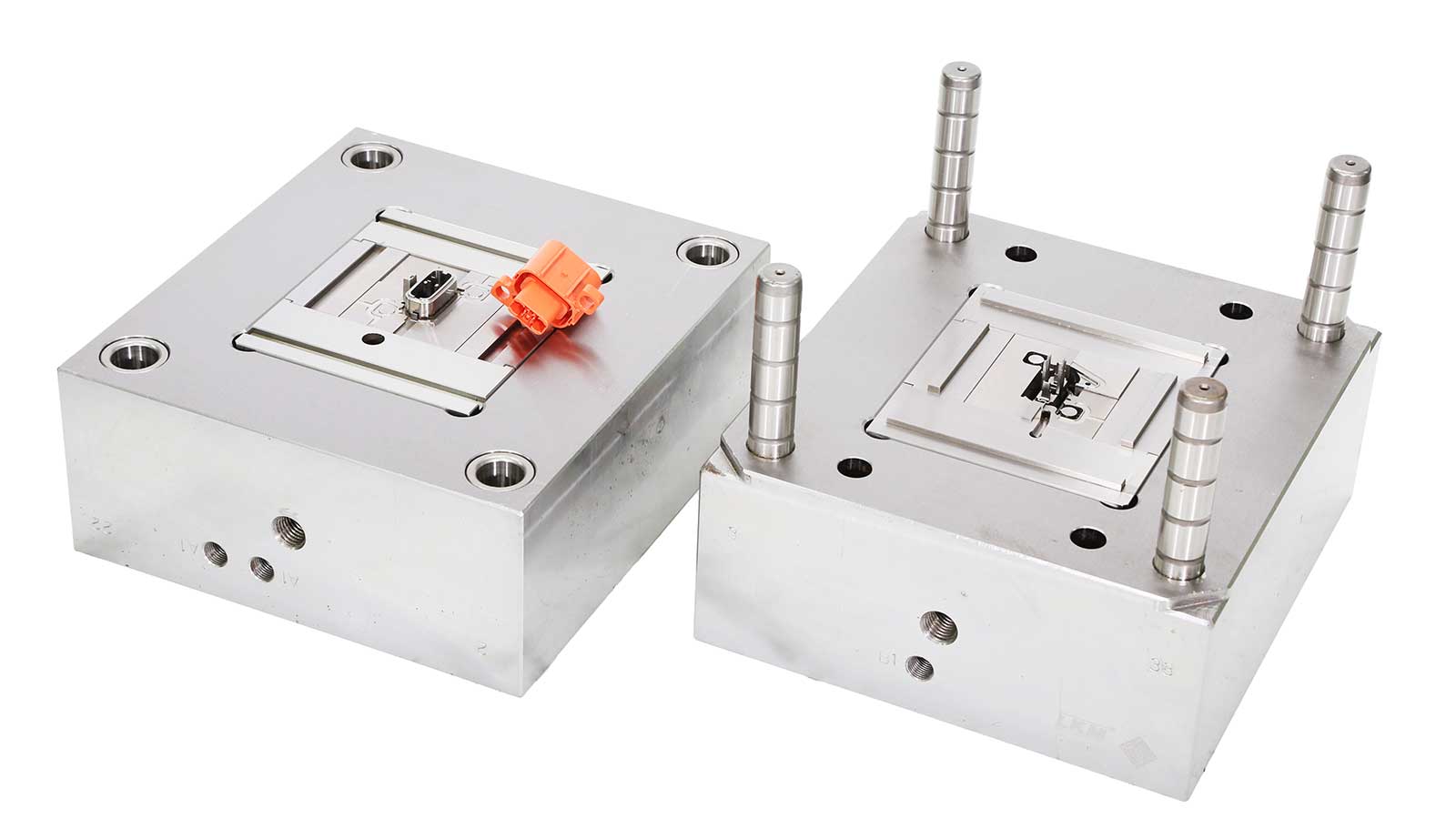
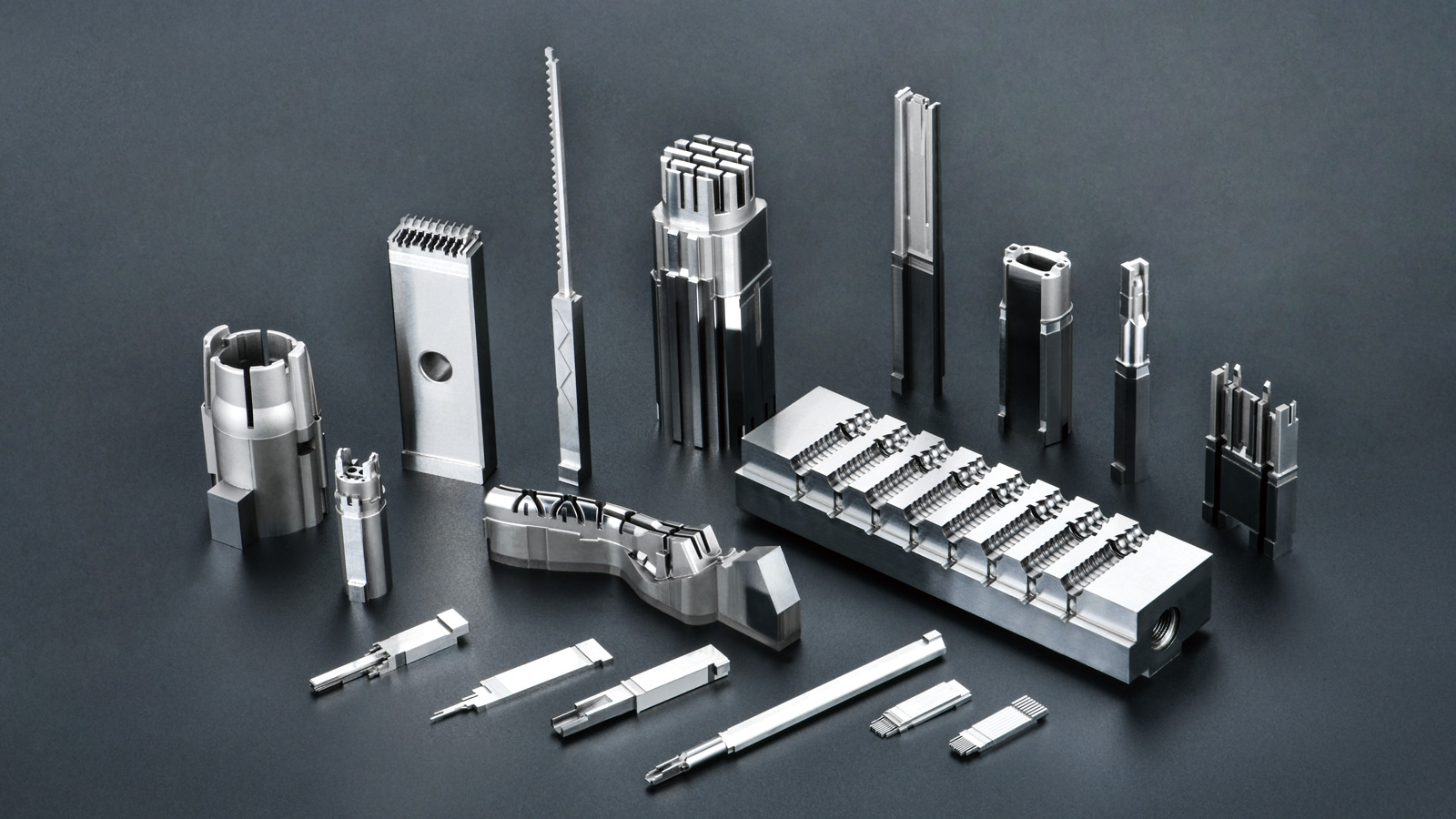
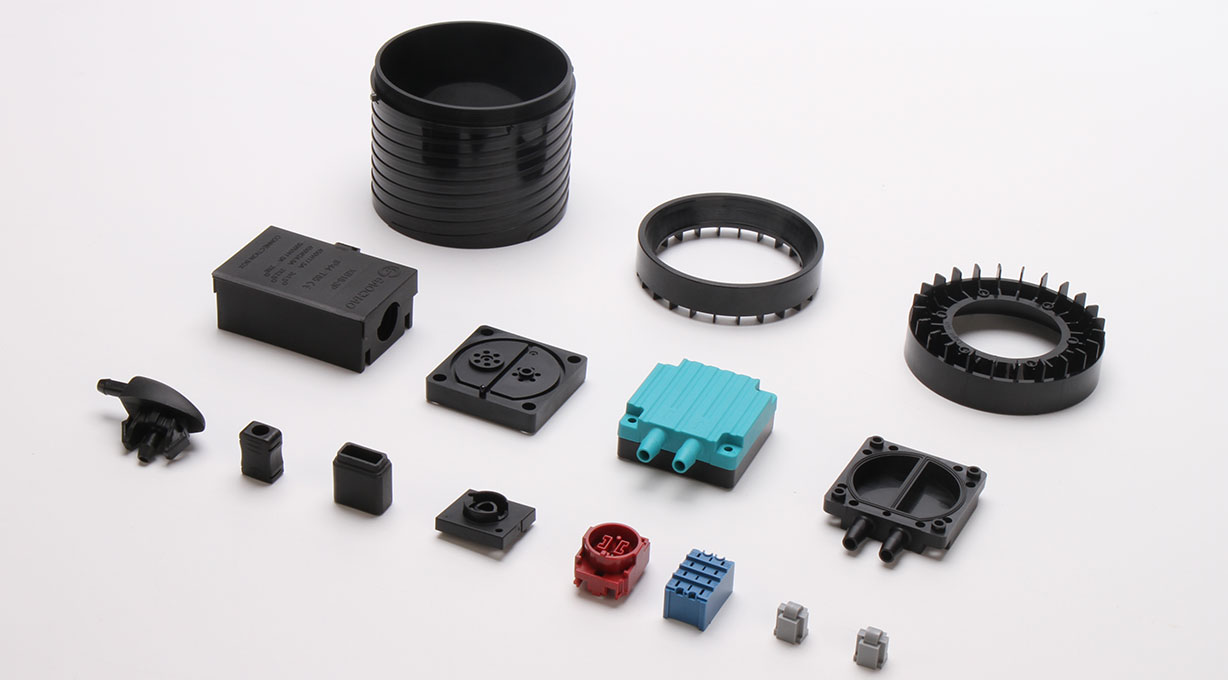
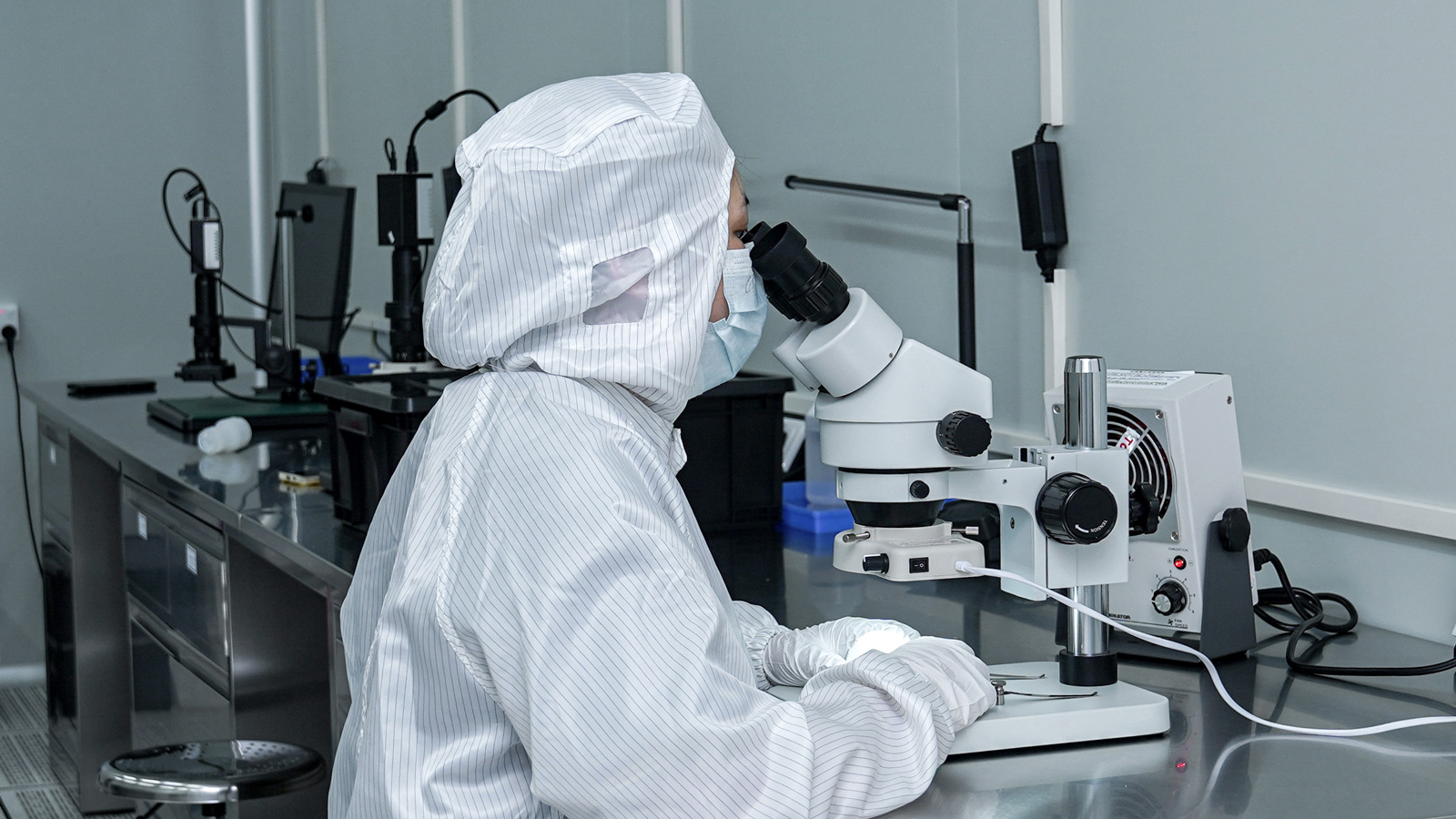

Polishing is a core process in plastic injection mold manufacturing, directly determining the mold’s surface quality, demolding performance, and service life. However, a long-overlooked issue is that polishing is not always better when finer. “Over-polishing” can actually severely degrade mold surface quality.
The performance of plastic injection mold steel can only be fully realized through high-level polishing technology. Shenzhen Mingyang Yutong Plastic Injection Mold Factory has achieved the polishing standards recognized by high-requirement enterprises through continuous technical iteration, delivering near-mirror-level surface finishes. Yet even with such capability, finding the balance between pursuing ultimate gloss and avoiding over-polishing remains a core industry challenge.
Over-Polishing: The Counterintuitive Phenomenon of Worse Results with More Effort
“Over-polishing” refers to the phenomenon where mold surface quality deteriorates rather than improves after the polishing time or force exceeds a reasonable threshold. This defect occurs most frequently during mechanical polishing and manifests in two typical forms: “orange peel” and “micro-pitting.”
“Orange peel” refers to irregular, rough textures appearing on the mold surface. Common causes include excessive polishing pressure, overly long polishing time, and improper polishing methods. A frequent mistake in practice is that once surface quality is found to be substandard, operators tend to increase pressure and extend time. This “compensating quantity for quality” approach often backfires, further worsening surface defects.
“Micro-pitting” (also known as “sand holes”) originates from non-metallic inclusions in the mold steel, typically hard and brittle oxide particles. During polishing, these inclusions are pulled out from the steel surface, leaving tiny pits. The key factors influencing micro-pitting include: polishing pressure and duration, the purity of the selected mold steel (especially the content of hard inclusions), the choice of polishing tools, and the type of abrasive materials used.
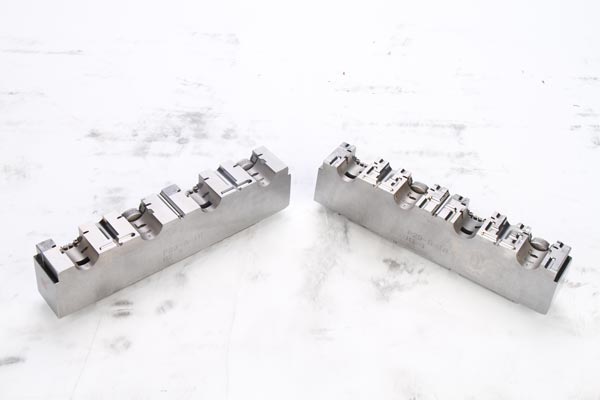
Professional Response: From Process Control to Material Selection
Avoiding over-polishing requires establishing a systematic control logic from source to finish.
On the material side, priority should be given to high-purity mold steel with low inclusion content, fundamentally reducing the probability of micro-pitting. On the process side, polishing pressure and time must be strictly controlled using a staged, decreasing polishing strategy to avoid excessive force in a single pass. On the tool side, the matching of polishing tools and abrasive materials directly affects the final result and must be selected based on the mold steel characteristics and surface requirements.
In actual production, Dongguan Yize Mould has effectively resolved the over-polishing problem by precisely controlling polishing parameters, selecting matched tools, and using high-quality abrasive materials, delivering mirror-grade mold products to high-requirement clients.
FAQ
Q: How can you tell if mold polishing has gone too far?
A: Inspect the surface for irregular rough textures (orange peel) or tiny pits (micro-pitting). Once these symptoms appear, polishing has exceeded the reasonable threshold, and pressure and duration should be adjusted immediately.
Q: Can damage caused by over-polishing be repaired?
A: Mild orange peel can be corrected through re-polishing. However, micro-pitting is a material-level damage that cannot be eliminated by polishing and can only be addressed by replacing the mold steel or performing weld repair. Prevention is therefore far more important than repair.
Q: How significantly does steel purity affect polishing results when selecting mold steel?
A: The impact is very significant. The higher the content of hard inclusions in the steel, the more likely micro-pitting will form during polishing. For molds with high appearance requirements such as medical or optical applications, it is recommended to select high-purity mold steel produced by electroslag remelting or vacuum degassing processes.