
In the development process of medical devices and precision products, mold quality directly determines the performance and yield rate of the final product. However, when selecting an injection mold manufacturer, many enterprises tend to focus excessively on price while neglecting core dimensions such as quality assurance, delivery cycle, and comprehensive service capability. The following are several critical issues that demand attention during mold manufacturing, provided for reference by all decision-makers.
1. Mold Type Selection Must Be Tailored to Specific Needs, Not Applied Uniformly
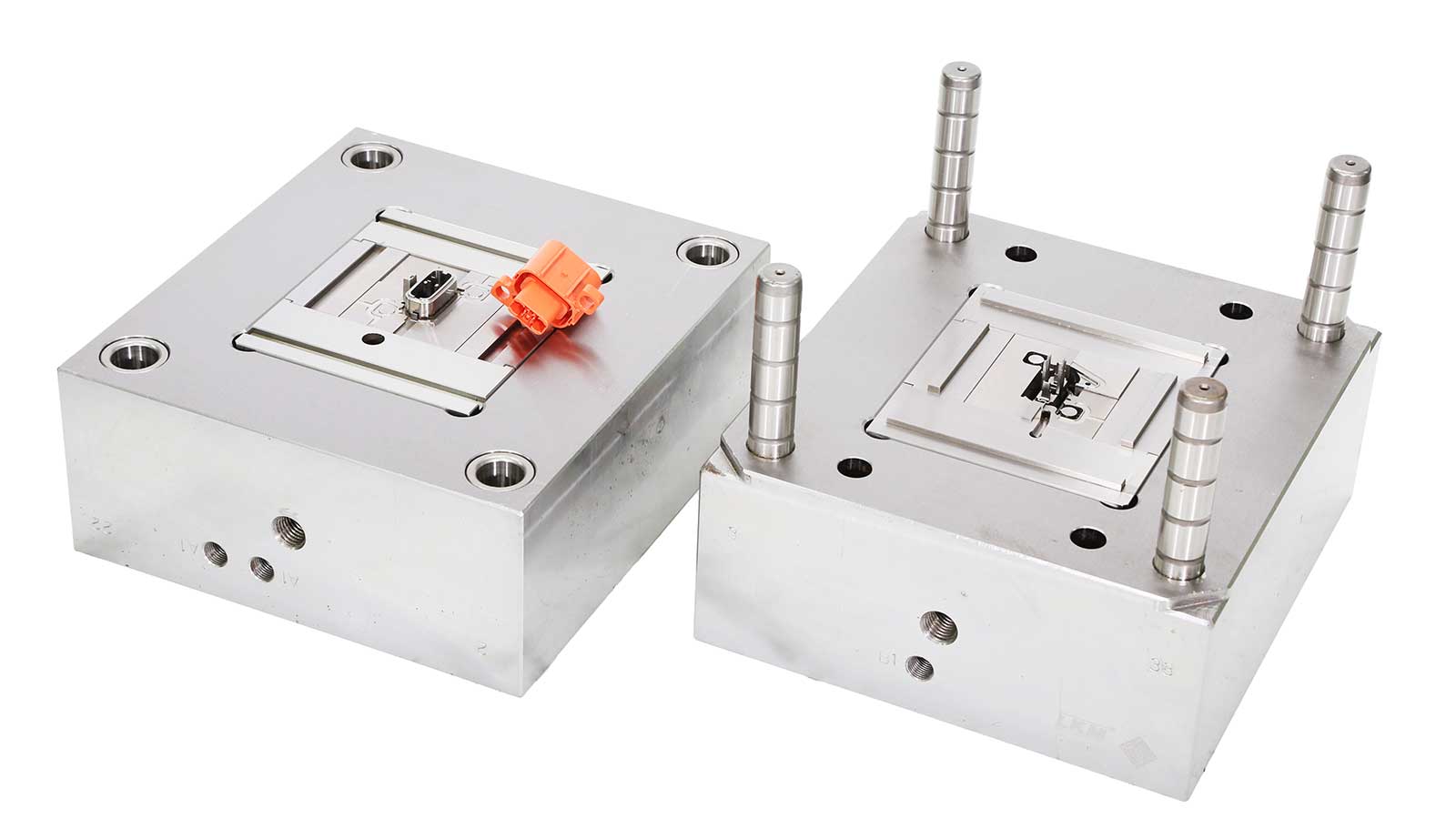
Mold types are numerous and can be broadly categorized into ten major classes. Enterprises should scientifically select the appropriate mold type based on the differentiated requirements of component raw material attributes, physical properties, impact toughness, dimensional precision, surface finish, service life, and cost-effectiveness. Blind type selection will not only increase later trial mold costs but may also delay product time-to-market.
2. High-Precision Molds Demand Rigorous Manufacturing Capabilities
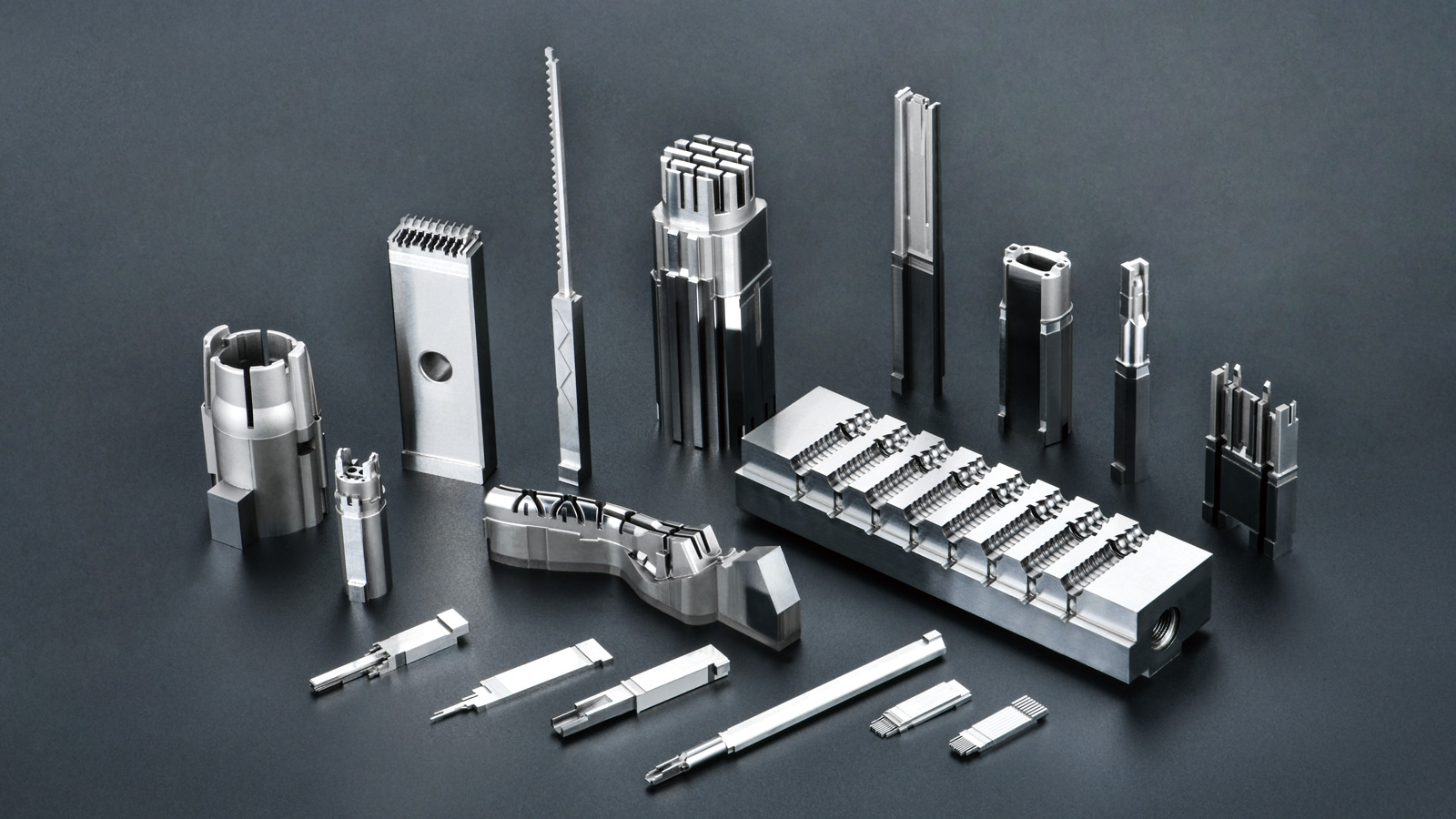
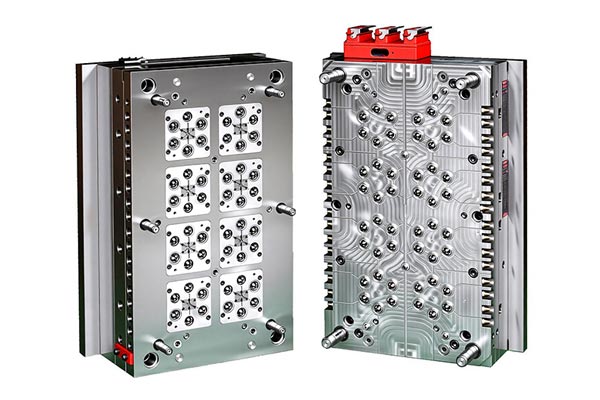
Any mold involving high-precision requirements must rely on high-precision CNC machine tools for machining. At the same time, strict standards must be enforced in both mold material selection and molding process control. Furthermore, for certain components with special molding requirements, the mold must also integrate advanced manufacturing processes such as hot runner systems and gas-assisted molding, which place extremely high demands on the supplier’s technical reserves.
3. Supplier Hardware Capability Is the Foundation, but Comprehensive Ability Is the Key
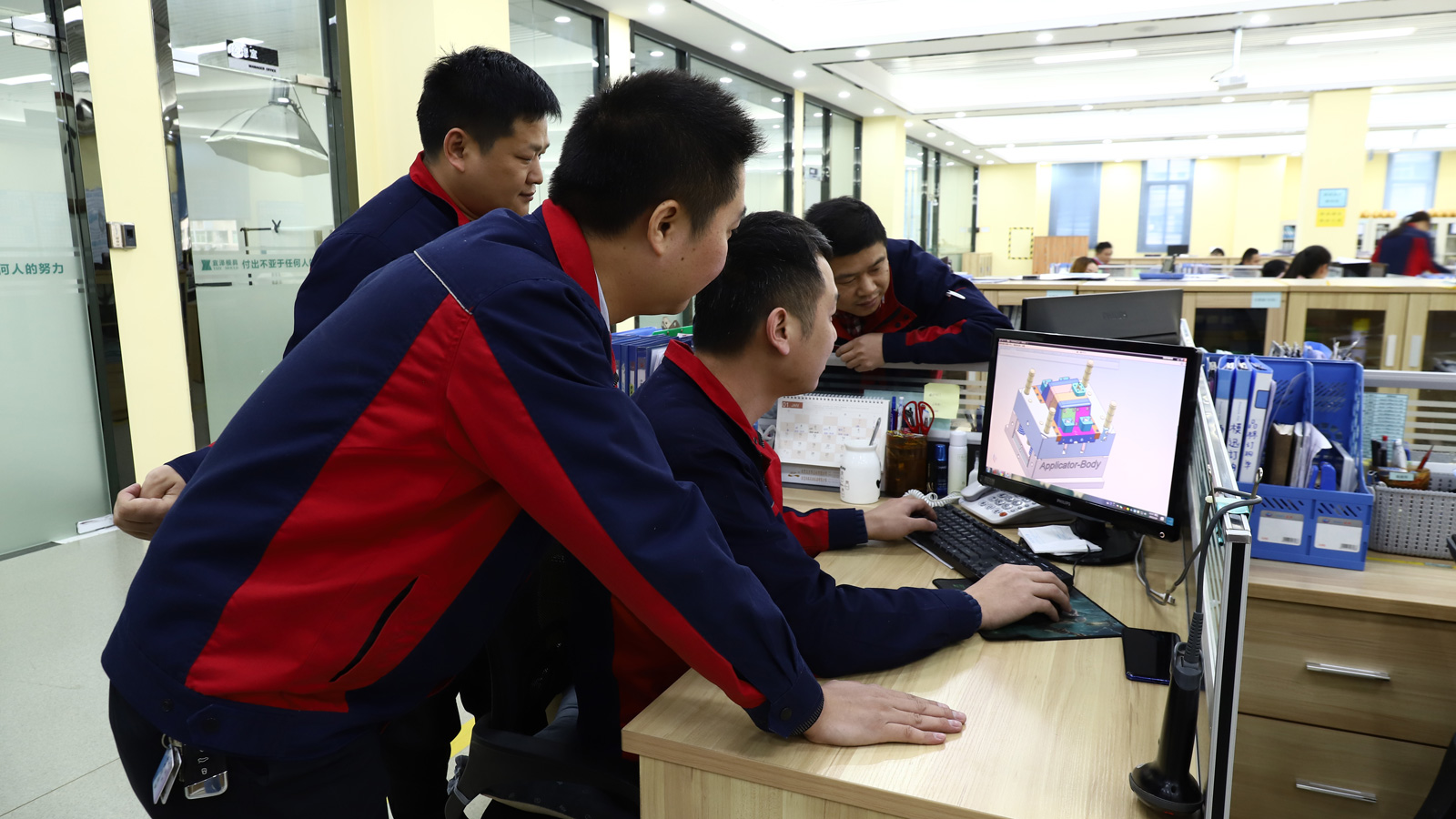
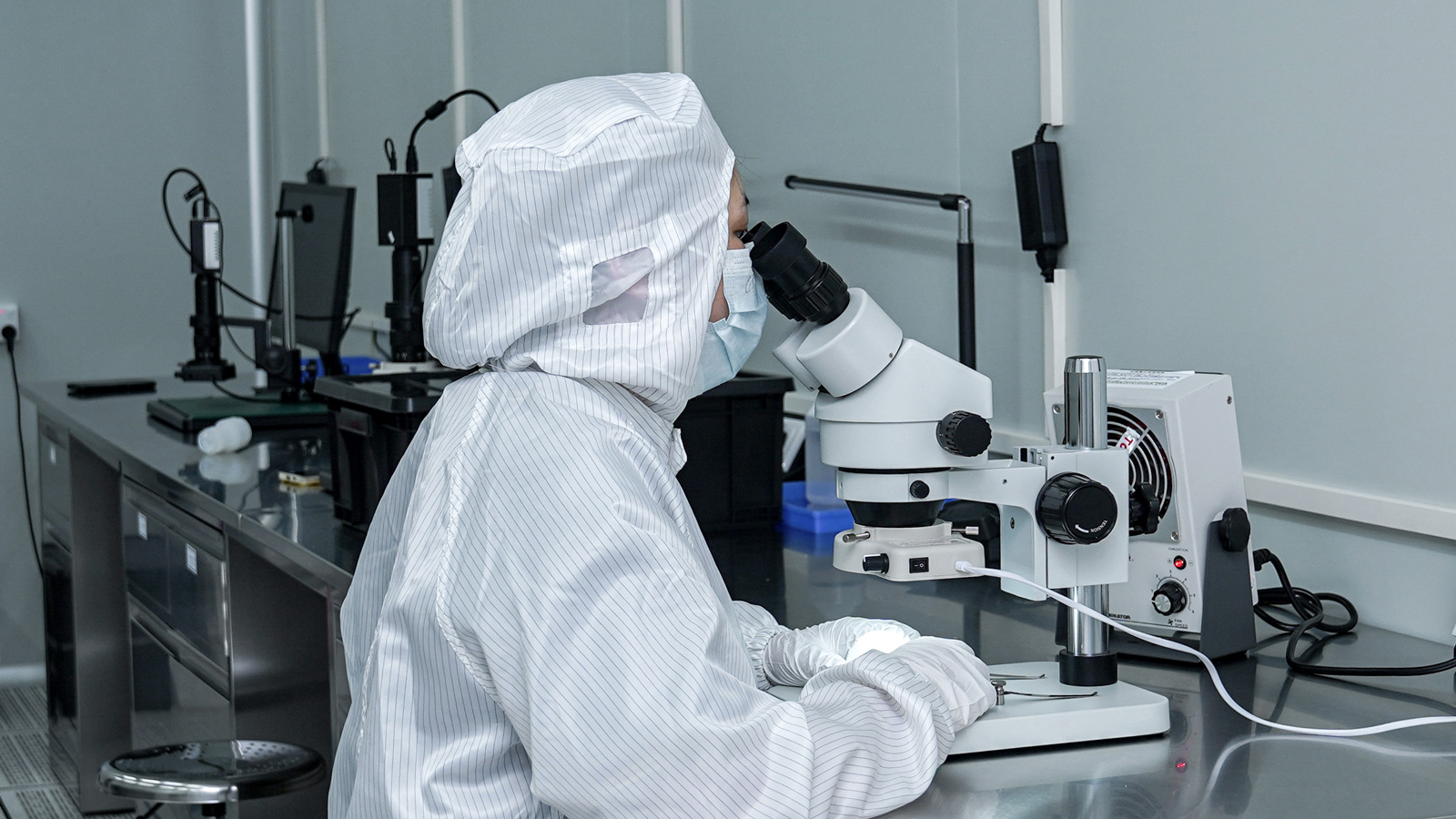
A qualified injection mold manufacturer should be equipped with CNC machining centers, EDM machining machines, wire-cut EDM machines, CNC profile milling machines, high-precision CNC grinders, high-precision coordinate measuring machines, as well as professional computer-aided design systems and engineering software. However, having complete equipment is merely the entry threshold. What truly determines mold quality also includes the enterprise’s management system, accumulated machining experience, and the professional caliber of the technical team. Some of the advanced manufacturing methods and processes mentioned above are not implementable by all enterprises. Therefore, when selecting a cooperative partner, a comprehensive capability assessment is essential.
4. Large-Scale Molds Require More Complex Considerations
Taking large stamping molds (such as automotive panel molds) as an example, in addition to conventional processes, it is also necessary to prioritize evaluating whether the CNC machine tool has edge-wrapping functions, edge lubrication systems, multi-operation progressive capabilities, and so on. Meanwhile, stamping tonnage, stroke frequency, feed device configuration, as well as machine tool and mold protection mechanisms should all be incorporated into the comprehensive consideration scope.
5. Price Is Not the Lower the Better; Reasonable Positioning Is the Correct Approach
For the same set of molds, quotations from different manufacturers may vary significantly. Enterprises should not invest far more than the actual value of the mold, but they should also not expect to obtain qualified products at a price below cost. Injection mold manufacturers also need to earn reasonable profits in their business. Blindly pursuing low prices is often the beginning of subsequent quality problems and delivery delays. It is recommended that enterprises base themselves on their own needs and conduct a comprehensive balance across quality, cycle time, and service.
6. Prioritize One-Stop Service Integrating Mold Manufacturing and Injection Molding
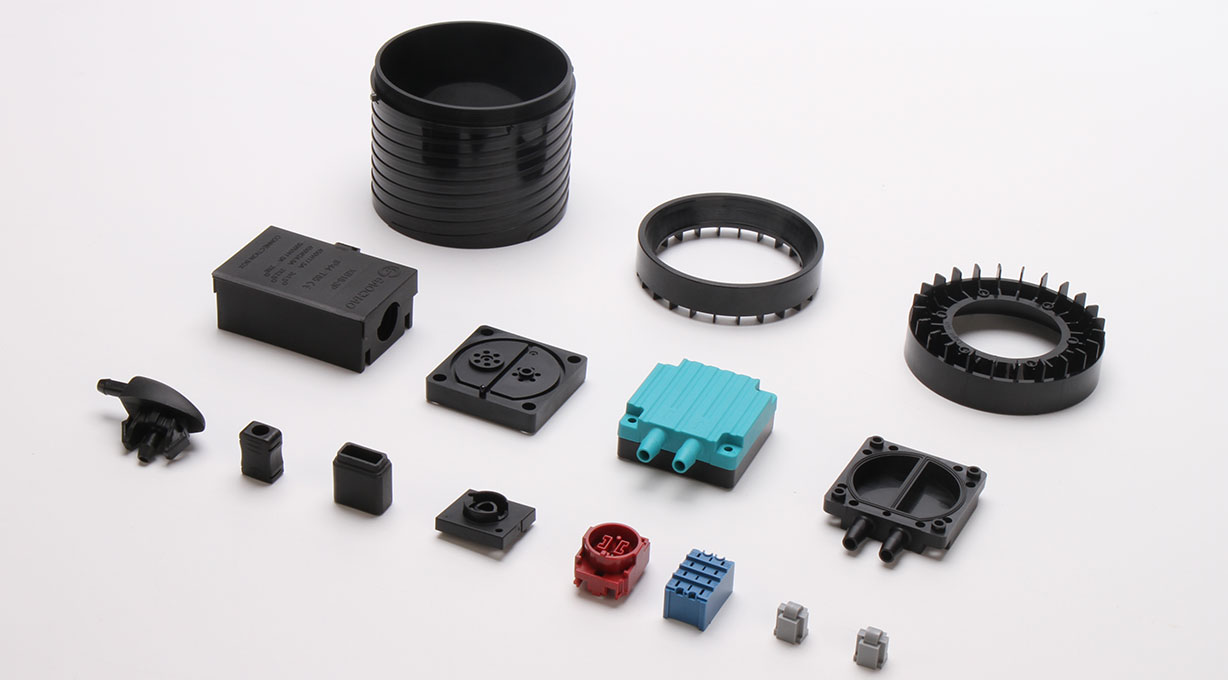
When conditions permit, it is advisable to avoid multi-party coordination and prioritize selecting suppliers capable of providing one-stop service covering both mold manufacturing and product injection molding. The integrated collaboration model not only helps reduce communication costs and quality risks but also effectively shortens the overall cycle from product development to mass production.
Frequently Asked Questions (FAQ)
Q: What are the core indicators that should be prioritized when selecting an injection mold manufacturer?
A: It is recommended to conduct a comprehensive evaluation across five dimensions: mold precision, equipment configuration, technical team experience, delivery cycle, and after-sales service. Price is only one of the reference factors and should not serve as the sole basis for decision-making.
Q: Why is there such a large price gap for the same mold from different manufacturers?
A: The quotation difference mainly stems from variations in equipment precision grade, material selection, process complexity, and management costs. Excessively low quotations often imply compromises in materials or processes, which may bring hidden quality risks down the line.
Q: Is it feasible to find two separate suppliers for mold manufacturing and injection molding?
A: It is technically feasible, but it will increase communication costs and the difficulty of quality coordination. It is recommended to prioritize selecting a manufacturer with integrated mold manufacturing and injection molding capabilities to ensure product consistency and delivery efficiency.
Q: What are the mandatory equipment requirements for high-precision molds from a supplier?
A: High-precision molds require the supplier to be equipped with core equipment including high-precision CNC machining centers, EDM machines, wire-cut EDM machines, CNC grinders, and coordinate measuring machines, along with professional CAD/CAM design capabilities.
Q: Is there a significant cost difference between hot runner molds and conventional molds?
A: A hot runner system will significantly increase the initial mold investment. However, in mass production, it can effectively reduce runner waste and improve molding consistency. From a long-term operating cost perspective, it offers clear advantages.