



Injection molding parameters are key technical indicators that define the comprehensive performance of an injection molding machine. They serve as the core guarantee for ensuring dimensional consistency and surface quality of plastic products. Product design review, mold development, machine selection, and process commissioning all rely on these parameters as the decision-making foundation. In the specification system of injection molding machines, apart from the machine model code, the processing capability is typically defined by one or more basic parameters, most commonly injection volume and injection pressure.
1. Injection Volume: The Primary Indicator of Machine Processing Capability
Injection volume refers to the maximum volume or mass of melt that can be delivered by the injection unit when the screw or plunger completes its maximum stroke under empty injection conditions. This parameter directly reflects the upper limit of the injection molding machine’s processing capability and indicates the maximum mass range of plastic products the machine can produce. It is one of the most critical technical parameters in machine selection and product matching.
In practical applications, proper matching of injection volume is essential. If the selected machine’s injection volume far exceeds the product requirement, the melt will remain in the barrel for an excessively long time, leading to thermal degradation of the material, which in turn affects the mechanical properties and surface quality of the product. Conversely, if the injection volume is insufficient, defects such as short shots and incomplete filling will occur, directly resulting in product scrap. Therefore, the industry-standard selection principle is: the total product mass (including runners and gates) should be controlled between twenty percent and eighty percent of the machine’s rated injection volume, balancing processing efficiency with quality stability.
2. Injection Pressure: The Core Variable Determining Fill Quality
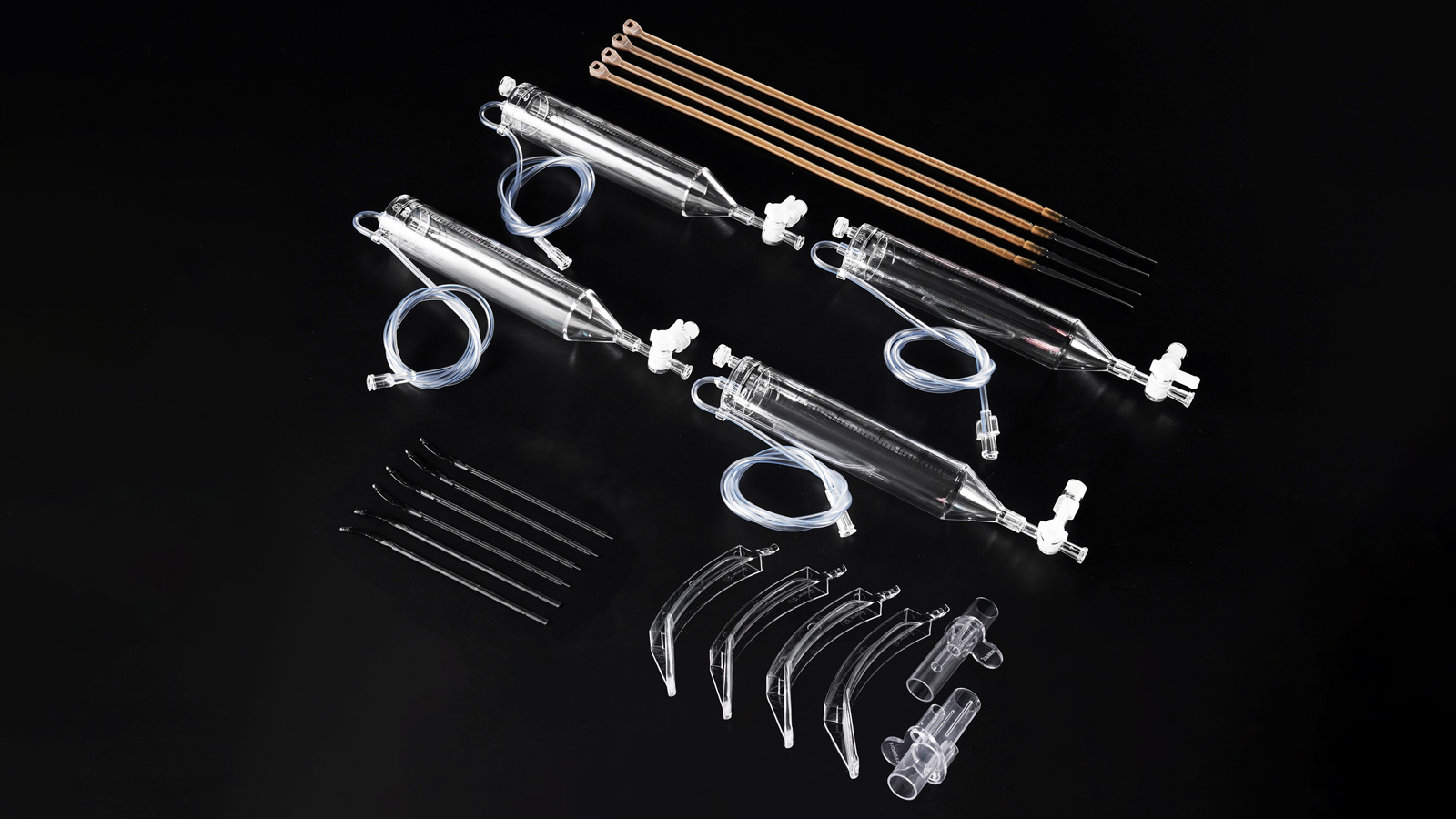
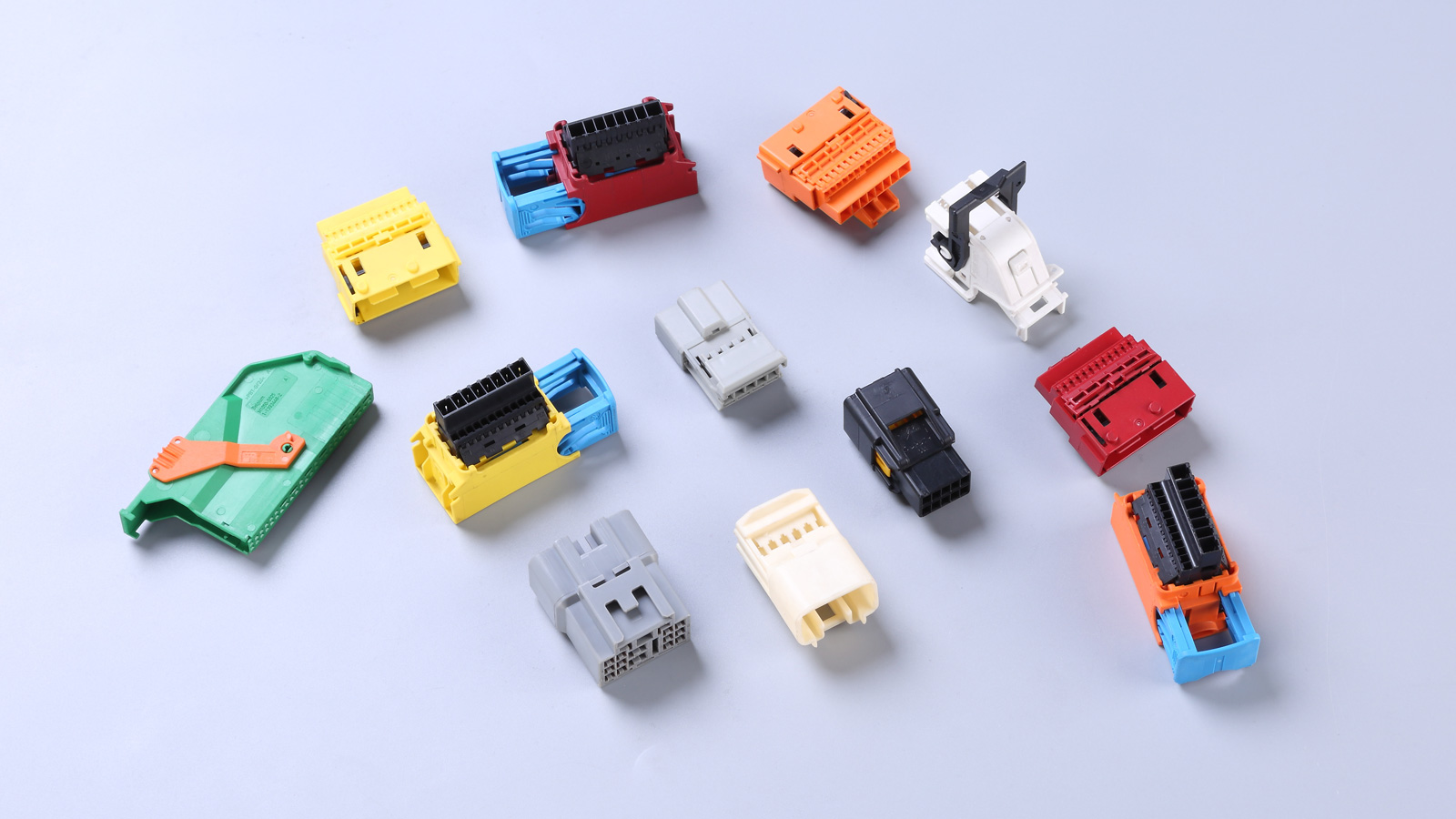
Injection pressure is the pressure required for the melt, driven by the screw or plunger, to overcome the resistance of the runner, gate, and cavity. It is typically measured in megapascals (MPa). This parameter directly determines whether the melt can completely fill every fine structure of the cavity. For high-precision injection molded parts such as medical devices and precision connectors, precise control of injection pressure is the key to ensuring dimensional accuracy and surface quality.
Injection pressure is generally divided into two stages: injection pressure and holding pressure. Injection pressure affects the fill speed and the flow state of the melt, while holding pressure determines the density uniformity during the cooling and solidification phase. Both must be set in coordination according to material characteristics, product structure, and wall thickness distribution to achieve optimal molding results.
3. The Synergistic Role of Other Key Parameters
In addition to injection volume and injection pressure, the following parameters also play an irreplaceable role in quality control.
Clamping force, which is the maximum clamping force provided by the mold clamping system, must exceed the product of the cavity melt pressure and the projected area of the product to prevent flash and overflow. Injection speed and screw speed directly affect the shear heat of the melt and filling uniformity, and are particularly critical for thin-walled parts and long-runner products. The coordination of barrel temperature and mold temperature determines the melt fluidity and cooling rate, serving as the core means of controlling crystallinity, internal stress, and surface quality.
4. A Systematic Approach to Parameter Setting
Injection molding parameters do not exist in isolation. They form an interrelated, dynamically balanced system. Scientific parameter setting should be product-demand-driven, combined with CAE mold flow analysis and trial mold verification, gradually converging to the optimal process window. In high-standard applications such as medical injection molding, every parameter adjustment should be documented with traceable process records to meet the compliance requirements of quality management systems.
FAQ
Q1: What are the negative effects of selecting an injection volume that is too large for the product?
An oversized injection volume means the melt stays in the barrel for an extended period, which can easily lead to thermal degradation of the material. This causes product discoloration, bubbles, and reduced mechanical properties. It also lowers processing efficiency and increases energy consumption.
Q2: What molding defects can insufficient clamping force cause?
When clamping force is insufficient, the cavity will be forced open under injection pressure, resulting in flash, overflow, and dimensional deviation. In severe cases, it can also cause mold damage, affecting both the appearance quality and dimensional accuracy of the product.
Q3: How should injection pressure and holding pressure be distinguished and set?
Injection pressure primarily controls the flow speed and filling completeness during the filling phase, and is suited for products with complex structures or thin walls. Holding pressure acts during the compaction phase after filling is complete, compensating for shrinkage and improving product density and dimensional stability. Both need to be optimized separately according to material and product requirements.