

The trial run of an injection mold is a critical step for verifying design and processing quality. However, neglecting risk management at this stage can easily lead to project stagnation and cost overruns. In one actual project, a company experienced three consecutive trial run failures: the first run produced parts with dimensional deviations of 0.3mm, rendering them unassemblable since the required assembly clearance was no more than 0.2mm; the second run resulted in visible sink marks on the surface, severely affecting appearance quality; the third run saw the gate fracture directly, scrapping the entire batch. Compounding the problem, the supplier lacked adequate technical capability and deflected responsibility, while the contract failed to clearly define rights and obligations, ultimately causing trial run costs to spiral out of control. This article is compiled from our practical experience in consulting with clients on injection mold development projects, offered as a reference for industry peers.
I. The Technical Root Causes of Trial Run Failures: From Dimensional Tolerances to Surface Defects
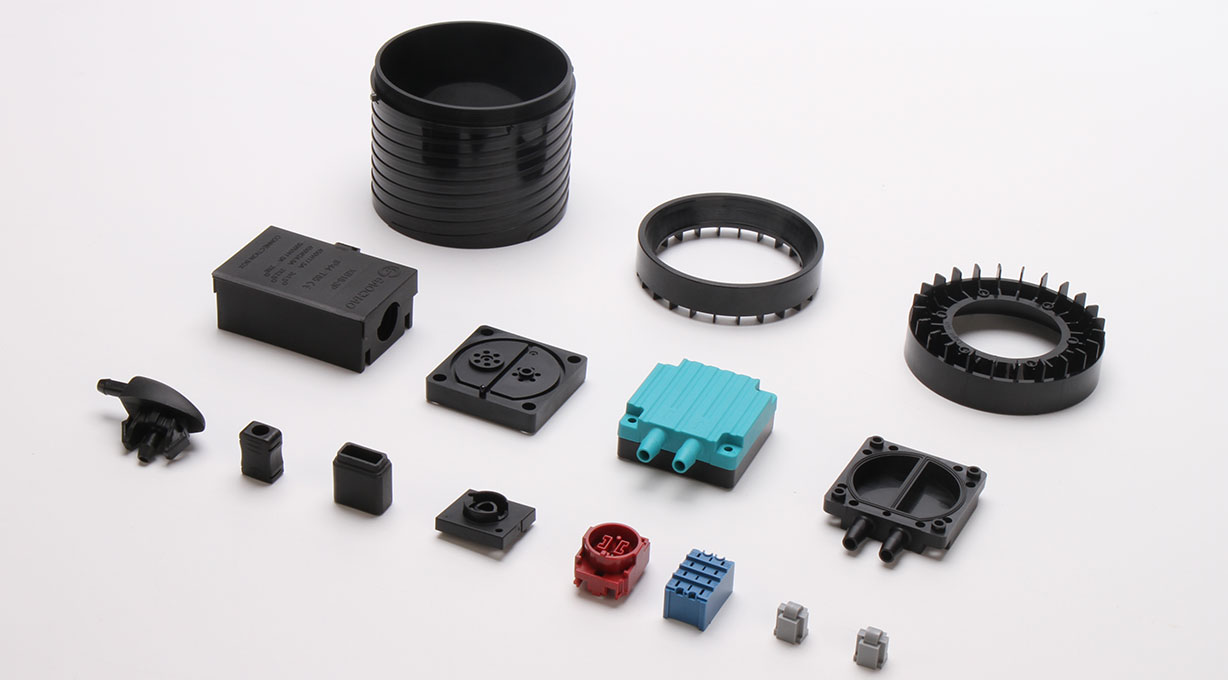
Beneath the surface of trial run failures often lie deep-seated technical deficiencies. In the case of this project, the first trial run revealed misaligned snap fits during assembly, with measured dimensional deviation reaching 0.3mm, exceeding the 0.2mm assembly clearance tolerance. The second run produced irregular sink marks on the surface. The third run resulted in a direct fracture at the gate.
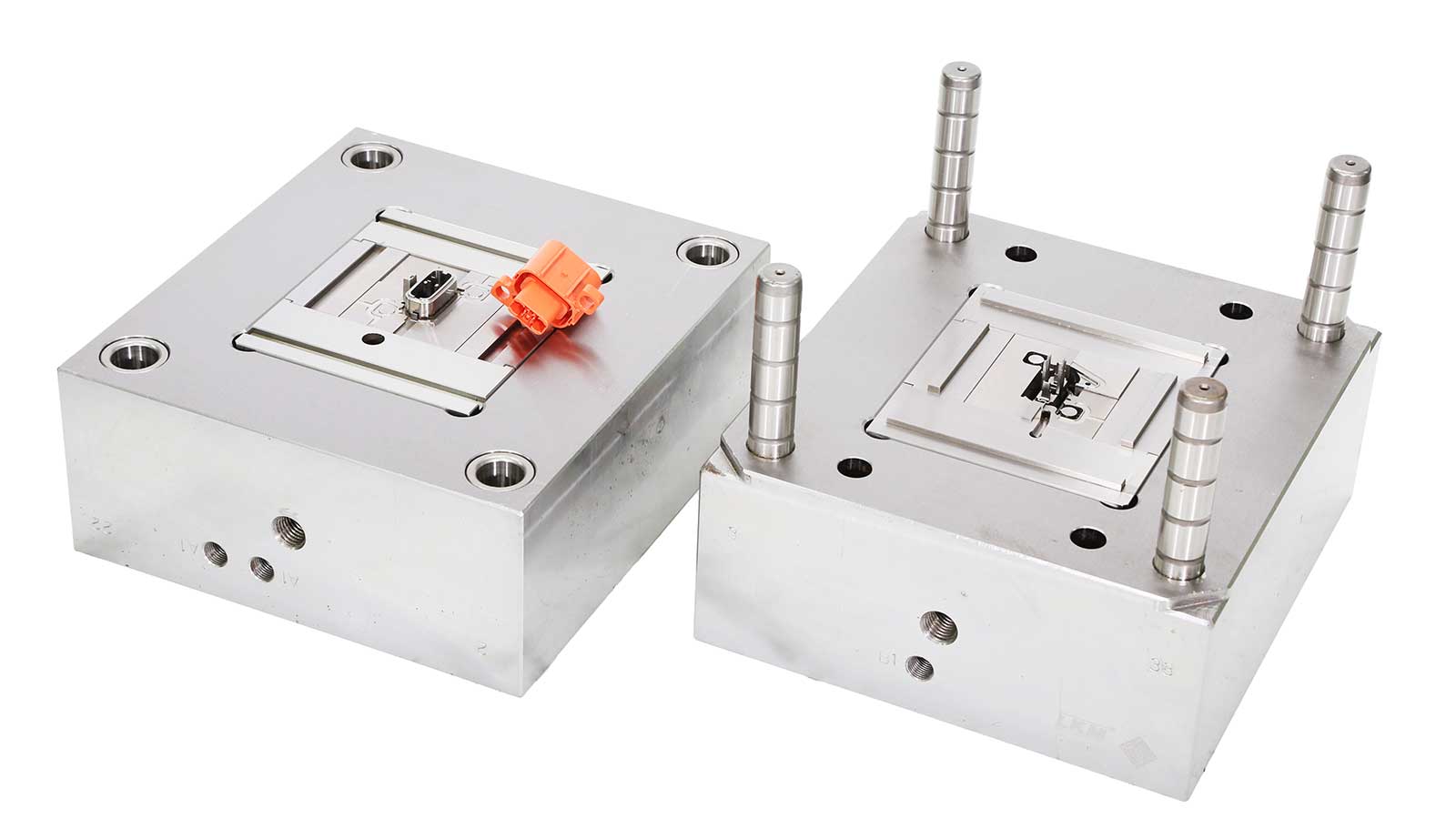
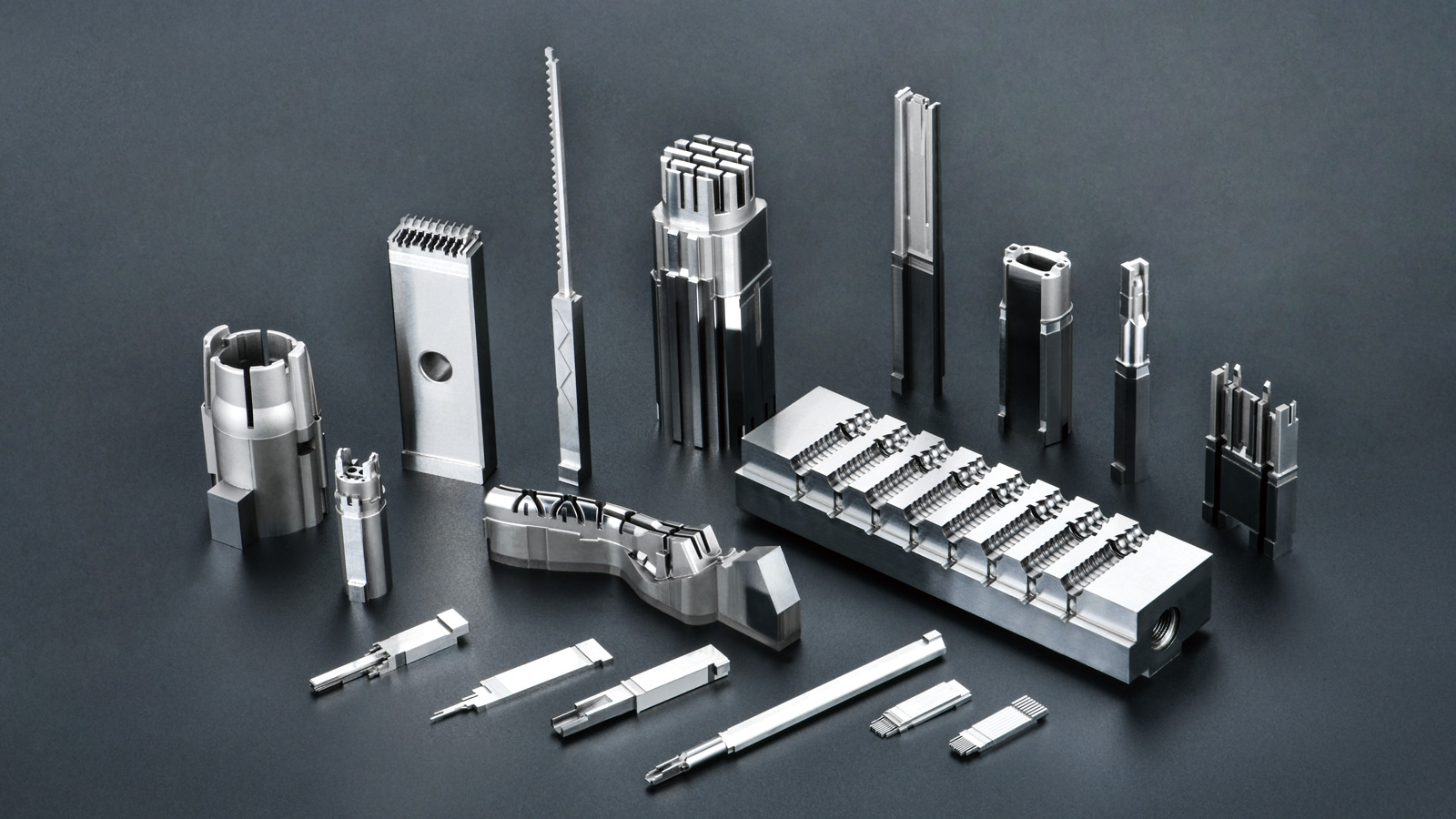
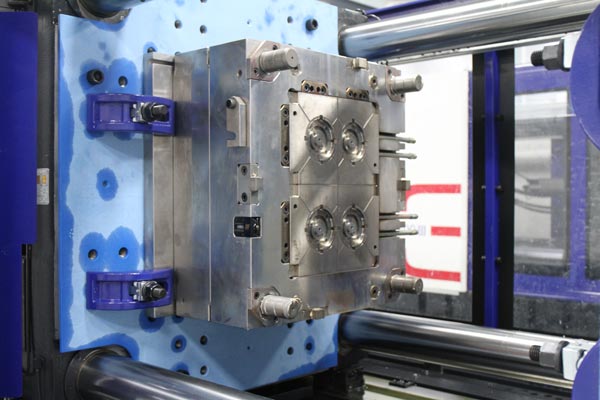
The core of all these issues points to insufficient machining precision of the injection mold cavity. As the direct template for part formation, the cavity precision directly determines dimensional stability, surface flatness, and molding stress distribution. Inadequate cavity precision leads to uneven melt flow and insufficient packing pressure, which in turn causes dimensional deviations and sink marks. Gate fracture, meanwhile, is most often related to localized stress concentration caused by insufficient runner machining precision.
II. Supplier Risk: The Dual Hazard of Technical Shortcomings and Accountability Deflection
A supplier’s technical capability and sense of accountability constitute the hidden threshold for injection mold project success. In this project, the partner insisted after the trial run failure that “the mold is fine; the trial machine parameters were not adjusted properly,” and refused to disassemble the mold for cavity inspection. It was not until our engineers were dispatched for on-site measurement that a machining deviation of 0.15mm was discovered at a critical cavity position.
This combination of “substandard technology plus unwillingness to take responsibility” is the most likely path to trial run deadlock. When selecting suppliers, companies should focus on two key dimensions: first, technical hard capability, such as whether the supplier is equipped with coordinate measuring machines and whether process documentation includes cavity precision control standards; second, accountability soft capability, which can be assessed through peer reputation, particularly the response speed to problems in past projects, such as whether corrective plans can be provided within 24 hours.
III. Contract Clauses for Risk Prevention: From Cost Overruns to Delivery Guarantees
Ambiguity in contract terms is often a major driver of trial run cost overruns. In this project, the company’s contract only stated “guaranteed to be qualified” without setting an upper limit on the number of trial runs. As a result, the supplier conducted eight trial runs without meeting standards, pushing costs 60 percent over budget.
To effectively mitigate such risks, three core clauses should be clearly defined in the contract: first, responsibility allocation, stipulating that “if a trial run failure is caused by injection mold machining precision issues, all rework costs shall be borne by the supplier”; second, trial run limits, for example, “free trial runs shall not exceed three attempts; each additional attempt shall be charged at 5 percent of the mold fee”; third, delivery guarantees, with penalty clauses such as “a deduction of 0.5 percent of the total contract value per day of delay, cumulative not exceeding 10 percent,” using contractual terms to compel the supplier to prioritize corrective efficiency.
IV. Conclusion and Practical Recommendations
The lessons from three trial run failures clearly demonstrate that supplier technical screening and contract clause refinement are the two core pillars of risk mitigation. Companies should screen suppliers through hard indicators such as cavity machining precision inspection reports and process control procedures, while simultaneously locking down risk boundaries with clauses covering responsibility allocation, trial run limits, and delivery penalties. Only then can the vicious cycle of “trial run, failure, deflection, retry” be avoided.
Specific recommendations are as follows: when selecting a supplier, request cavity machining precision inspection reports from their most recent three projects; clearly define in the contract the party responsible for rework costs in case of trial run failure and the maximum number of free trial runs; include tiered penalty clauses in delivery terms, such as “0.5 percent deduction per day of delay, cumulative not exceeding 10 percent.”
FAQ
Q1: After a trial run failure, how can one quickly determine whether the problem lies with the mold or the injection process?
The most direct method is to perform coordinate measuring machine inspection on the mold cavity. If key cavity dimensions are within the allowable range, the issue is most likely with injection parameters. If cavity precision exceeds tolerances, the responsibility lies with the mold manufacturer. It is advisable to stipulate in the contract that the supplier must cooperate with disassembly and inspection after a trial run failure to avoid deflection.
Q2: Will setting a free trial run limit in the contract negatively affect the supplier’s willingness to cooperate?
A reasonable trial run limit will not affect normal cooperation; rather, it motivates both parties to resolve issues more efficiently. The key is to simultaneously define the calculation method for fees beyond the free limit, giving the supplier an incentive to get it right within the free attempts rather than prolonging the process through repeated trial runs.
Q3: Beyond contract terms, what other supplier evaluation points are often overlooked during selection?
In addition to equipment and process documentation, it is recommended to pay close attention to the supplier’s reputation from past projects, especially their response speed and corrective attitude when problems arise during the trial run phase. A supplier willing to proactively disassemble the mold and cooperate with on-site measurement is far more trustworthy than one that only deflects responsibility.