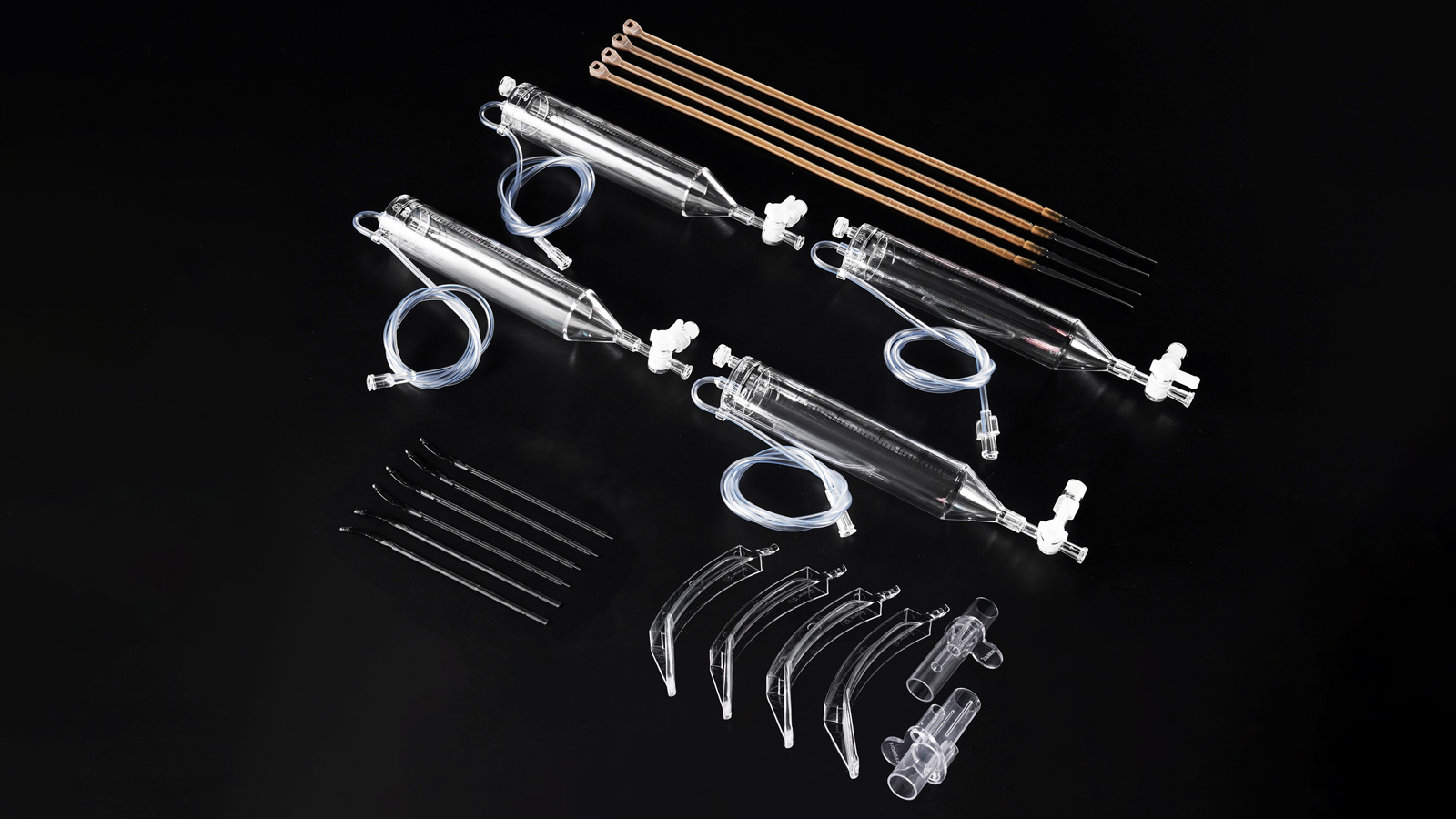
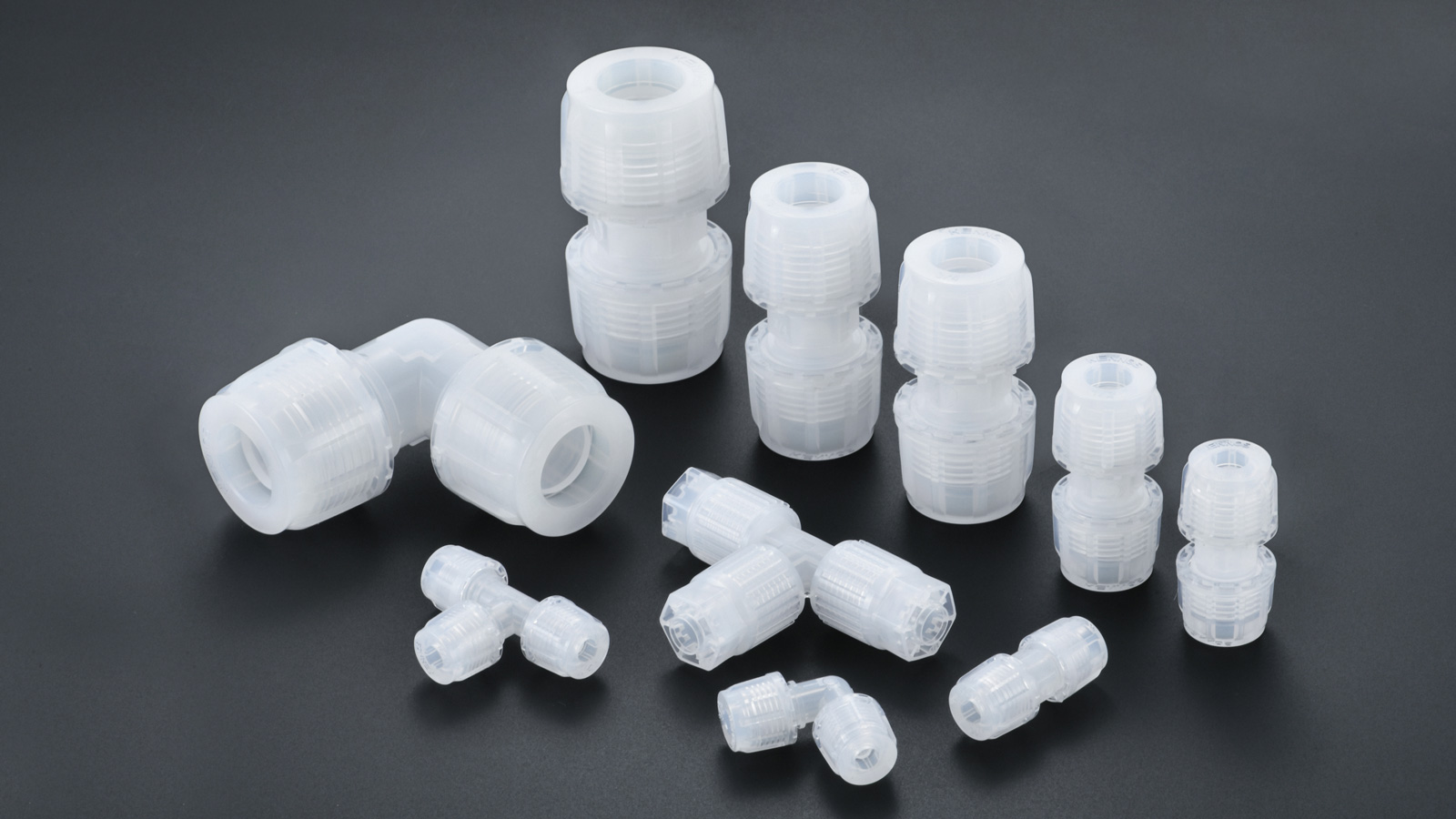
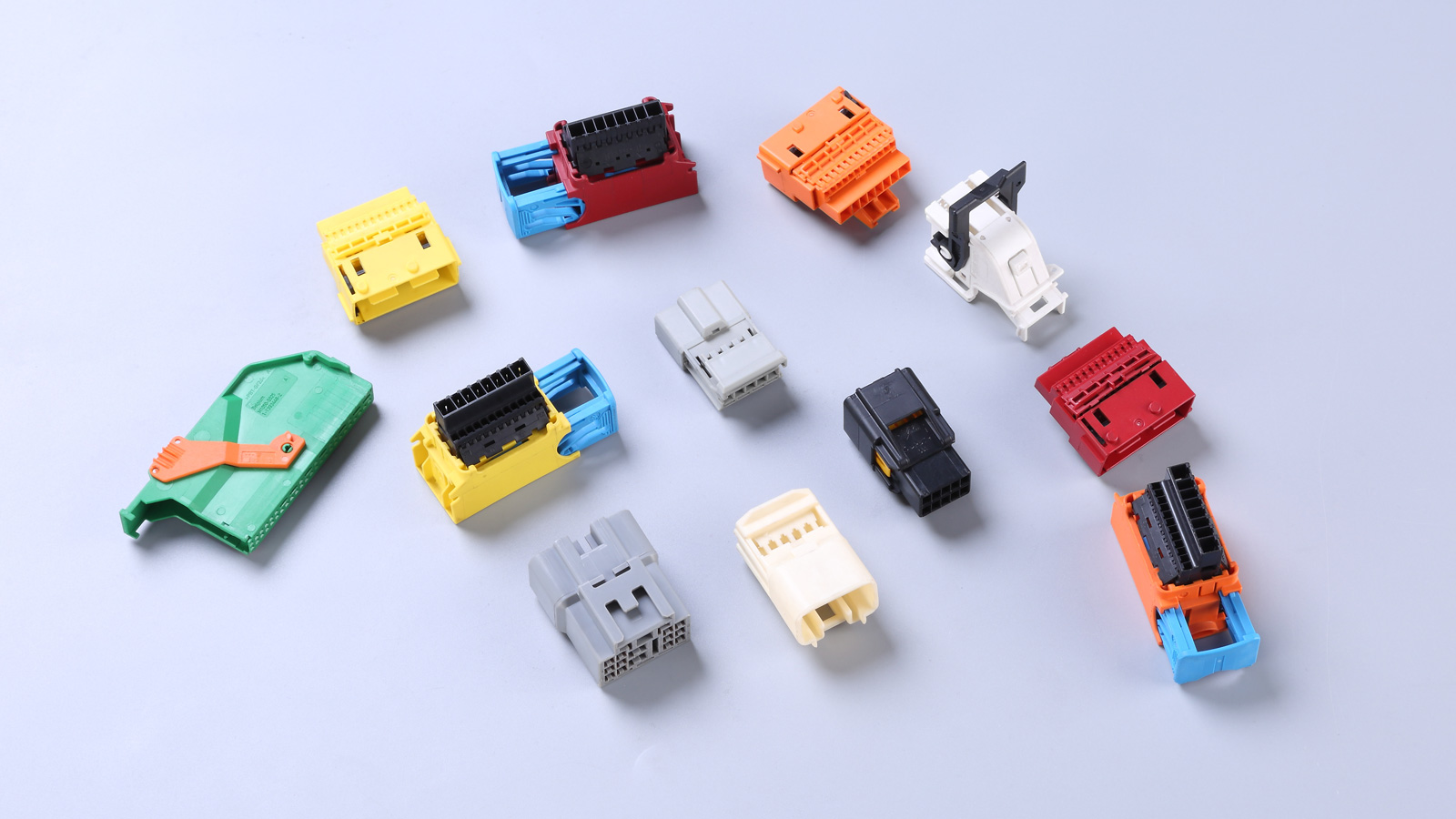
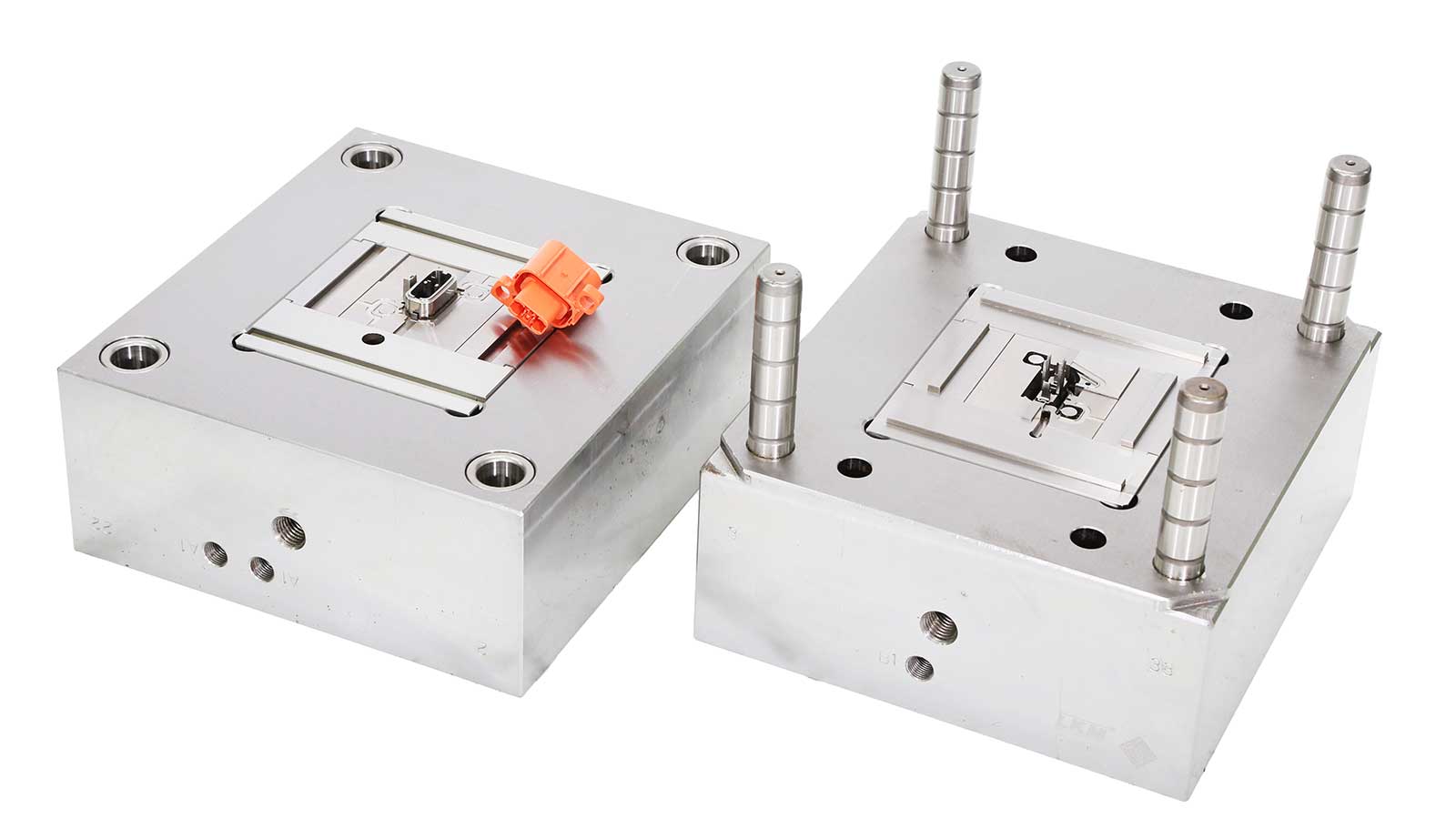




In the mold manufacturing industry, plastic injection molds and silicone molds are two of the most widely used molding solutions. Although both serve the purpose of product replication, they differ fundamentally in material properties, structural design, and application scenarios. The following analysis compares the two across three dimensions.
I. Fundamental Differences in Material Properties
Silicone molds use specialized mold silicone as the base material, typically formed by mixing silicone with an epoxy curing agent at a specific ratio, followed by curing at room temperature or under heat. Silicone is a thermosetting material known for its heat resistance, corrosion resistance, high tear strength, and superior replication accuracy. Due to its excellent fluidity, silicone molds do not require a gating system, and their manufacturing cost is significantly lower than that of plastic injection molds, making them economically advantageous for small-batch, high-precision replication.
Plastic injection molds are composite mold assemblies used for compression, injection, blow molding, and foam molding. They are also referred to as injection molds or plastic molds in the industry. Plastic is likewise a thermosetting material but requires injection molding for成型. Plastic injection molds are often called the “mother of industry,” as the vast majority of new product developments today involve plastic components. It is worth noting that to enhance the comprehensive performance of plastic products, various additives such as fillers, tackifiers, lubricants, thickeners, and stabilizers are typically incorporated into the polymer.
II. Structural Design Differences
The material of silicone molds is mold silicone, whose typical composition includes five components: base rubber, coupling agent, catalyst, filler, and preservative. In practice, the base rubber, coupling agent, and filler are often combined into one component, while the catalyst is kept as a separate component. This is the technical reason why mold silicone is classified as a two-component room-temperature-vulcanizing silicone.
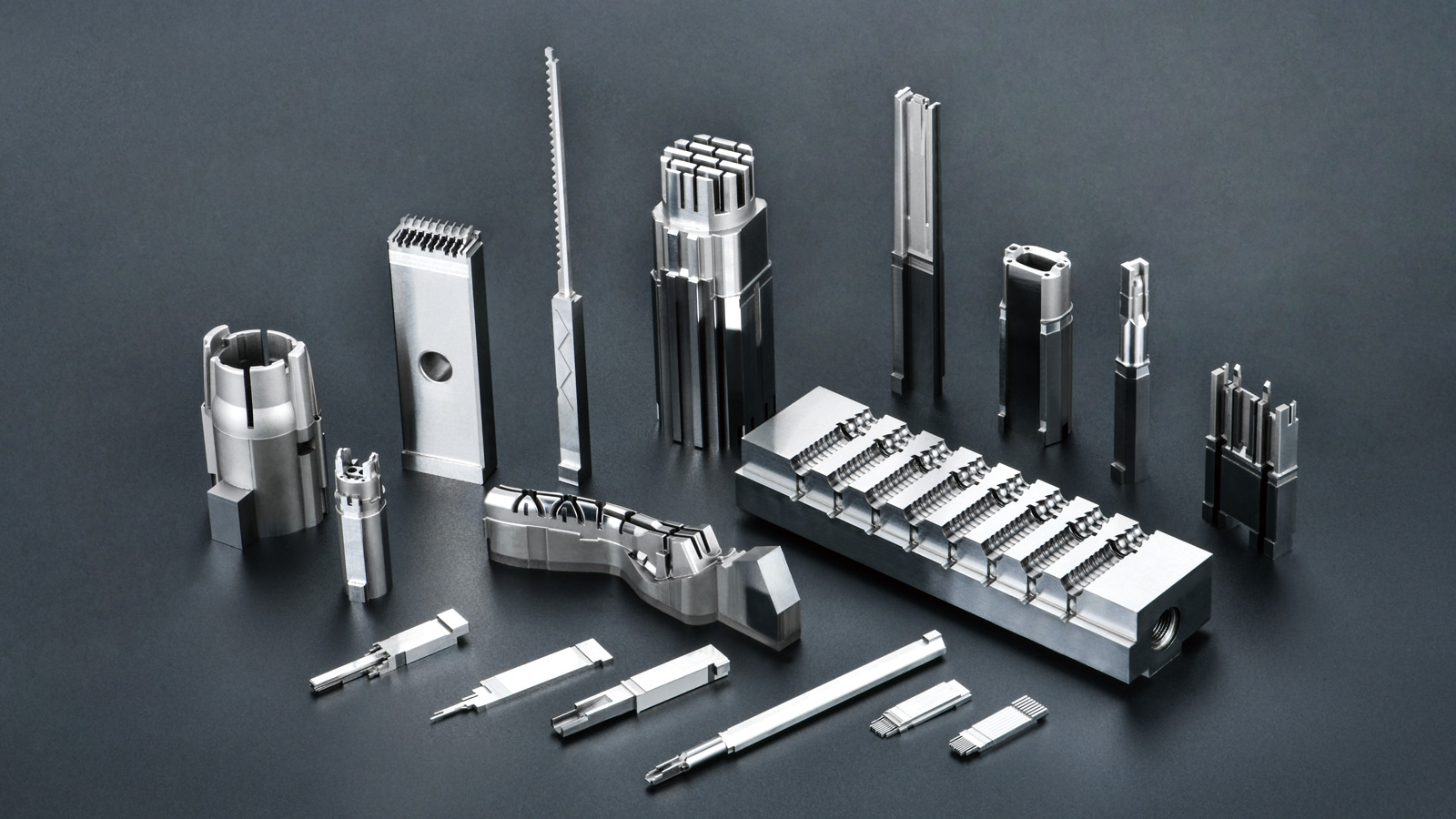
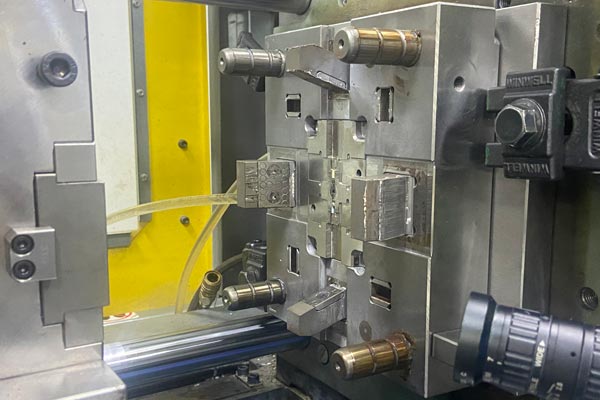
The structure of plastic injection molds is considerably more complex. The core consists of two major systems: first, the variable cavity system composed of a cavity assembly base plate, cavity components, and cavity assembly clamp plate; second, the variable core system composed of a core assembly base plate, core components, core assembly clamp plate, cavity disconnect components, and side-cut assembly plates. This multi-layered structural design is engineered to meet the precise molding requirements of plastics under high temperature and high pressure.
III. Application Scenario Differences
Silicone raw materials can be categorized by chemical nature into solid silicone and liquid silicone. Solid silicone is primarily used for compression-molded products such as silicone sleeves, silicone kitchenware, silicone molds, and silicone buttons. Liquid silicone is mainly used for extrusion-molded products such as silicone bottle nipples and silicone tubing.
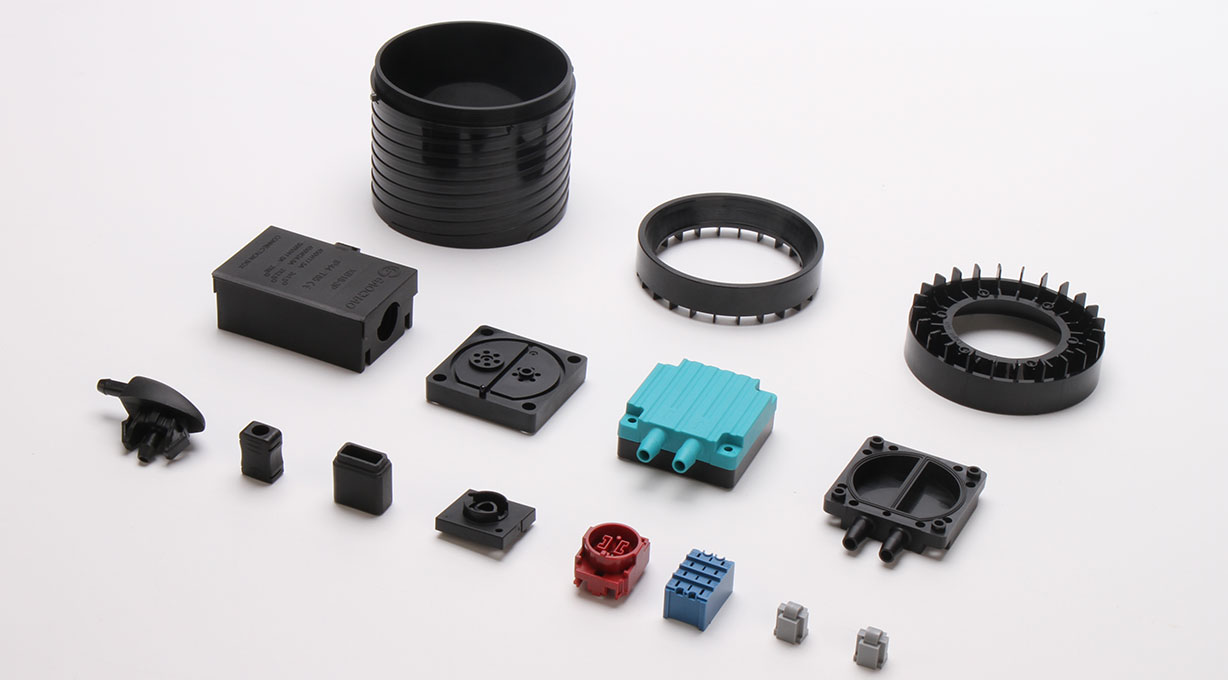
Plastic injection-molded parts are widely used across virtually every sector of modern life, including home appliances, instrumentation, cables and wires, construction machinery, electronics, automotive components, and daily hardware. In other words, the application breadth of plastic injection molds far exceeds that of silicone molds, though silicone molds remain irreplaceable in high-precision replication and small-batch customization.
IV. Selection Recommendations
In practical projects, mold selection should be based on three core criteria: production volume, precision requirements, and material compatibility. Products with high volume and complex structures should prioritize plastic injection molds. Small-batch, high-precision, and intricately shaped art pieces or functional prototypes are better suited for silicone molds. The two are not substitutes but complementary solutions.
FAQ
Q: How significant is the cost difference between silicone molds and plastic injection molds?
A: Silicone molds do not require a gating system, and their manufacturing cost is typically only a fraction of that of plastic injection molds, making them ideal for small-batch trial production. However, for mass production exceeding tens of thousands of units, the per-unit cost of plastic injection molds drops dramatically due to amortization, making them more economical overall.
Q: Can silicone molds be used for plastic product prototyping?
A: Yes. Silicone molds are commonly used as verification molds before plastic injection molding, for small-batch functional testing and appearance confirmation. Once validated, steel molds are then developed for mass production. This is a well-established development workflow in the industry.
Q: What are the respective service lives of the two types of molds?
A: Silicone molds typically last from several hundred to several thousand cycles, depending on product complexity and demolding frequency. For plastic injection molds, aluminum molds last approximately 10,000 to 50,000 cycles, while steel molds can reach hundreds of thousands or even over a million cycles.