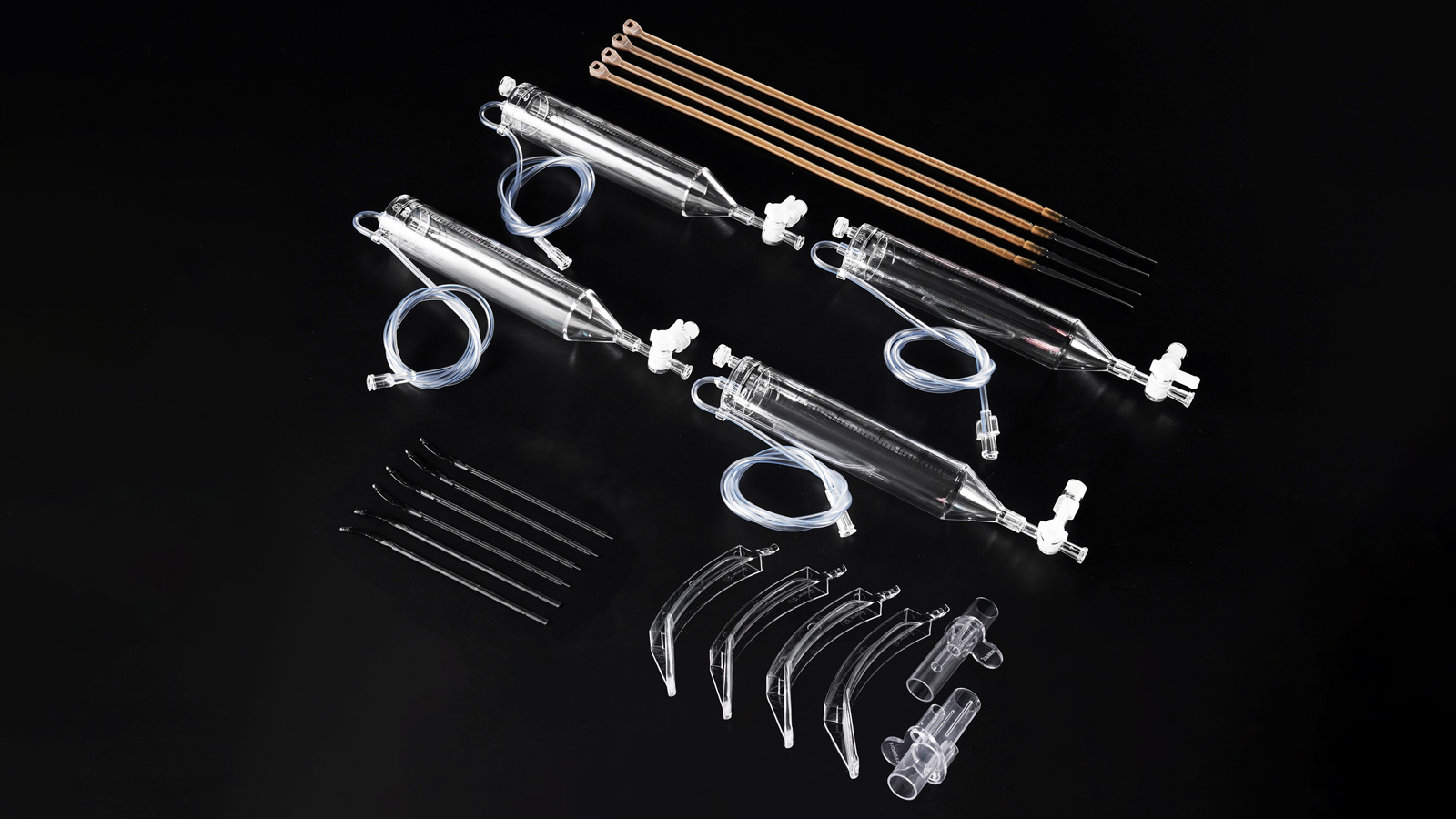
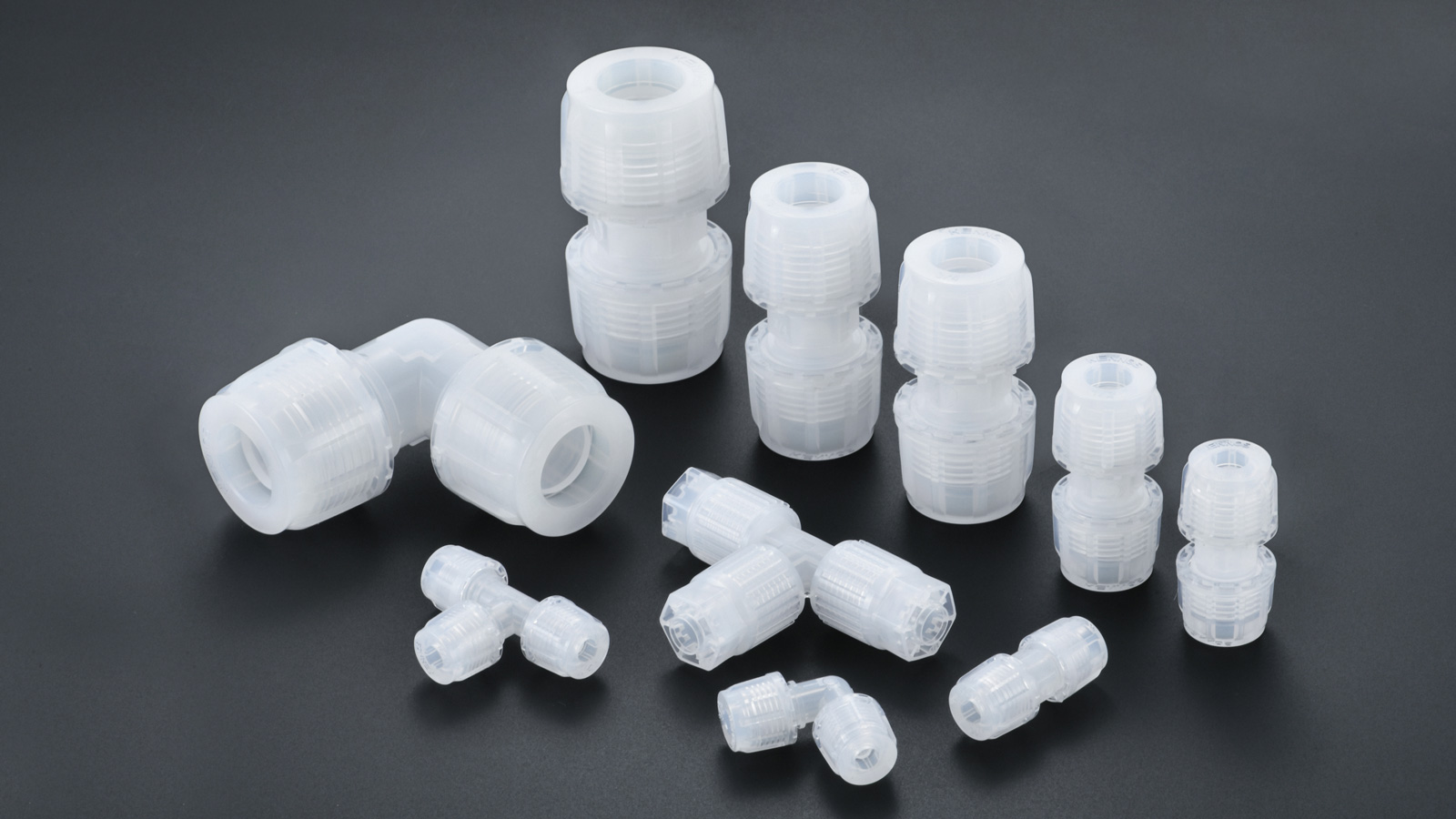
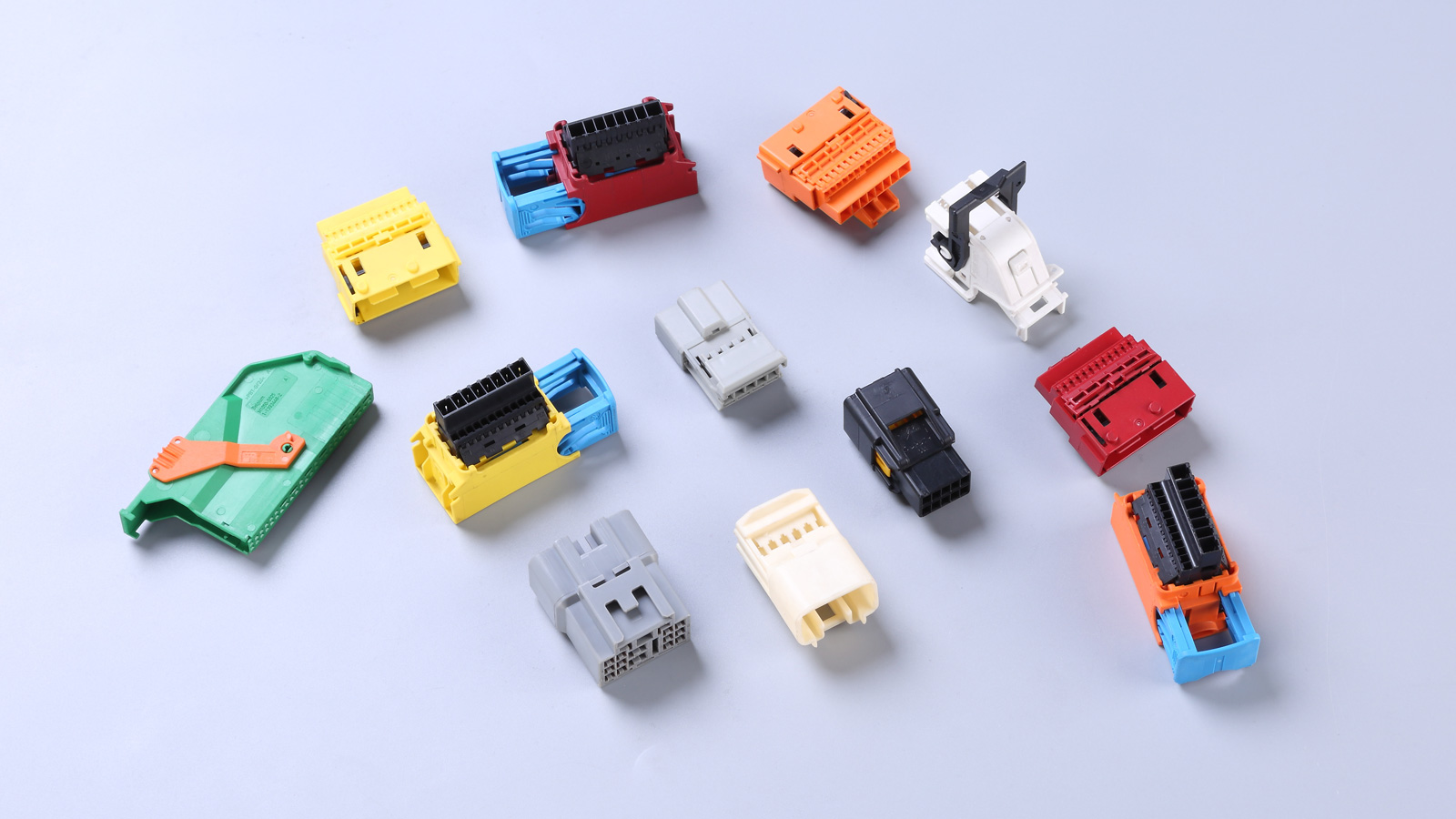
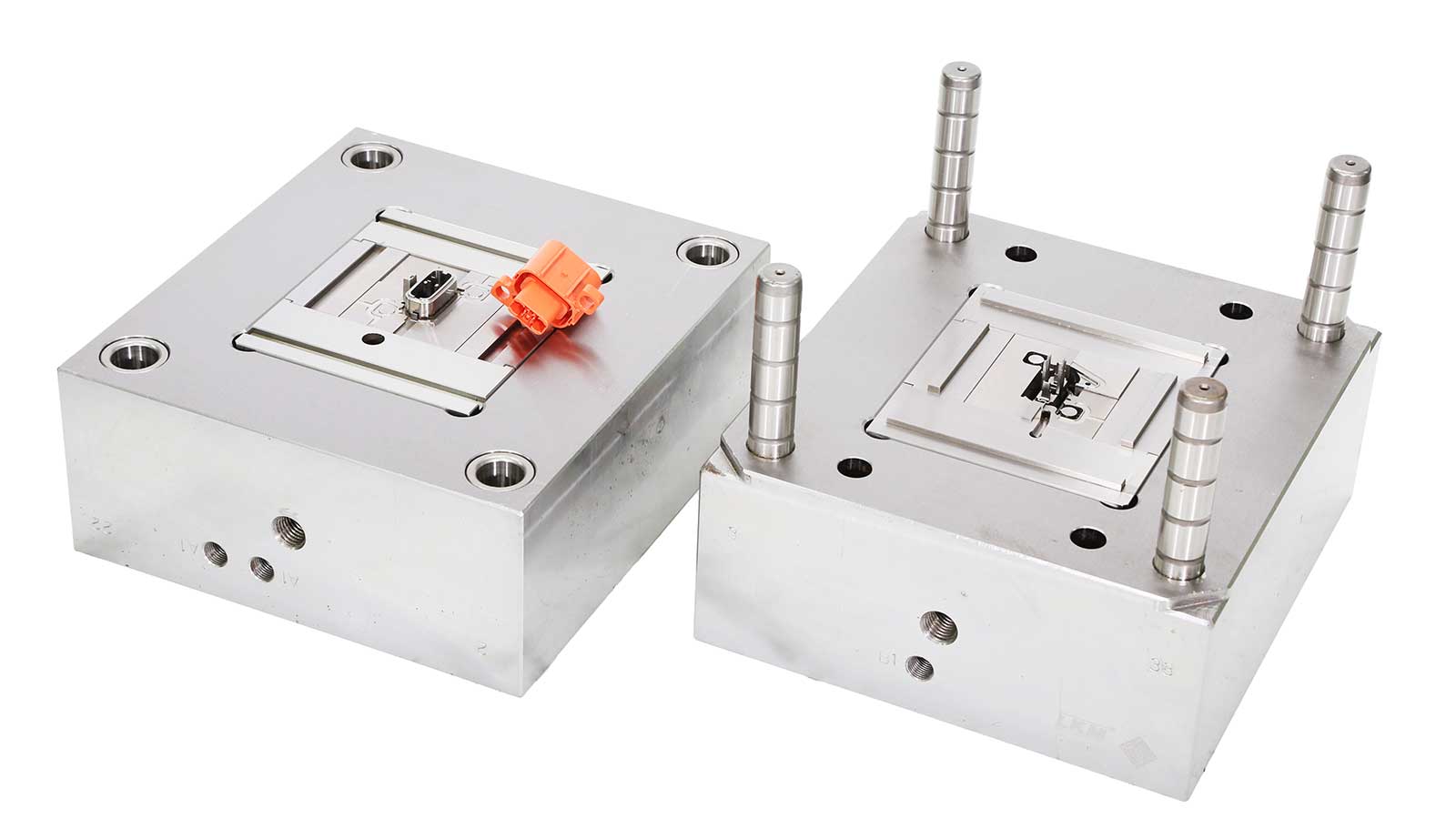



The medical industry demands high-precision, biocompatible, and durable component materials to support implantable devices, surgical instruments, and minimally invasive medical equipment. As a high-performance thermoplastic, PEEK (Polyether Ether Ketone) has become a core material for modern medical manufacturing. Medical PEEK components produced via professional injection molding processes meet strict medical industry standards such as ISO 10993, enabling long-term stable application in clinical diagnosis, surgical treatment, and rehabilitation medical scenarios. This article systematically analyzes the advantages, core processes, typical applications, and quality control standards of PEEK injection molding for medical scenarios.
1. Core Advantages of PEEK Materials for Medical Injection Molding
Medical-grade PEEK stands out from ordinary engineering plastics and partial metal materials, providing irreplaceable performance support for high-standard medical PEEK components. Its comprehensive advantages perfectly match the stringent requirements of medical device manufacturing.
First, excellent biocompatibility and biosafety. Medical-grade PEEK is non-toxic, non-allergenic, and non-inflammatory, fully complying with international medical biocompatibility certification standards. It will not produce rejection reactions with human tissues, body fluids, or blood, making it suitable for both short-term contact and long-term implanted medical devices.
Second, outstanding sterilization resistance. Unlike ABS, PC and other ordinary plastics that are prone to deformation and aging under high-temperature sterilization, PEEK can withstand thousands of autoclave sterilization cycles at 134°C, as well as gamma ray and ethylene oxide sterilization, with no significant degradation of mechanical properties or structural stability.
Third, bionic mechanical performance and lightweight characteristics. PEEK has a modulus of elasticity close to human cortical bone, which can effectively reduce the stress shielding effect of metal implants, reduce bone atrophy risks, and improve implant integration stability. Meanwhile, its low density makes medical PEEK components lighter than metal parts, optimizing patient wearing and implantation experience.
Fourth, superior chemical and structural stability. PEEK resists corrosion from medical disinfectants, drugs, and body fluids, with excellent dimensional stability. It maintains precise structural accuracy in complex medical environments and supports long-term clinical service life.
2. Key Technical Points of Medical-Grade PEEK Injection Molding
The production of high-quality medical PEEK components relies on standardized and precise injection molding processes. Medical PEEK has high melting point and strict processing threshold, and process parameter control directly determines the yield and qualification rate of medical parts.
Material pretreatment is the primary link. PEEK materials are highly hygroscopic, and residual moisture will cause bubble defects and performance degradation of finished products. Before molding, medical-grade PEEK must be dried at 150°C for 3–4 hours to control the moisture content below 0.02%, ensuring the purity and molding stability of materials.
Precise temperature parameter control is the core of molding. The barrel melting temperature is stably controlled at 360°C–400°C, and the nozzle temperature is maintained at 380°C–400°C to ensure full melting and uniform fluidity of PEEK melt. The mold temperature is set at 160°C–200°C, which promotes uniform crystallization of PEEK materials, effectively avoids product warping, shrinkage and dimensional deviation, and meets the high-precision dimensional requirements of medical devices.
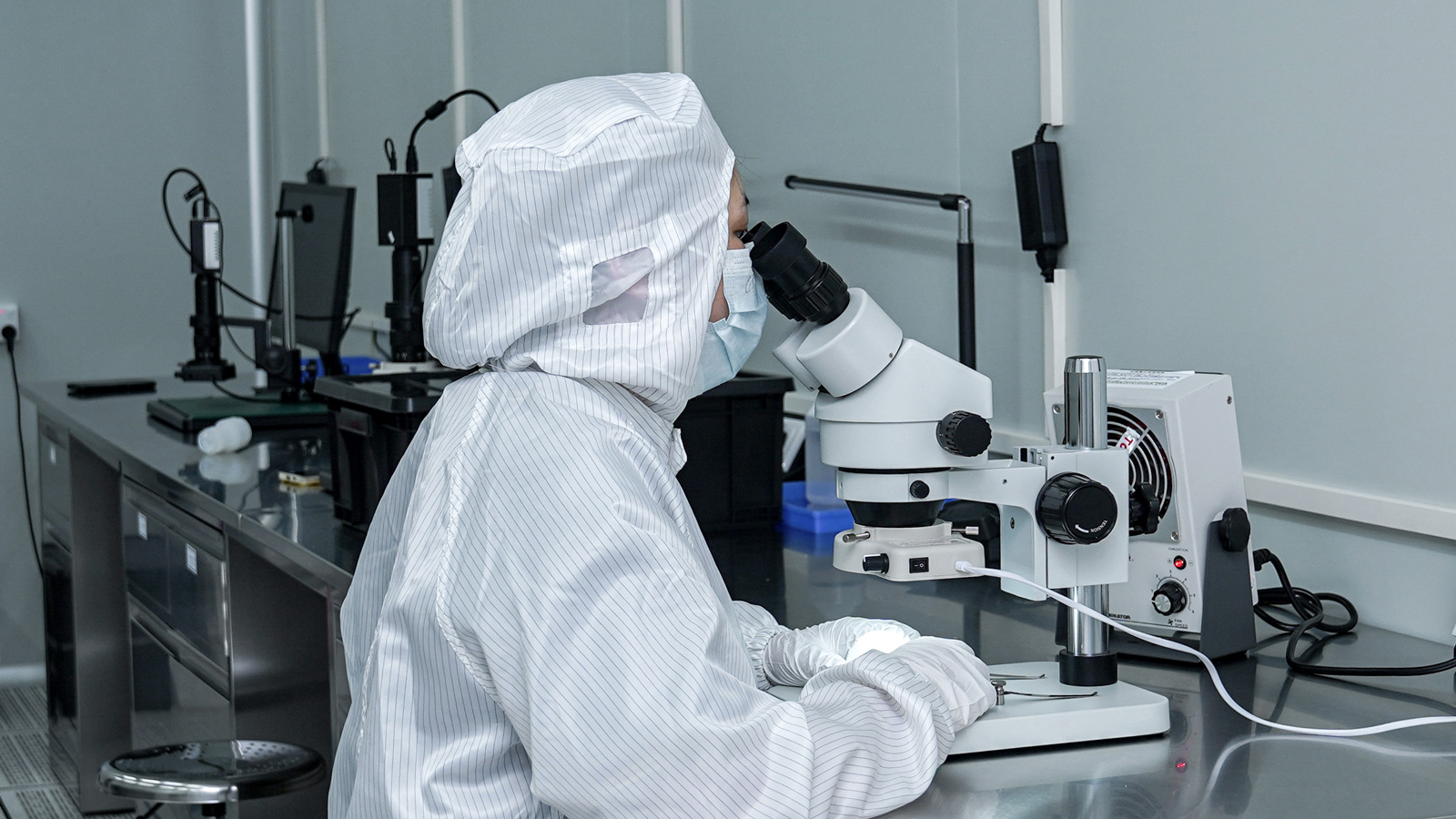
Clean production environment management is essential. All medical PEEK components for clinical use must be produced in a 100,000-class medical clean workshop to avoid dust, bacteria and impurity contamination. The mold adopts high-precision mirror polishing treatment (Ra ≤ 0.4μm), ensuring smooth product surface, no dead corners, and convenient subsequent sterilization and cleaning.
3. Typical Medical Application Scenarios of Injection-Molded PEEK Components
With its superior comprehensive performance, injection-moldedmedical PEEK components have been widely applied in orthopedic implantation, dental medicine, minimally invasive surgery and other core medical fields, replacing traditional metal and plastic parts in many high-precision scenarios.
In orthopedic implant devices, PEEK injection molding products include spinal fusion cages, bone fixation screws, orthopedic correction brackets and trial prostheses. Its bone-like elastic modulus effectively reduces postoperative bone stress shielding, and radiolucency enables doctors to clearly observe bone healing through imaging equipment without metal interference.
In dental medical devices, medical PEEK components such as dental abutments, temporary denture brackets and dental surgical tool bases are widely used. They feature light weight, good biocompatibility and corrosion resistance, adapting to long-term oral environment contact and meeting personalized and precise dental treatment needs.
In minimally invasive surgical equipment, precision PEEK injection molding parts cover endoscope distal structural parts, catheter connectors, luer locks and surgical instrument handles. The ultra-thin wall precision molding capability of PEEK supports the miniaturization of minimally invasive devices, ensuring structural strength while reducing surgical trauma.
In addition, PEEK components are also used in medical precision fluid control parts, sterilizable equipment shells and rehabilitation medical devices, covering multiple links of diagnosis, treatment and rehabilitation.
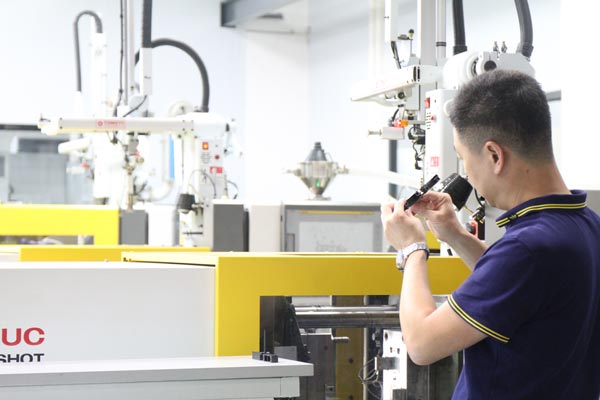
4. Quality Control Standards for Medical PEEK Injection Molding
Medical device products are directly related to patient safety, so the production of medical PEEK components implements the most stringent quality control system throughout the whole process. All products must comply with ISO 10993 medical biocompatibility standards and local medical device certification specifications.
In terms of material quality, only medical-grade pure PEEK raw materials without additives are allowed to be used to avoid impurity precipitation and biological risks. Batch raw material inspection is implemented to ensure consistent material performance.
In terms of molding quality, full-dimensional inspection and surface defect detection are carried out for finished products to ensure that the dimensional tolerance of precision components meets medical industry standards, with no cracks, bubbles or burrs that affect clinical use.
In terms of post-processing, standardized cleaning, disinfection and packaging processes are adopted. All finished medical PEEK components are sealed and packaged in a clean environment to avoid secondary pollution, and complete production and inspection records are retained to realize full traceability.
5. FAQ About PEEK Injection Molding for Medical Applications
Q1: Why are medical PEEK components more suitable for medical implantation than plastic and metal parts?
A1: Ordinary plastics cannot withstand repeated high-temperature sterilization and have poor structural stability. Metal parts have high hardness and are prone to stress shielding, interfering with medical imaging. Medical PEEK integrates biocompatibility, sterilization resistance, bone-matched mechanical properties and radiolucency, making it the optimal material for implantable and precision medical components.
Q2: What is the production difficulty of medical-grade PEEK injection molding?
A2: PEEK has a high melting point and strict processing parameter requirements, requiring professional high-temperature injection molding equipment. Meanwhile, medical production requires a clean workshop environment, high-precision molds and full-process quality inspection, with higher technical thresholds and production standards than ordinary plastic injection molding.
Q3: Can injection-molded medical PEEK components be reused after sterilization?
A3: Yes. Qualified medical PEEK components can withstand thousands of high-temperature autoclave and radiation sterilization cycles without performance attenuation, supporting repeated clinical use, which greatly reduces medical equipment replacement costs.
Q4: What medical certifications do finished medical PEEK components need to obtain?
A4: They must pass ISO 10993 biocompatibility testing, including cytotoxicity, sensitization and irritation tests. Implantable components also need to meet relevant medical device registration standards to ensure clinical safety and compliance.