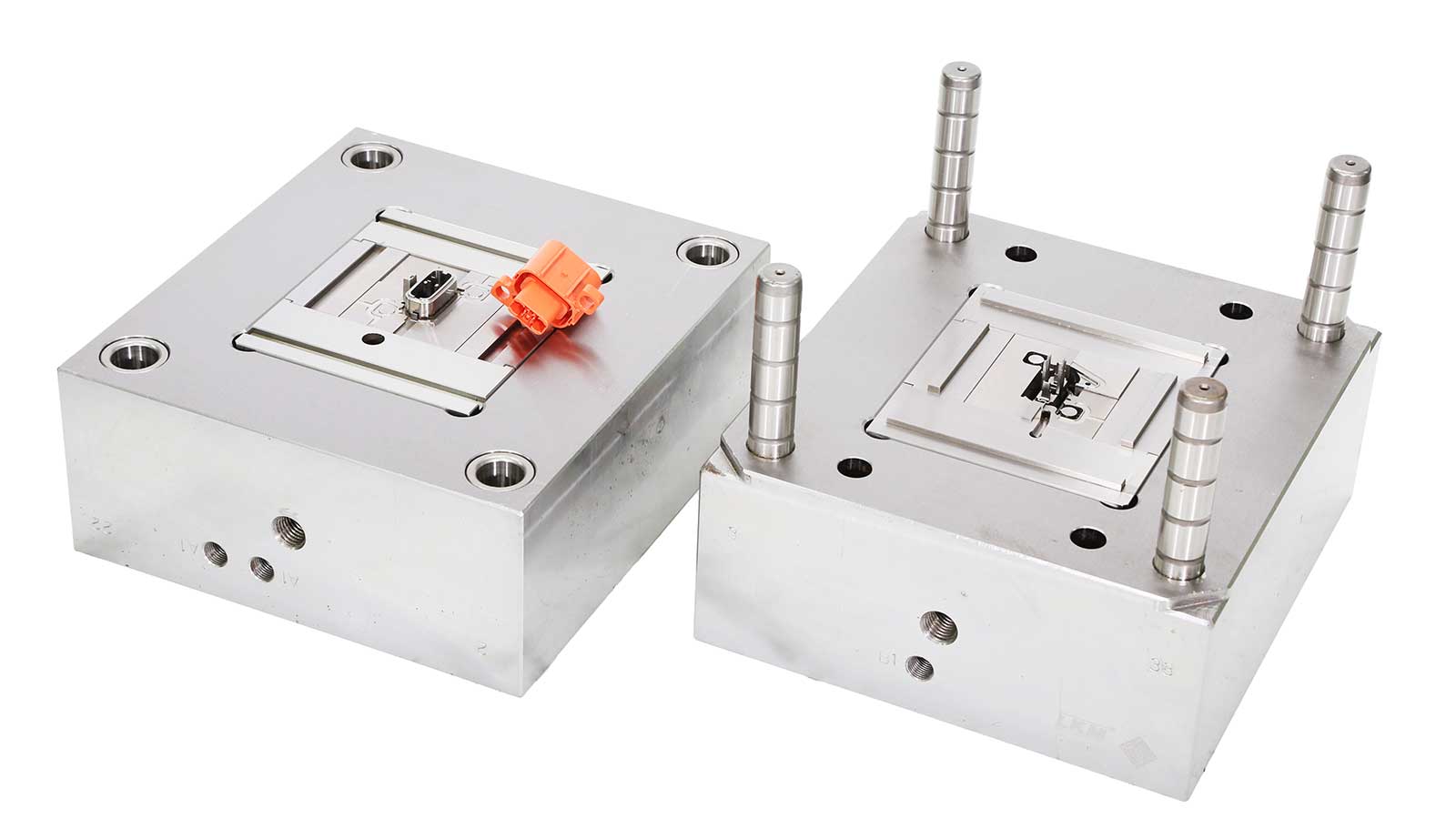
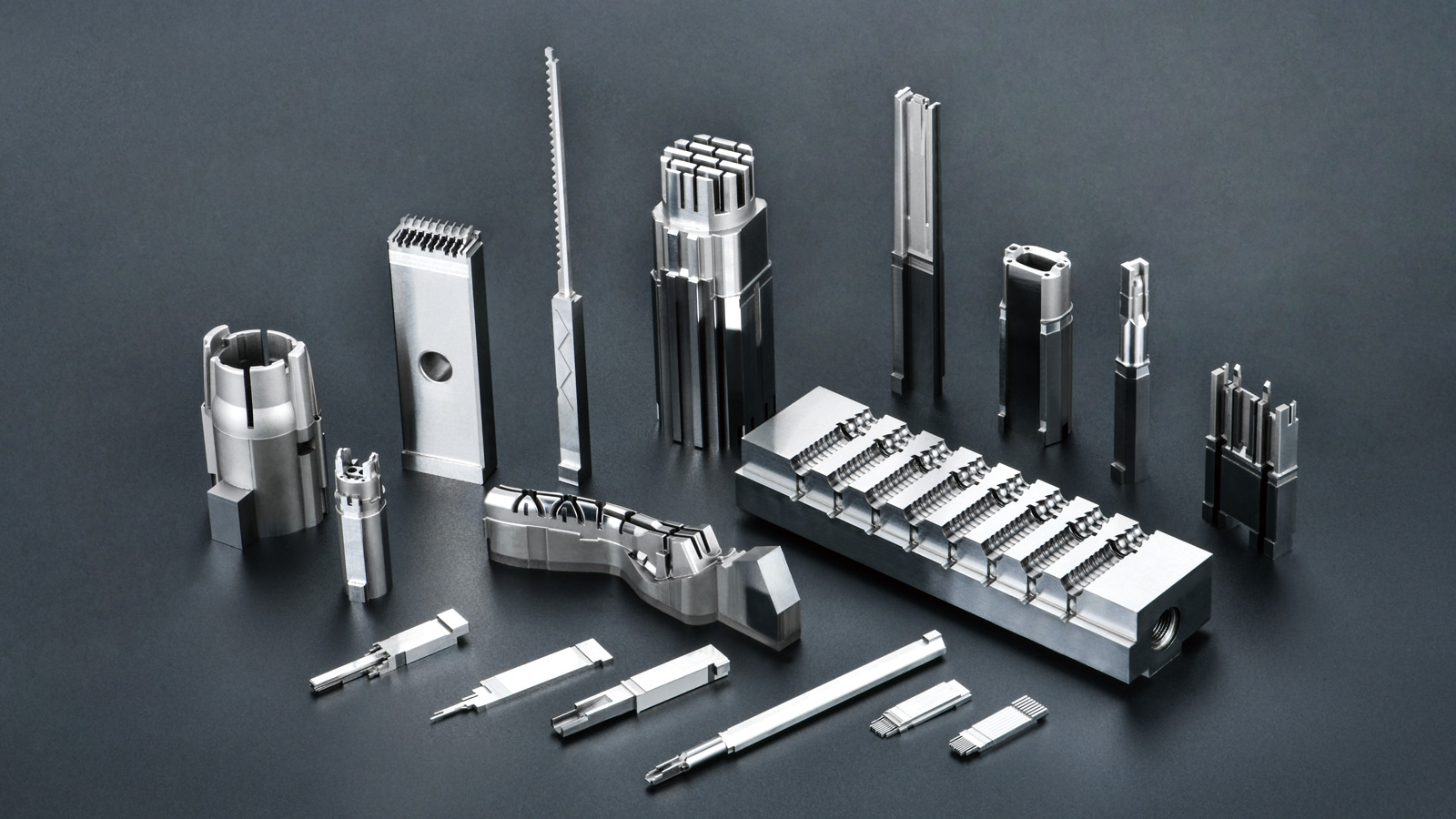
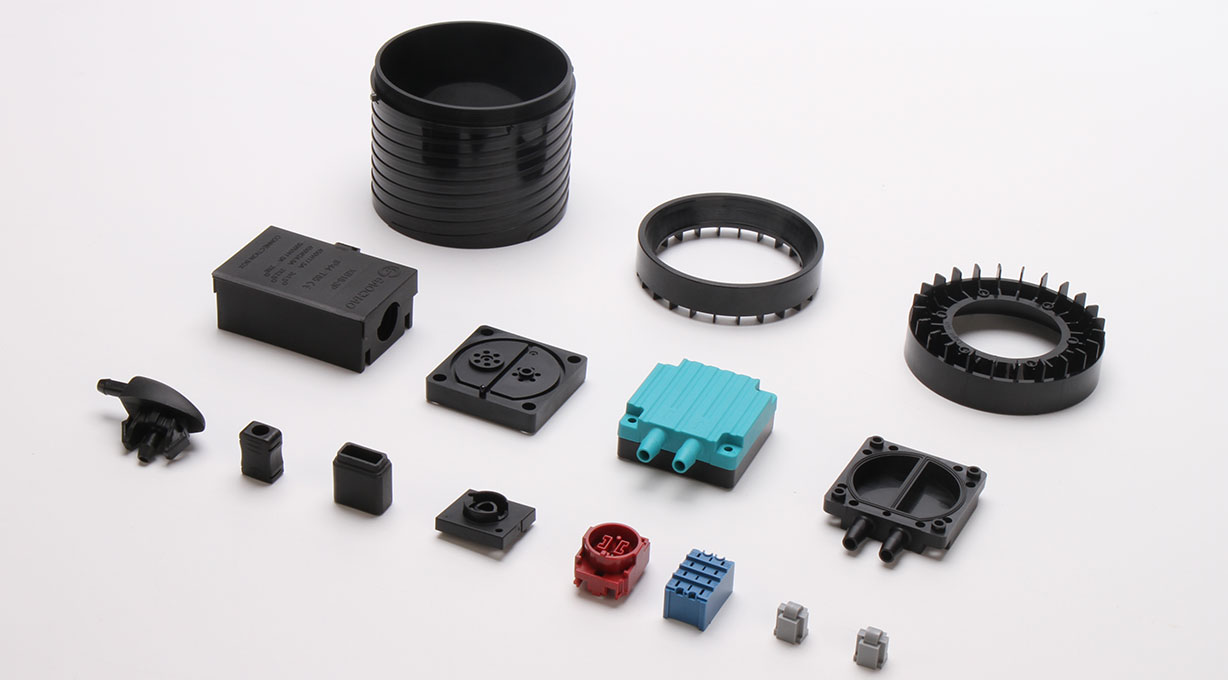




In today’s transforming and upgrading manufacturing industry, plastic molds, known as the “mother of industry,” directly determine the quality of injection-molded products, production efficiency, and overall business costs. When molds fail or product precision declines, many enterprises often attribute the problems to machining accuracy or material quality, overlooking a fundamental truth—the quality of mold performance is determined from the moment the design drawings are finalized. Rational plastic mold design is the fundamental path to ensuring long-term stable mold operation and continuous production of high-quality products.
I. The Core of Mold Performance: Control from the Design Source
Mold performance is a comprehensive indicator covering multiple dimensions such as molding precision, production efficiency, service life, and maintenance costs. Extensive practical data shows that over 70% of mold failures and product defects can be traced back to unreasonable aspects in the design phase.
From parting surface selection to gating system layout, from cooling channel arrangement to ejection mechanism design, every decision at each stage is amplified in subsequent production processes. A rigorously designed mold can significantly reduce trial mold times, shorten production cycles, and decrease maintenance frequency while ensuring product quality, ultimately delivering considerable economic benefits to enterprises.
Conversely, “making do” and “compromising” during the design phase often manifest repeatedly in production as flash, shrinkage, warpage, sticking, guide pillar scuffing, and other issues, trapping enterprises in a vicious cycle of “mold repair—trial production—more mold repair” that erodes already thin profit margins.
II. Wall Thickness and Ribs: The Precise Balance of Structural Mechanics
The wall thickness design of plastic products is the starting point of mold design and also the most easily overlooked critical step. Rational wall thickness design must simultaneously meet three major requirements: sufficient structural strength, good melt flowability, and uniform cooling shrinkage.
In practice, uneven wall thickness is the primary cause of product warpage and deformation. The cooling rate of plastic melt at thick walls is much slower than at thin walls, and differences in shrinkage rates generate residual stresses inside the product, ultimately manifesting as warpage, sink marks, or even cracking. Therefore, “uniform wall thickness” is the first principle of plastic part design—the recommended wall thickness for conventional thermoplastic parts is 2–3mm, and the wall thickness difference across various sections should not exceed 25% of the wall thickness. When structural requirements necessitate wall thickness variations, smooth arc transitions should be used to avoid abrupt cross-sectional changes.
Ribs are an effective means of enhancing product rigidity without increasing wall thickness. The following key points should be followed when designing ribs:
- Rib thickness should be 40%–60% of the product wall thickness; overly thick ribs will cause sink marks on the corresponding surface;
- Root fillets should be 1/2–2/3 of the wall thickness, both to avoid stress concentration and prevent surface depressions;
- Placement direction should align with the melt flow direction to reduce flow resistance;
- Rib end surfaces should be 0.5–1mm below the product’s supporting surface to avoid affecting assembly datums.
III. Parting Surface and Gating System: Key Hubs for Molding Quality
Parting surface selection is one of the core decisions in mold structural design, directly affecting mold manufacturing costs, product appearance quality, and demolding reliability. When selecting a parting surface, the principle of “prefer flat over inclined, prefer inclined over curved” should be followed, while also considering the following factors:
- The parting surface should be located at the maximum cross-section of the product to ensure smooth demolding;
- Place appearance surfaces on the same cavity side as much as possible to avoid parting lines affecting appearance;
- The parting surface should coincide with the melt flow end to facilitate cavity venting and reduce trapped gas burning;
- Prioritize placing side core-pulling mechanisms on the moving mold side to simplify mold structure.
The gating system is the “channel” through which plastic melt enters the cavity, and its design directly determines filling balance and melt flow conditions. A rational gating system should ensure simultaneous filling of all cavities, uniform pressure transmission, minimal gate marks, and smooth material flow without dead spots. For large flat-plate products, pin-point gates or submarine gates are often better choices, effectively reducing warpage and deformation; for precision electronic products, gate positions must be strictly controlled to avoid weld lines appearing in load-bearing areas.
IV. Cooling System Design: Dual Assurance of Production Efficiency and Product Precision
The design quality of the cooling system is directly related to mold production efficiency and product dimensional stability. Data shows that cooling time typically accounts for 60%–80% of the entire injection molding cycle, and optimization of the cooling system makes the most significant contribution to production capacity improvement.
Rational cooling channel design should meet the following requirements:
- Uniform channel arrangement to ensure consistent cooling rates across all cavity surfaces, avoiding uneven shrinkage and warpage caused by temperature differences;
- Moderate distance between channels and cavity surfaces, generally 1–2 times the channel diameter—too far reduces cooling efficiency, too close easily causes temperature unevenness;
- Series water path length should not be excessive, recommended to be controlled within 1.5m, to prevent excessive inlet-outlet water temperature differences;
- Channel diameter should be selected based on mold size, commonly φ8–φ12mm for small and medium molds, and φ12–φ16mm for large molds.
It cannot be ignored that poor cooling not only extends molding cycles but also causes local overheating of the mold, leading to seizing of moving components such as ejector pins and sliders due to thermal expansion, and in severe cases, even mold damage.
V. Demolding and Ejection Mechanism: The Invisible Factor Extending Mold Life
The ejection mechanism may seem simple, but it is a key factor affecting mold life and product appearance. Unbalanced ejection forces, insufficient ejection area, and insufficient draft angles all lead to product deformation, ejection marks, or even mold sticking, and frequent mold repairs further reduce mold precision.
The following principles should be grasped when designing ejection mechanisms:
- Ejection positions should be selected at high-strength areas of the product, such as rib positions, bosses, and side wall edges, avoiding ejection on appearance surfaces or thin walls;
- Ejection force distribution should be uniform and symmetrical to prevent product deformation due to uneven stress;
- Draft angles need to be reasonably set according to plastic type and product depth, generally 30′–1° for outer surfaces and 1°–2° for inner surfaces;
- For deep-cavity, thin-wall, or high-precision products, methods such as air ejection or multi-component combined ejection can be adopted to ensure smooth demolding.
VI. The Business Value of Rational Design: The Core Path to Cost Reduction and Efficiency Enhancement
From a business operation perspective, the value brought by a well-designed mold far exceeds the cost of the mold itself. It means higher first-try success rate, shorter product launch cycles, more stable mass production quality, lower unit product costs, and longer mold service life.
In the current increasingly competitive manufacturing environment, mold design capability is no longer a purely technical issue but an important component of enterprise core competitiveness. Choosing a professional mold design team for thorough validation and continuous improvement during the design phase may seem to increase upfront investment, but it is actually the most effective control over production costs—because what is truly expensive is never the design fee, but the waste caused by a poorly designed mold throughout its entire life cycle.
Mold performance assurance begins with design, is achieved through design, and ultimately depends on design. Only by treating every mold design with a scientific, rigorous, and systematic attitude can enterprises gain a first-mover advantage through quality and efficiency in fierce market competition.
Frequently Asked Questions (FAQ)
Q1: What are the most important considerations during the plastic mold design phase?
A: Mold design requires comprehensive consideration of product structural manufacturability, molding material characteristics, injection molding machine parameters, production volume, mold manufacturing costs, and maintenance convenience. Among these, Design for Manufacturability (DFM) analysis of product structures is the core work in the early design stage, capable of proactively avoiding over 80% of potential problems.
Q2: Why do molds always require repeated modifications after trial runs?
A: Frequent mold modifications usually indicate insufficient论证 during the design phase. Common causes include: deviations in plastic shrinkage rate estimation, unreasonable cooling system layout, uneven ejection force distribution, and insufficient venting system design. Introducing simulation tools such as Moldflow can predict filling, packing, cooling, and warpage during the design phase, significantly reducing the number of trial runs.
Q3: How to evaluate whether a mold design is reasonable?
A: Evaluation can be conducted from the following dimensions: first, product quality indicators, including whether dimensional accuracy, appearance quality, and physical performance meet standards; second, production efficiency indicators, i.e., molding cycle length and equipment utilization rate; third, mold reliability indicators, such as failure frequency during continuous production, replacement cycle of wearing parts, and total mold life; fourth, maintenance convenience, such as disassembly difficulty and cleaning and maintenance costs.